
Simanaitis Says
On cars, old, new and future; science & technology; vintage airplanes, computer flight simulation of them; Sherlockiana; our English language; travel; and other stuff
MERRIAM-WEBSTER; TIME TRAVELER PART 2
YESTERDAY WE BEGAN ETYMOLOGICAL TIME TRAVEL encouraged by Merriam-Webster. Today in Part 2, we continue with my second and third categories, “Now You Know” and “Er… Ah…” of its examples from 1942.

Now You Know. My second category includes gunsel, preggers, Santa Gertrudis, and whiz kid. Quite the variety, I’d say.
Gunsel. M-W (tersely, I’d say) defines gunsel as “slang: GUNMAN.” Ah, but how much richer when Sam Spade says to Kasper Gutman in The Maltese Falcon, “Let’s give them the gunsel” in selecting Wilmer Cook as the fall guy.
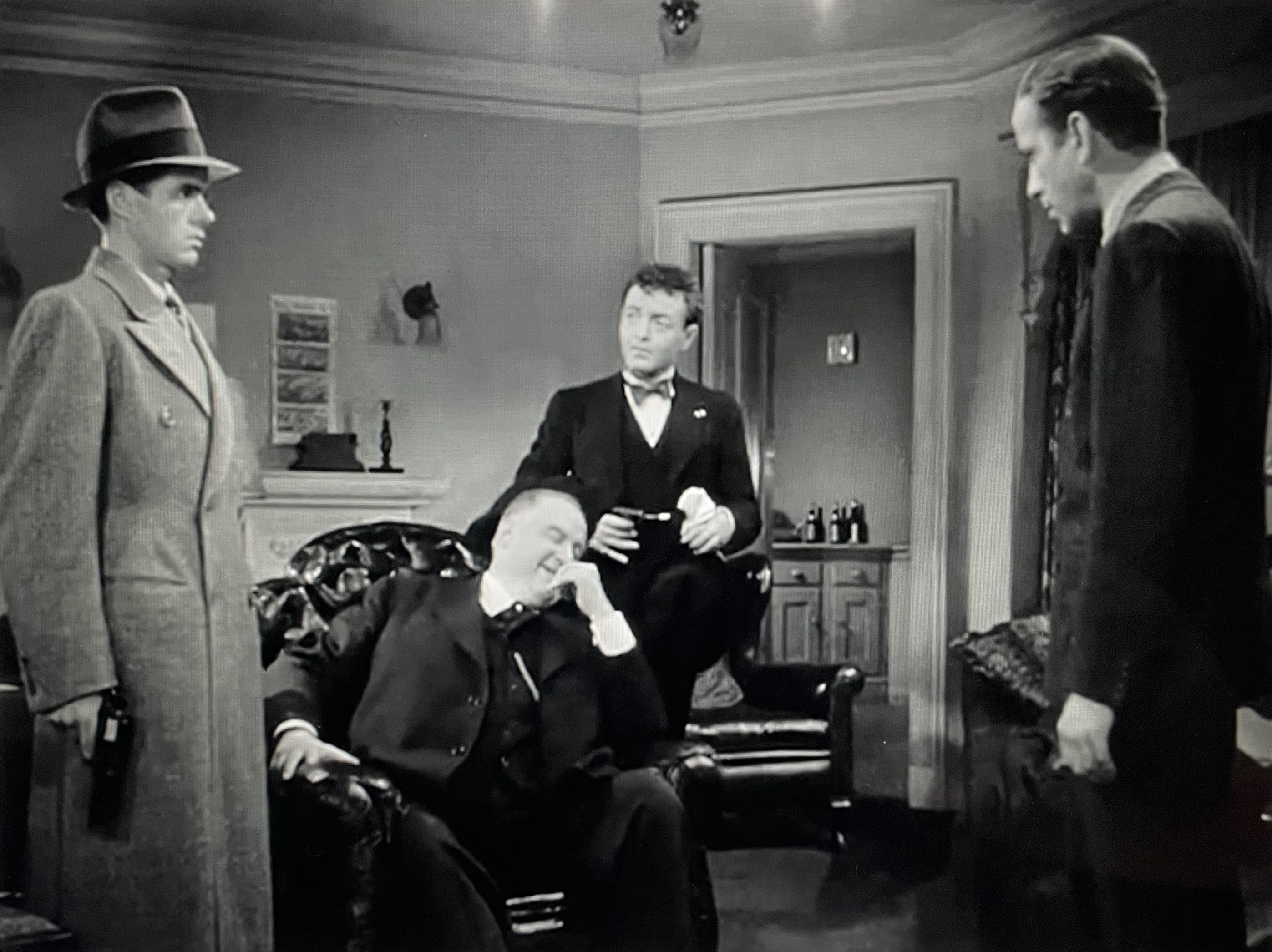
Opps: I originally spelled it “gunzel,” which OED says is Australian slang for a trainspotter. And, after all, OED would know; I’ve updated it now.
Preggers. M-W describes this as an informal term for “pregnant,” first appearing when the latter was considered too vulgar for media use. This all started with the Hays Code, which SimanaitisSays recounts, “was a bunch of Catholic priests telling Jewish movie moguls what Protestant movie audiences should see.” The Code lasted until 1954.

Santa Gertrudis. How prescient: M-W defined Santa Gertrudis as “any of a U.S. breed of red beef cattle developed from a Brahman-shorthorn cross and valued for their hardiness in hot climates.”
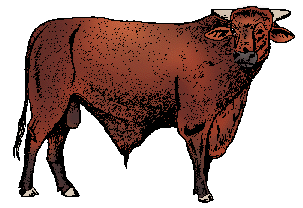
A Santa Gertrudis. Image from Merriam-Webster.
Just the breed to counter Trump’s climate hoax (should beef prices ever come down…).
Whiz Kid. M-W observes, “Or less commonly whizz kid: a person who is unusually intelligent, clever, or successful especially at an early age.”
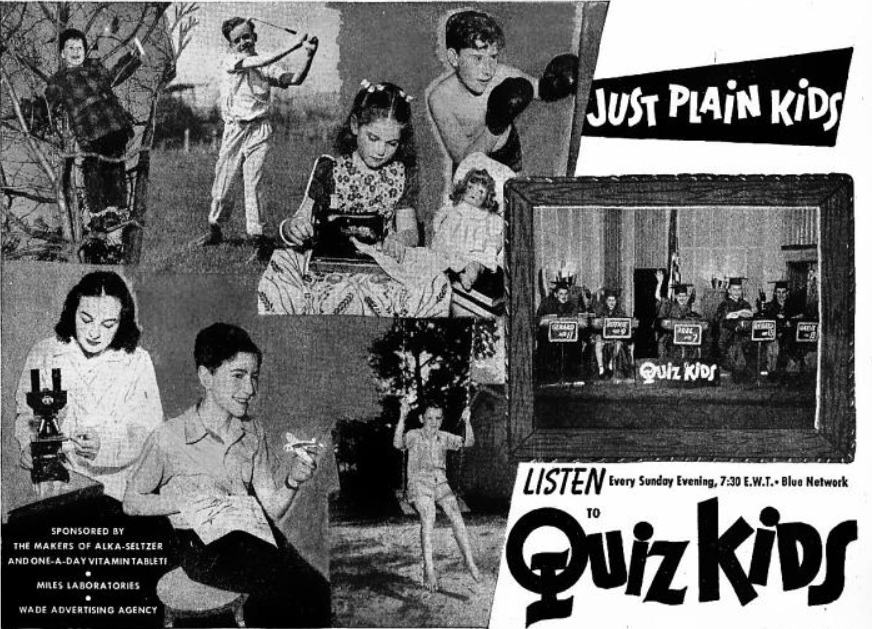
Prototype whiz kids appeared, Wikipedia notes, on the “Quiz Kids,” a radio series “first broadcast on NBC from Chicago, June 28, 1940…. It continued on radio for the next 13 years.”
These days, “Quiz Kids” episodes appear regularly on SiriusXM “Radio Classics.”
Er… Ah… These three words—”a-hole,” “eighty-six,” and “harrumph”—would have perked my tender little ears in 1942. They can stir controversy even today.
A-Hole. M-W describes, “slang; used as a euphemism for asshole.” The latter word is also listed in M-W, with its origin cited in the 14th century as “informal + impolite: ANUS.”
Recent M-W exaamples of a-hole come from Entertainment Weekly, Mercury News, HollywoodReporter, and Southern Living. This last citing shows either M-W sense of humor or unedited A.I.: “Create an easy one-pan egg dish with this egg-in-a-hole recipe.”
By the way, M-W describes toad-in-the-hole as “a dish made of sausages cooked in batter.” (I had its name wrong.)
86. M-W’s entry for “eighty-six verb” is a lengthy one: “1 a: to refuse to serve (a customer). b: to eject or ban (a customer). broadly: to eject, dismiss, or remove (someone). 2 a: to remove (an item) from a menu : to no longer offer (an item) to customers. b: to reject, discontinue, or get rid of (something).”
M-W lists as synonyms the words “discard,” “ditch,” “dump,” “lose,” “set aside”, or “unload.”
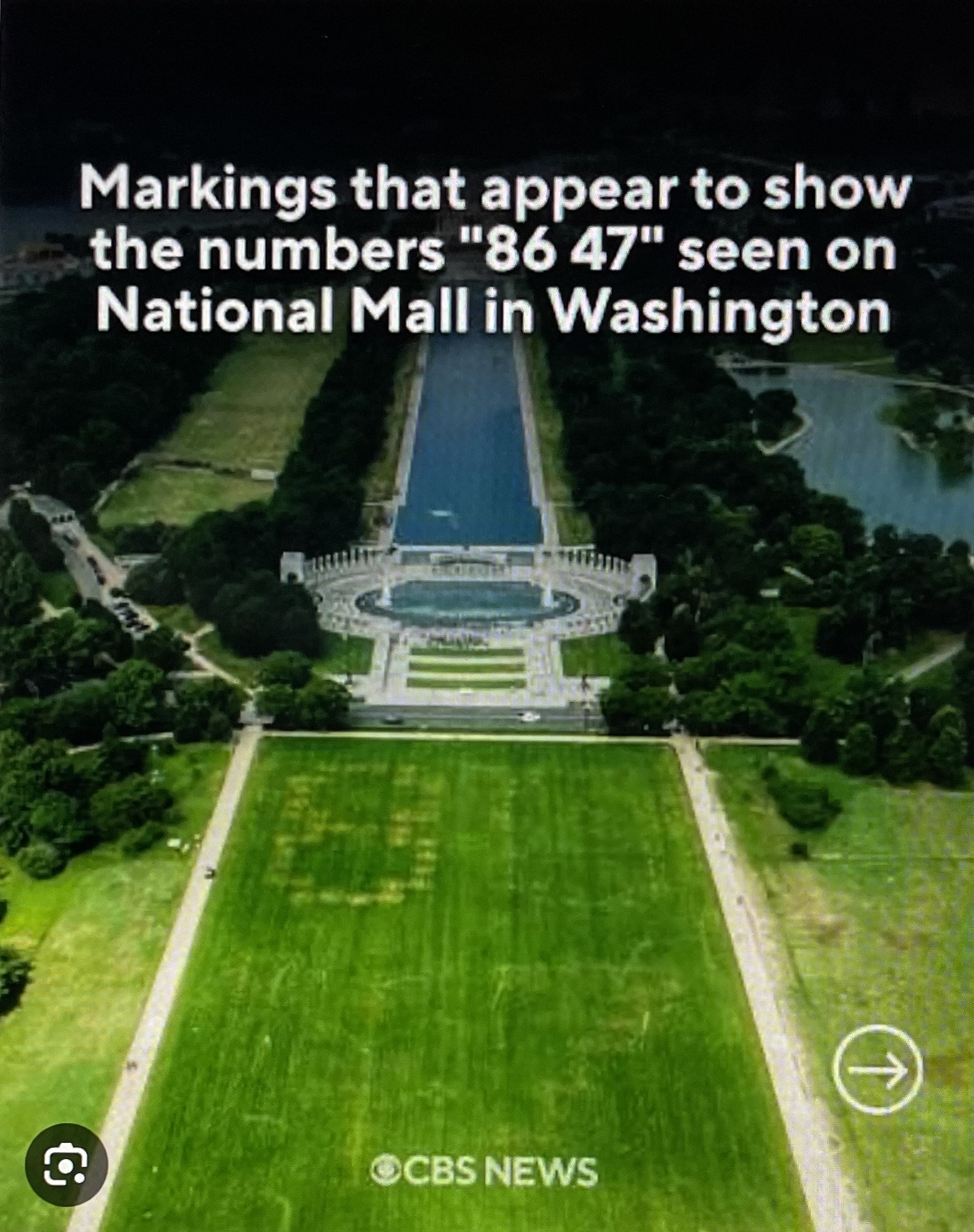
M-W observes, “There are many popular but unsubstantiated theories about the origin of eighty-six. The explanation judged most probable according to Merriam-Webster’s research is that the word was created as a rhyming slang word for nix, which means ‘to veto’ or ‘to reject.’ ”
Harrumph. M-W defines the intransitive verb “harrumph” as “1: to clear the throat in a pompous way. 2: to comment disapprovingly.” It describes the transitive verb as “to utter (a comment) disapprovingly.”
It would be pompous of me to point out the difference between transitive and intransitive, but I believe either (not to say the other words in this category) speaks for many of us. ds
© Dennis Simanaitis, SimanaitisSays.com, 2026


“either M-W sense of humor or unedited A.I.”
Neither, it’s unedited search results. Let’s not attribute everything to “AI”; M-W has been showing auto-searched examples since long before chatbots showed up. The volume is far too much for them to vet all of them, but there is a feedback link (you have to click to expand “Read more” in the small print at the start of the example section) to notify them if something’s wrong.
Thanks for this insight.—ds