
Simanaitis Says
On cars, old, new and future; science & technology; vintage airplanes, computer flight simulation of them; Sherlockiana; our English language; travel; and other stuff
ROBO UMP SCIENCE
JON COHEN DESCRIBES HOW A “ROBO UMP” calls MLB action at home plate in “Eyes On The Ball,” Science, October 21, 2026. Dodger fans Daughter Suz and I got used to this, and here I glean tidbits from Cohen’s analysis of this wizardy.

High Stakes. Cohen reminds us all, “The core confrontation in baseball is between a pitcher and a batter, but there’s another important player in that drama—the home plate umpire, who decides in a split second whether an unswung pitch is a strike or a ball. Players and managers in the past could not, officially, challenge the ump’s decision. But that didn’t stop grown adults from swearing, wildly gesticulating, and acting like spoiled children when they disagreed with a call, risking ejection from the game. Given that three strikes end a batter’s turn and four balls wins them a walk to first base, the stakes are high.”
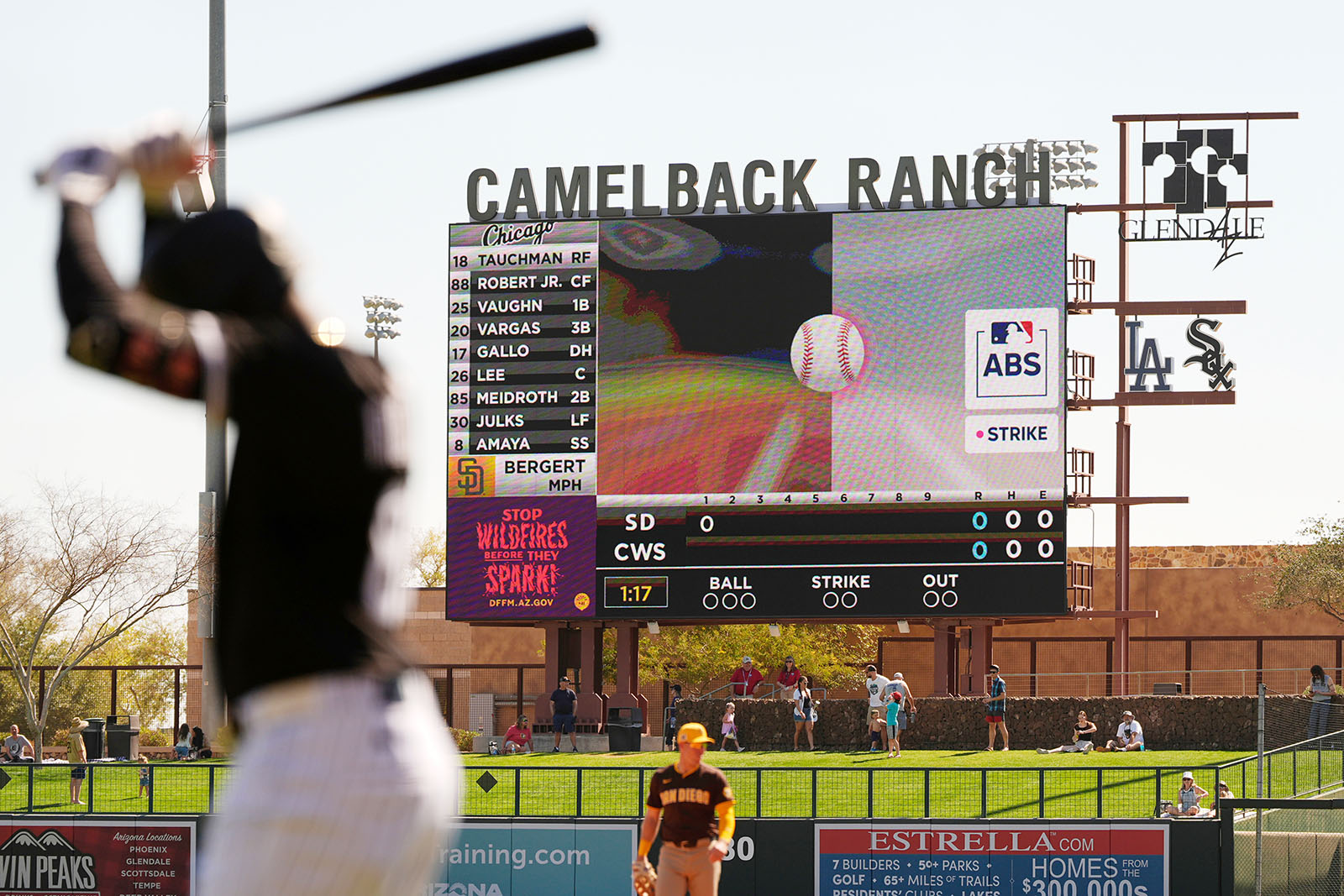
Automated Ball-Strike Challenge System. “MLB,” Cohen describes, “has turned to an ABS system made by Hawk-Eye Innovations that uses five cameras around the baseball field to check the umpire’s calls. For an industry that grosses $12 billion a year, with games, careers, and more billions in bets riding on the fate of pitches, the system has to be near-perfect.”
Two Challenges Per Team. Cohen explains, “With MLB’s ABS system, a pitcher, catcher, or batter can now challenge an umpire’s call of a ball or strike by tapping the top of his helmet or cap within 2 seconds. A few seconds later, the pitch’s trajectory appears in slow motion on the stadium’s jumbotron, showing the precise location of the baseball when it crossed the halfway point of home plate. (See graphic below.) Teams start games with just two challenges, which are only retained if calls are overturned.”
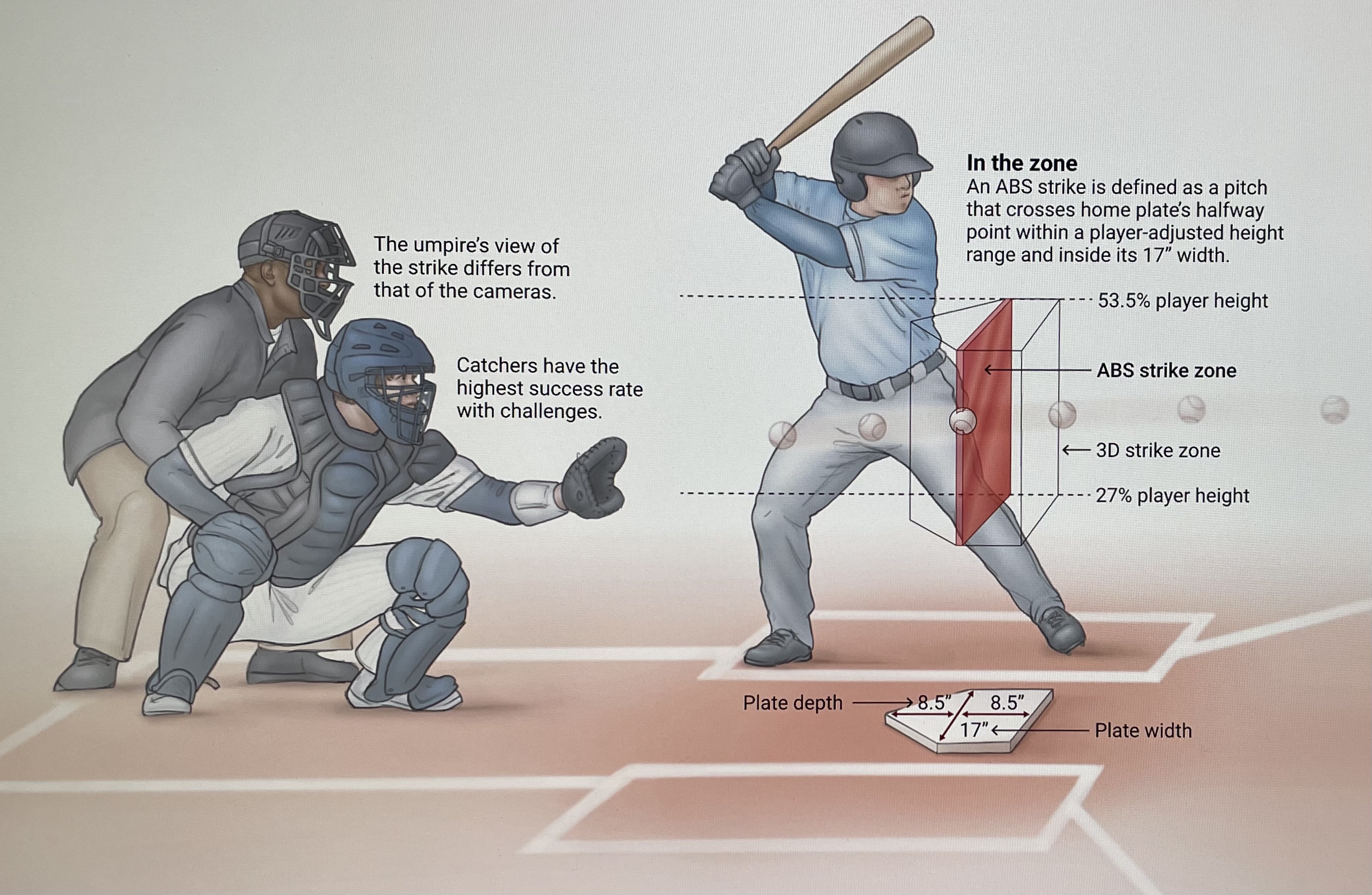
The Strike Zone’s Heritage. “At MLB’s in 1903,” Cohen recounts, “the strike zone was a 3D concept. A baseball hit the zone if it crossed any part of home plate above the knees of a player and below his shoulders. For the Hawk-Eye ABS system this year, however, the strike zone is a 2D plane at the center of the plate that is adjusted for each player’s height.”
Cohen continues, “MLB measures each player, without shoes on, at the beginning of the season. The measurement is done both by hand—using stadiometers or sliding wall rulers—and with lasers. It takes place between 10 a.m. and 12 p.m. to avoid the spinal compression that occurs over the course of a day.”
ABS’s Tracking Task. Cohen observes, “ABS systems don’t just capture the ball as it crosses home: They track its initial position, velocity, and acceleration throughout its half-second journey to the plate, calculating its trajectory toward the strike zone. ‘You gain overall precision in the measurement by using the full trajectory, rather than a single point,’ says retired particle physicist Alan Nathan, a Smith collaborator who maintains a website called The Physics of Baseball.”
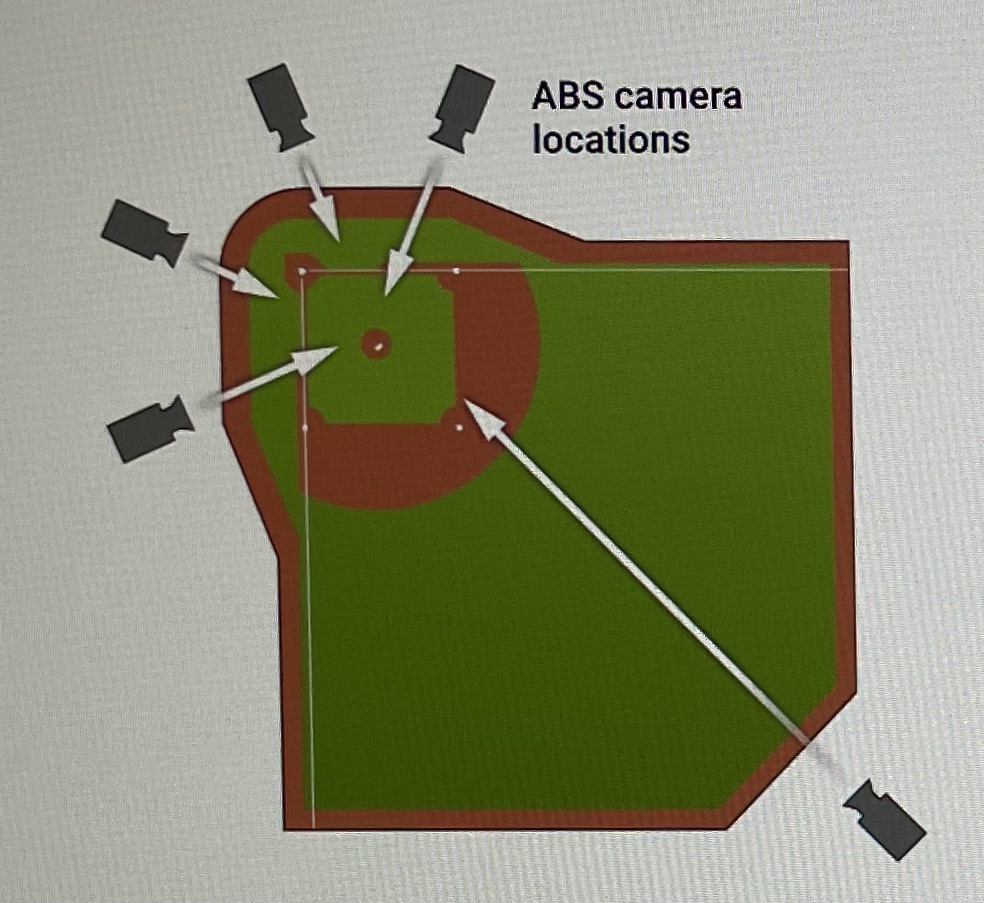
Points of View. Cohen notes, “The ABS system designed by Hawk-Eye Innovations relies on five high-speed cameras around the ballpark. Because pitches can travel at more than 100 miles per hour, cameras might not capture the exact moment the baseball crosses midplate, so Hawk-Eye includes the trajectory of the ball in the equation that determines whether the pitch was a ball or a strike.”
Challenging the Calls. “This shows the location of all the called balls that were challenged by catchers or pitchers (orange) and the called strikes challenged by batters (purple) on the last day of the regular season, 27 September. The box represents the strike zone.”
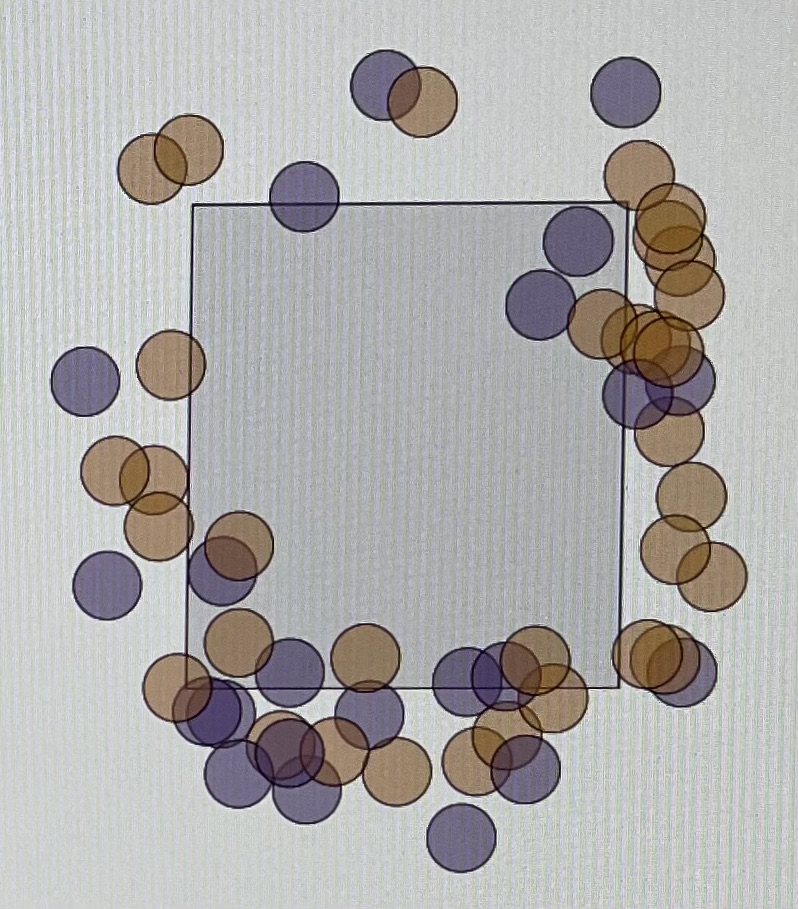
“Typically, Cohen says, “catchers have the highest success rate. On this day, catchers only had 42% of their 33 challenged calls overturned, and batters won 50% of their 22 challenges. One call was overturned after being challenged by a pitcher.”
Hawk-Eye Heritage. Cohen describes, “A U.K.-based company started in 2001 by computer scientist Paul Hawkins, Hawk-Eye first set out to adjudicate difficult calls in cricket, his first love. Purchased by Sony 10 years later, Hawk-Eye is now used in some 20 sports, including tennis, soccer, football, and rugby.”
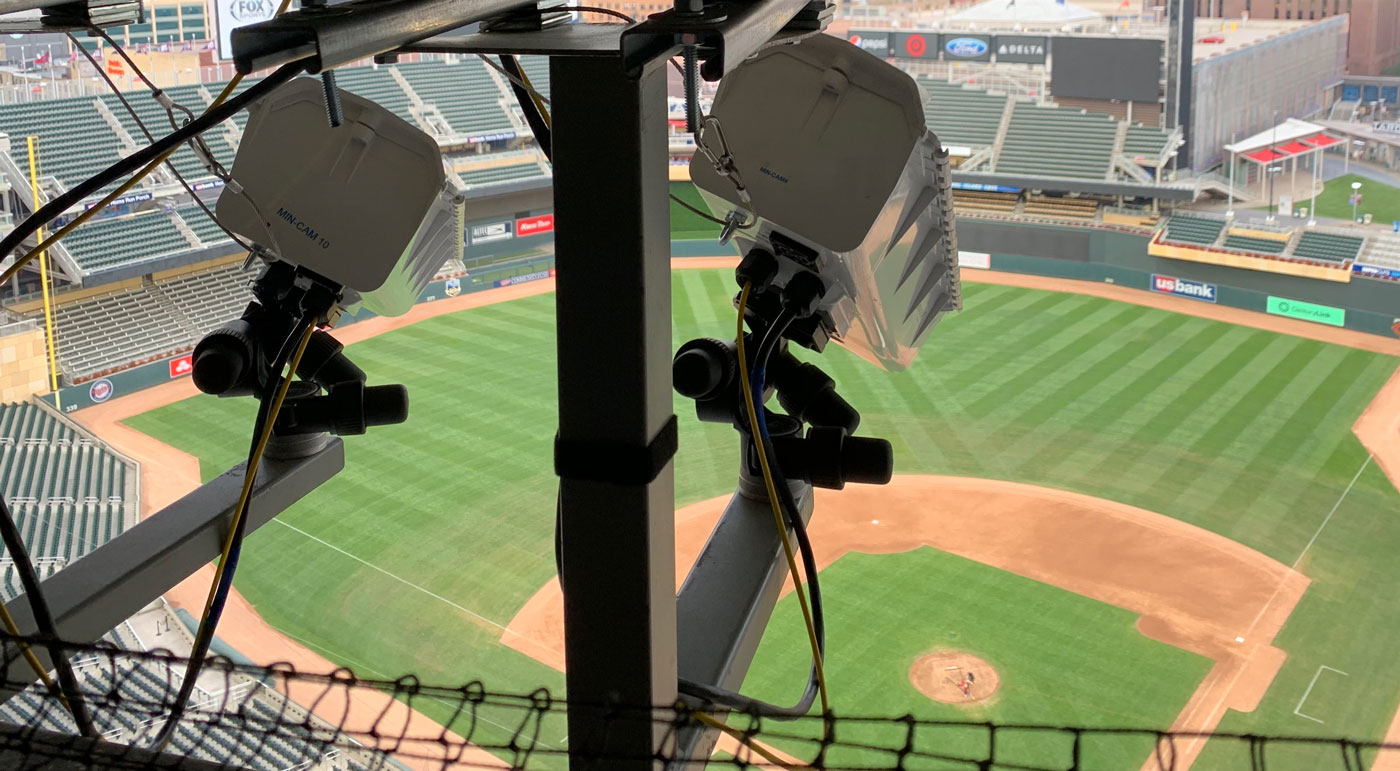
“For baseball,” Cohen relates, “Hawk-Eye initially relied on 10 cameras, but added an 11th to detect the ball’s spin and then another just because the computers could handle its data. Some of the cameras track player movements, but five focus on the ball, imaging its flight at 300 frames per second. ‘We’re now at a point with optical tracking that we’re measuring the actual orientation of the ball’s seam,’ says Matthew Gaydon, a baseball tech manager at Hawk-Eye.”
And As For Human Umps. Cohen concludes, “Besides making the umps’ job less contentious, the ABS system has given them some heartening news. MLB’s comparisons of human pitch calls with automated ones showed that this season, human umps were correct 93.5% of the time. Martinez, the former MLB pitcher, isn’t surprised. ‘Everybody, even more so now than ever, appreciates the jobs the umpires do back there.’ ” ds
© Dennis Simanaitis, SimanaitisSays.com, 2026

