
Simanaitis Says
On cars, old, new and future; science & technology; vintage airplanes, computer flight simulation of them; Sherlockiana; our English language; travel; and other stuff
ANOTHER ABSURDITY CONCERNING DATA CENTERS PART 2
YESTERDAY IN PART 1, WE BEGAN A DISCUSSION about powering data centers with second-hand turbines from scrapped jet aircraft. Today, The New York Times’ Hiroko Tabuchi continues her analyses; we continue gleaning tidbits.

The Wrong Direction Environmentally. Tabuchi relates, “Environmentalists say that reusing older and less efficient jet engines is a step backward. Patrick Anderson, an attorney with the Southern Environmental Law Center, said electric generation—particularly for something as futuristic as A.I.—’should be getting cleaner over time, not dirtier.’”
Tabuchi continues, “His group has challenged Mississippi’s approval of xAI’s turbines. It says the manufacturer of the jet-powered generators has provided no guarantees or documents showing they meet emissions standards for pollutants like formaldehyde. It also accuses xAI of undercounting its projected emissions.”
Tabuchi notes, “The group, on behalf of the NAACP, also sued xAI this year for running a separate batch of gas generators without permits, and for exposing a predominantly Black community to air pollutants. More than 100,000 people live within five miles of xAI’s data-centers on the Mississippi-Tennessee border, according to 2020 census data.”
Other Tidbits Gleaned. A search of the Internet identifies a large data center needing 100 megawatts or more of electric power, equivalent to some 20,000 homes. A super-size data center can require 1 gigawatt (i.e., 1000 megawatts).
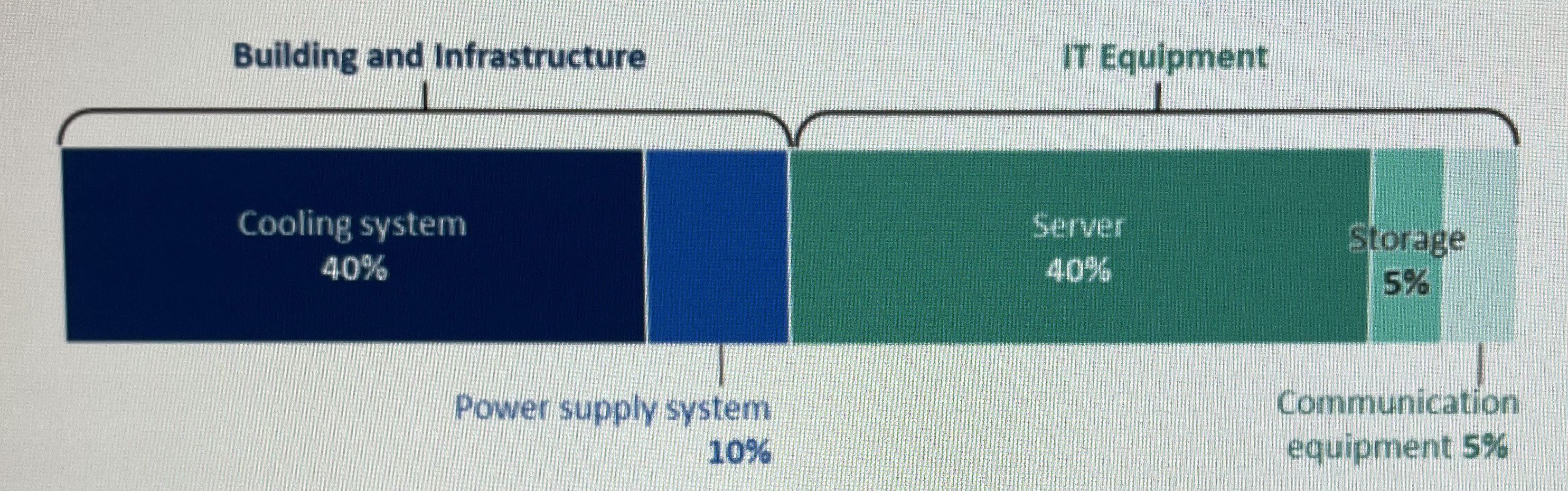
The U.S. Congress’ Data Centers and Their Energy Consumption: Frequently Asked Questions offers another tidbit: “Roughly one-half or greater of the electric power demand of data centers stems directly from the operation of electronic IT equipment. Much of the rest is for cooling.”
Water is an important aspect of its cooling as well.
Short-Term Thinking. Tabuchi relates, “The speed at which jet engines can be quickly turned into generators ‘is the main consideration today,’ said Professor Paniagua-Perez of Purdue. ‘But in a year or two, I think people will start caring more about fuel cost and efficiency,’ he said. ‘Emissions will also become very important.’”
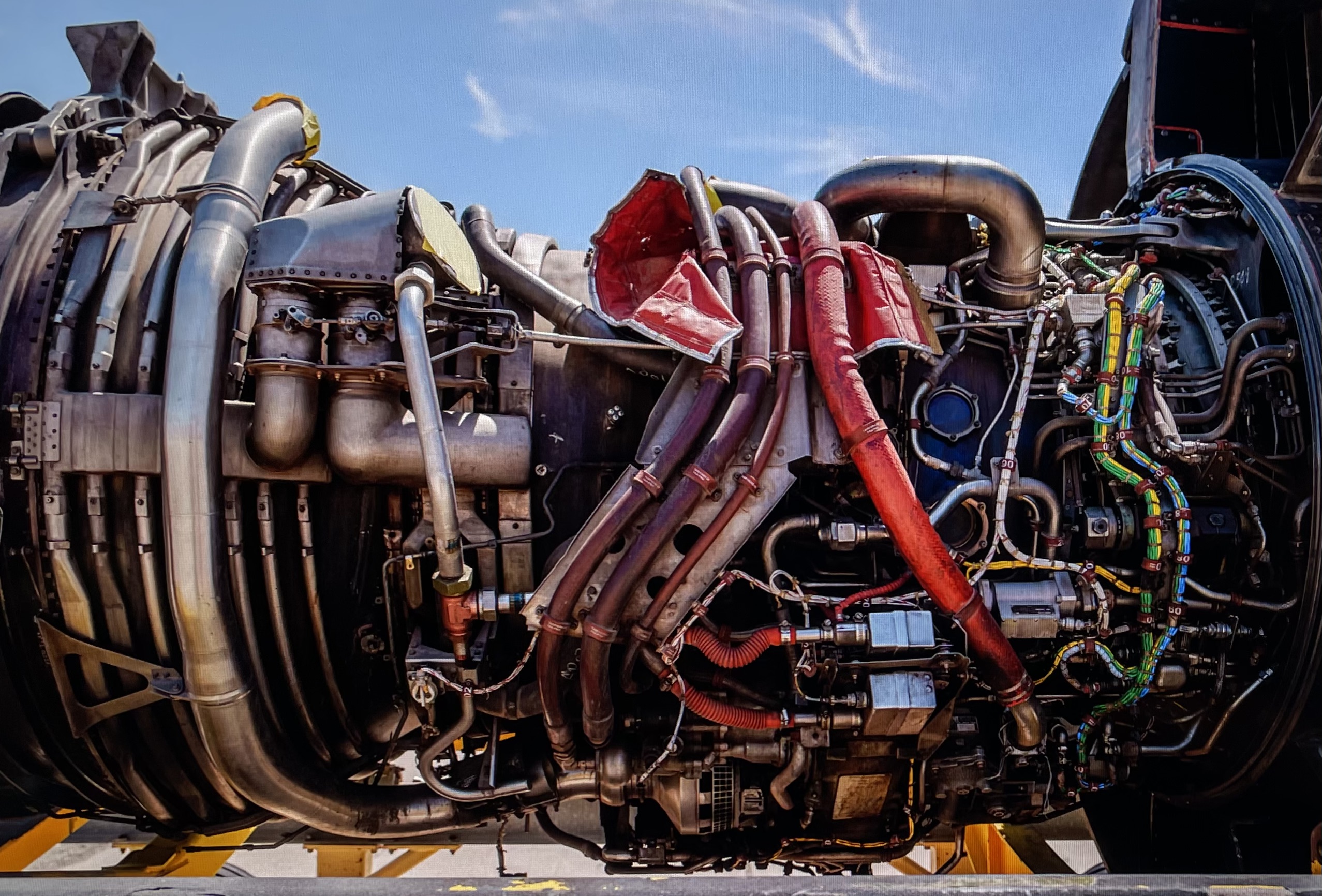
Tabuchi continues, “Scott Marchand, an aviation expert who runs the Pima Air and Space Museum, said ‘repurposing aircraft engines isn’t new. Piston engines have been used as irrigation pumps, for example. But the use of converted jet engines as primary sources of power for a facility as gargantuan as an A.I. data center was unprecedented,’ he said.”
“He also wondered how practical it really will be. ‘You’re going to have to have a monstrous array of engines that are really expensive to maintain, expensive to feed and generate an awful lot of heat themselves,’ he said.”
“Despite concerns like these,” Tabuchi recounts, “the Trump administration is encouraging rapid installation of generators of all kinds at data centers.”
Taabuchi relates, “A few months ago, in an extraordinary court intervention, the Trump administration sided with xAI against a legal challenge by environmentalists against the company’s generators, telling a judge that citizens’ groups shouldn’t be allowed to bring environmental lawsuits. In its filing, the administration said the lawsuit threatened national security by undermining Mr. Trump’s goal of ‘global A.I. dominance.’ ”
What?? Citizens’ groups can’t bring environmental lawsuits?? And how often have we heard “national security” used for one action or another?
By contrast, I thank The New York Times’ Hiroko Tabuchi for bringing our attention to this matter. ds
© Dennis Simanaitis, SimanaitisSays.com, 2026

