
Simanaitis Says
On cars, old, new and future; science & technology; vintage airplanes, computer flight simulation of them; Sherlockiana; our English language; travel; and other stuff
ΟΙ ΠΟΛΛΟΙ, PLEBS, THE MASSES PART 2
PROFESSOR EMMA DENCH GOT US STARTED with her review “How to Keep Count,” London Review of Books, November 5, 2026. Here in Part 2 we continue learning more about plebs, Roman common folk in Kim Bowes’ Surviving Rome: The Economic Lives of the 90 Per Cent.
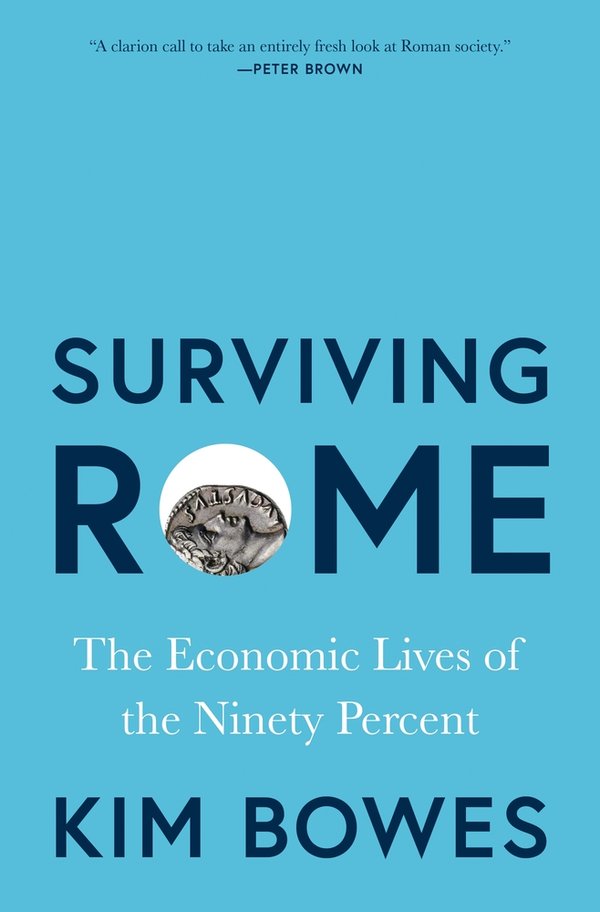
What’s For Supper? Professor Dench recounts, “Excavations from Pompeii and Herculaneum, which began in the 18th century, have unearthed everything from loaves of bread, fish bones and food served in ancient cookshops to shackles and sleeping quarters that doubled as places to store farm equipment, not to speak of the bodies of individuals and groups, along with whatever they were carrying…. For example, we can now gauge Romans’ relative consumption of fish and meat by measuring isotope values for carbon and nitrogen in their bones.”
Peddling Sex—Even Then. “Bowes reconstructs the strategies used by working people in the Roman world. The sources here are fragmentary, but the vignettes that open each chapter succeed in grounding her analysis in storytelling. An Italian inn sign encouraged visitors with a picture and a racy text—a joke about the relative costs of wine, food, a sex worker and hay for the mule…. A Pompeian graffito jokes that its target needs only to add ‘oral sex provider’ to complete the list of all the jobs he has held.”
Counting Cash. “Finger-counting systems, illustrated in ancient reliefs and paintings, enabled transparent transactions and complex arithmetic. The table abacus could be set on any flat surface or could be improvised with pebbles or other small objects as counters.”
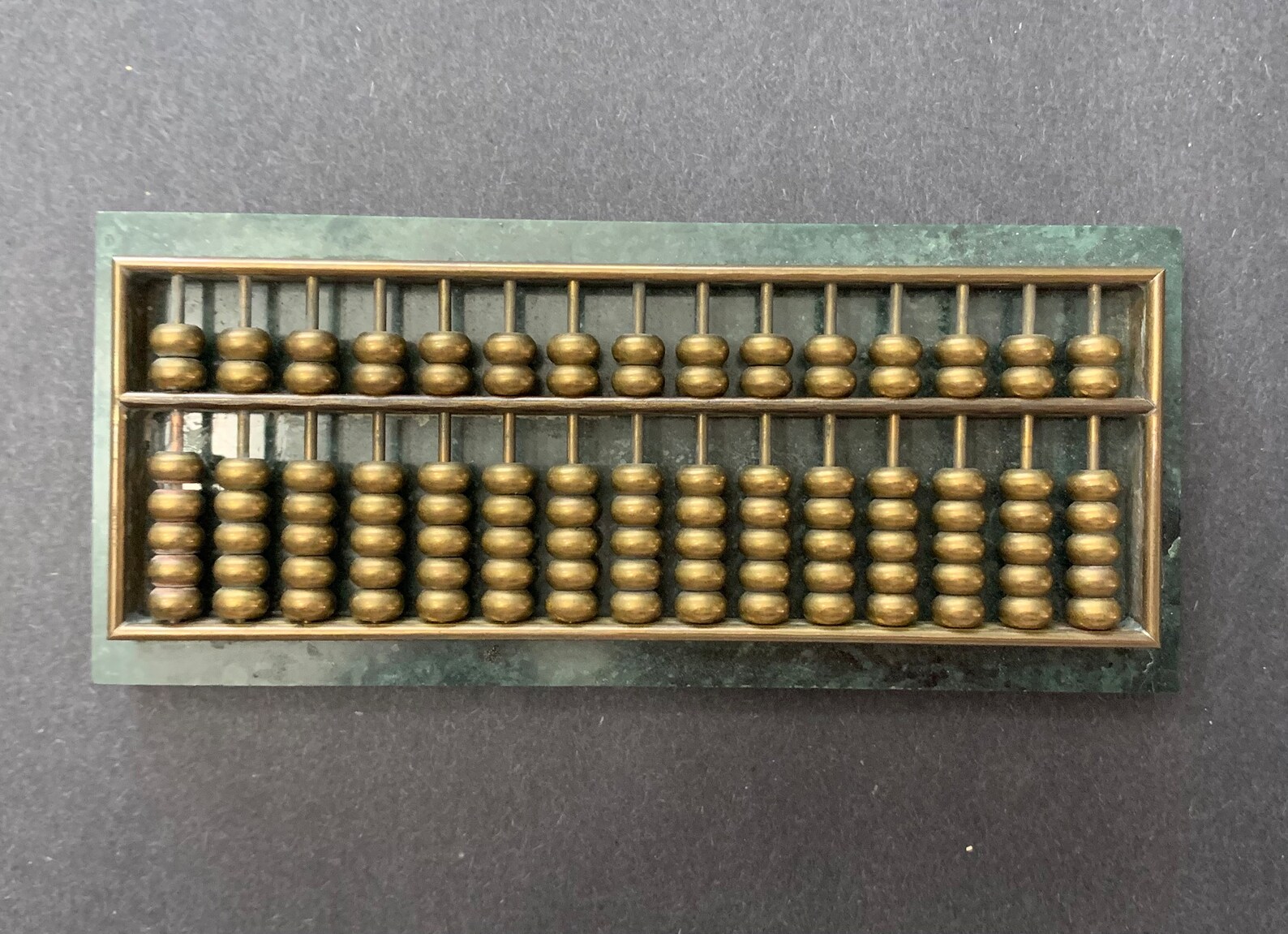
“Ordinary people in the Roman Empire rarely tracked incoming and outgoing amounts in the same place, but they did assiduously record them, scribbling numbers on scraps of papyri, potsherds, wood tablets and walls, or in more formal documents that were written and notarised by the village scribe.”
Taxes Too. “Some of this care was a result of living under the watchful eye of the imperial authorities, and a consequent nervousness about proving that taxes had been paid.”
Of course, Mary and Joseph’s trip from Nazareth to Bethlehem was part of this.
Keeping Food On The Table. “Poorer inhabitants of the empire might depend more heavily on the grain doled out to citizens, and the truly destitute on soup kitchens, like the Jewish one in Galilee that Bowes discusses. Less fortunate working people were paid mainly in food; this was the case for both free and enslaved miners in the quarries of Mons Claudianus in the Eastern Desert of Egypt.”
Seeking Variety. “People tried to add to the basic diet: the Egyptian miners probably ate very little meat or fish but supplemented their rations with vegetables grown in the quarry gardens.… The soldiers stationed at Vindolanda loved bacon, as we know from accounts logged on the surviving wooden tablets, while the couple who itemised their expenses on their trip to Pompeii splashed out on a fancy dinner with sausages and steak, but otherwise ate bread, cheese and leeks (along with wine and oil). ‘Bread for slave’ was separately itemised.”
Dressing Up. “Cato the Elder’s second-century bce treatise On Agriculture recommends that slaves be provided with a tunic, a cloak and a pair of clogs every other year, while their masters should be sure to take the old clothes away to make patchwork out of them.”
See “separate” itemizing above.
“For those who had more choice, clothes were an obvious measure of status, and the desire for many sets of clothing in the finest possible materials is attested by dowry agreements and wills, as well as by the thriving markets for new and second-hand clothes and the surprisingly brightly coloured and patterned socks, hats, tunics and cloaks preserved in the drier parts of ancient Judaea and Egypt.”
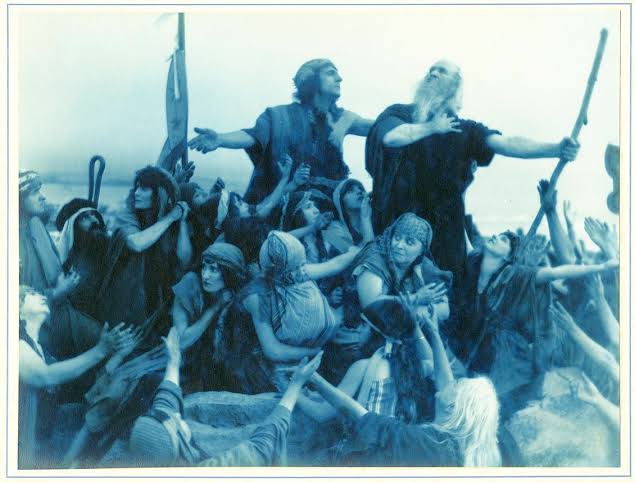
Sorry, I’ve been corrupted by biblical epics shot in b/w.
Maintaining the Hustle. “Adding in taxes (lower than might be expected), rent (on the high side), services and amenities (a trip to the baths could cost a small fortune), it was expensive to maintain a decent lifestyle, and ordinary Romans typically managed it by juggling resources, making the most of what the land produced and holding multiple jobs… There are occasional glimpses of different values and perspectives, such as Shabbat restrictions or the Jewish charity running a soup kitchen, but many things are constant, such as the desire to improve one’s home—evident in country-dwellers as well as in those living in towns.”
Little Interest in Politics. “Although the empire’s interest in counting and monitoring people and their property was occasionally refracted in ordinary people’s concern with their own accounts, we don’t really see Bowes’s subjects actively participating in politics, even in well-documented initiatives such as petitioning Roman officials or advocating for the election of local magistrates.”
No wonder. As Dench notes, “Bowes evokes an unromanticised but recognisable world of hustling, risk and exploitation.” ds
© Dennis Simanaitis, SimanaitisSays.com, 2026

