
Simanaitis Says
On cars, old, new and future; science & technology; vintage airplanes, computer flight simulation of them; Sherlockiana; our English language; travel; and other stuff
ENJOY A DANISH BOLLE MED OST
THIS MAY SEEM LIKE TAKING kalsarikännit, Slow TV, and other Nordic eccentricities to yet another extreme, but Amelia Nierenberg describes “It’s Sliced Cheese on Bread. And It’s Rocking Copenhagen’s World,” The New York Times, October 19, 2026.

Note a NYT disclosure: “Amelia Nierenberg, who feels icky after eating both lactose and gluten, braved Copenhagen’s bakeries to report on this article.” Skål for hende!
Simple But Complex. Amelia recounts, “Copenhagen is famed for its innovative gastronomy and elaborate dishes. But these days its hottest food is its most basic: just bread, butter and hard cheese. And Copenhagen’s top bakeries are in a dead heat to make the best one around.”
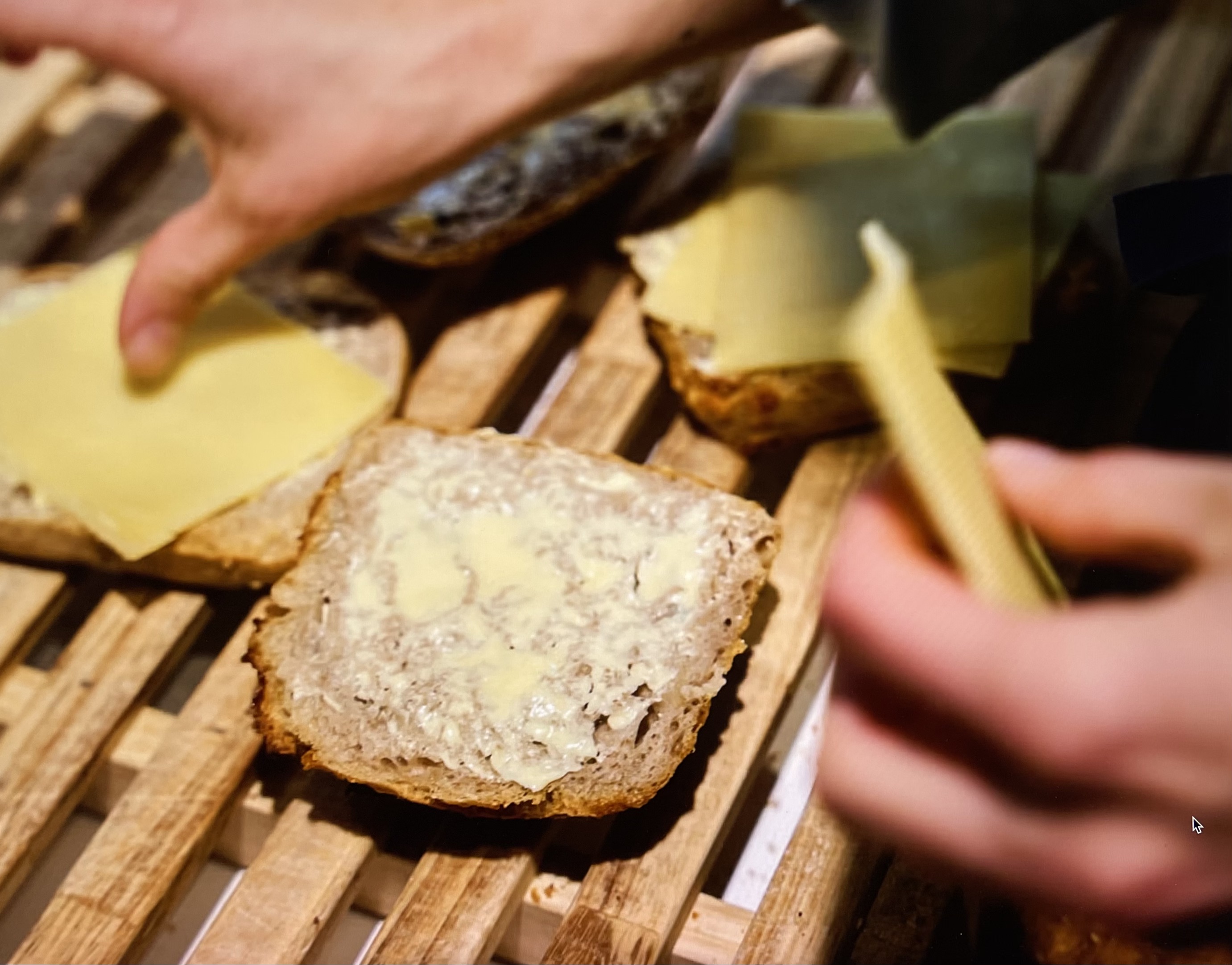
“It’s called a bolle med ost (bun with cheese), shortened by many to BMO, an abbreviation that was entered into the biggest Danish dictionary this year.”
Preferably Open-Faced. “Often served open-faced,” Amelia is advised, “this sort-of-sandwich is all about the fundamentals—sparer than smorrebrod and a test of how sublime the simple can be. That’s a 180 from the best-known Danish cuisine, which has been foraged, fermented and tweezered into submission over the last two decades.”
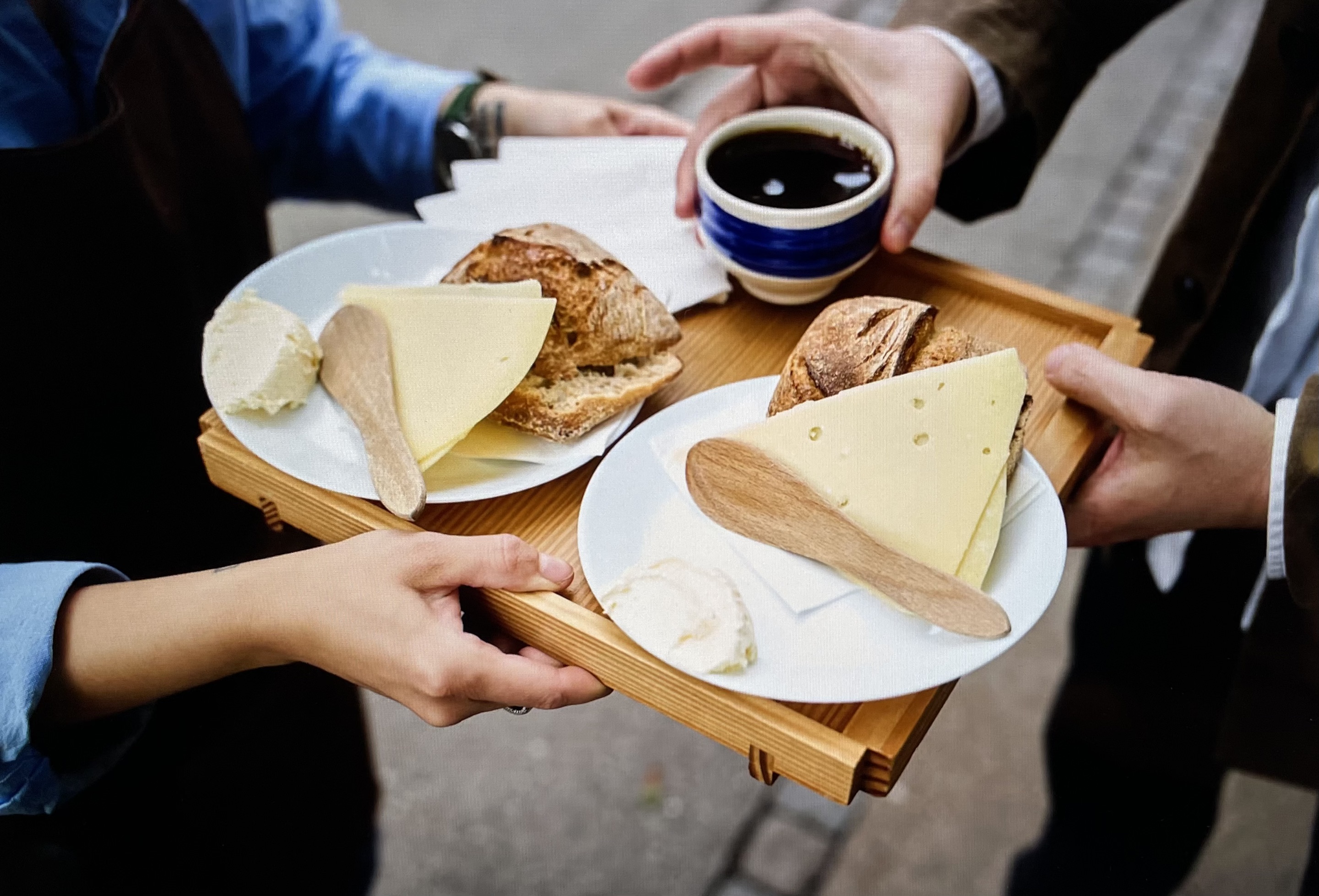
Anne-Sophie Lahme, a Danish trend researcher who focuses on food tells Amelia, “You can’t pretend with BMOs. You can’t fake it. It has to be really, really good.”
The Cheese. “A beloved Danish cow’s cheese called Gammel Knas? Comté?,” Amelia asks. “Should that cheese be presliced or sliced to order?”
Hmm. My favorite dagens ost (formage du jour) is Trader Joe’s White Stilton Cheese With Apricots. However, it’s soft and crumbly, not sliceable, and seems utterly unsuitable. I do enjoy Comté. And a sliced swiss (the kind I put on a pastrami sandwich/quesadilla) would be suitable.
The Bread. “Bread is not just bread in Denmark,” Amelia observes. “In July, the Danish newspaper Politiken joined the fray and published a ranking of the city’s 50 best BMOs. ‘This is how all Copenhageners tell the quality of a bakery,’ said David Dyrholm, the critic who masterminded the list. He’d pitched the project almost as a joke. But to his delight, his editor loved the idea, and Mr. Dyrholm found himself surprised by the variety.”
He asks, “What type of flour did any given bakery use? Did they mill their own? How long does it ferment. Did they roll the bun in seeds or cornmeal?”
My European travels convince me that their bakeries are superior to those found in our supermarkets. Sorry…. And while I enjoy Trader Joe’s Cranberry Scones, they lack the crunchiness of those shown in Amelia’s article.
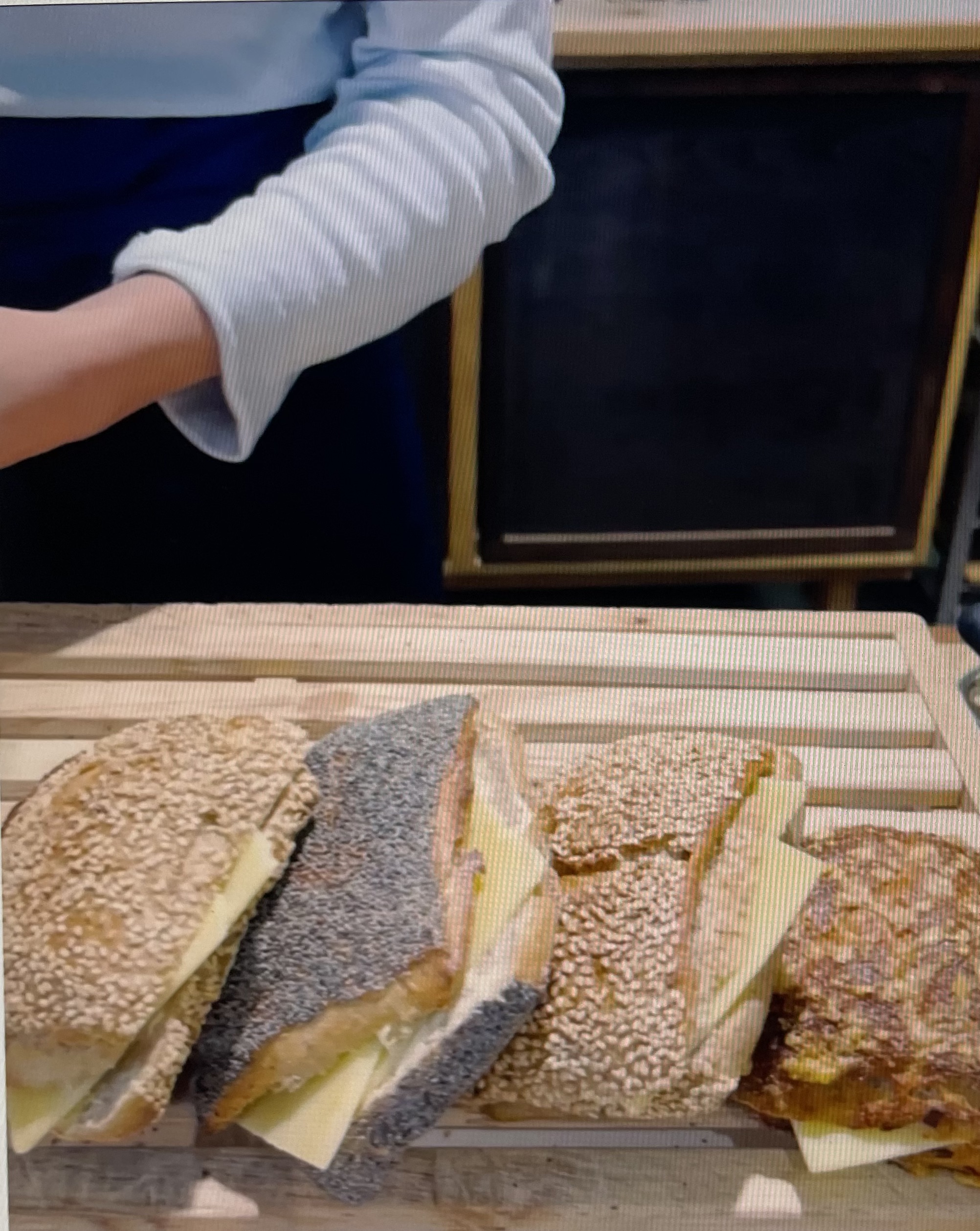
I know where to buy my favorite bagels (which also seem inappropriate in BMOs.) I need to do a similar search for buns. And lightly toasted sourdough may be given a try.
The Butter. I suspect there are scads of favorite Danish butters (I believe they’re imported here as well). Dyrholm asks, “And should the butter be salted? Browned? Whipped?”
However, my dagens smør (beurre du jour/boter van de dag) is Les Prés Salés Camargue, butter with coarse sea salt from Celles, Belgium. It would be my fav for BMO as well.
Open-Face or Sandwich? Amelia relates, “Even though a bolle med ost can be snarfed one-handed, it’s not. At least not by any self-respecting Copenhagener. I found this out the hard way. I’m from New York City. I can knock back a slice of pizza in a minute flat. So with the first few BMOs I tried, I combined them into a sandwich, and ate quickly and efficiently with both hands.”
“ ‘That’s the burger method,’ said Mr. Dyrholm, the Politiken critic. Two friends set me straight. ‘It’s just, like, very, very important that you eat it like this,’ said Emma Toft Kromann, holding it open-faced. ‘If you see someone eating it like a burger, you know they’re not from here,’ added Ophelia Ernland.”
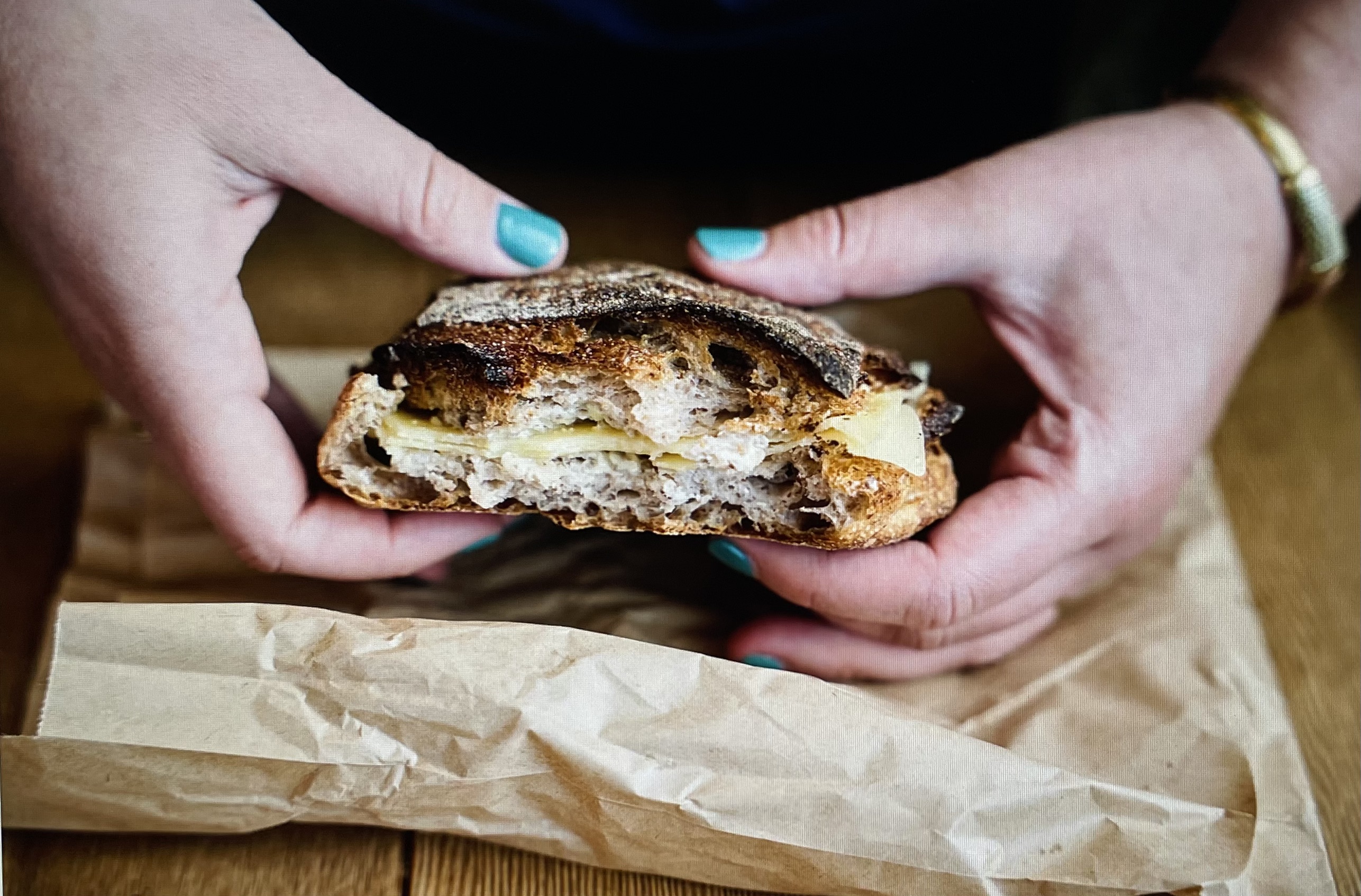
BMO Origins. Amelia observes, “The nouveau-BMOs first appeared a few years ago, in a post-peak-pandemic onslaught of bread-baking. Sourdough starters passed between friends and new bakeries opened, street by street. At some point, the abbreviation was born, and quickly proved divisive. To skeptics, the nickname sounds a lot like gentrification—dressing up a beloved family food in frippery.”
Its Classic Cheese. Amelia recounts, “The cheese Gammel Knas almost tells the story of the trend on its own. By 2024, BMOs had become so popular that Gammel Knas supplies began to run low. Danish newspapers reported a ‘cheese crisis.’ Customers raced to stores.”
Amelia relates, “Gammel Knas needs to mature for more than 24 months to develop its signature crunchy protein crystals. But new bakeries kept opening and demanding more cheese. For months, Sofie Biltoft-Riis, the director of Arla Unika, the company that produces that cheese, was in meetings about how to deal with the BMO skyrocket.”
“ ‘My phone was ringing day and night,’ she said. ‘The whole country went quite crazy.’ ”
Don’t you love a country that can do this with such good reason? ds
© Dennis Simanaitis, SimanaitisSays.com, 2026


Un sweetened bread and cheese ~ you’re making me hungry this morning Sir .
-Nate