
Simanaitis Says
On cars, old, new and future; science & technology; vintage airplanes, computer flight simulation of them; Sherlockiana; our English language; travel; and other stuff
MERRIAM-WEBSTER TIME TRAVELER PART 1
MY USUAL ONLINE DICTIONARY, MERRIAM-WEBSTER, has a new feature: Its Time Traveler. “The First Known Date,” M-W describes, “will appear in one of three styles: For the Old English period (700-1099), ‘before 12th century’; For the Middle English period (1100-1499), (e.g., “14th century”); For the Modern English period (1500-present), by year (for example, “1942”).

1942, Eh? An interesting example for me personally, as I was born about 5/6 of the way through that year. The list for 1942 is an extensive one, which I arrange into four categories: Wartime, Now You Know, Er… Ah…, and Thanks But No Thanks. Here, in Parts 1 and 2 today and tomorrow, are tidbits gleaned from definitions of several words in the first three of these categories. (And see if my choice of words and categories agrees with yours.)
Wartime. 4-F, boffin, buzz bomb, screaming meemies, and, ominously, uranium 238.

4-F. Wikipedia describes draft classifications of the Selective Training and Service Act of 1940. These were Class I: Available for military service; Class II: Deferred because of occupation; Class III: Deferred because of dependency; and Class IV: Unacceptable for military service. Each of 1 through 4 had a bewildering list of subcategories.
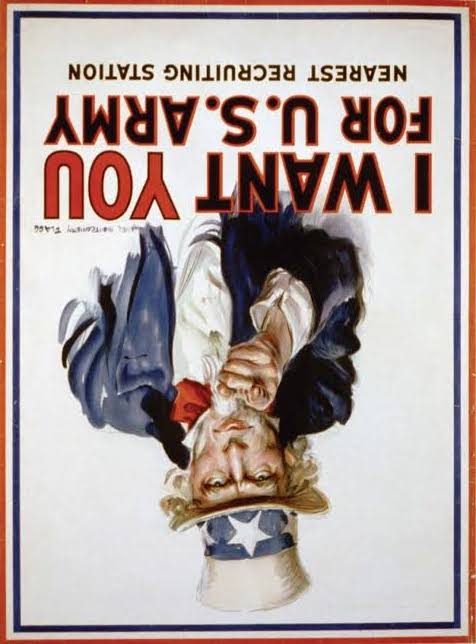
M-W describes 4-F as “unfit for military service.” The 1940 Act defines it as “Rejected for military service, through physical, mental, or moral reasons.” Later variations include 4-F (H), for example, described as “Rejected for military service, physical, mental, or moral reasons, and age 38 to 44 inclusive.”
Boffin. M-W described a boffin as “chiefly British, a scientific expert, especially one involved in technological research.” Boffins, for example, would have populated Bletchley Park (which, curiously, isn’t included among M-W entries of any era).
Buzz Bomb. M-W describes this Nazi weapon as “an unguided jet-propelled missile used by the Germans against England in World War II.”
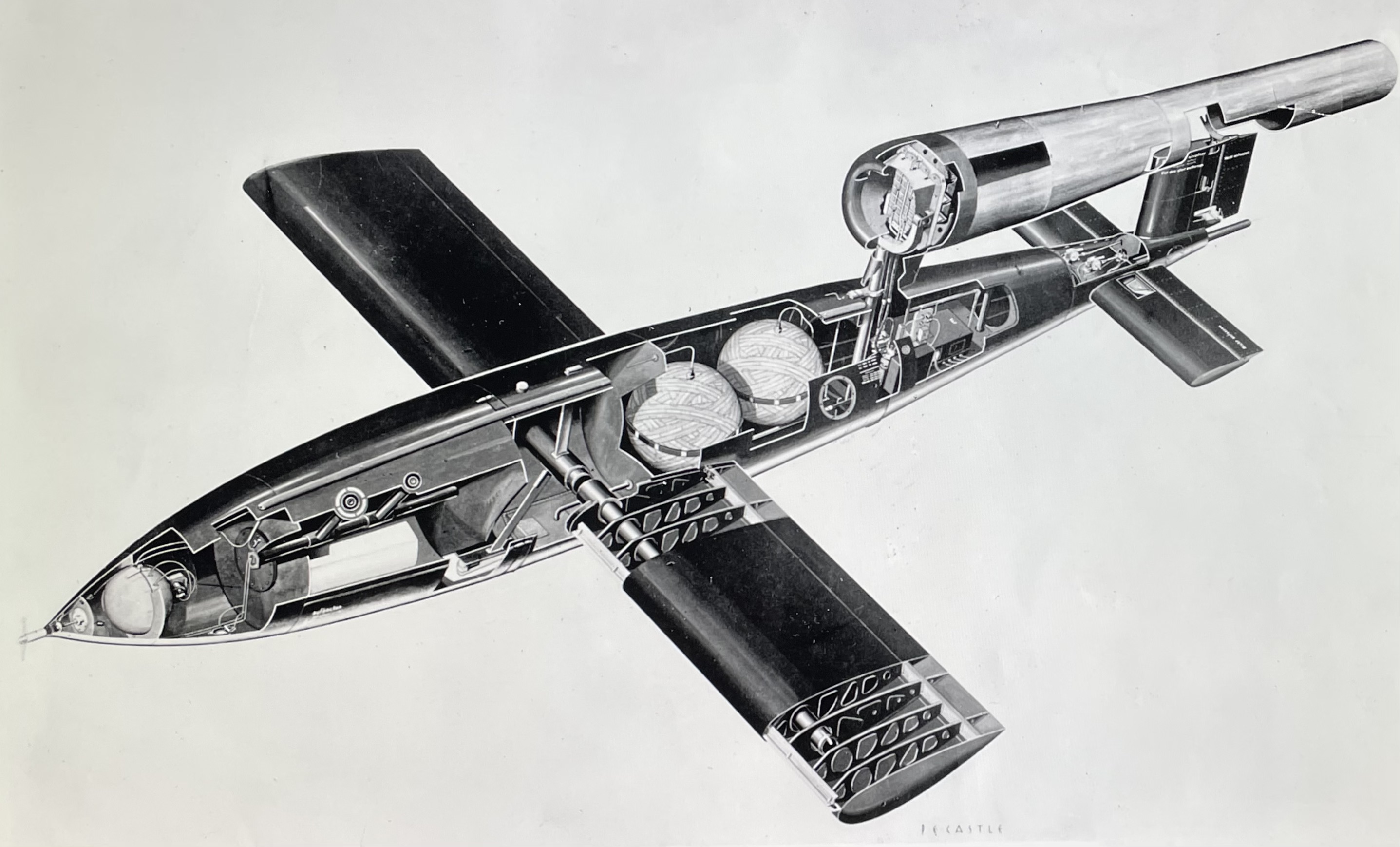
SimanaitisSays amplifies, “The V-1 buzz bomb, the Fieseler Fi 103, got its name from its Argus pulsejet operating at around 50 Hz. And, in fact, the buzz bomb’s fuel was low-grade gasoline.”
Screaming Meemies. M-W recounts, perhaps as a reaction to buzz bombs, screaming meemies were “a heightened state of panic or anxiety : JITTERS.”
Uranium 238. As early as 1942, M-W identified uranium 238 as “an isotope of uranium of mass number 238 that is the most stable uranium isotope, that constitutes over 99 percent of natural uranium, that is not fissile but can be used to produce a fissile isotope of plutonium, and that has a half-life of 4.5 billion years.”
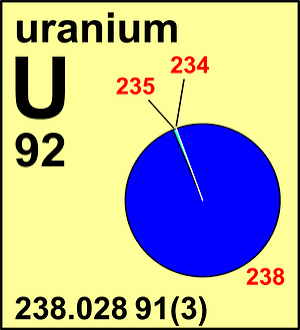
The Max Planck Institute For Chemistry recounts “Nuclear fission was discovered at the Kaiser Wilhelm Institute for Chemistry in December 1938.”
We’ll continue tomorrow in Part 2 with M-W words from 1942 that I’ve arbitrarily categorized as Now You Know and in Er… Ah… ds
© Dennis Simanaitis, SimanaitisSays.com, 2026

