
Simanaitis Says
On cars, old, new and future; science & technology; vintage airplanes, computer flight simulation of them; Sherlockiana; our English language; travel; and other stuff
BROWSING ANECDOTALLY PART 2
YESTERDAY WE BEGAN THE SORT OF RESEARCH I LOVE: Seeking and sharing cleverness of other folks. Let’s continue today with more of The Little, Brown Book of Anecdotes, Clifton Fadiman General Editor.
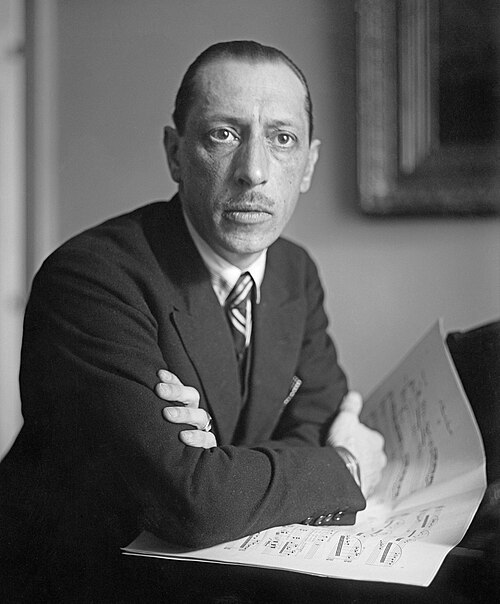
Composers’ Confusion. Fadiman recounts, “A lady approached Igor Stravinsky and told him that, of all his works, she liked Scherazade best. ‘But, madame, I did not compose Scherazade,’ he protested. ‘Oh,’ said his admirer, ‘don’t be so modest.”
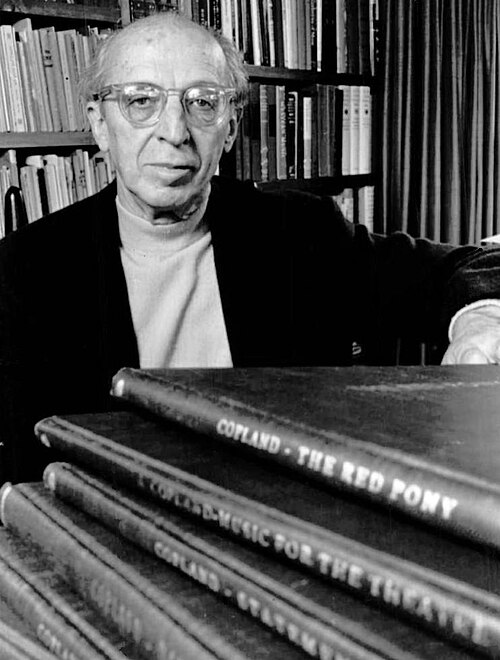
Another along similar lines: “Browsing in a bookshop one day,” Fadiman relates, “Aaron Copland noticed a woman buying a copy of his book What to Listen for in Music, together with a paperback edition of a Shakespeare play. As the customer left the shop, Copland stopped her and asked, ‘Would you like me to autograph your book?’ Looking blankly into the composer’s beaming face, the woman asked, ‘Which one?’ ”
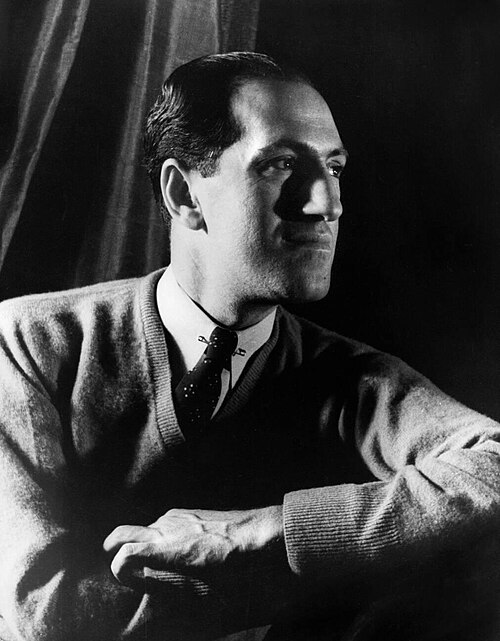
Rating Musical Excellence. Fadiman recounts, ‘Oscar Levant complained to Gershwin that when they traveled together on trains he always had to take the upper berth while Gershwin had the lower. ‘That’s the difference between talent and genius,’ said Gershwin.”
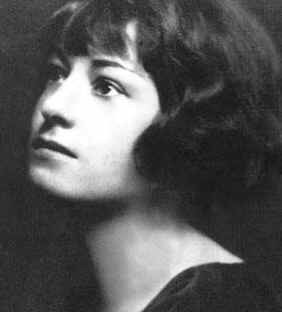
Dorothy Parker, 1893–1967, American poet, literary critic, writer, member of the Algonquin Round Table.
Back to Dorothy Parker. “At one time,” Fadiman relates, “Dorothy Parker had a very small dingy cubbyhole of an office in the Metropolitan Opera House building in New York. As no one ever came to see her she became depressed and lonely. When the signwriter came to paint her name on the office door, she got him to write instead the word ‘GENTLEMEN.’ ”
Along similar lines (and possibly about the same office), Fadiman cites that “The office [Robert] Benchley shared with Dorothy Parker in the Metropolitan Opera Building was so tiny that Benchley observed of it, ‘One cubic foot less of space and it would have constituted adultery.’ ”
“Dorothy Parker once attended a party with Somerset Maugham where the guests challenged each other to complete nursery rhymes. Maugham presented Parker with the lines ‘Higgledy piggledy, my white hen/she lays eggs for gentlemen.’ Dorothy added the following couplet: ‘You cannot persuade her with gun or lariat/To come across for the proletariat.’ ”
My Fav. “Looking at a worn-out toothbrush in their hostess’s bathroom, a fellow guest said to Dorothy Parker, ‘Whatever do you think she does with that?’ ‘I think she rides it on Halloween,’ was the reply.”
A Defining Comment. Clifton Fadiman turns to B.A. Botkin’s A Treasury of American Anecdotes: “Nicholas Murray Butler and Professor Brander Matthews of Columbia University were having a conversation and Professor Matthews was giving his ideas as to plagiarism, from an article of his own on that subject. ‘In the case of the first man to use an anecdote,’ he said, ‘there is originality; in the case of the second, there is plagiarism; with the third it is lack of originality; and with the fourth it is drawing from a common stock.’ ‘Yes,’ broke in President Butler, ‘and in the case of the fifth, it is research.’ ”
I surely love research. ds
© Dennis Simanaitis, SimanaitisSays.com, 2026


I find it so sad that so many think reading is a waste of time, this article is wonderful .
-Nate