
Simanaitis Says
On cars, old, new and future; science & technology; vintage airplanes, computer flight simulation of them; Sherlockiana; our English language; travel; and other stuff
A RUSH OF GOLD GLEANINGS PART 2
YESTERDAY WE BEGAN REVIEWING A BOOK REVIEW BY KATHRYN SCHULZ of Nathaniel Philbrick’s The Rush: California Gold, the Civil War, and the Making of the Modern World. Today, we continue with related trippin’.
Getting There. “To get there by land,” Kathryn Schulz describes, “you had to traverse, by foot and wagon, the Great Plains, the Rocky Mountains, the deserts and salt flats—whose fatal aridity was soon evidenced by the discarded belongings and bleaching bones of earlier parties—and, finally, the sheer walls of the Sierras, which, no matter how exhausted and emaciated both man and beast were by then, had to be crossed before the snow started falling. All told, the journey generally took half a year. Nearly one in ten did not survive it.”
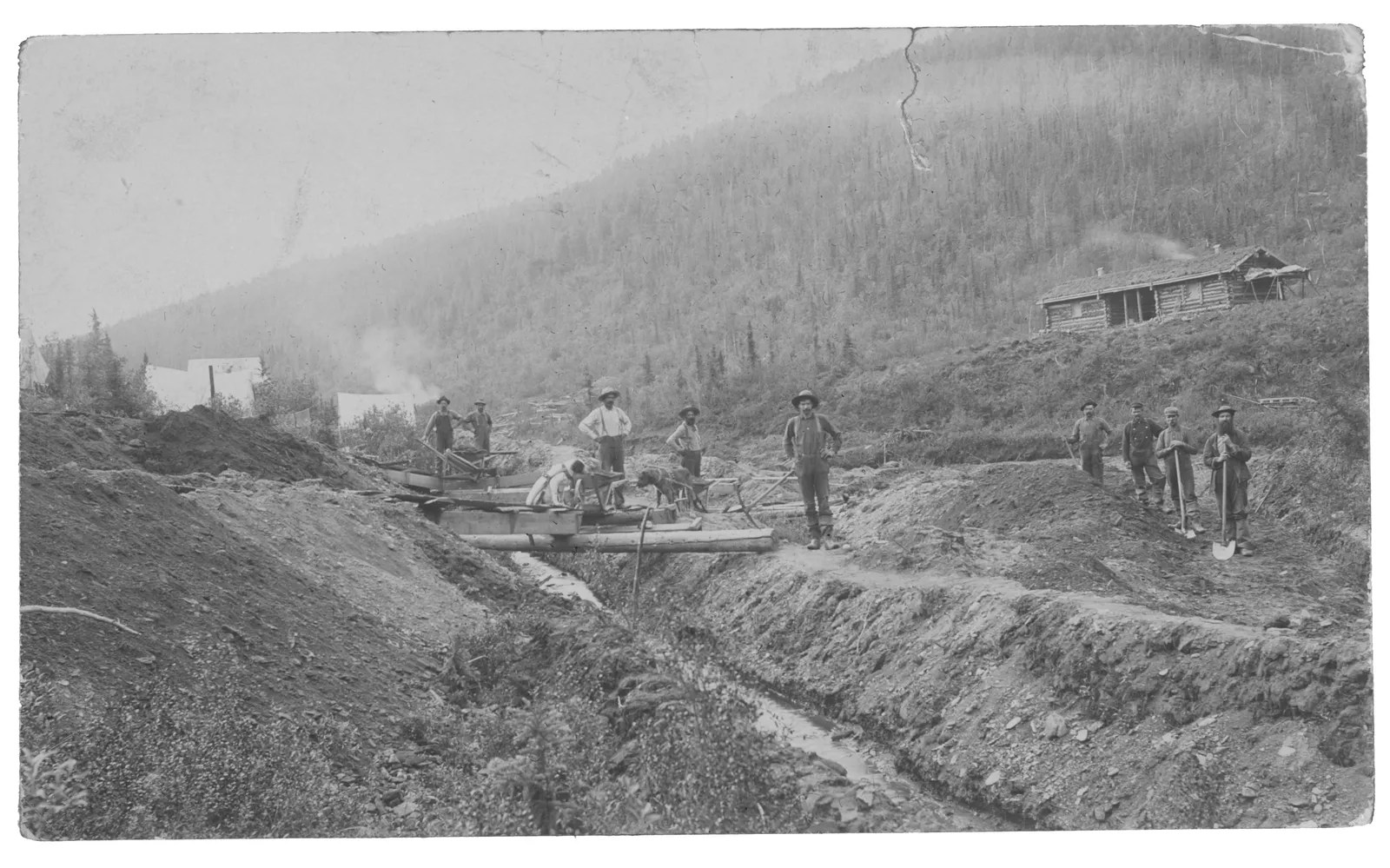
“In 1849 alone,” Schulz recounts, “more than forty thousand people travelled overland to California, while roughly the same number headed there by sea. This sometimes entailed sailing to Panama, crossing the jungled isthmus partly by canoe and partly by foot, horse, or mule, then waiting for another vessel on the Pacific side—a shorter journey, in theory, if the bottleneck wasn’t too bad and you didn’t succumb to malaria or yellow fever. Alternatively, you could do what those Nantucketers had done and set sail from the East Coast, track southward all the way to Cape Horn, pass through the terrifying waters where the world’s two largest oceans meet, then head north again, clear around the hemisphere to San Francisco. That, too, took around six months, plus an iron stomach.”
Australians, Chinese, Chileans, and French. Schulz cites, “Even Australians who wanted to get to San Francisco had less than half as far to travel as someone sailing from New York, and more than ten thousand of them soon passed through the Golden Gate. China was likewise comparatively proximate, and huge numbers of its people crossed the Pacific to reach the mines. Immigrants poured in from Latin America, too, especially Chileans, who hailed from a country rich in precious metals, and who taught many a New England lawyer and Midwestern farm boy the art of mining. Thirty thousand French people came to seek their fortunes as well; locals called them Keskadees, a corruption of ‘Qu’est-ce qu’il a dit?’—what did he say?”
Metaphors to Modern Times. To some extent agreeing with Philbrick’s thesis, Schulz concludes, “Put any group of people within striking distance of a potential source of spectacular wealth, and many of them will behave in similar ways, including moving toward it, competing for it, cheating over it, exaggerating about it, inventing new ways to extract it, creating rules to manage access to it, breaking those rules, and generally using all available means, legal and otherwise, to dominate and profit from it. ‘The Rush’ is at its best when it simply shows us this mayhem as it unfolded in a specific place and period, instigated, abetted, opposed, documented, and occasionally averted by marvellously specific human beings.”
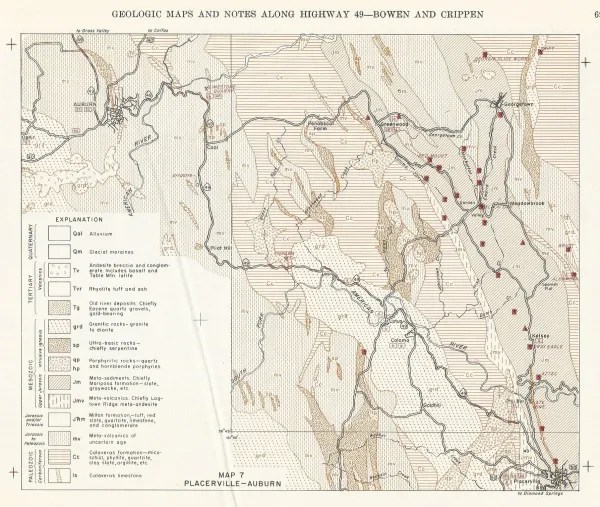
Geologic map of the region. Image from The Mother Lode Country (Centennial Edition) via “A Mother Lode of Nuggets,” SimanaitisSays, May 26, 2015.
“One sympathizes,” Schulz says, “in these dark and confusing times, with the desire for the past to illuminate the present. But the past is its own kind of gold—abundant, difficult to access, inordinately valuable—and sometimes it is enough to let it shine.”
Thanks to reviewer Schulz and author Philbrick for encouraging my personal mining of nuggets. ds
© Dennis Simanaitis, SimanaitisSays.com, 2026

