
Simanaitis Says
On cars, old, new and future; science & technology; vintage airplanes, computer flight simulation of them; Sherlockiana; our English language; travel; and other stuff
I COULDNA WRIT IT BETTER MYSELF! (INDEED, I DID A DECADE AGO!)
WORDPRESS, MY POSTINGS PROVIDER, supplies me with a memory pitch of “Cracking Open The Content Time Capsule.” Lots of fun; a few that make me cringe; and one worthy of duplication here. Sit back this Thanksgiving Day and enjoy:
HAVE YOU EVER wondered why the U.S. traditional Thanksgiving bird shares its name with a Eurasian country on the shores of the Bosphorus? Me too.
This calls for some timely research.
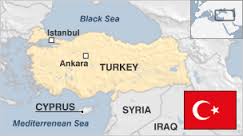
Today’s Republic of Turkey lies predominantly on the Anatolian peninsula of Western Asia; a smaller part is on the Balkan peninsula of Southeast Europe. The region has been inhabited since the Stone Age.

Turkey gets its name from the ancient Göktürks (Celestial Turks), 8th-century people of Central Asia. The English name Turkey dates from the late 14th century; it has cognates of Turquie in French, Türkei in German, Turchia in Italian and Турция in Russian.

The turkey, Meleagris gallopavo, is a North American bird related to pheasants, grouse and junglefowl found throughout the world. There are two theories about its name, both relating to mistaken identity.
One conjecture: Europeans coming to the New World mistook these birds for Turkey coqs, guineafowl already imported into Europe by Turkish merchants. The other is that Meleagris gallopavo had already been taken to the Middle East and domesticated, again, with Turkish merchants involved.
By the 17th century, the bird’s name had stuck. Shakespeare calls one of his characters “a turkey-cock in his pride proper” in Twelfth Night, written around 1601.
Other languages, though, didn’t fall for this Turkish merchant jazz. Their languages recognize that Columbus thought he had encountered India when he sailed the ocean blue in 1492. Hence, the name for Cleveland’s baseball team.
The French word for the turkey is dinde. Put in a lost apostrophe, d’inde, and its etymology is clear: “of India.” In Arabic, it’s diiq Hindi, “Indian rooster.” The Russian word for turkey is индейка, “bird of India.” And, in Turkey, they call the bird a Hindi.
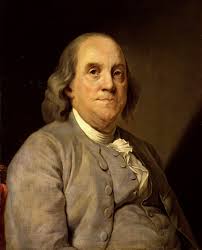
There’s a folk legend that our Founding Fathers considered the turkey, rather than the bald eagle, as our national bird. Indeed, Benjamin Franklin didn’t think much of the ultimate choice: “For my own part I wish the Bald Eagle had not been chosen the Representative of our Country. He is a Bird of bad moral Character. He is a rank coward. The little King Bird not bigger than a Sparrow attacks him boldly and drives him out of the district.”
However, balancing the score, at least a little, Wife Dottie doesn’t think much of turkeys either. When she was a three-year-old growing up on a southern California ranch, she was flogged by one.
 .
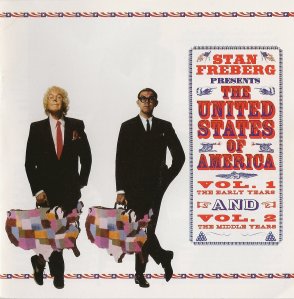
In the CD Stan Freberg Presents the United States of America, its First Thanksgiving tale relates a cook’s terrible mistake: A nice bald eagle dinner was originally planned; the turkey was the centerpiece. Too scrawny a main course? Yes, but the cook makes up for it by stuffing the turkey.
To my readers in the U.S., have a thoughtful Thanksgiving today, stuffing and all. To other readers around the world, I trust you are thankful too for whatever you enjoy at dinner, whatever you call it. ds
© Dennis Simanaitis, SimanaitisSays.com, 2016

