
Simanaitis Says
On cars, old, new and future; science & technology; vintage airplanes, computer flight simulation of them; Sherlockiana; our English language; travel; and other stuff
BROWSING ANECDOTALLY PART 1
I’M HAVING GOOD FUN WITH THE LITTLE, BROWN BOOK OF ANECDOTES, Clifton Fadiman General Editor, especially its multiplicity of indices. There’s a Source List, with 36 1/2 pages of alphabetized authors. There’s a 21-page Bibliography of two sections: Books; and Periodicals, Radio Programs, and Television Shows. There’s a 38 1/2-page Index of Names, each cross-indexing the personages cited. And a 44-page Index of Subjects, each citing those being cited.
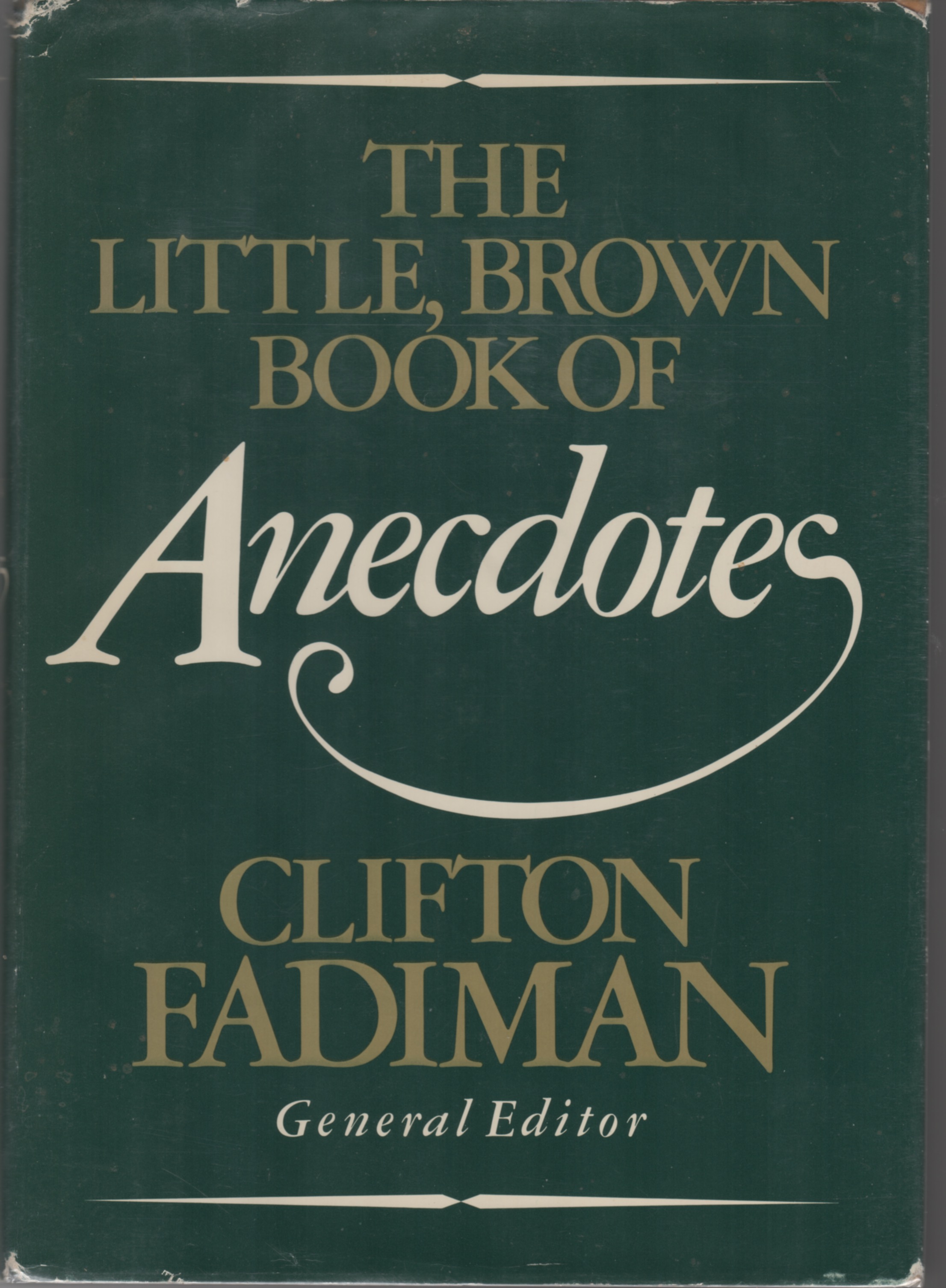
Here, in Parts 1 and 2 today and tomorrow, are tidbits gleaned from this entertaining compendium.
It’s a Browser’s Delight. For instance, seeking things said by Dorothy Parker? There are 21 of them in the main listing. Things said about Parker? 8 of them, by the likes of Asquith, Bankhead, Benchley (2), Coolidge, Kaufman, Ross, and Woollcott. In the Subjects index, Dorothy shows up in a bunch, on “actors and actresses” (items 8 and 11); “arrogance” (item 3); “audiences” (item 1); “biography” (item 20); “cats” (item 19); … all the way to “talkativeness” (item 6), “theater” (item 11), and “witches” (item 10.)
On “talkativeness”: “Dorothy Parker and a friend were talking about a forceful and garrulous celebrity. ‘She’s so outspoken,’ remarked the friend. ‘By whom?’ asked Dorothy.
Familiar, but a goodie: “Dorothy Parker wrote a report on a Yale prom at which the number and beauty of the girls present had obviously made a deep impression on her. ‘If all those sweet young things were laid end to end,’ she announced, ‘I wouldn’t be at all surprised.’ ”
What About Royalty? Everyone from Albert to Armstrong, L., to Caroline of Ansbach, to a trio of Charleses, to a pair of Edwards, three Elizabeths, a Lear, several Philips, a Victoria, and a Woollcott.
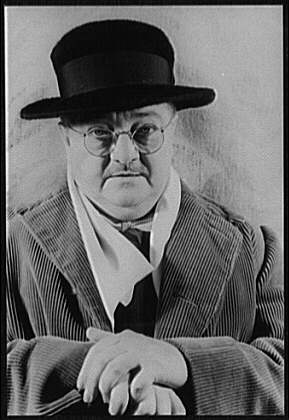
Why Woollcott? Because, Fadiman recounts, “While Woolcott was a regular contributor to The New Yorker, he attended a dinner party in London at which the guest of honor was the Prince of Wales, the future Edward VIII. The ladies had left the room and the gentlemen had started on their port and cigars, when the prince intimated that he would like a few private words with Mr. Woollcott. The gentlemen withdrew after the ladies, leaving Woollcott tête-à-tête with royalty, his head filled with visions of splendid commissions from the prince. ‘I understand, Mr. Woolcott, that you have something to do with that magazine from the States, The New Yorker,’ began the prince. Woollcott admitted that he had. ‘Then why the devil don’t I get it more regularly?’ demanded His Highness. ‘Do look into it, will you?’ Then they joined the rest of the party.

And thus Alexander Woollcott found himself listed among royalty in the Index of Subjects of The Little, Brown Book of Anecdotes.
More Suitably, Several Lizzes. Elisabeth, 1876–1965, was wife of Belgium’s King Albert 1. Fadiman notes, “She won the affection of the Belgians by her devotion to duty as a nurse during World War I. Even after King Albert’s death in a climbing accident , she exercised considerable influence over the affairs of the Belgian monarchy.”
“In 1956 Elisabeth visited Soviet-dominated Warsaw. A chief of protocol was assigned to accompany her to mass. She asked him, ‘Are you a Catholic?’ ‘Believing,’ replied the functionary, ‘but not practicing.’ ‘Of course,’ said Elisabeth, ‘then in that case you must be a Communist.’ ‘Practicing,’ Your Majesty, but not believing.’ ”
A cogent comment, I’d say.
Elizabeth the Queen Mother. “During the Blitz of London in 1940,” Fadiman recounts, “the king and queen set an example of steadfastness and devotion to duty. Queen Elizabeth was particularly affected by the sufferings and gallantry of the poor people of East London, many of whom lost their homes and all they possessed. One day Buckingham Palace received a direct hit from a bomb. The queen, surveying the damage, remarked that she was not entirely sorry. ‘Now we can look the East End in the face.’ ”
Elizabeth II’s Sense of Etiquette. Fadiman recounts, “During a visit to the Bahamas the queen’s host was seen to take a silver pencil from his pocket and use it to swizzle the bubbles out of a drink. ‘That’s all right in our company,’ said Queen Elizabeth, ‘but what happens in high society?’ ”
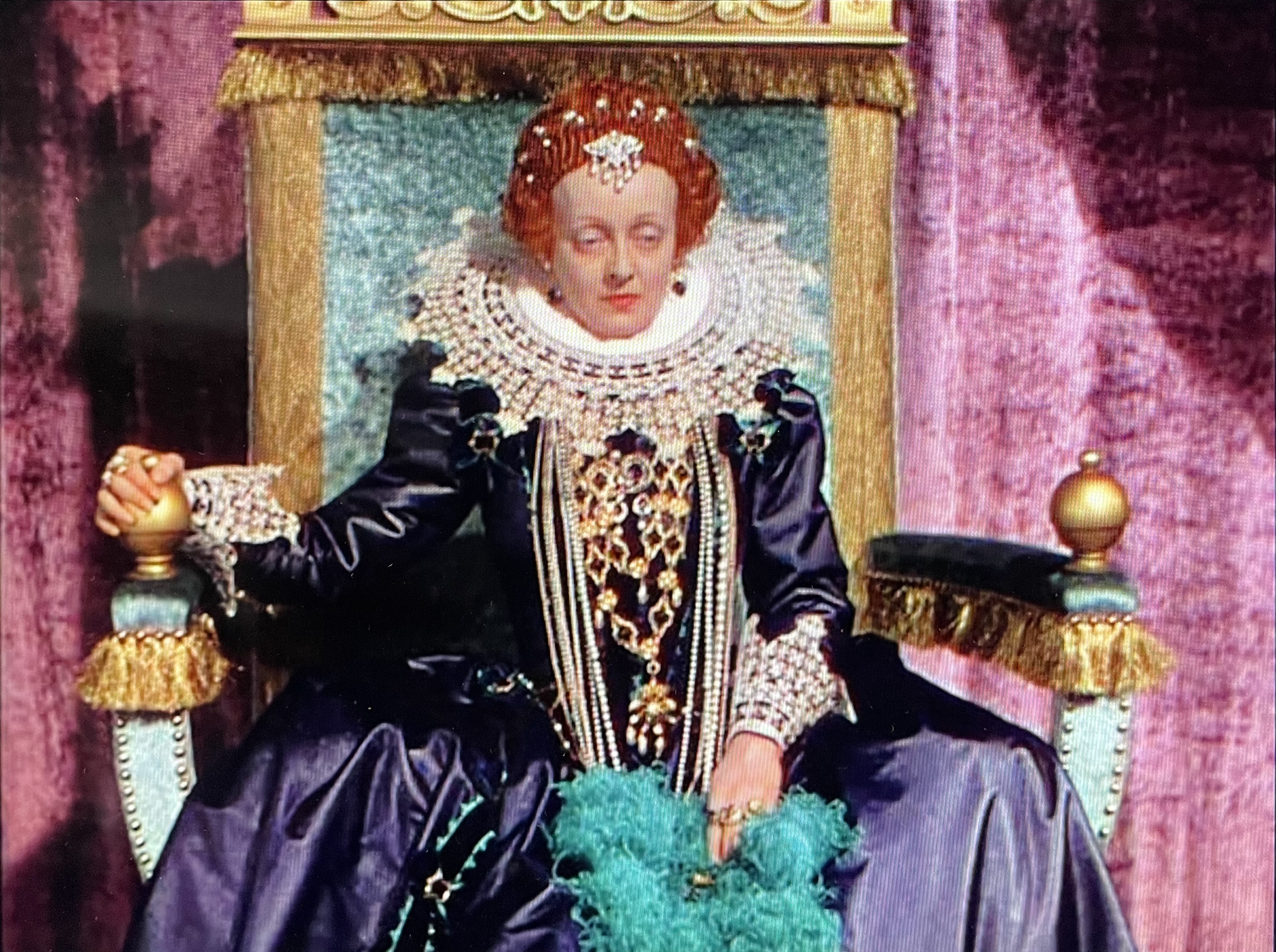
Elizabeth I’s Comeback. Fadiman describes, “Shortly after Elizabeth came to the throne, a knight who had behaved insolently toward her when she was living in disgrace and obscurity during the reign of her half-sister Mary threw himself at her feet to beseech her pardon. Elizabeth gestured to him to rise, dismissing him with the words, ‘Do you not know that we are descended of the lion, whose nature is not to prey upon the mouse or any such small vermin?’”
Tomorrow in Part 2, we’ll continue this gleaning. Call it “research,” if you like.
© Dennis Simanaitis, SimanaitisSays.com, 2026

