
Simanaitis Says
On cars, old, new and future; science & technology; vintage airplanes, computer flight simulation of them; Sherlockiana; our English language; travel; and other stuff
BALTIC MATTERS
ISAAC STANLEY-BECKER DESCRIBES “THE NEXT FRONT,” The Atlantic, November 2026: “The Baltics,” he writes, “are getting ready for a Russian attack.”

Here are tidbits gleaned from The Atlantic article, together with usual Internet sleuthing about my ancestral homeland. I encourage you to read the complete Stanley-Becker article. See also Tom Stevenson’s “The Russians Are Coming,” London Review of Books, October 8, 2026; a different country, Estonia; a similar theme.
This Has Happened Before. Stanley-Becker recounts, “The Second World War brought Soviet and Nazi invasions, and the postwar Soviet occupation threatened to extinguish Lithuania entirely. (‘Lithuania is beautiful without the Lithuanians,’ a Politburo member once remarked.) In 1990, Lithuania became the first Soviet republic to declare its independence, and since then has transformed itself into a lively democracy with a hightech economy.”
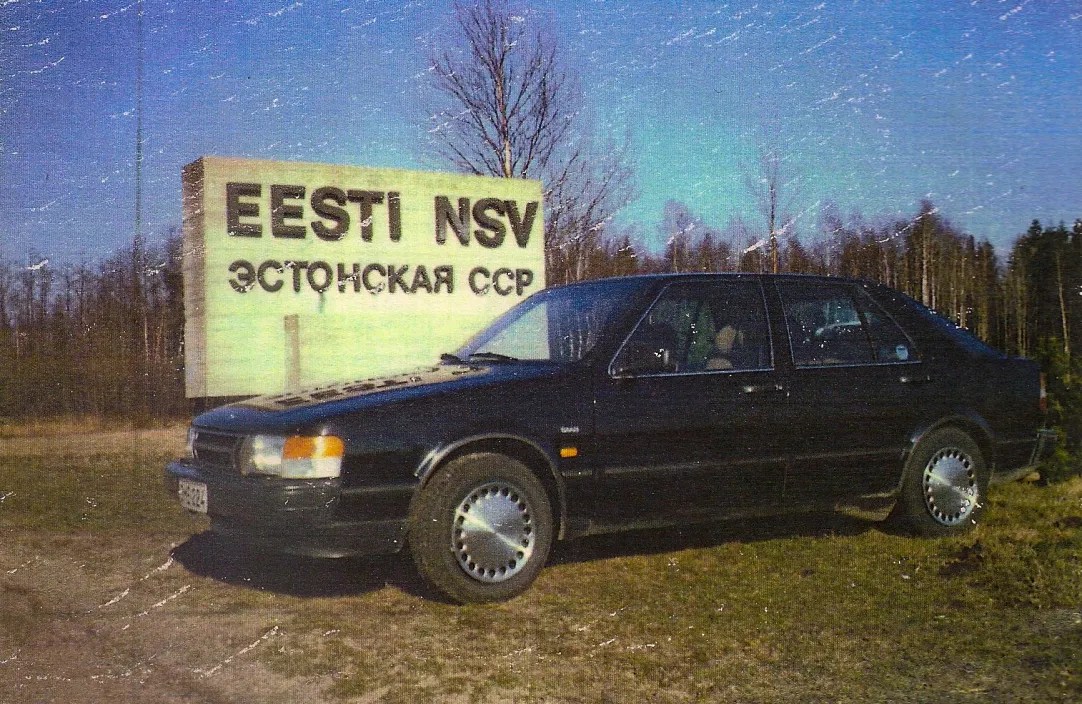
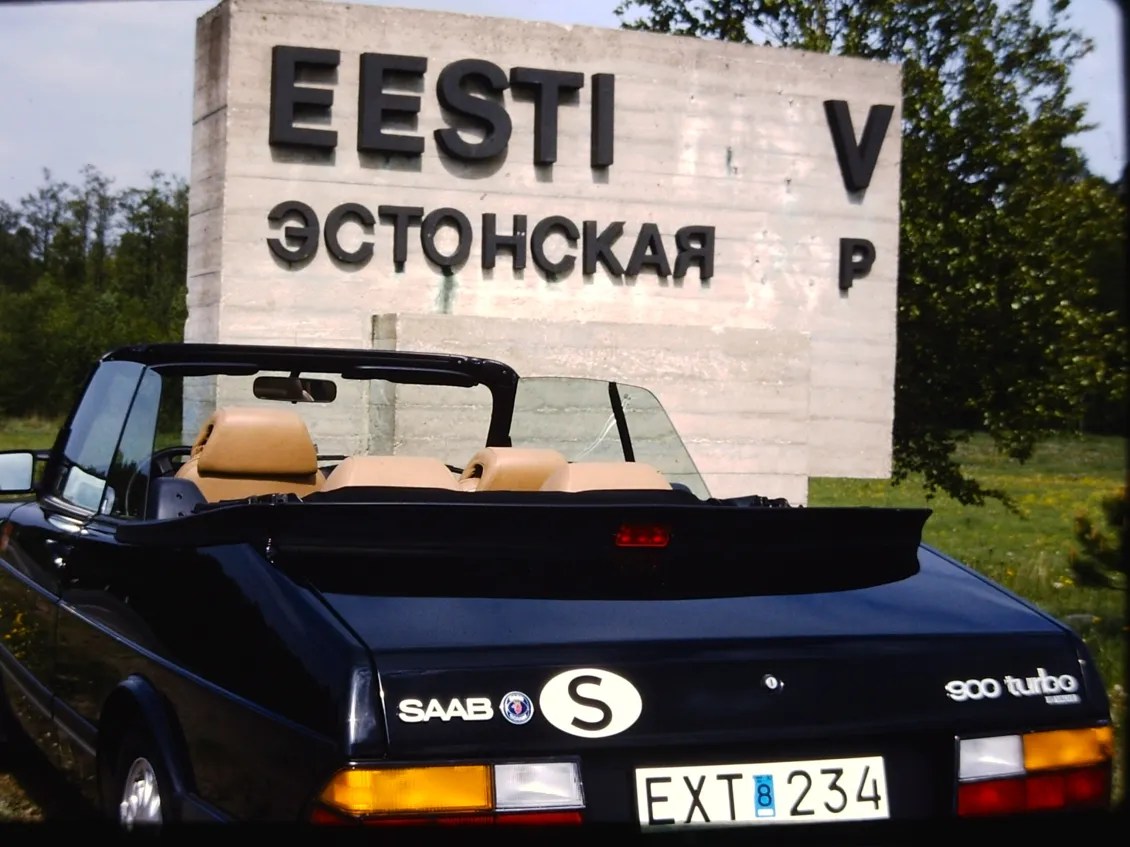
I was almost there in 1990: Saab got us to Latvia and Estonia, but had to cancel the Lithuanian portion of its ride-and-drive when the Russians got snarky about energy.
NATO. Wikipedia describes, “The North Atlantic Treaty Organization (NATO) is an intergovernmental military alliance between 32 member states (thirty in Europe and two in North America). Founded in the aftermath of World War II, NATO was established with the signing of the North Atlantic Treaty in 1949.”
Its Article 5. Wikipedia continues, “The organization serves as a system of collective security and deterrence, whereby its independent members agree to defend each-other from attack by any outside party. This is enshrined in Article 5 of the treaty, which states that an armed attack against the territory of one member shall be considered an attack against them all.”
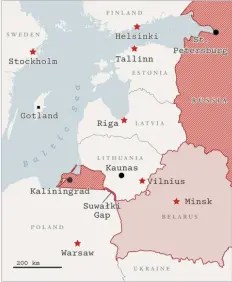
Baltic NATO. Lithuania, Latvia, and Estonia joined NATO in 2004. Other Baltic-watered countries are Denmark (1949, one of NATO’s 12 founders), West Germany (1955), Poland (1999), Finland (2023), and Sweden (2024), these last two joining after Russia’s invasion of Crimea. (Wikipedia notes, “The region, internationally recognised as part of Ukraine, has been under Russian occupation since 2014.”
NATO is headquartered in Brussels, Belgium; Canada and the U.S. being its two North American members.
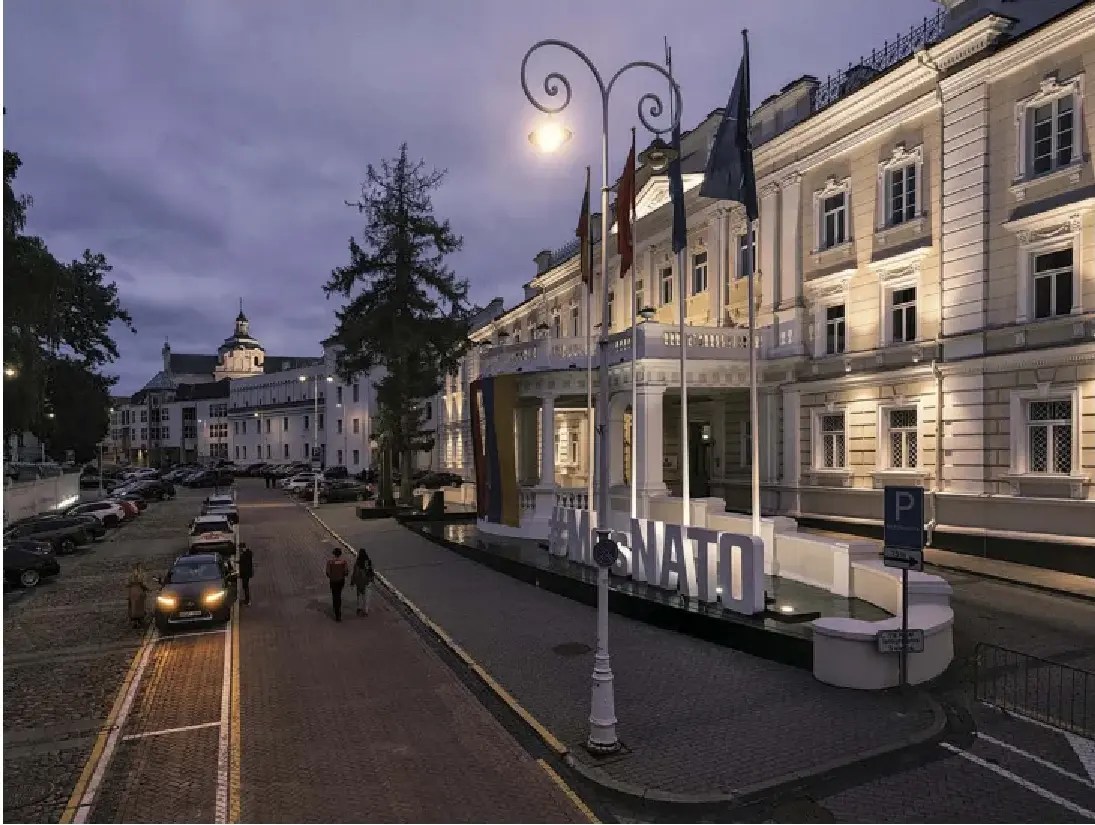
American-led Security. Stanley-Becker comments about NATO’s long-time “American-led security order”: “On a trip to Vilnius in 2002, President George W. Bush vowed that ‘anyone who would choose Lithuania as an enemy has also made an enemy of the United States of America.’ Those words are engraved on a plaque outside the entrance of city hall. Do they remain true more than two decades later?”
Trump’s Posturing. Alas, Stanley-Becker observes, “Donald Trump has mused repeatedly about taking the United States out of NATO. On the campaign trail in 2024, he encouraged the Russians to do ‘whatever the hell they want’ to NATO members delinquent in their defense spending. This year, he threatened to invade Greenland, a self-governing territory of Denmark, an alliance member. When European partners declined to join his war of choice against Iran, he disparaged NATO as a ‘paper tiger.’ ”
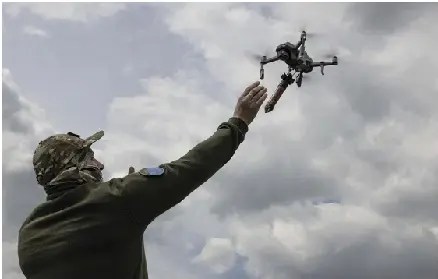
A Russian Baltic Attack? Stanley-Becker posits, “It could come in the form of outright invasion, designed to control all three countries and restore what Russia has declared to be its rightful sphere of influence. It could come in the form of ‘hybrid war,’ which the Baltic states have gotten a taste of already: think cyberintrusions, assassination attempts, arson, damage to undersea infrastructure, interference with GPS frequencies, and a deliberately heightened volume of asylum flows—transporting desperate migrants from the Middle East and Africa to the border of European Union countries, as Belarus has done since 2021.”
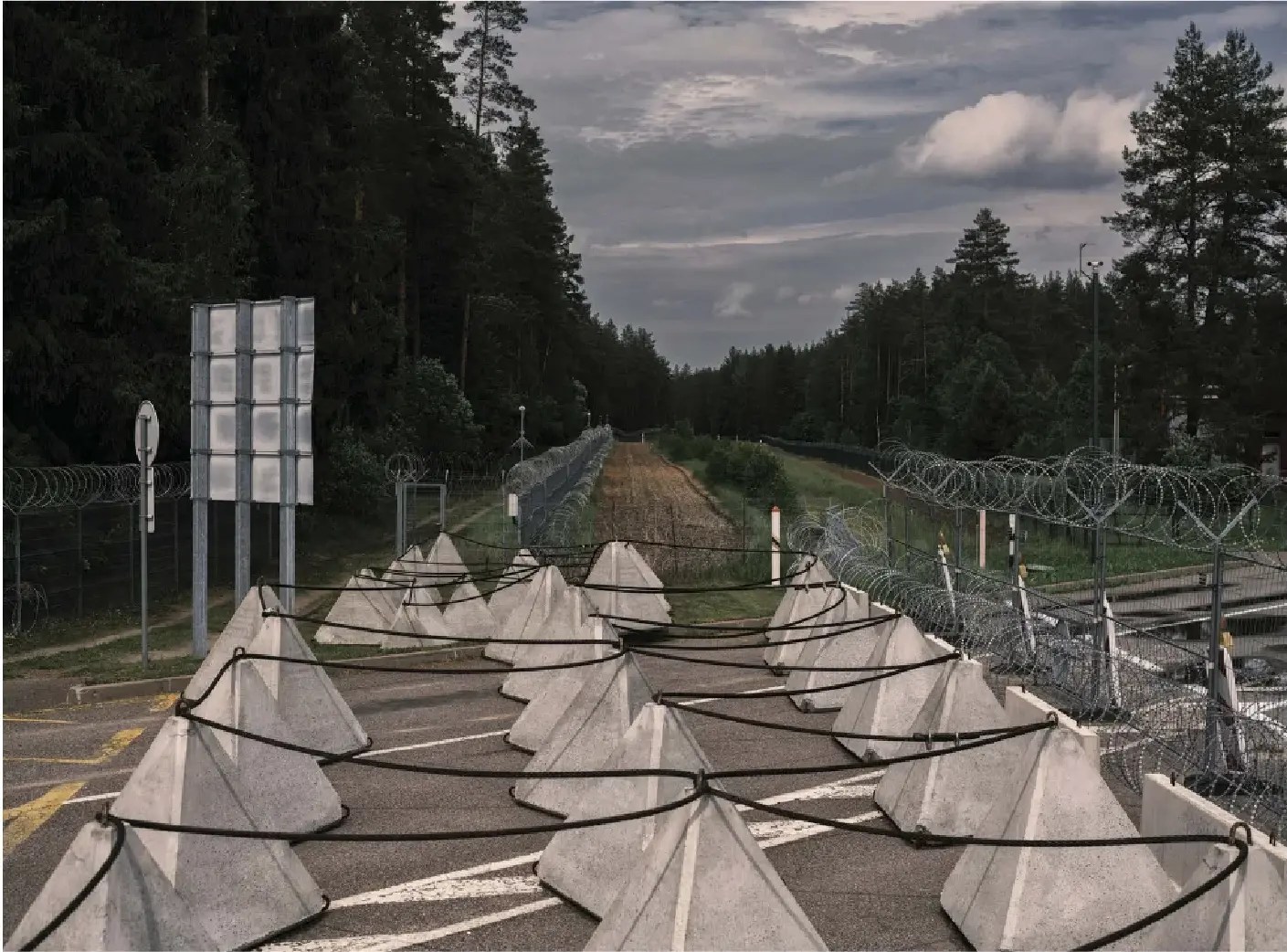
And There’s the Suwałki Gap. “Short of invading all three countries,” Stanley-Becker notes, “Russia could attempt to close the Suwałki Gap—the small patch of border that Lithuania shares with Poland, stretching for roughly 40 miles between Kaliningrad and Belarus. This corridor is the only friendly overland route between the Baltic states and the rest of NATO Europe—an essential lifeline.”
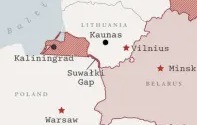
No Trading of Space for Time. “The Baltic states,” Stanley-Becker stresses, “can’t trade space for time—a classic defensive strategy that involves yielding territory in order to exhaust the enemy, then waiting until a counterattack becomes feasible. Vilnius, the capital, home to 600,000 people, is a mere 20 miles from Belarus. In the early days of an invasion, it would quickly be threatened by the Russian army. The Baltic states need to hold off the invaders for as long as possible, hoping that allied help will arrive—whether in the form of ground forces or, even more useful, airpower—before the situation becomes irretrievable.”
This is hardly the time for Trump to suck up to Putin (ostensibly and absurdly to lower diesel prices—which Trump and Netanyahu jagged upwards in the first place with their Middle East war.) Just who is acting traitorous in all this? ds
© Dennis Simanaitis, SimanaitisSays.com, 2026

