
Simanaitis Says
On cars, old, new and future; science & technology; vintage airplanes, computer flight simulation of them; Sherlockiana; our English language; travel; and other stuff
ON THE VERNE BRAND PART 2
PART 1 STARTED WITH RAYMOND N. MACKENZIE’S LRB review of Jules Verne’s Journey to the Moon, a new translation of both his De la Terre à la Lune and its sequel, Autour de la Lune. Here in Part 2, we learn more of the Verne brand as created by Pierre-Jules Hetzel.
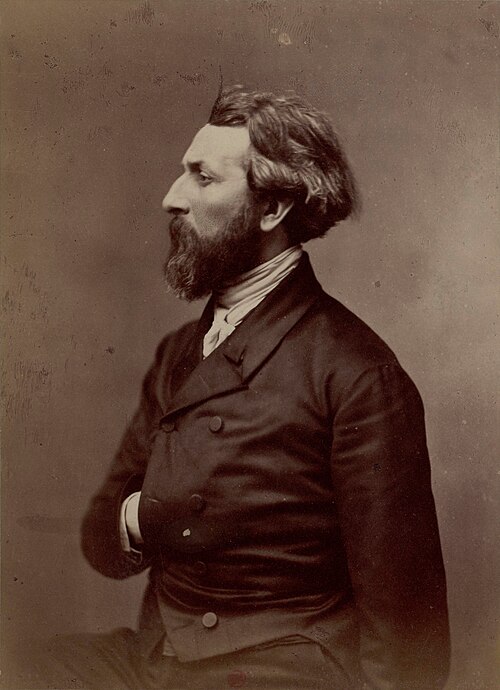
The Hetzel Touch. MacKenzie relates that Hetzel “saw great potential in Verne’s balloon novel [Cinq Semanes en Ballon, 1863]: It was the kind of high-quality, educational fiction he wanted for a new magazine he was planning. He suggested revisions and soon offered Verne a contract under which he would commit to deliver multiple volumes a year (most accounts say three, one roughly every four months). Hetzel would buy these volumes outright for a flat fee, rather than offering royalties based on sales.”
“By one estimate,” MacKenzie observes, “Verne took home just an eighth of the profits from his books. But our modern system of advances, royalties and copyright was not yet widely accepted, so the Hetzel-Verne arrangement was not quite the highway robbery it seems now. Verne seemed content with it (though later in life he asked for better terms and got them).”
Hetzel’s Crayon Bleu. MacKenzie describes, “It’s hard to imagine other writers—the likes of Flaubert, Gautier or even Balzac—agreeing to such terms. One thinks of the white-hot letter Baudelaire sent to Gervais Charpentier when the latter altered some of his phrasing: ‘I told you: delete the whole piece if you don’t like a comma in it, but don’t delete the comma itself; it’s there for a reason … I’ve spent my entire life learning how to construct sentences, and I say—without fear of being laughed at—that what I deliver to a printer is perfectly finished.’ ”
My Own Brief Blue Pencil Foray. In my fledgling days as engineering editor at R&T, I applied editing skills, in what I thought an enhancement, to a piece by our legendary Henry N. Manney III.
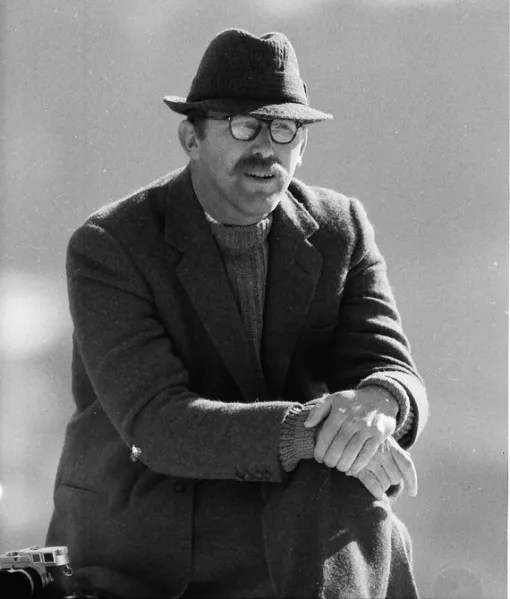
In retrospect, quite rightfully Henry warned me never to do this again (and reminded me occasionally by inscribing a little hand-sketched skull-and-crossbones next to copy that was to remain utterly sans bleu.) Of course, I complied.
Darkness Softened, Endings Uplifted, Sex Deleted. By contrast, MacKenzie relates, “Verne, however, seemed to welcome Hetzel’s revisions. As their relationship developed, Hetzel’s interventions became so great that the books often changed dramatically—characters were altered or expunged, dark events were softened and endings became uplifting. Narrative structures were simplified. Sexual references were deleted, as were any political jibes.”
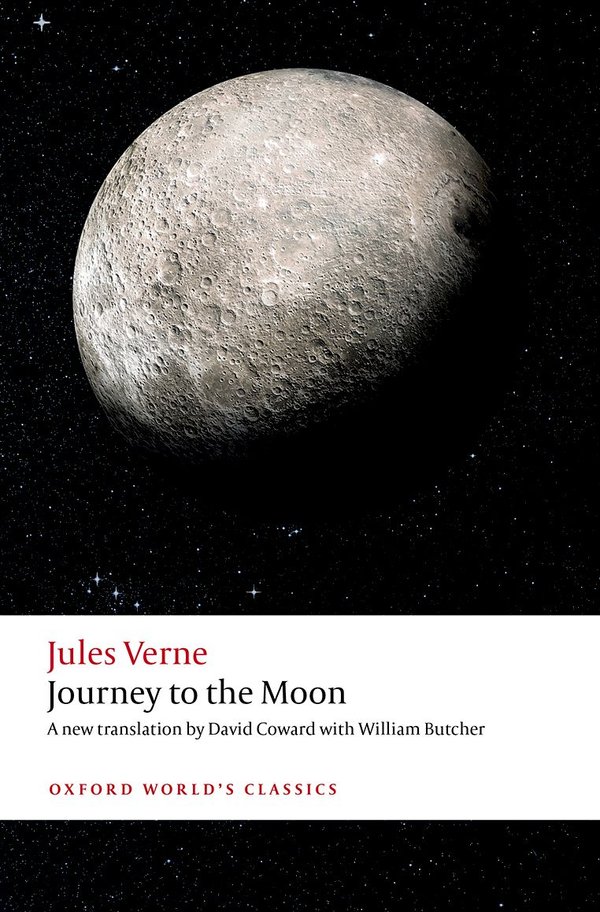
Journey to the Moon: A Twofer. MacKenzie describes, “Sometime between 1863 and 1864, Verne began thinking about a novel involving a trip to the moon. He had always been interested in astronomy and ballistics and the two subjects come together spectacularly in De la Terre à la Lune [From the Earth to the Moon] (1865) and its sequel, Autour de la Lune [Around the Moon] (1869). Although the volumes were published separately, Verne conceived of them as a single unit.”
MacKenzie continues, “This new translation by David Coward and William Butcher, with an introduction and extensive notes by Butcher, brings both novels together under the title Journey to the Moon.”
Naturalism, Posthumanism, and.… MacKenzie concludes on a philosophical note: “If Naturalist science foreclosed freedom in the name of deterministic explanation, and posthumanism refines that foreclosure by dispersing agency across systems and processes, Verne preserves a humbler agency—fallible, procedural and resolutely forward-moving. His optimism depends not on answers, still less on mastery, but on the simple conviction that the journey will be worth it in the end.”
And so it would seem with Journey to the Moon. ds
© Dennis Simanaitis, SimanaitisSays.com, 2026


Please put my name on the long list of readers who miss Henry Manney III. In 25 years of editing a (minor) magazine, I found that amateur writers were far more likely to object to changes, while the pros welcomed suggestions. When I started as an amateur myself, editing the work of Dean Batchelor, Karl Ludvigsen, and Beverly Rae Kimes felt daunting, but they accepted placidly.