
Simanaitis Says
On cars, old, new and future; science & technology; vintage airplanes, computer flight simulation of them; Sherlockiana; our English language; travel; and other stuff
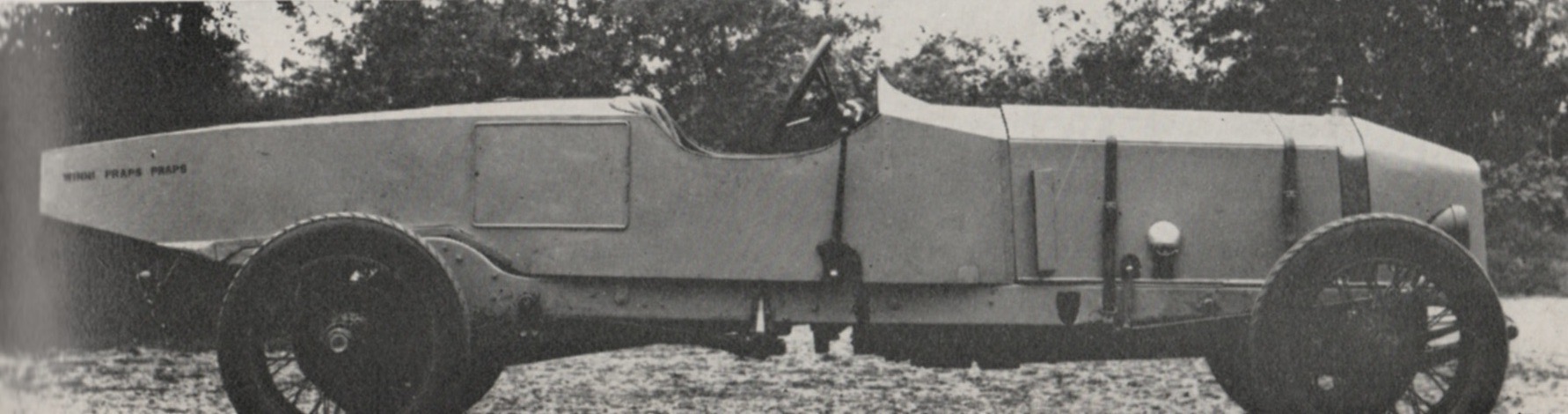
TOMMY HANN’S 1911 LANCHESTER “HOIEH-WAYEREH-GOINTOO”
A PHOTO AND CAPTION IN ANTHONY BIRD’S “LANCHESTER 38 & 40” in Classic Car Profiles: Vol. 1, Profile Publications Limited, 1965, encouraged me into this merry search:
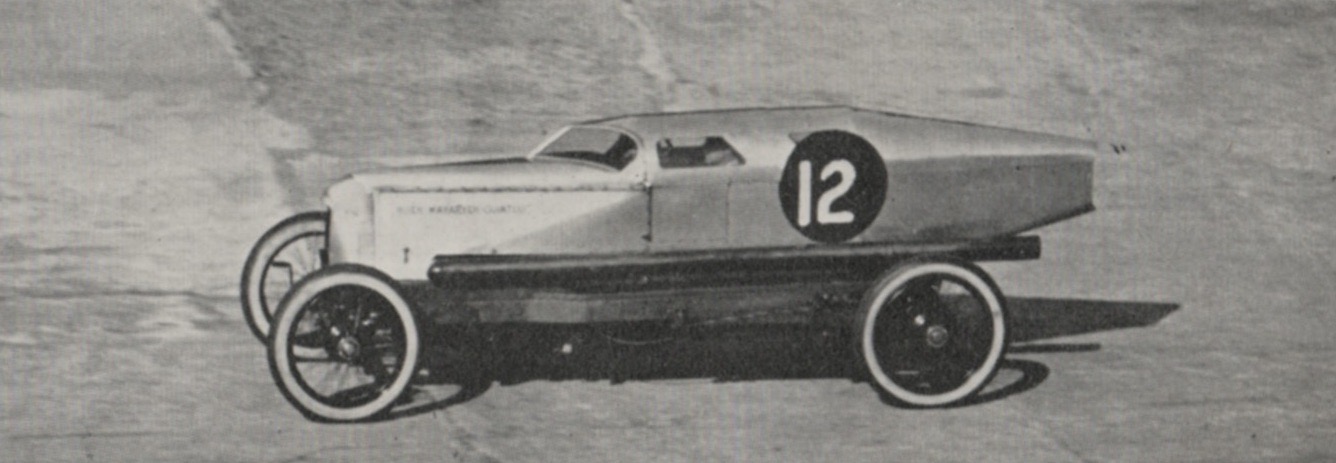
Here are tidbits gleaned from my research about Hann’s race cars, Lanchester’s history, and the topic of automotive onomatopoeia.
Lanchester Origins. Wikipedia describes, “This business was begun by the three Lanchester brothers, Frederick, one of the most influential automobile engineers of the 19th and 20th centuries, George and Frank who together incorporated The Lanchester Engine Company Limited in December 1899.”
Dr Fred. Anthony Bird wrote in his Profile Number 5, “Nobody would claim that ‘Dr Fred’ could suffer fools gladly…. Frederick once said of his Directors: ‘Well, they seem to change their minds pretty often—but if I had a mind like theirs I’d change it as soon as I could.’ The friction became unbearable, and Frederick Lanchester had only a consultative connection with his company from 1909 to 1913 and thereafter ceased to have any connection at all.”
George V’s View on Automotive Decor. Bird recounted, “By making a great effort the Lanchester Company had a Forty ready for the 1919 Motor Show.”
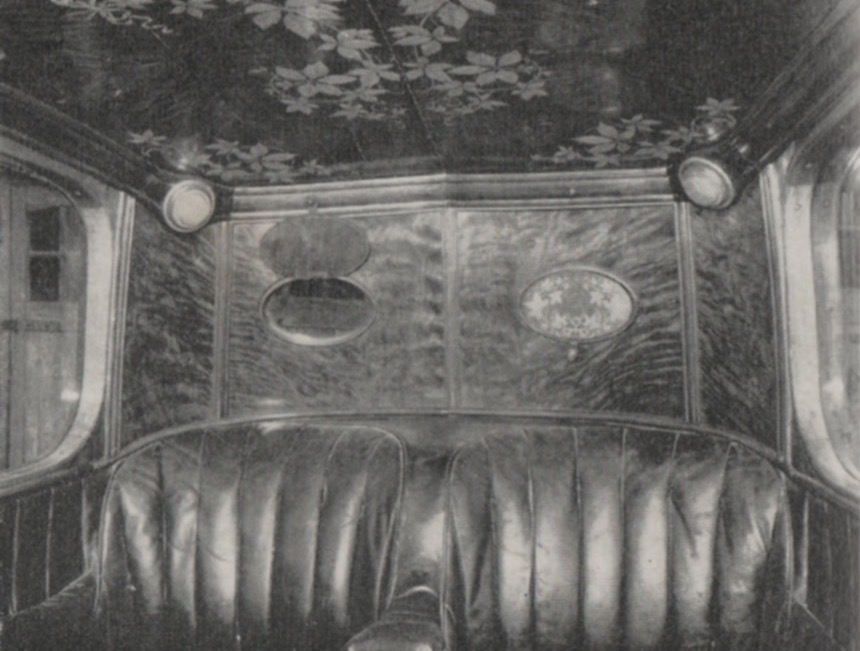
Bird observed, “The inlaid marquetry roof and interior door panels, the silk blinds, the silver fittings and the luxurious black leather upholstery provoked King George V, who opened the show, to remark: ‘Very fine, Mr. Lanchester, but more suited to a prostitute than a prince, don’t you think?’ ”
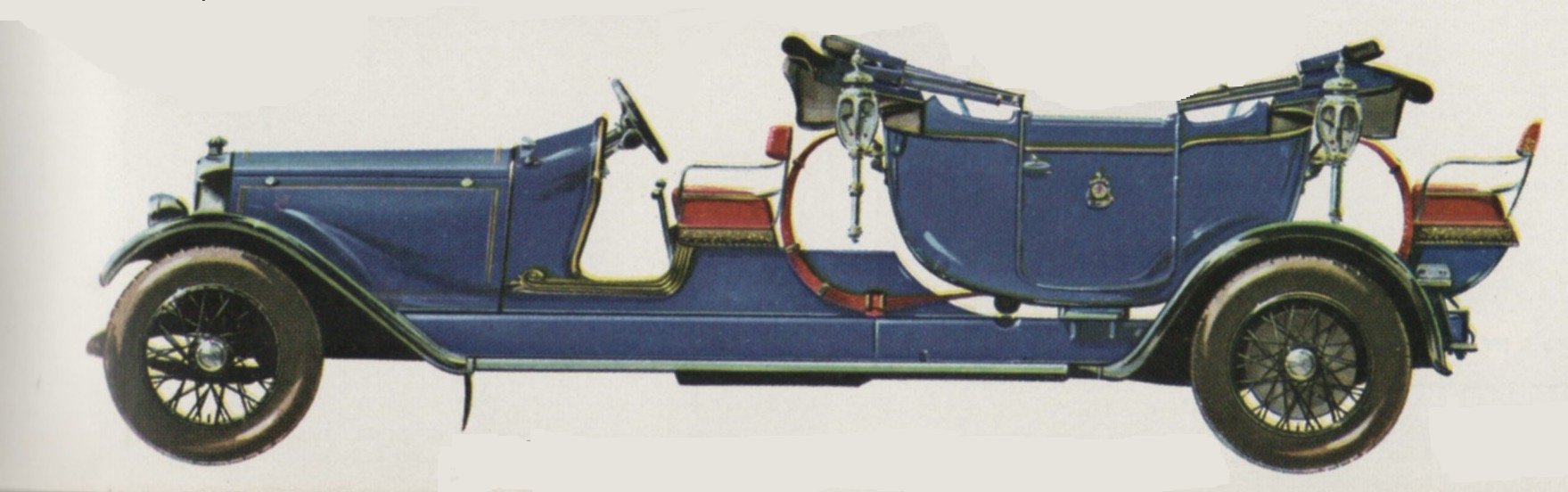
The Maharajah of Alwar’s Folly, Tommy Hann’s Racer. “The Forty may have been a ‘gentleman’s car’ ” wrote Bird, citing the Maharajah of Alwar’s splendid folly of a state landau on a special long-chassis Forty.
At the same time, Bird noted, “… to many enthusiasts of the time the Lanchesters were better known for their Brooklands exploits. The name was not unknown there by 1921 because of the successes and consistent endurance of Tommy Hann’s famous streamlined ‘Softly-Catch-Monkey’ which started life as a 25 hp. Landaulet in 1911.”
Bill Boddy’s Description. This car identified as “Hoieh-Wayereh-Gointoo” is the one that originally attracted me. Bill Boddy offers details in “Tommy Hann’s Specials,” MotorSport, October 1999. Its original name is said to be a phonetic rendering of “Which way are you going?,” chosen by Tommy because of its streamlined contours’ poor outward visibility.
Radical Aerodynamics. The car’s extremely tapered tail was open, with air passing through the cabin in ducts into the tail configured to generate a pressurized drag-free wake.
Another Catchy Name. Hann later transformed the car into a single-seater liveried in black and orange stripes. As Bird noted, this was “Softly-Catch-Monkey,” taken from the proverb “Softly, softly, catchy monkey.”
Yet Another. Bird described, “In 1921 George Lanchester and Arthur Bird (Works Manager) fitted a narrow staggered-seat racing shell to a Forty and took it to Brooklands to investigate the phenomenon of high speed wheel wobble which plagued so many manufacturers at that time. The car attracted the attention of S.F. Edge who drove it and reported: ‘I worked the speed up to over 100 m.p.h. without the least discomfort. This is a very remarkable tribute to the Lanchester design of suspension… the biggest bump on Brooklands was swallowed up by a gentle motion… It seems difficult to believe that a firm who specializes in luxurious private cars should be able to produce practically their normal car capable of such a wonderful performance.”
Yet Other Automotive Onomatopoeia. This recalls, of course, the Chitty-Chitty-Bang-Bangs, both with and without hyphens and different numbers of Chittys.
I noted the cars offering a celebration of surplus WWI aero engines: “Specifically, three of these huge powerplants powered Chitty-Bang-Bang I, II and III, a trio of outrageous vintage cars run by an equally outrageous Count Louis Vorow Zborowski. Their legend influenced creation of Chitty Chitty Bang Bang (one more Chitty, no hyphens), the magical car in a children’s book by Ian Fleming. Yes, that Ian Fleming.”
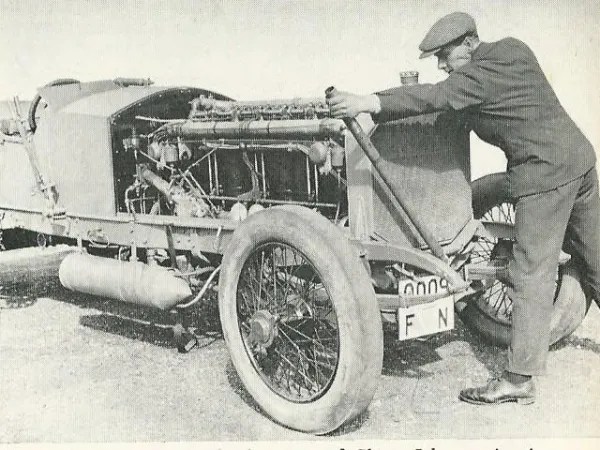
And I noted, “Polite society ascribed the car’s name to its raucous engine noise at idle; more knowledgeable sorts recognized it from a bawdy Royal Flying Corp ballad.”
“Chit” was slang for a military pass. ds
© Dennis Simanaitis, SimanaitisSays.com, 2026

