
Simanaitis Says
On cars, old, new and future; science & technology; vintage airplanes, computer flight simulation of them; Sherlockiana; our English language; travel; and other stuff
THE WALTZ—ITS FATHER, ITS KING, AND DON’T FORGET MATILDA PART 1
MY MUSICAL AUTHORITY OF DELIGHT, NICK SLONIMSKY, GETS US STARTED by defining the waltz as “the most famous ballroom dance in 3/4 time, generated in Austria toward the end of the 18th century.” It hasn’t stopped counting since.
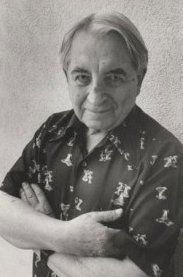
Here in Parts 1 and 2 today and tomorrow, I glean tidbits on the waltz from two wonderful books by Nick Slonimsky, his Lectionary of Music and Concise Baker’s Dictionary of Musicians, together with my usual Internet sleuthing. (Is there waltz rap? Life is too short to ask.)
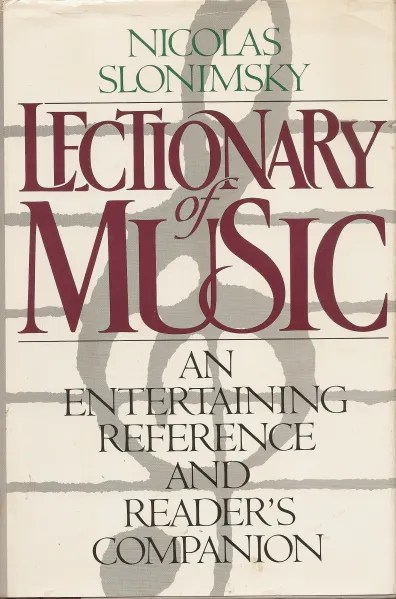
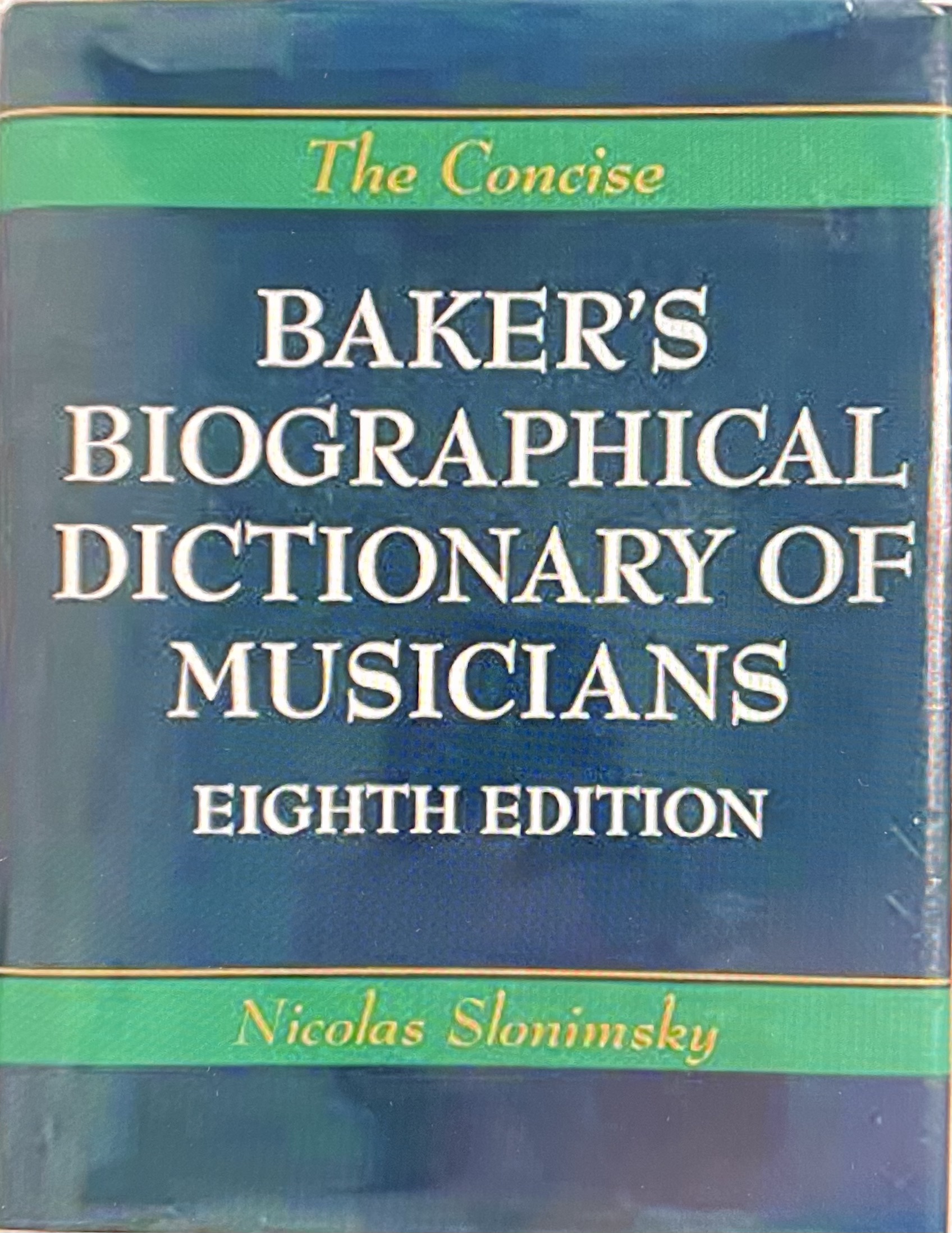
The Waltz: Fit Only For Peasants. In his Lectionary, Nick describes, “Choreographically, it consists of a pair of dancers moving around an imaginary axis, resulting in a movement forward. In the 18th century, the waltz was regarded as a vulgar dance fit only for peasant entertainment. In 1760 waltzing was specifically forbidden in Bavaria by a government order. The waltz began to received social acceptance in the wake of the French Revolution when it became fashionable even in upper social circles on the continent.”
Nick continues, “A story is told about an English dowager who watched a young couple waltzing and asked incredulously, ‘Are they married?’ ”
Viennese Respectability. “The waltz,” Nick says, “attained its social popularity during the Congress of Vienna in 1815; at that time it was known under the name ‘Vienna Waltz.’ ”
Indeed, Nick recounts, “The waltz grew into an industry in Vienna. Joseph Lanner and Johann Strauss, Sr., [to be known as Father of the Waltz] composed hundreds of waltz tunes to be played in Viennese restaurants and entertainment places. Johann Strauss, Jr., raised the waltz to its summit as an artistic creation that at the time served the needs of popular entertainment. He was justly dubbed ‘the Waltz King.’ “
Nick continues, “When Brahms was asked to autograph a waltz tune for a lady, he jotted the initial bars of The Blue Danube Waltz of Strauss, with a characteristic remark, ‘Unfortunately, not by me.’ ”
Other Jr. Favs: “Apart from The Blue Danube Waltz, properly entitled On the Beautiful Blue Danube,” musicologist Slonimsky notes, “Strauss, Jr., wrote several other perennial favorites suh as Tales of the Vienna Woods, Voices of Spring, Vienna Blood, and Wine, Women, and Song.”
Other Waltzes to Come. “All these waltzes,” he continues, “were really chains of waltz movements. The waltz gradually became acceptable as a symphonic movement. Berlioz has a waltz in his Symphony fantastique. Tchaikovsky includes a waltz in his Symphony No. 5, as does Mahler in his Symphony No. 9. Ravel glorified the waltz in his orchestral piece La Valse.”
“Thus,” Nick concludes this item, “in less than a century, the waltz, which began as a somewhat vulgar dance tune, took its place next to the minuet as a legitimate concert form.”
Tomorrow in Part 2, we’ll continue Nick’s analyses of the Strauss clan. Is there any Strauss dissing in his Lexicon of Musical Invective? ds
© Dennis Simanaitis, SimanaitisSays.com, 2026

