
Simanaitis Says
On cars, old, new and future; science & technology; vintage airplanes, computer flight simulation of them; Sherlockiana; our English language; travel; and other stuff
TRUMP AND EVS PART 1
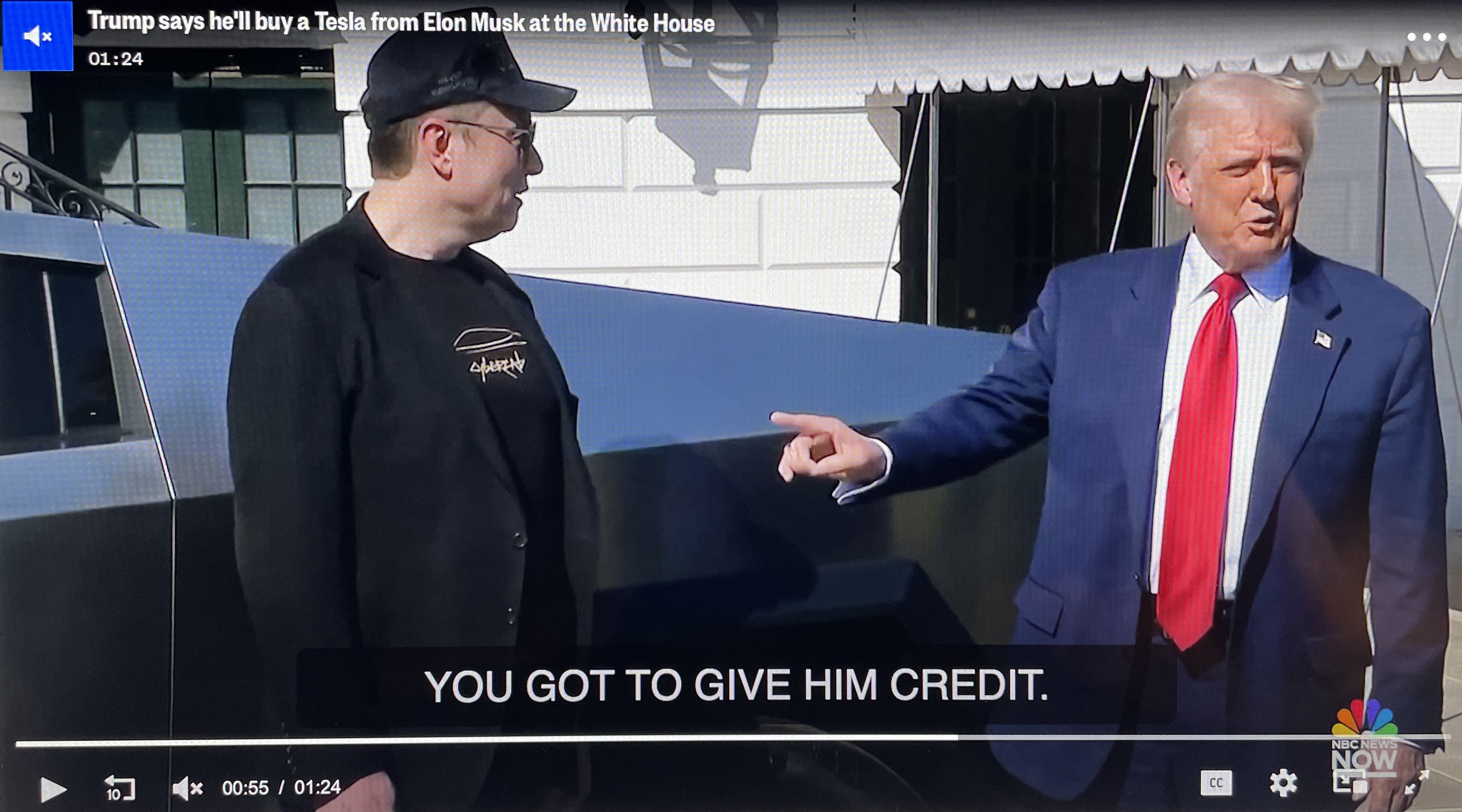
IT WASN’T THAT LONG AGO—“Trump Turns the White House Lawn into a Tesla Showroom,” NBC News, March 11, 2025—that Trump and EVs were all cozy. But you know how bromances go. Even Musk’s $500 million midterm bribe hasn’t seemed to remedy whatever occurred between the world’s richest man and its most prosperous fascist.
Trump and EVs, Currently (No Pun Intended). Check out “Freedom Means Affordable Cars, Delivered by President Trump and Secretary Duffy,” U.S. Department of Transportation, September 28, 2026. Its opening statement: “U.S. Department of Transportation Secretary Sean P. Duffy today released the rule to reset the National Highway Traffic Safety Administration (NHTSA)’s corporate average fuel economy (CAFE) standards. The Biden-Buttigieg administration previously broke the law by setting standards that went far beyond the requirements mandated by Congress—all to artificially juice supply for electric vehicles that American consumers didn’t ask for.”
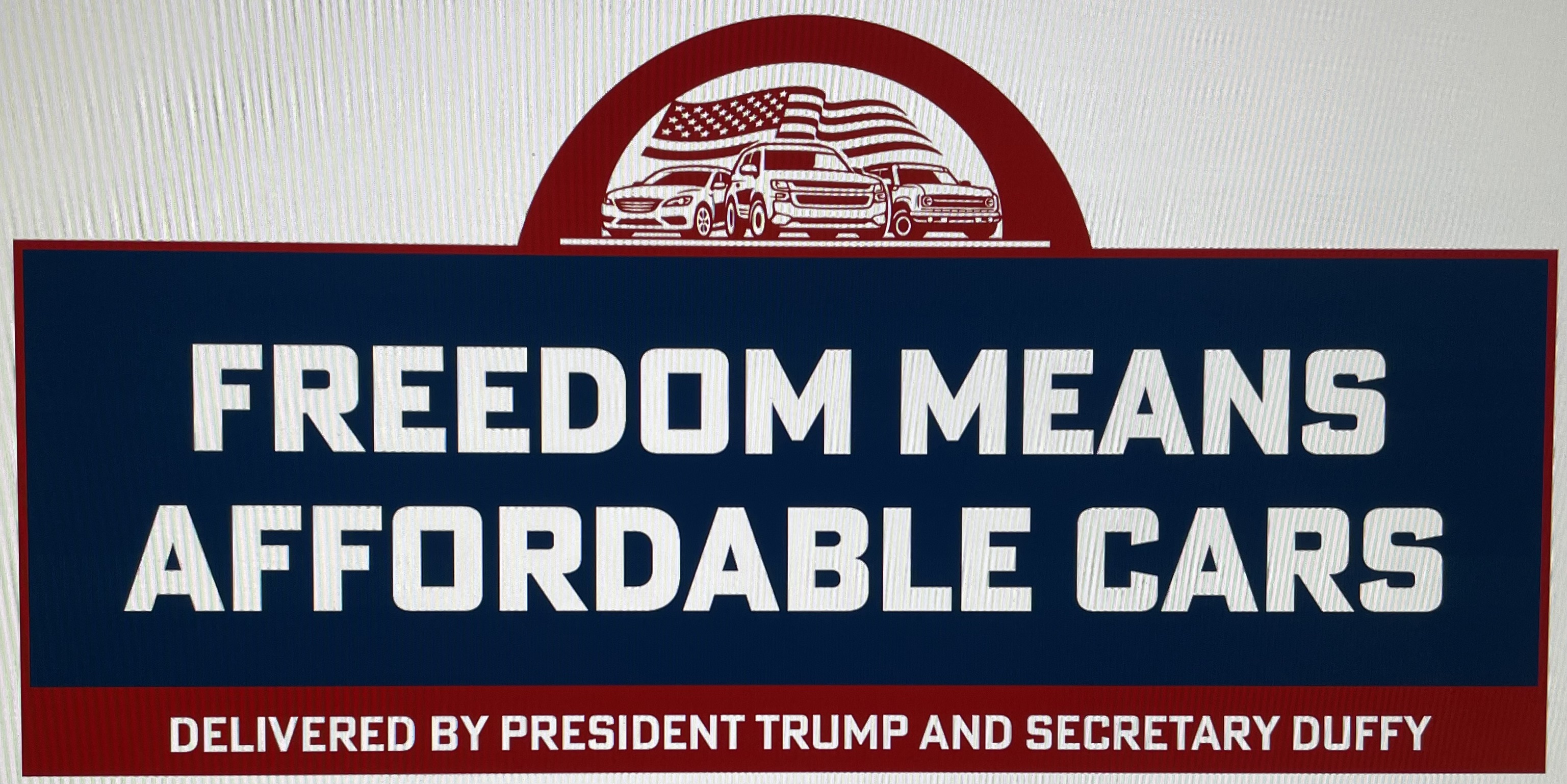
What?? Who was that guy with the long red tie hawking Teslas on the White House lawn? And, by the way, who paid for this “Freedom Means Affordable Cars” tripe? Taxpayers like us.
Today’s EV Markets, Internationally. Molly Boigon reports “How the U.S. is Becoming an Outlier in the Global EV Race,” Automotive News, October 27, 2026. She observes, “While vehicles with internal combustion engines remain a lucrative market, global trends suggest the U.S. and its manufacturers may be left behind. More than half of new vehicles sold in China last year were battery-electric or plug-in hybrids, compared with just 10 percent in the U.S., according to the International Energy Agency.”
It’s More Than Marketing; It’s a Country’s Policies As Well. “Around the world,” Boigon recounts, “governments are pursuing disparate regulatory and incentive strategies, and consumers want different types of vehicles. The strategies vary—China has built significant demand through industrial policy and subsidies, while Europe has relied on more measured regulatory boosts. Emerging markets are embracing EVs in part because of limited access to fossil fuels. But across the globe, the U.S. appears to be the odd one out.”
See also the graphics in Automotive News’ “Global EV Report: The World Electrifying At Different Speeds.”
Tidbits of politics and data that follow in Parts 1 and 2 today and tomorrow are gleaned from each of the above.
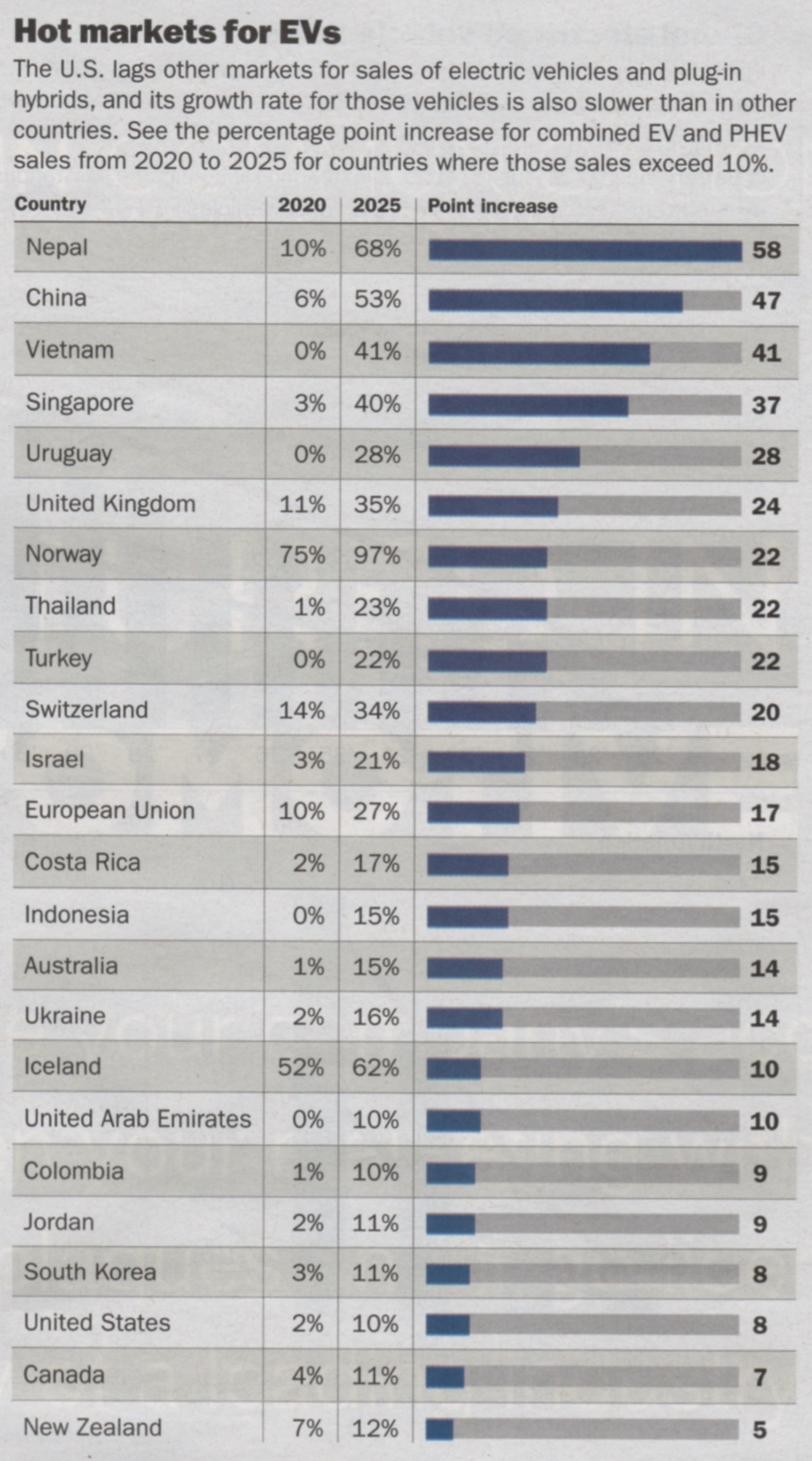
Several of these aren’t surprising. China and its neighbors dominate. Norway, despite its North Atlantic oil, has long been green. Uruguay reflects China’s aggressive sales push throughout South America.
Tomorrow in Part 2, we examine the U.S.’s reverse EV push. Whoever might have influenced this? ds
© Dennis Simanaitis, SimanaitisSays.com, 2026

