
Simanaitis Says
On cars, old, new and future; science & technology; vintage airplanes, computer flight simulation of them; Sherlockiana; our English language; travel; and other stuff
ANDES HIGH (AND WE’RE NOT TALKING ALTITUDE)
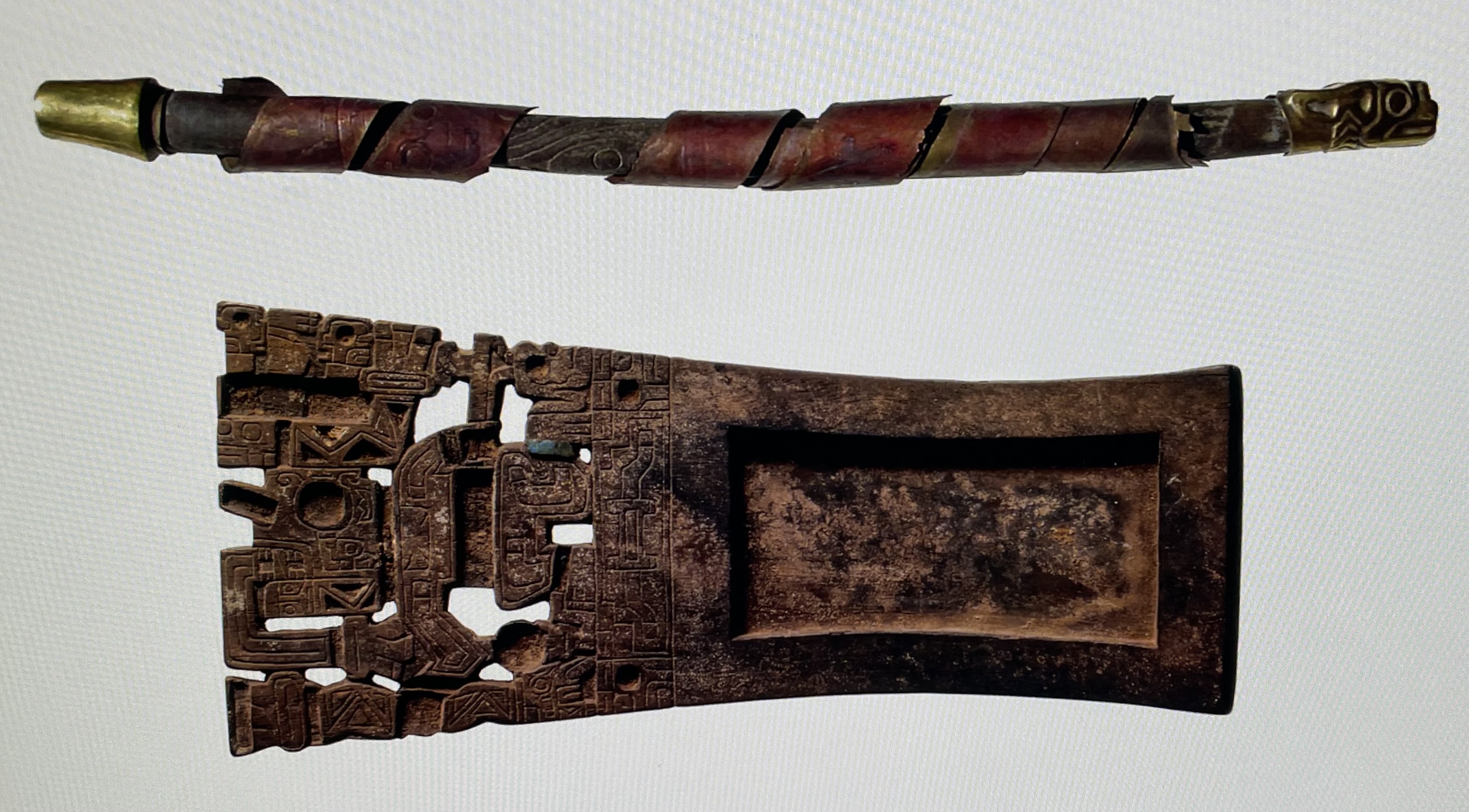
ANDREW LAWLER’S OPENER IS DATELINED CHAVÍN DE HUÁNTAR, PERU: “The subterranean corridor was lit only by eerie light that filtered down narrow ventilation shafts and reflected from polished stone. Priests huffed on decorated conch shell trumpets, sending deep blasts echoing against the cut stone walls of the narrow gallery. Using a bone tube, an attendant blew a powerful psychoactive snuff up the nose of a pilgrim, launching the recipient on a brief but explosive internal journey.”
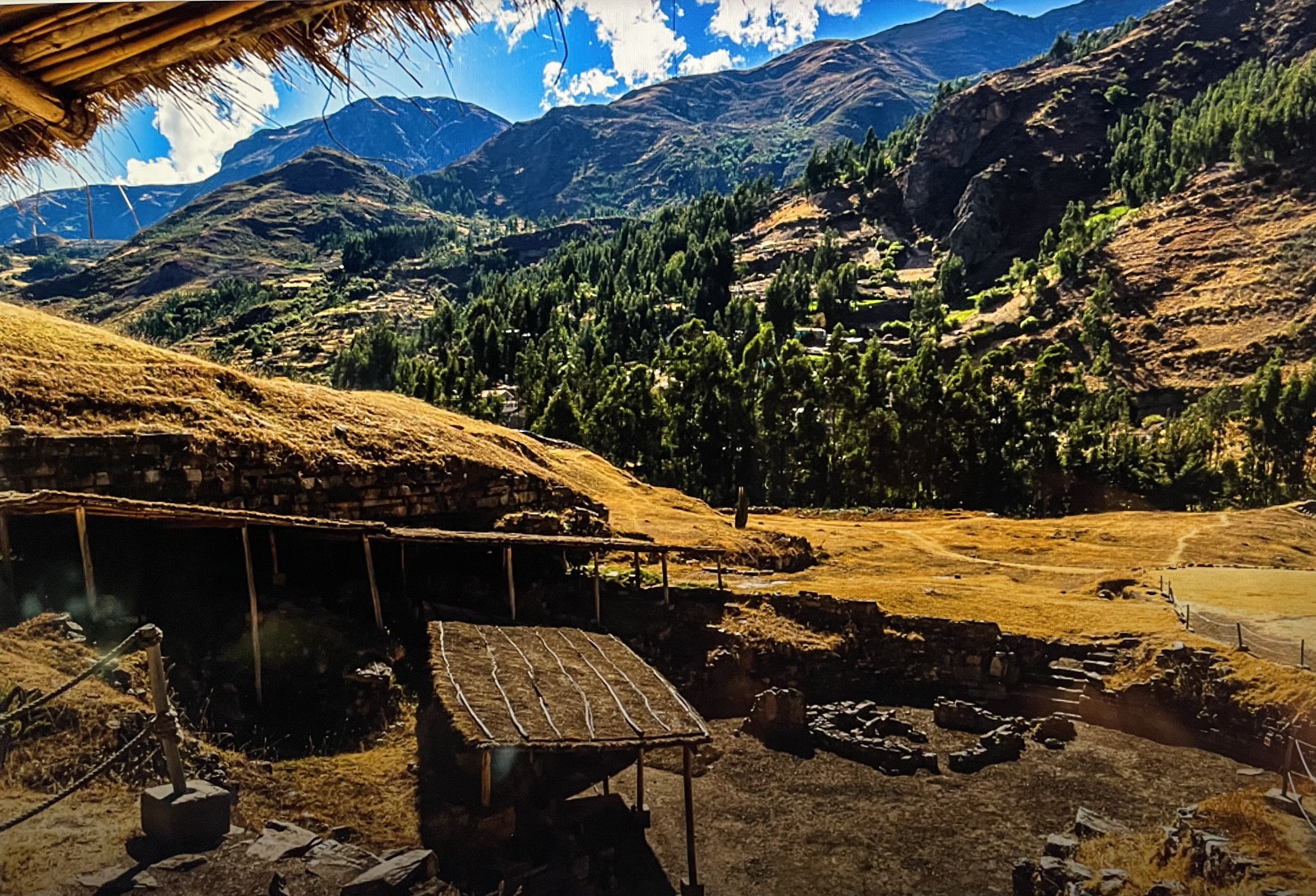
This, from Lawler’s article “High Culture: How Psychoactive Substances Helped Spur Andean Civilization,” AAAS Science, September 10, 2026.

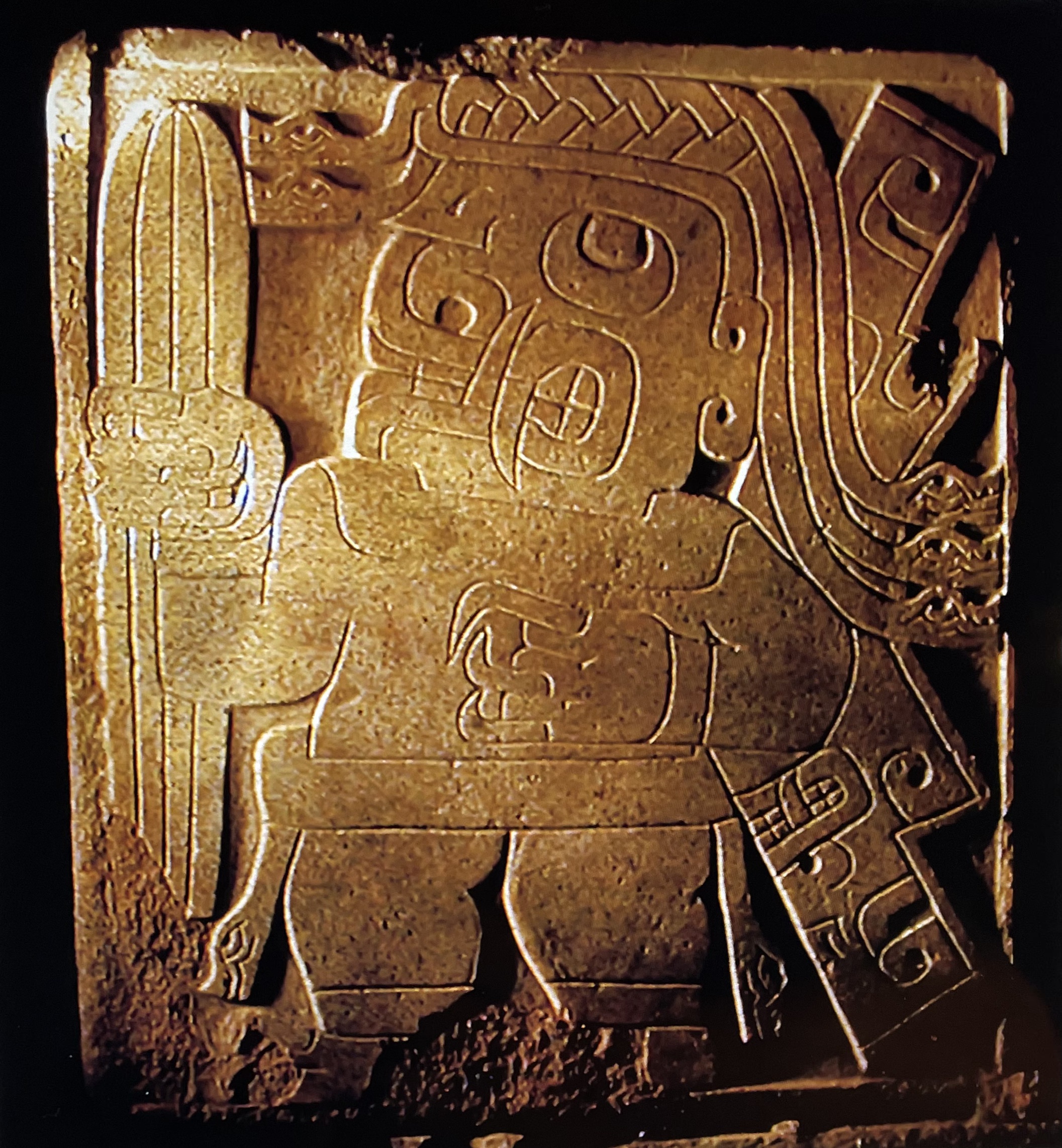
Ancient Rituals. Lawler recounts, “Archaeologists have long believed this 3000-year-old temple complex in a high and remote valley in the central Peruvian Andes was a center of drug rituals such as the scenario above. Carved friezes depict psychoactive plants and stone heads illustrate humans transforming into serpents, raptors, and jaguars. Trumpets made from Ecuadorean conch shells have been found near a circular plaza designed to amplify the sound of water rushing through an underground channel. Beneath the collection of stone buildings, excavators found an intricate network of galleries with the remains of dozens of polished graphite mirrors, as well as a 4.5-meter-tall granite stela of a fanged deity.”
Lawler continues, “Such finds strongly suggested the practice of mind-altering rituals, but in 2016 a team led by Stanford University’s John Rick began to unearth what he calls “the smoking gun.” They uncovered a new gallery and spent two painstaking seasons excavating its floor.”
Hallucinogens and Mental Health. “The work,” Lawler explains, “also benefits from recent research into the use of hallucinogens in treating mental illness, which has promoted broader acceptance of these substances. ‘There was long a feeling that drugs made you sick and addicted,’ says José Capriles, an archaeologist at Pennsylvania State University (Penn State) who excavates in Bolivia. ‘Today, there is a new openness,’ he adds, which is freeing grant money and attracting graduate students.”
A Central Role in Andean Civilization. “Drug-based rituals, it is now becoming clear, played a central role in the emergence of Andean civilization,” Lawler says. “Rick believes Chavín’s ritual leaders invited elites from other regions to take part in elaborate ceremonies centered on ingesting powerful substances amid a dramatic sound and light show. In so doing, ‘they harnessed the process of mental alteration to establish powerful levels of authority.’ ”
South America—A Vast Open-Air Pharmacopeia. Lawler describes, “When humans first arrived in South America at least 15,000 years ago, they found an ecologically diverse continent peculiarly rich in psychoactive plants. Botanists estimate more than 100 species here significantly alter human consciousness—more than two-thirds of the global total. South America was a vast open-air pharmacopeia.”
Coke, Mesz, and Vilca. Lawler recounts, “Coca, the basis for the popular stimulant cocaine, flourishes in tropical forests flanking the Andes Mountains. The mescaline-rich San Pedro cactus thrives along the barren Pacific coast, while the vilca tree grows on the dry and rocky foothills of the western slopes. To the east, a vine and shrub that grow deep in the Amazon River Basin can be combined into a dark red brew called ayahuasca, capable of creating intense visual and psychological experiences.”
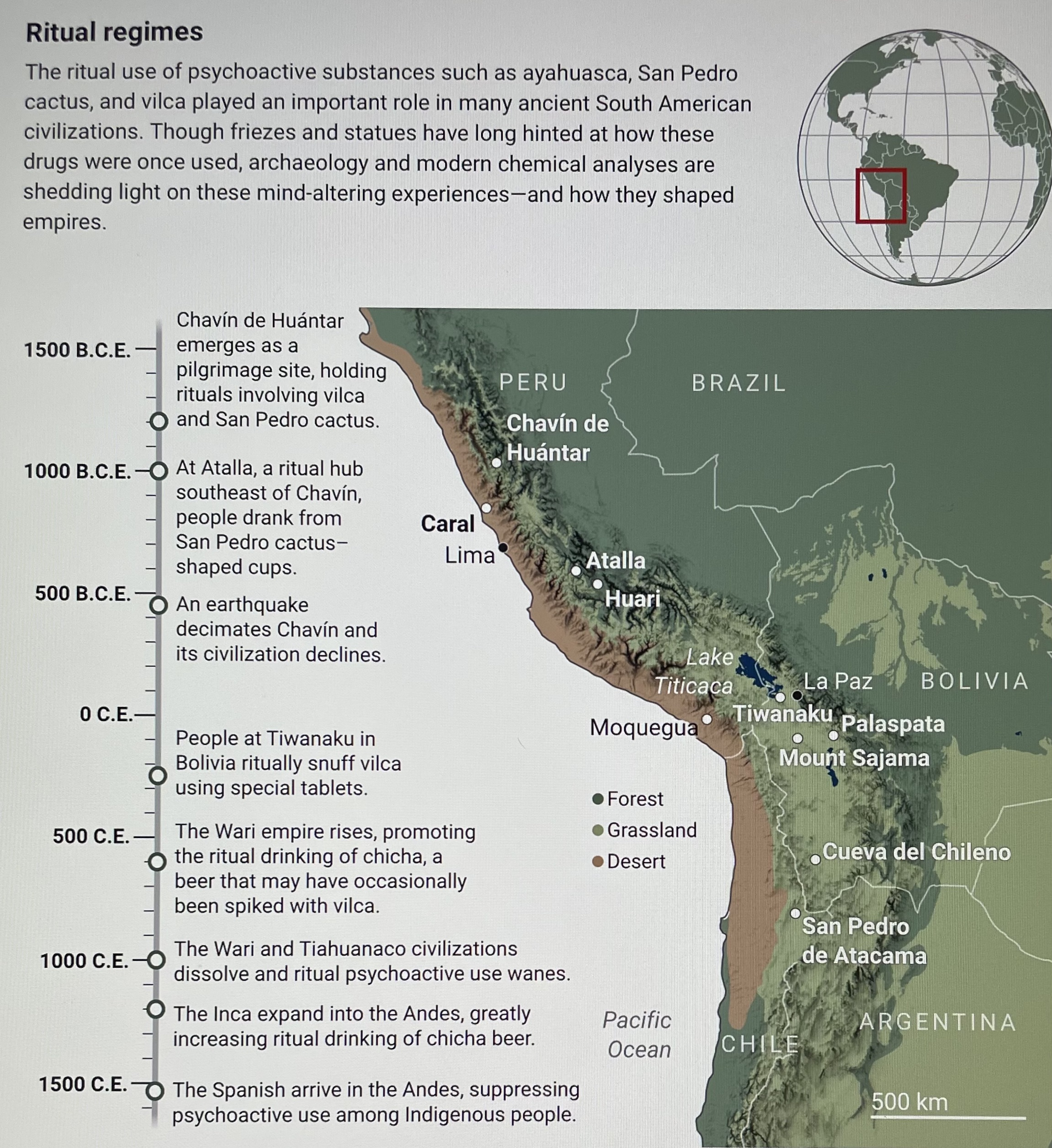
A Cultural Alternative—Until Spanish Conquerors Arrived. Lawler recounts, “Chavín’s success spawned imitators throughout the region. In subsequent centuries, the Tiahuanaco and Wari peoples built on these traditions to cement political, social, and religious power as their territories expanded to encompass vast swaths of western South America.”
“Widespread ritual drug use,” Lawler notes, “fell into decline only when the Inca rose after 1200 C.E. [They preferred beer.]; Spanish conquerors suppressed remaining practices after their 1532 invasion. Although psychoactives remained in use for medicinal and small-scale religious purposes—many can still be found for sale in open-air markets—their powerful and pervasive influence on Andean society was relegated to the shadows.”
Make Love, Not War. Lawler describes, “ ‘This system was not based on coercion,’ [Stanford researcher John] Rick says. He envisions a series of nested secret societies overseen by shaman-priests who welcomed devotees from across the central Andes. An outer circle would have participated in public rituals in the large open-air square plaza in front of the main temple, whereas an elite entered a more intimate circular plaza ringed with friezes that include images of the mescaline-producing cactus. An even smaller circle might have ingested vilca in the underground galleries. Pottery found in some of these galleries comes from distinct regions around northern Peru, suggesting specific spaces were set aside for the exclusive use of visiting elites.”
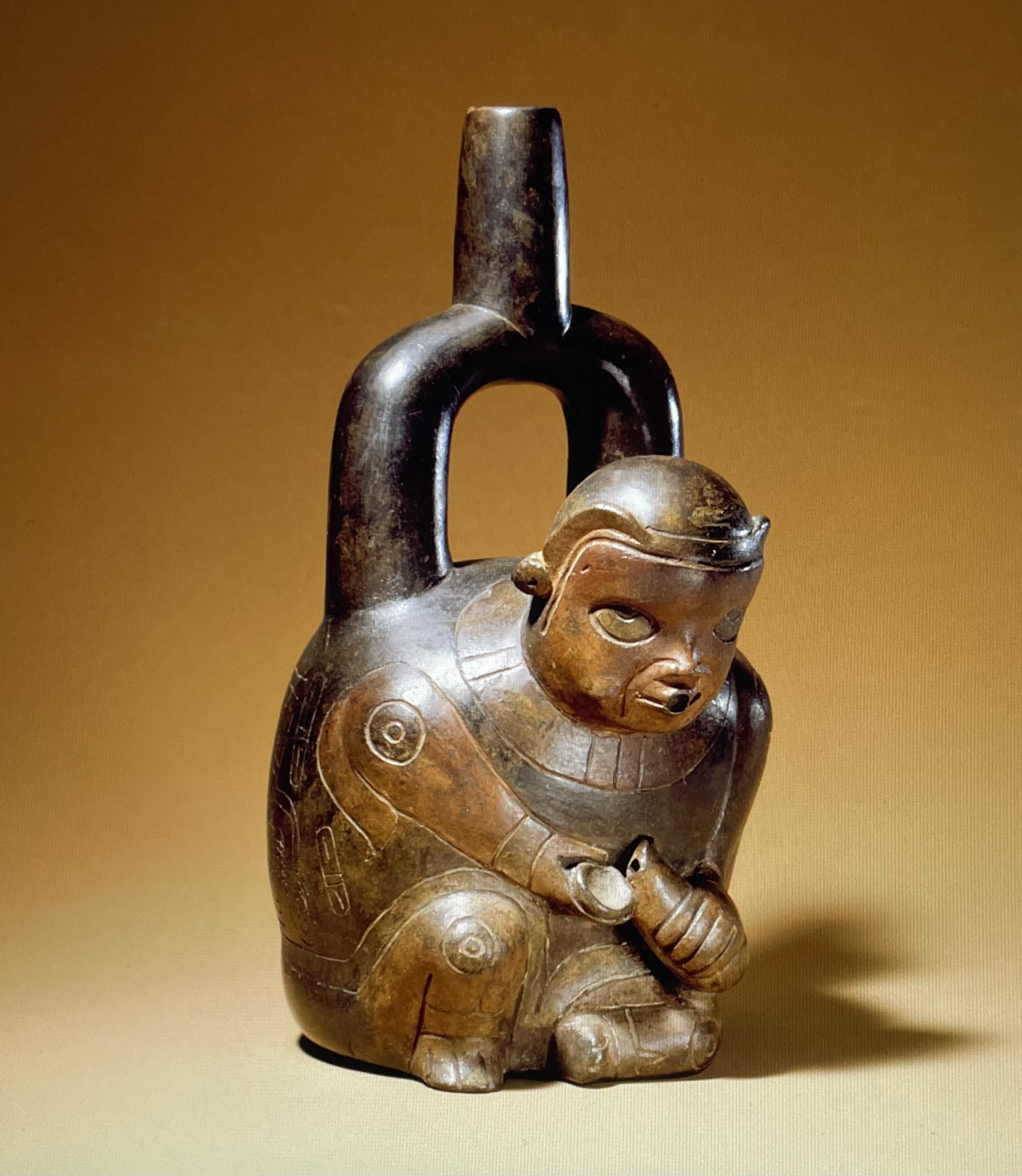
Research Continues; So Does Trippin’. “Back at Chavín,” Lawler observes, “Rick and his team are continuing to excavate, hoping to uncover more clues to its ancient rituals. Among their newer neighbors are two retreat centers catering to Peruvians and foreigners yearning to experience the power of psychoactives within the shadow of an ancient temple once devoted to their use.” ds
© Dennis Simanaitis, SimanaitisSays.com, 2026

