
Simanaitis Says
On cars, old, new and future; science & technology; vintage airplanes, computer flight simulation of them; Sherlockiana; our English language; travel; and other stuff
GLADLY NAMED GUILLAIN-BARRÉ
YOU GET MY GIST: Gladly (also a strabismus ursine) must I bear the onslaught of Guillain-Barré syndrome. This malady is described by Mayo Clinic as “a condition in which the body’s immune system attacks the nerves. It can cause weakness, numbness, or paralysis.”
“In its most serious form,” Mayo Clinic continues, “Guillain-Barré syndrome is a medical emergency. Most people with the condition need treatment in a hospital.”
My GBS Skirmishes. (With Apologies to George Bernard Shaw). Well, yes. That too, though I hasten to report that two of my three GBS assaults were mitigated by nothing more than rest and time. Briefly, a bad reaction in 2023 to Shingrx, the shingles vaccine, took about two weeks of progressive rest and improvement before I visited my doctor. Upon assessing my strength and mobility at the time, he recognized I was near back to normal—and that was that.
A second skirmish, possibly triggered by an antibiotic in 2024, manifested itself through lower limb weakness acting only a couple of days.
IVIG To The Rescue. This third encounter, likely attributed to a flu shot, led to a recent seven days in the hospital; the first two identifying GBS, the remaining days focused on IVIG, Intravenous Immunoglobulin, described by Cleveland Clinic as “a dose of donated immune system antibodies…. IVIG can strengthen your natural immune response, reduce your risk of getting sick and lessen the severity of illnesses when you do get them.”
So Who’s Guillain? Who’s Barré? Website faithful Bob Storc sent me excellent advice: “You’re supposed to write about human foibles and ailments… not try them out!!”
I responded, “Ha. Thanks, Bob. How typical of me: an obscure malady, en français aussi.”
Indeed, who are Guillain and Barré anyway? Trusty Wikipedia recounts, “The syndrome is named after the French neurologists Georges Guillain and Jean Alexandre Barré, who, together with French physician André Strohl, described the condition in 1916.” Also, “Globally, death occurs in approximately 7.5% of patients. Barré syndrome is rare, at 1 or 2 cases per 100,000 people every year.”
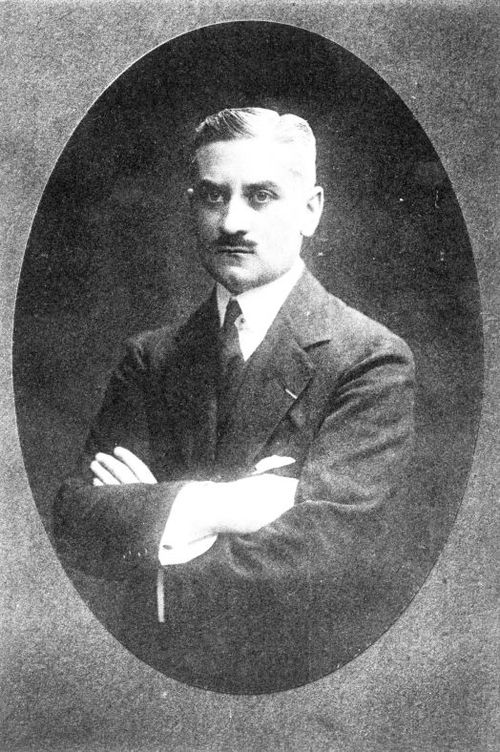
George Charles Guillain, 1876–1961, French neurologist born in Rouen.
Professor Guillain earned his medical doctorate in Paris in 1898. Wikipedia notes that “Guillain was a prolific writer. In 1920 with his friend Jean Barré, he published a major work titled Travaux neurologiques de guerre, a book that described the two doctors’ clinical experiences during wartime. He was a member of French, American and Japanese academies of science, and in 1949 was appointed commander of the Légion d’honneur. He died in Paris at age 85.”
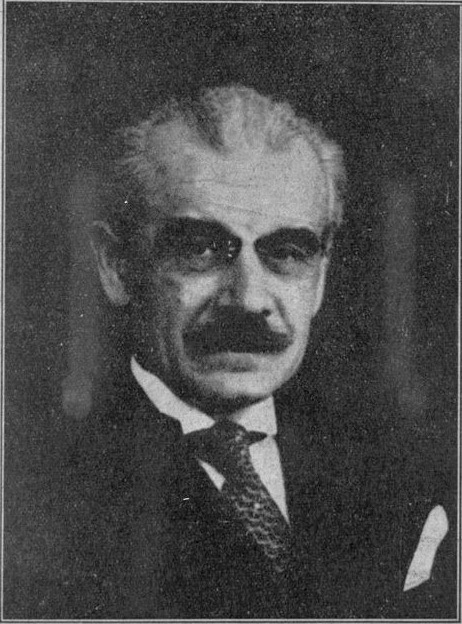
Jean Alexandre Barré, 1880–1967, French neurologist born in Nantes.
Wikipedia recounts that during World War I, Barré “worked in a neurological unit of the 6th army, directed by Georges Guillain, with whom he began a longtime collaboration. In 1919 he was appointed professor of neurology in Strasbourg.”
Barré, Wikipedia notes, “is also credited with the ‘Barré Test’ which may identify pronator drift or pyramidal drift, although the test was earlier described by Giovanni Mingazzini. This test is performed by making the patient stretch out their hands with the palms facing upwards, and then having the patient close their eyes. If one hand drops involuntarily (or drops after the physician taps on the patient’s palms), the test indicates damage to the pyramidal tract.”
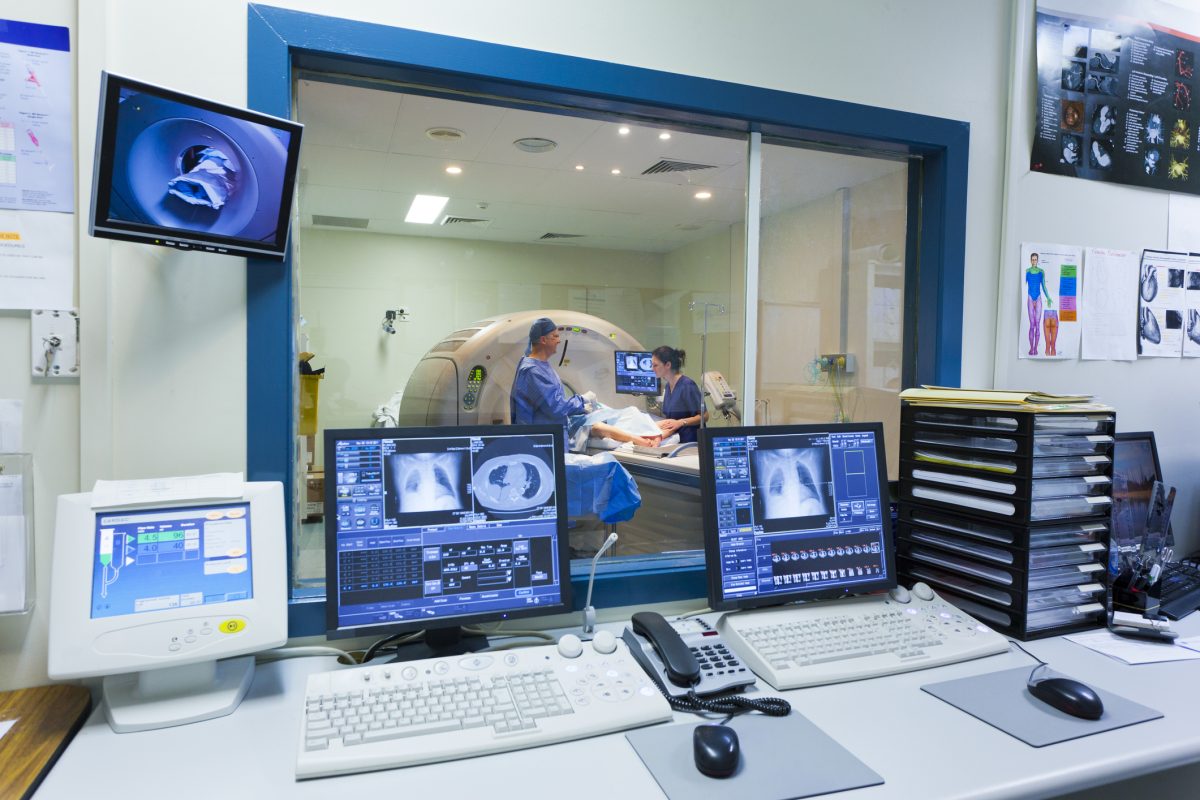
A Funny Tale of Diagnostics. Apparently my pyramidal tracts are fine, thank you. However, I am bigger than the average bear (6 ft., now around 270 lbs.) and particularly broad-shouldered. Indeed, as I learned back in 1984, I’m too broad for a standard 60-cm.-diameter MRI tunnel: Claustrophobic to begin with, barely into the tunnel with shoulders scrunched I called out “no way.”
This time around, the specialists tried a shot of a calming something or other—but still “no way.”
“Would I accept sedation?” Sure. I’d had it in routine colonoscopy exams.
My Old-Time Radio Affinity—And A Sincere Apology. Apparently, patients awaking from sedation are asked ordinary questions: “What’s your name?” “When’s your birthday?” “Where are you right now?”
Which makes complete good sense—unless one’s post-sedated self is dwelling mentally in an old-time radio WWII Nazi interrogation.
I don’t remember details, but I do recall refusing to share any id whatsoever. And, at one point, I actually tossed half a glass of water into one of my inquisitors’ faces.
Geez. Sorry, guys.
I’m better now, danke. ds
© Dennis Simanaitis, SimanaitisSays.com, 2026

