
Simanaitis Says
On cars, old, new and future; science & technology; vintage airplanes, computer flight simulation of them; Sherlockiana; our English language; travel; and other stuff
A RUSH TO THE WHEEL? NOT
THE RITE OF PASSAGE DEFINED BY A DRIVER’S LICENSE usta be a significant one for mid-teenagers (as I remember to this day). But Callie Holtermann reports “Old Enough for a Driver’s License? They’re in No Rush,” The New York Times, October 26, 2026: “Gen Z teenagers are no longer racing toward this rite of passage. What’s the hurry, with so much of their lives happening online?”

How It Usta Be. In my native Ohio, the magic age was 16 and, by then, dad already had me practicing in all-but-vacant parking lots with the family ’55 (red!) Ford convertible. What with its automatic transmission, the actions of turning the wheel and stop and go were duck soup. The real challenge was parallel parking—certain to be part of the state’s driving test.
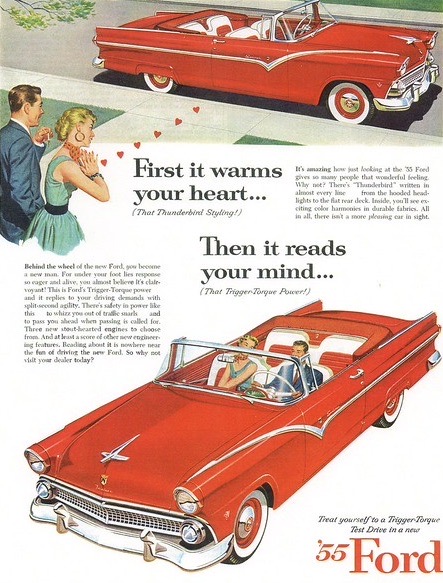
Indeed, even before his ’55 convertible (with “Go, Blue Bombers” scribed on its zip-down rear window), dad had taught me the rudiments of clutch-and-column shift on our family’s previous ’50 Ford sedan.
Agg. Ignoring the Yield Sign. I remember being utterly devastated in my first-attempt Driver’s Test: I failed to react correctly to a Yield sign on that carefully crafted test route. I sure as hell didn’t scoff-law anything else on my later attempt.
A Tantalizing Taste of Freedom. Callie Holtermann describes it perfectly: “A few decades ago, a driver’s license was just about the most exciting thing you could offer a teenager. That little card offered a tantalizing taste of freedom. Passing the road test was a rite of passage for young adults eager to live life on their own terms; failing was a plot point in coming-of-age movies like License to Drive (1988, starring Coreys Haim and Feldman) and Clueless (1995).”
Daughter Suz’s “The Winter’s Tale.” A generation later, Daughter Suz didn’t bother getting her driver’s license until she was 23. Therein, she relates today, lies a winter’s tale: Her birthday is in mid-December and, wisely, her mom was reluctant to let her practice on the snow-and-ice-slick winter roads of northwestern Pennsylvania.
“By the time Mom would chance it,” Suz recalls, “I had enough friends who drove that it didn’t matter.”
A Grandson Repeats History. Carter is a Christmas kid; Daughter Beth and her husband Michael had other things to do in wintery Chicago when he turned the Illinois-mandated 15 for an Instruction Permit. He’s now a university sophomore—and an F1 enthusiast as well—but still hasn’t got around to getting a license. For the moment, he’s content riding shotgun.
Online Lifestyles. Callie recounts, “Just over a quarter of American 16-year-olds had their driver’s licenses in 2024, a 20-point drop from the early 1980s, according to the Federal Highway Administration.”
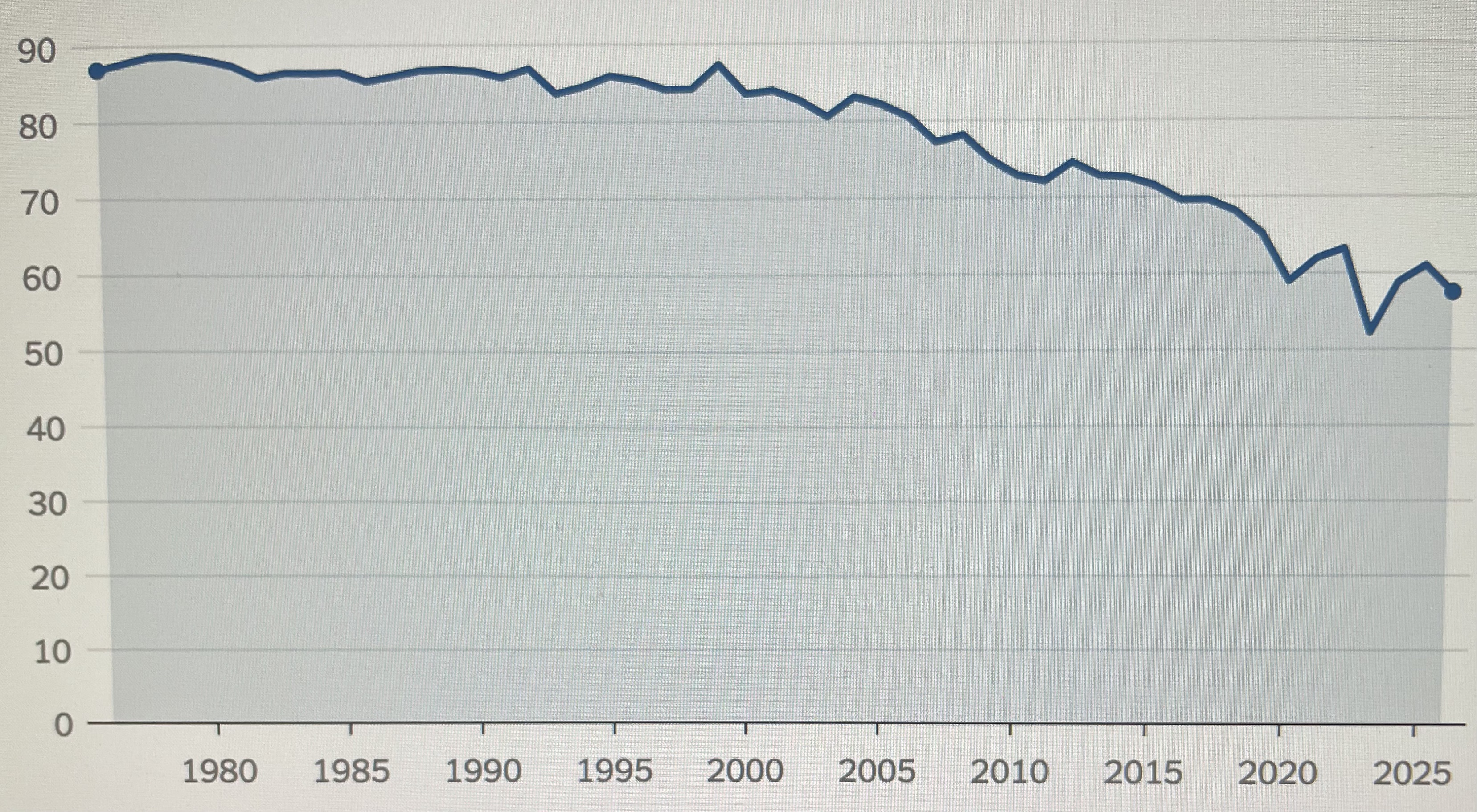
“Throughout the 1980s and ’90s,” Callie relates, “more than 80 percent of teenagers reported having their licenses by the end of high school, according to data from Monitoring the Future, a national survey of young people conducted by researchers at the University of Michigan. Today, that figure has fallen to 57 percent.”
Driving Instruction. Callie speaks with Korey Batey, a driving instructor in Detroit, who uses a TikTok video teaching kids how to parallel park. “For Batey,” Callie says, “the TikTok videos are just a hook. He teaches hundreds of behind-the-wheel lessons each year to students who are mostly ages 18 to 25. In Michigan, teenagers are eligible to get a learner’s license at 14.”
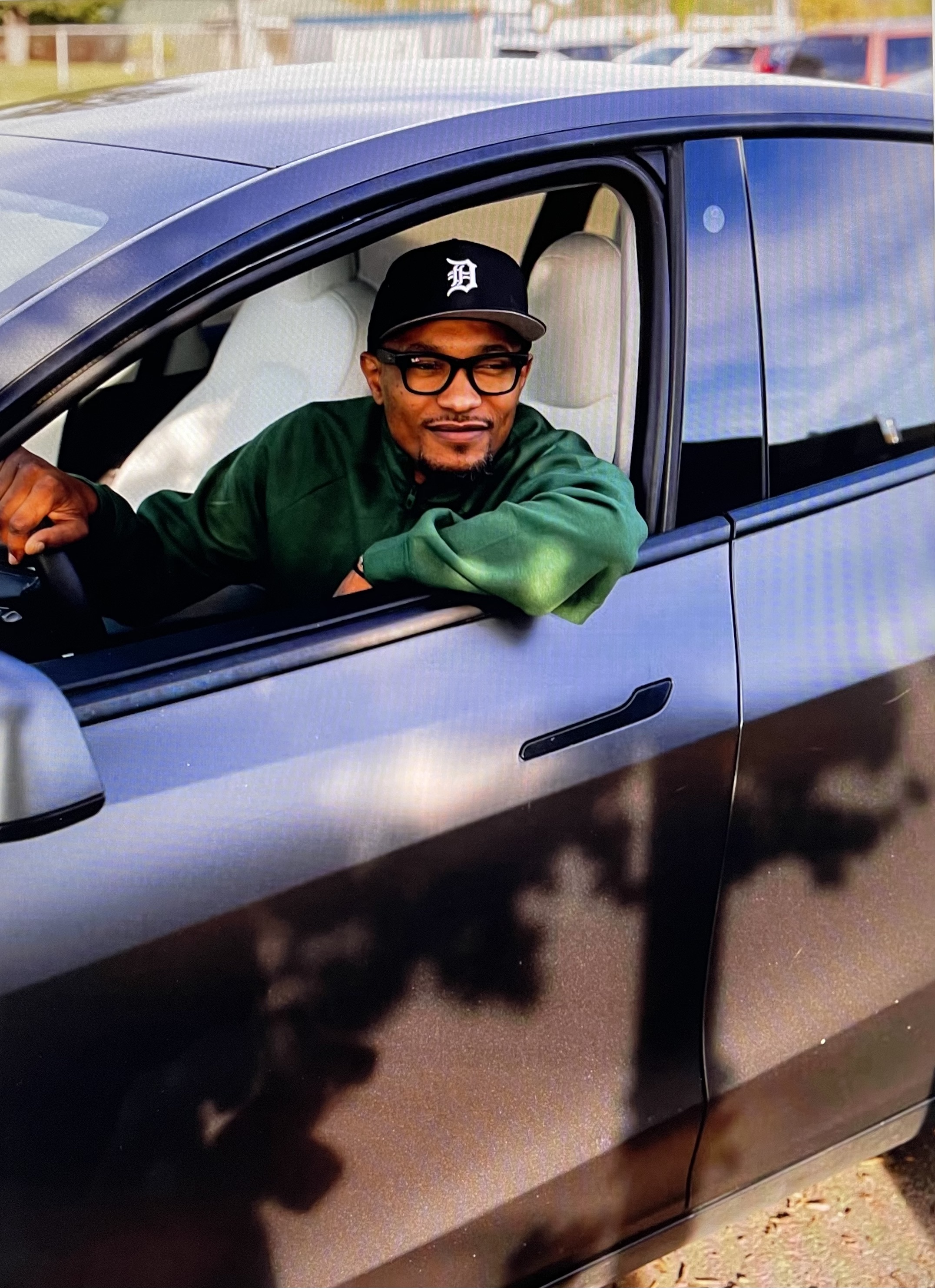
Uber, Lyft, and Gasoline Cost. “One sunny Friday in October,” Callie describes, “he guided students over speed bumps and through three-point turns in a Tesla equipped with a passenger-side brake. He thinks the delay in licensing has a lot to do with the availability of ride-sharing apps like Uber and Lyft. He also pointed to the cost of insurance (more than $200 a month to add a 20-year-old to a family’s policy), lessons (Batey charges $60 for a 30-minute session) and gas ($4.33 a gallon).”
Postponing Milestones. Callie also offers a societal perspective: “While the decline in teen licensure has attracted headlines for more than a decade, some of the most common theories about its causes are also the flimsiest, said Jean M. Twenge, a professor at San Diego State University and the author of the book Generations.”
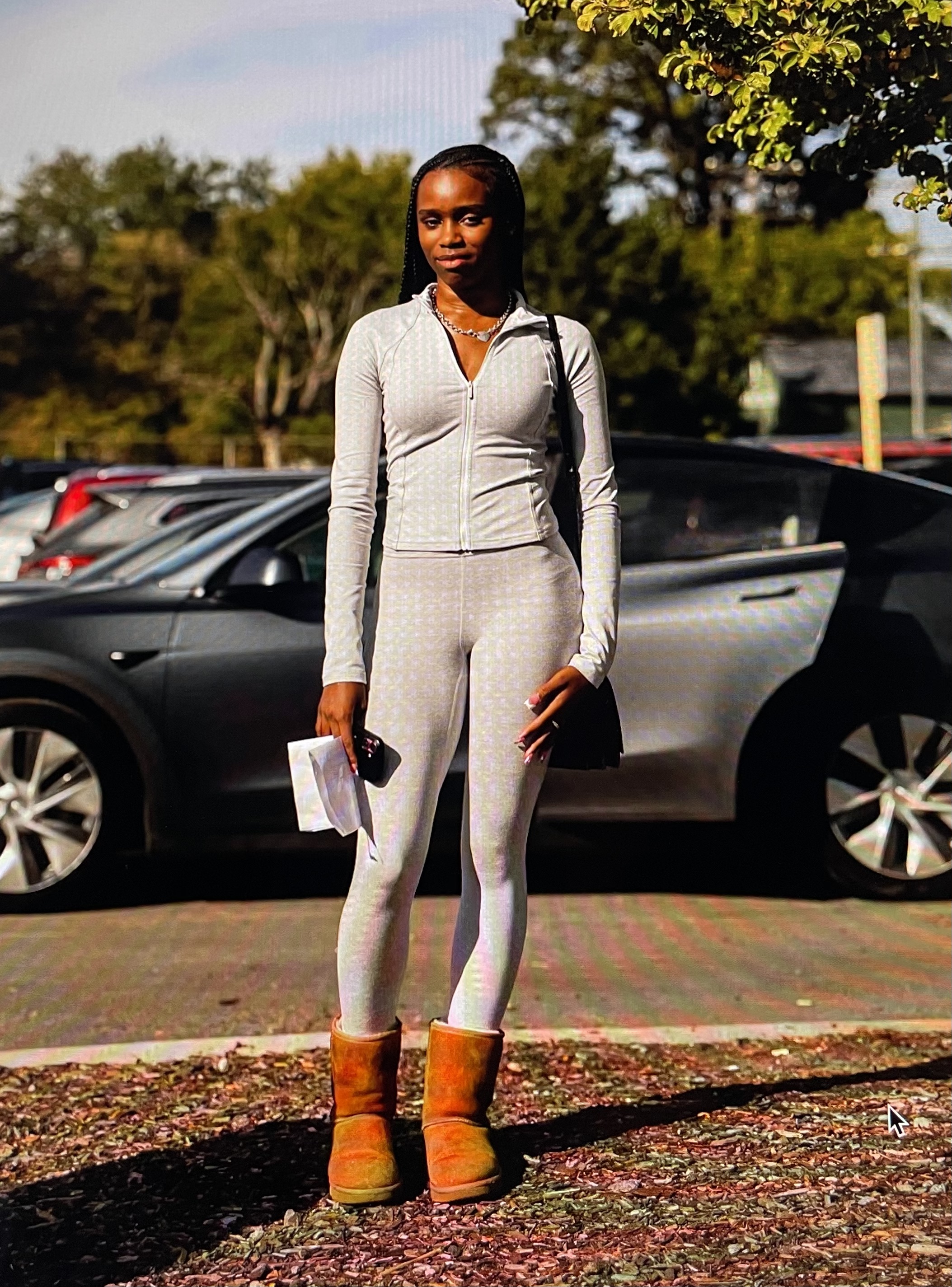
Callie continues, “For one, the decline in teenagers’ getting their driver’s licenses began well before ride-sharing apps existed. (Uber did not allow teens to ride alone until 2023; Lyft didn’t until this year.) And while teenagers with lower household incomes are more likely to delay getting their licenses, the overall trend has not fluctuated with economic upturns or downturns, she added. Rather, she credits the shift to a broader pattern of American teenagers postponing the milestones associated with adulthood.”
A “Slow-Life Strategy.” Callie observes, “As improvements in medicine and technology have extended American life expectancies, parents have been having fewer children, who grow up with less independence—a phenomenon that Twenge calls a ‘slow-life strategy.’ Today’s teenagers are also less likely to date, work, drink alcohol and have sex than those in previous generations. (Would the famous Clueless stinger—‘You’re a virgin who can’t drive’—even be an insult anymore?)
Indeed, how times have changed. ds
© Dennis Simanaitis, SimanaitisSays.com, 2026

