
Simanaitis Says
On cars, old, new and future; science & technology; vintage airplanes, computer flight simulation of them; Sherlockiana; our English language; travel; and other stuff
2026 IG NOBEL AWARDS—WITH A NEW HOME
I KNOW YOU’VE BEEN WAITING, AND JENNIFER OUELLETTE ANNOUNCES THE 2026 IG NOBEL PRIZE WINNERS, ars TECHNICA, September 3, 2026. She observes, “It’s that time of year again, when we learn which lucky scientists are among the winners of the Ig Nobel Prizes. This year, the prizes honor research on designing the perfect splash-free urinal; using mosquito proboscises to ‘necroprint’ tiny nozzles; studying composition rates of buried cotton underwear; and the aerodynamics of a healthy nose-blow, among other highlights.”

Here are tidbits gleaned from several of these most improbably scholarly achievements.
Background. Jennifer Ouellette recounts, “Established in 1991, the Ig Nobels are a good-natured parody of the Nobel Prizes; they honor ‘achievements that first make people laugh and then make them think.’ The unapologetically campy awards ceremony features miniature operas, scientific demos, and ‘24/7 lectures,’ whereby experts must explain their work twice: once in 24 seconds and the second in just seven words.”
Would that lots of lecturing could profit from such practice.
Previous celebrations here at SimanaitisSays include “Announced: The 2021 Ig Nobels,” September 12, 2021; “The 2023 Ig Nobel Prizes,” September 21, 2023; and “The 35th First Annual Ig Nobel Prizes,” October 6, 2025.
A New Venue. Lamentably—but understandably—the Ig Nobels are at least temporarily being held outside the United States. Jennifer observes, “After 35 years in Boston, the annual prize ceremony will take place in Zurich, Switzerland, this year and will continue to be held in a European city for the foreseeable future. The reason: concerns about the safety of international travelers, who are increasingly reluctant to travel to the US to participate. Four of last year’s 10 winners opted to skip the ceremony rather than travel to the US, and the situation has not improved.”
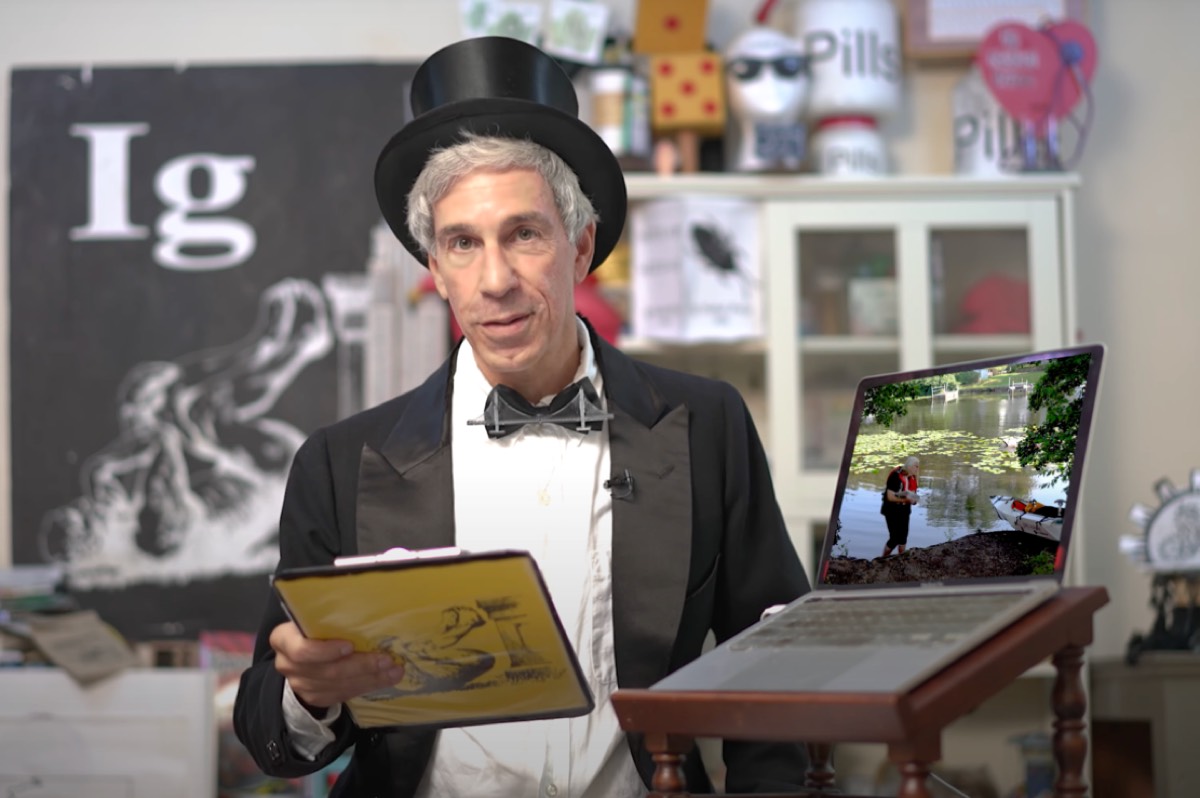
Jennifer quotes Marc Abrahams: “During the past year, it has become unsafe for our guests to visit the country. We cannot in good conscience ask the new winners, or the international journalists who cover the event, to travel to the U.S. this year.”
Hostility to Science and Foreigners. Ari Daniel reports, “Kissing Apes, Anti-Splash Urinals: This Year’s Ig Nobels Showcase Surprising Science,” WFAE 90.7, NPR, September 3, 2026. Ari cites Holden Thorp, Science editor-in-chief: “Unfortunately, the decision that they’re making to hold their ceremony outside the U.S. is quite rational…. A principle by which the United States built its scientific excellence, which is that we welcome the best scientific talent from all over the world—that is no longer the case.”
Pause here to dissipate my embarrassment for the U.S./distain for Trump and his cohorts. Then let’s return to the humor of the moment.
Ig Nobel in Economics. From the Abstract of “Higher Social Class Predicts Increased Unethical Behavior,” Piff et al., Jennifer cites, “Does one’s social status have any bearing on a given person’s tendency to engage in unethical behavior? To find out, the authors conducted seven related studies to examine this issue from multiple angles. For example, one field study assessed whether upper-class drivers (as adjudged by the type of car driven) were more or less likely to cut off other vehicles at a busy four-way intersection. Another one looked at whether such drivers were more likely to cut off pedestrians at a crosswalk. Yet another study tested whether subjects in a lab-based setting were more or less likely to help themselves to wrapped candies intended for children in another lab—a test of entitlement.” Test results confirmed the hypotheses, as well as lying about their scores in a series of random dicerolls..
Daughter Suz, Honda Fit driver in a SoCal sea of Teslas and giant white pickup trucks, offers yet other confirmation.
Olfaction. “Babies Smell Wonderful to Their Parents; Teenagers Do Not,” Croy et al., Springer. To cite an Improbable Research dictum: “Laugh first, then learn.”
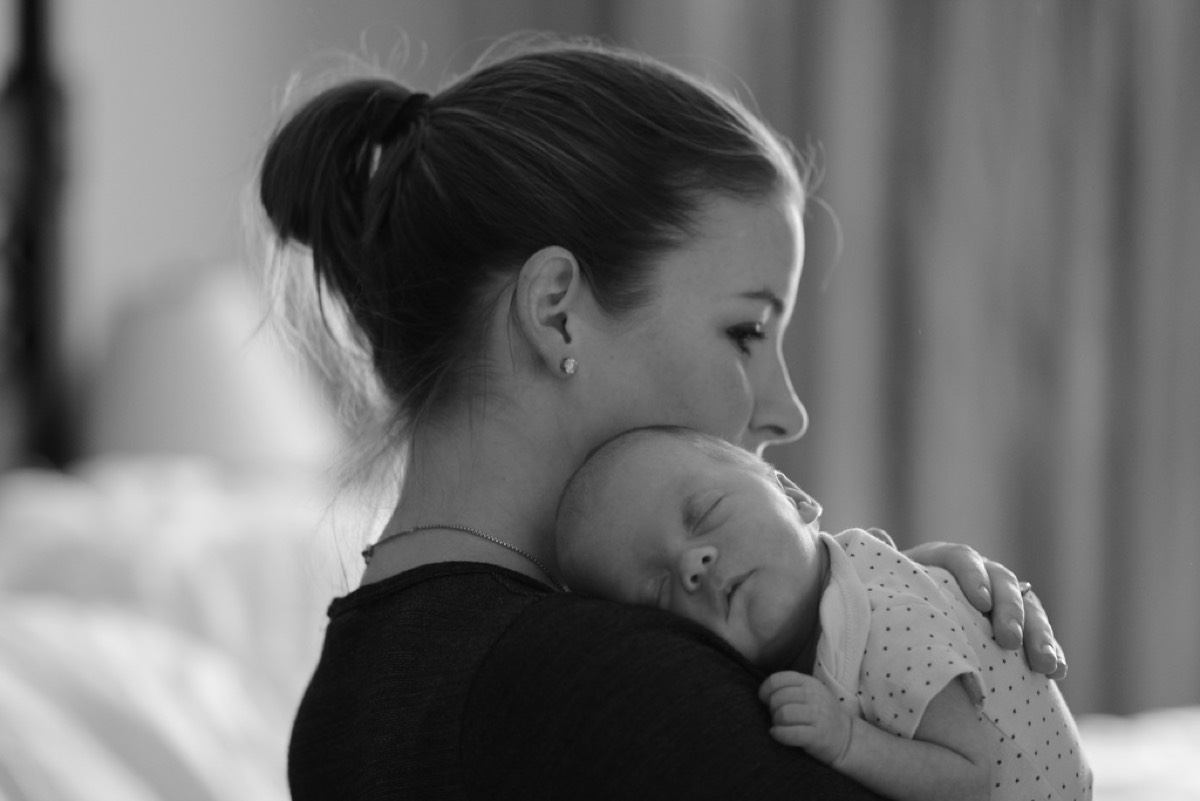
Jennifer recounts, “There is anecdotal evidence that parents tend not to mention enjoying their teens’ body odor as the inevitable hormonal changes kick in, and prior research has suggested this might be the case because as children become more independent, there is less need for the same level of bonding. The authors asked 235 parents to complete questionnaires related to this vital issue and found the responses lined up neatly with this hypothesis.”
Soil Science. “Soil Health Assessment Using Buried Cotton Underpants with the Help of 1000 Citizen Scientists,” S. Franz Bender el al. (and we mean al.: researchers plus those 1000 citizen scientists), New Phytologist Foundation. (Phytology, from the Greek, φυτό, plant.)
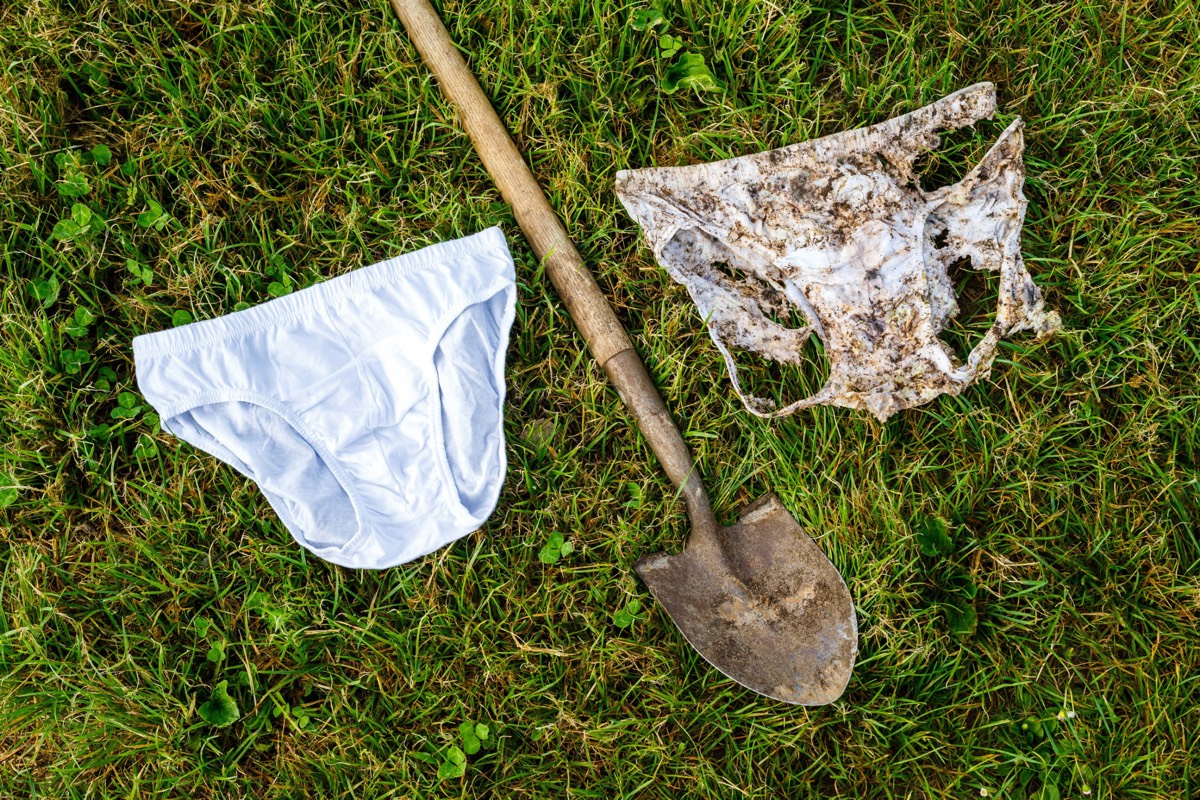
Gardener/Fruit and Vegetable Farmer Suz knew all about this as a test for the organic richness of soil. See also “Soil Your Undies!,” Pennsylvania Soil Health Coalition.
Just another example of “Laugh, Then Learn.” Thanks, Improbable Research. ds
© Dennis Simanaitis, SimanaitisSays.com, 2026

