
Simanaitis Says
On cars, old, new and future; science & technology; vintage airplanes, computer flight simulation of them; Sherlockiana; our English language; travel; and other stuff
SALVAGING (AND SATIRIZING) THE FLOTUS PART 1
THOMAS MALLON WRITES “A WOMAN SCORNED: Mary Todd Lincoln has long been derided. Is her reputation salvagable?,” The New Yorker, May 25, 2026; this, in his review of Lois Romano’s new book An Inconvenient Widow. The following, in Parts 1 and 2 today and tomorrow, are tidbits gleaned from Mallon’s review, along with my Internet sleuthing about a recent play called Oh, Mary.
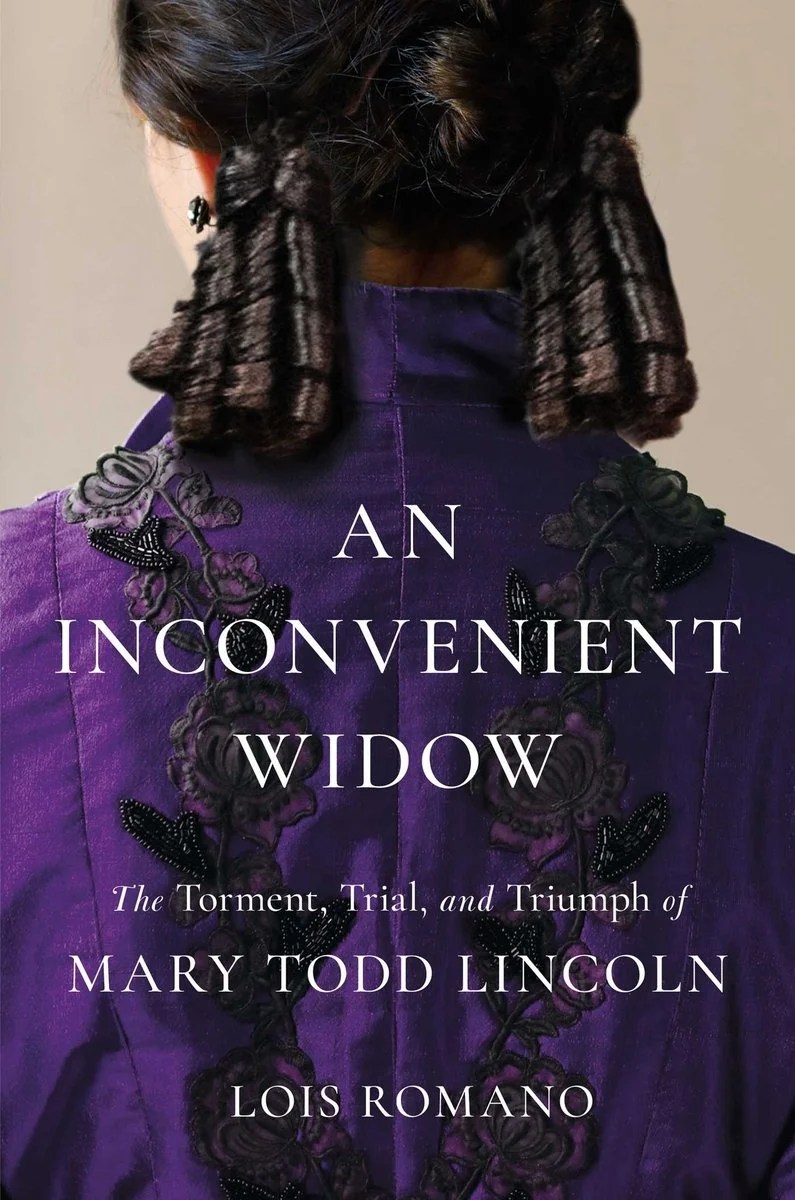
An Inconvenient Widow: The Torment, Trial, and Triumph of Mary Todd Lincoln, by Lois Romano, Simon & Schuster, 2026.
A Vault-like Lexington, Kentucky. Mallon begins by citing a literary critic/novelist: “Elizabeth Hardwick, visiting her home town of Lexington, Kentucky, in the late nineteen-sixties, declared that ‘the glory of the place is a certain vault-like solidity.’ Even so, she could find in Mary Todd Lincoln, one of the town’s most famous residents, ‘nothing to be happy about. Neurotic, self-loving, in debt at the White House, a bad wife, a rotten mother.’ ”
Ouch.
Mallon responds, “The first and third items in this indictment are indisputable; the second is a complicated and qualified matter; and the last two are libels, still part of popular legend no matter how often disproved by serious biography. So persistent are the charges against Mrs. Lincoln, even in minds as well informed as Hardwick’s, that Lois Romano, in her new book, An Inconvenient Widow: The Torment, Trial, and Triumph of Mary Todd Lincoln, decides they need refuting once again.”
A Prominent Family. “The Todd family,” Mallon recounts, “was so important in Lexington that Abraham Lincoln may (or may not) have remarked, ‘God spells his name with one D, but the Todds spell theirs with two.’ ” Ha. A good one.
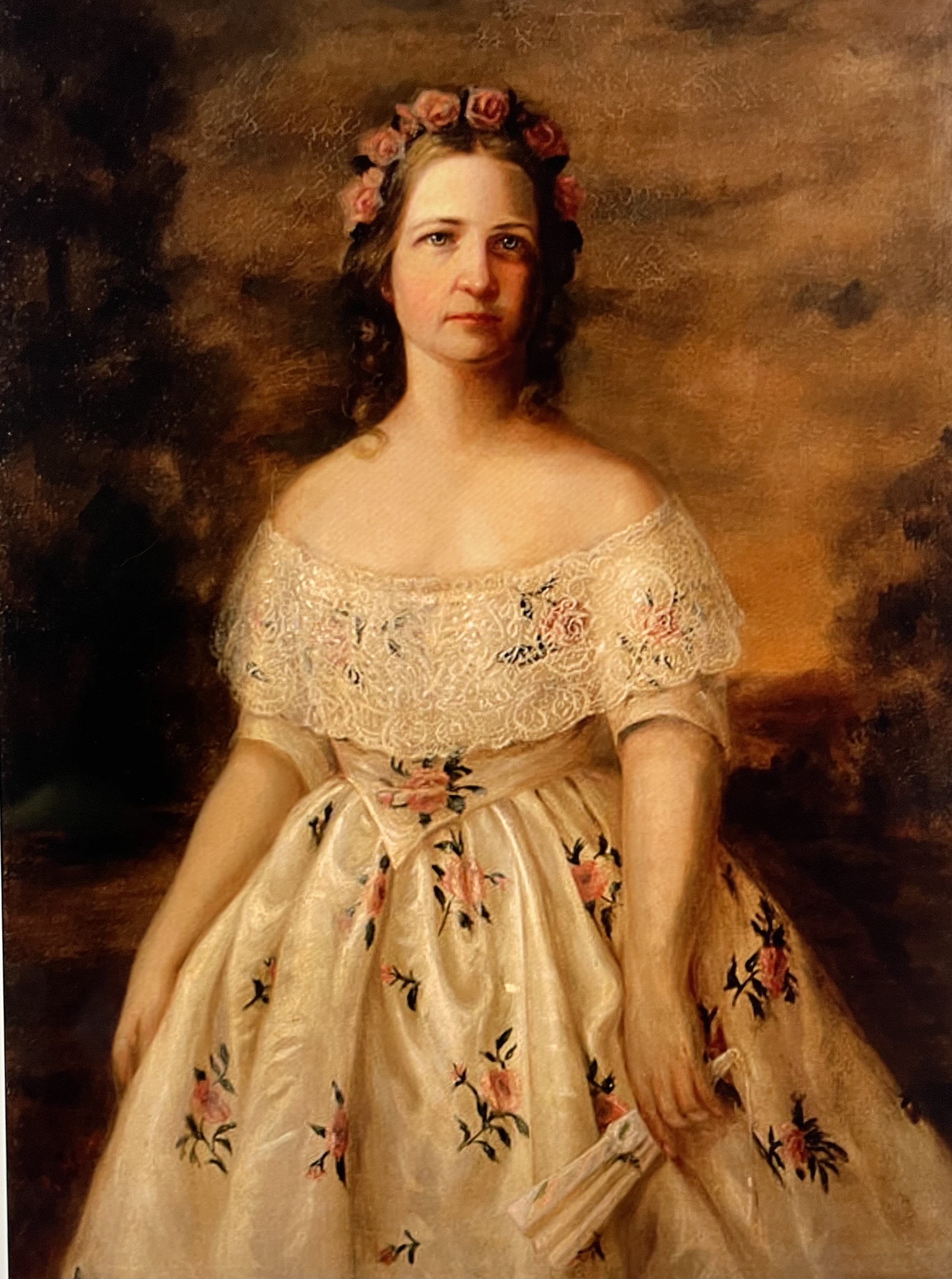
Mary Ann Todd Lincoln, 1818–1882. Image from whitehousehistory.org.
A Well-Schooled Daughter. Mallon describes, “Instructed by a Parisian couple at Mentelle’s for Young Ladies, Mary, as Romano notes, got more schooling than her future husband did. She surely was also exposed to Madame Charlotte Mentelle’s feminist beliefs and abolitionist leanings. Mary’s ‘disconcerting volatility, marked by stark highs and lows,’ was first noticed at the school and never fully left her.”
Leaving an Overstuff Mansion. “Mary stayed in her home town until she was nearly twenty-one, by which time she could no longer abide her stepmother and the Todds’ overstuffed mansion,” Mallon relates. “In 1839, she went off to live with a married sister, Elizabeth Edwards, in Springfield, Illinois, a more rough-and-tumble place than Lexington but a town soon to be its state’s capital.”
Mallon continues, “Witty and flirtatious and socially ambitious, Mary immediately attracted the interest of two state legislators, but Stephen A. Douglas was awfully short, and a Democrat besides, whereas the towering Abraham Lincoln, despite a lack of polish, had the sort of politics and personality that drew Mary in. A year later, they agreed to marry.”
An Engagement Hiatus. Mallon recounts, “… Mary, strongly intuitive, sensed that she had found the patient yin to her enlivening yang. She persevered in that belief even when Lincoln broke off their engagement for eighteen months, for reasons that remain the subject of endless biographical speculation and historical fiction.” Indeed, they were married on November 4, 1842.
A Tragic Motherhood. “Between 1843 and 1853, Mallon relates, “Mary gave birth to four boys. She would bury three of them before they turned eighteen and be left with the eldest and least affectionate, Robert Todd Lincoln, who eventually became her mortal enemy.”
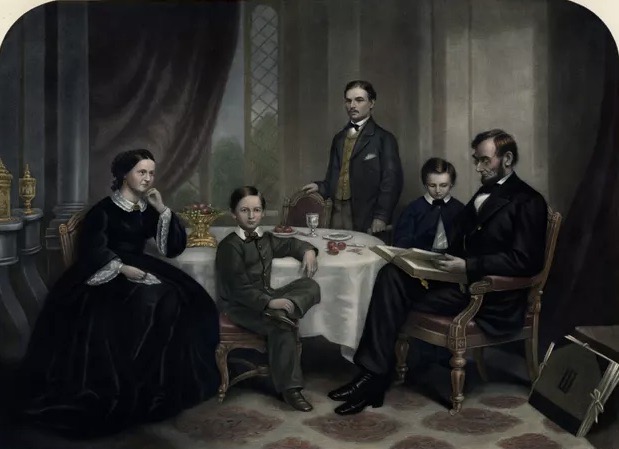
The 1860 Election. “In these early years,” Mallon notes, “Mary helped more often than she hindered, as when she steered Lincoln away from accepting the dead-end territorial governorship of Oregon…. Romano points out that, when Lincoln emerged as a dark horse in the 1860 Presidential race, journalists covering the election sometimes found Mary more impressive than her spouse. That June, one newspaper contrasted her ‘lady-like courtesy and polish’ with her husband’s ‘awkwardness,’ noticing how she ‘converses with freedom and grace.’ ”
Mallon continues, “The two of them were enough of a team that, on the night he won, Lincoln rushed home from the Springfield telegraph office to declare, famously, ‘Mary, Mary! We are elected!’ ”
Tomorrow in Part 2, we’ll see how matters evolved for the pair and how a recent spoof of it all became a Pulitzer finalist.
© Dennis Simanaitis, SimanaitisSays.com, 2026


Where do my comments go ? . I don’t see them . -NateLIVE in the world as it is, WORK to make the world as it should be