
Simanaitis Says
On cars, old, new and future; science & technology; vintage airplanes, computer flight simulation of them; Sherlockiana; our English language; travel; and other stuff
A LENTEN WORKAROUND—AND A BREAKFAST TREAT PART 2
YESTERDAY SARAH PRUITT HELPED US CATCH UP WITH NATIONAL PRETZEL DAY by way of her “The Pretzel: A Twisted History.” Today in Part 2, we continue with the theoretical side of pretzel twisting and the importance of the Maillard reaction. We also enjoy an innovative breakfast.
Pretzel Twisting For Fun and Profit. “Until the 1930s,” Sarah Pruitt relates, “pretzels were still manufactured by hand. But in 1935, the Reading Pretzel Machinery Company introduced the first automated pretzel maker, which enabled bakers to put out some 245 pretzels per minute, compared with the 40 per minute an individual worker could make by hand. Today, Pennsylvania remains the American pretzel-making capital, as a full 80 percent of U.S.-made pretzels come from the Keystone State.”
Indeed, both machine-formed and handmade pretzels are made today. See “How Factory Pretzels Are Made” and “Martin’s Handmade Pretzels.”
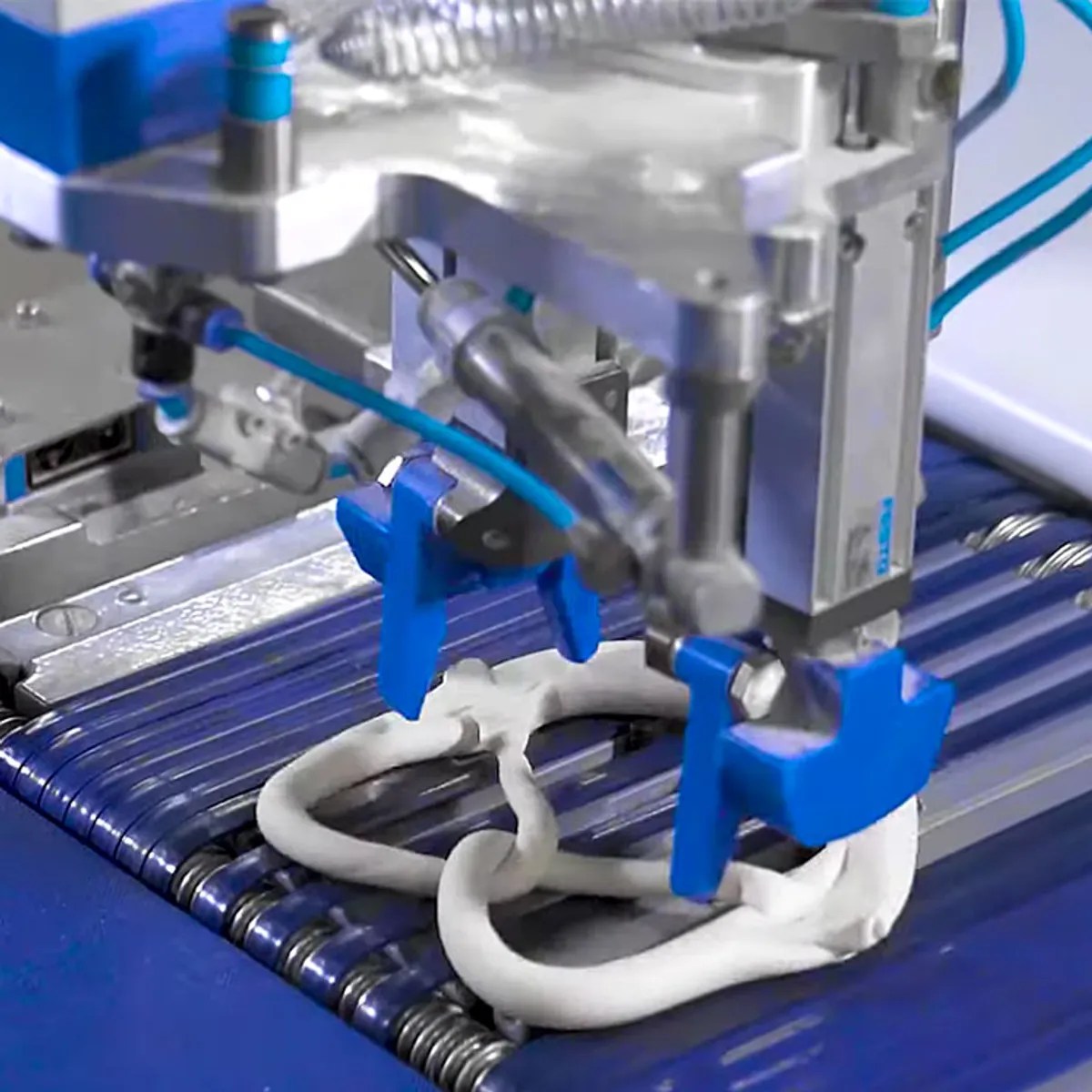
Thank the Maillard Reaction. Wikipedia cites, “The traditional pretzel shape is a distinctive symmetrical form, with the ends of a long strip of dough intertwined and then twisted back onto itself in a particular way (a pretzel loop or pretzel bow).”
Wikipedia continues, “Salt is the most common seasoning, or topping, for pretzels, complementing the washing soda or lye treatment that gives pretzels their traditional skin and flavor acquired through the Maillard reaction.”
“The Maillard reaction,” describes Wikipedia, “is a chemical reaction between amino acids and reducing sugars to create melanoidins, the compounds that give browned food its distinctive flavor. Seared steaks, fried dumplings, cookies and other kinds of biscuits, breads, toasted marshmallows, falafel and many other foods undergo this reaction.”
Wikipedia continues, “It is named after French chemist Louis Camille Maillard, who first described it in 1912 while attempting to reproduce biological protein synthesis. The reaction is a form of non-enzymatic browning which typically proceeds rapidly from around 140 to 165 °C (280 to 330 °F). Many recipes call for an oven temperature high enough to ensure that a Maillard reaction occurs.”
You’re free to try this at home, kids. But don’t confuse Maillard browning with caramelization, an entirely different process though the results of the two are sometimes similar to the naked eye (and taste buds).
My Breakfast Treats. When my life was filled with exciting travel, I enjoyed “Japanese breakfast, the best in the world,” as well as Danish Pålægschokolade (chocolate on bread), English kippers, Swedish herring, and South African mieliepap.
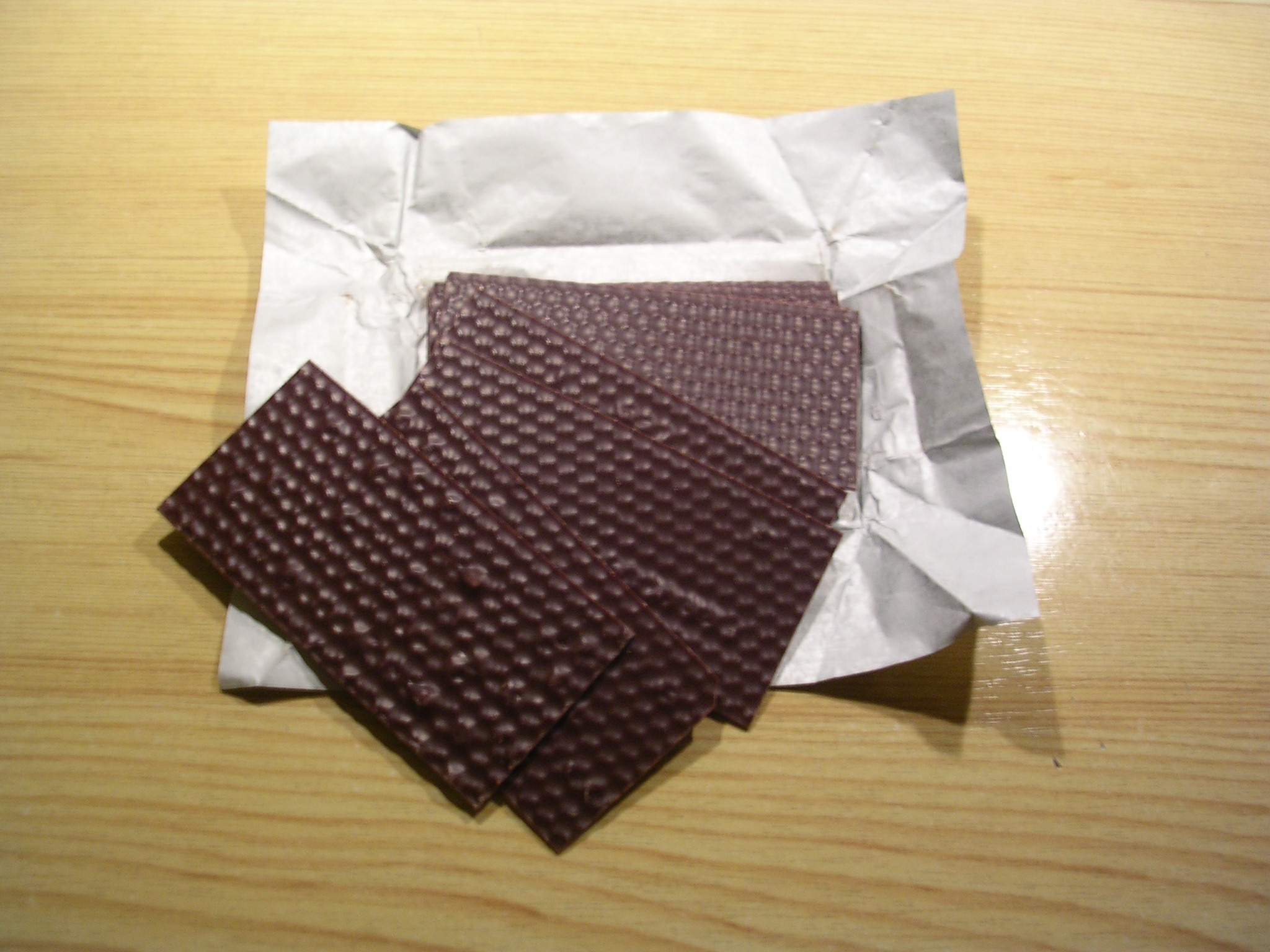
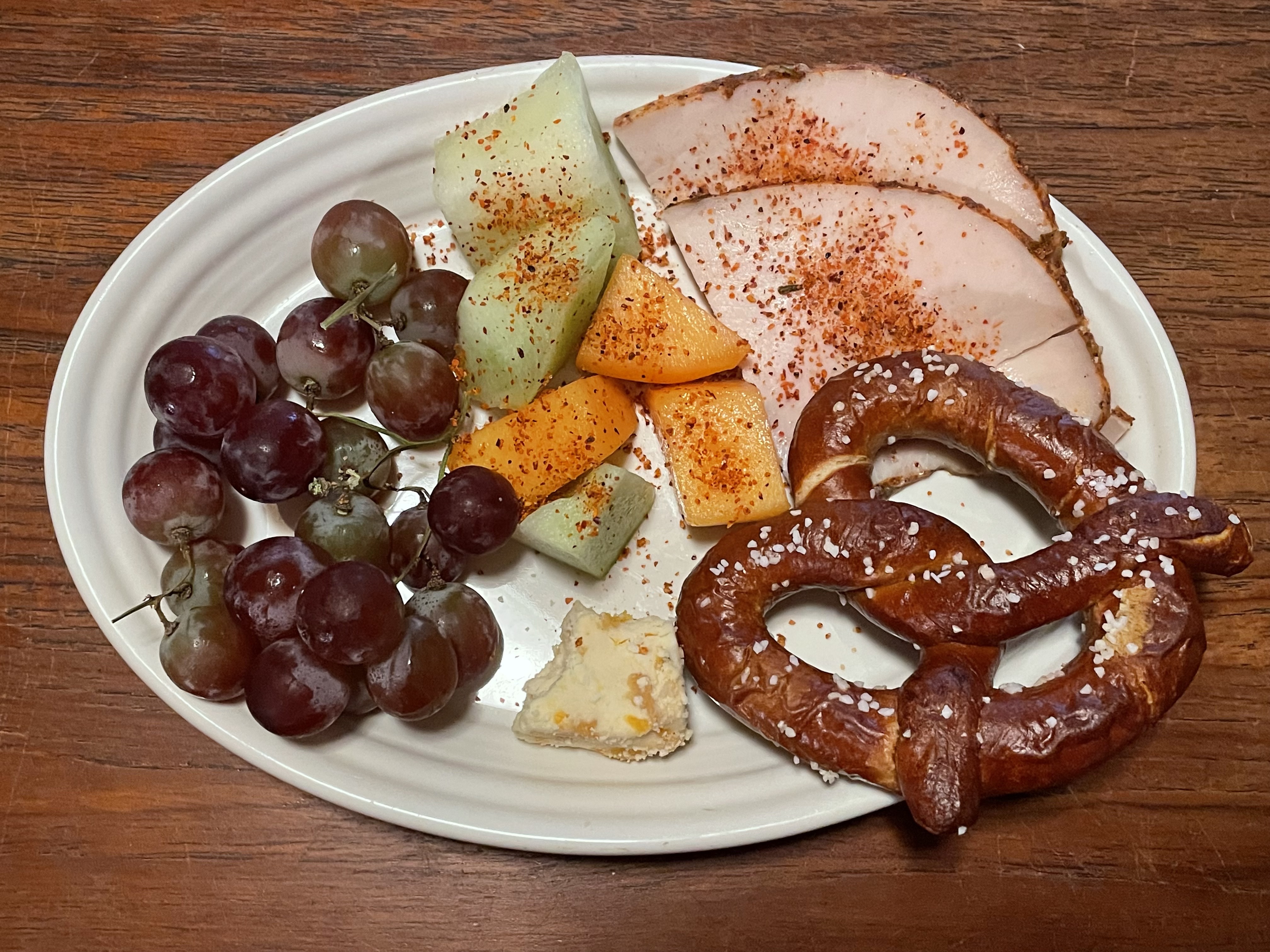
Here at home, I occasionally enjoy the easy prep of Tanzanian Chipsi Mayai. But for everyday breakfast—assembled whilst preparing kitty bowls as well—nothing beats a buttered pretzel, cheese, grapes, sliced turkey, and fruit, the last two sprinkled with Tajin.
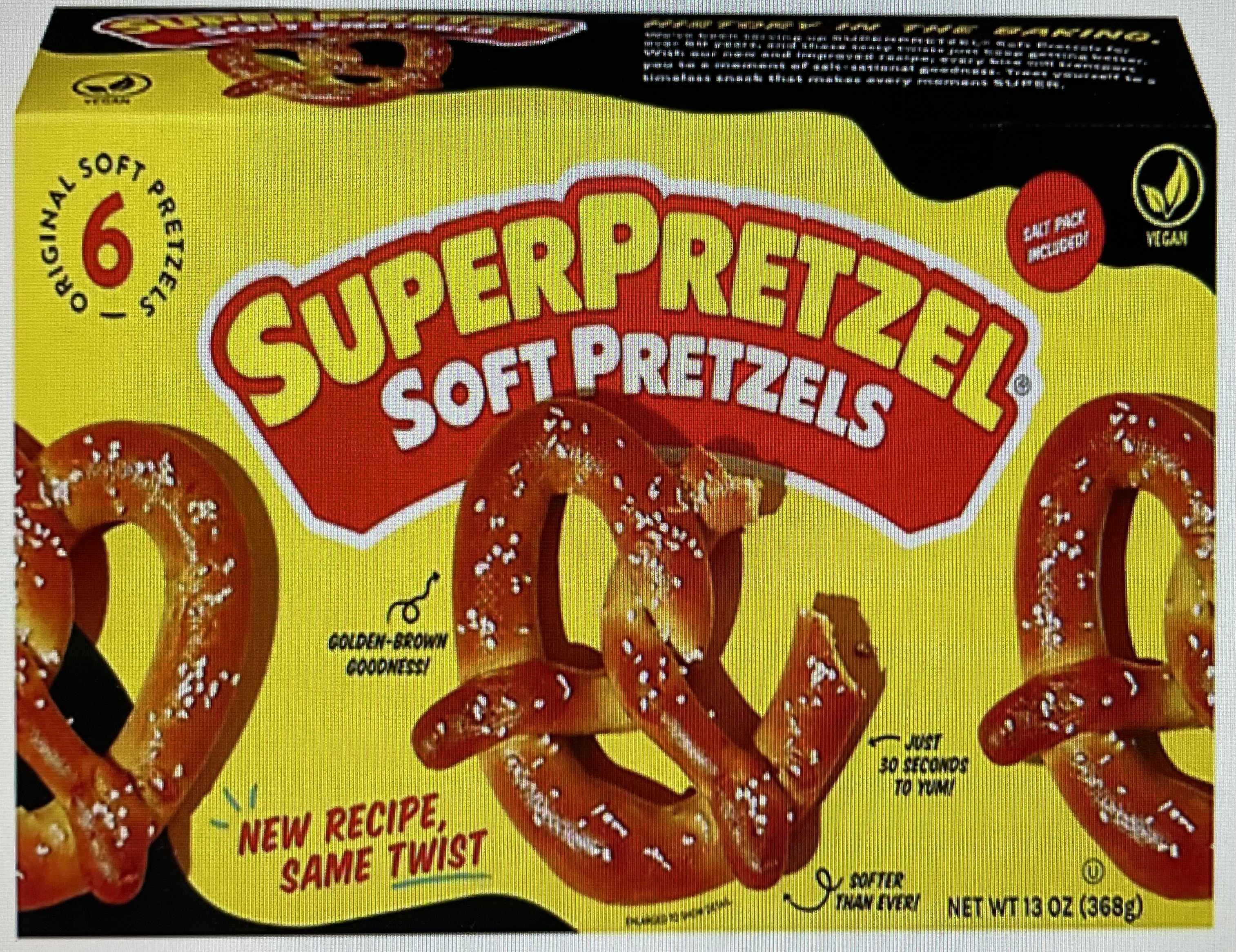
Specifically, the pretzel, baked in the toaster oven whilst gathering the rest, comes from SuperPretzel Soft Pretzel.
The grapes are typically red, occasionally black. The cheese is a chunk of Trader Joe’s White Stilton with Apricots, (a Product of England). Vons Primo Taglio Cajun Style Turkey Breast adds a bit more protein. Chunked cantelope and melon are the fruit. And the Tajin Classico Seasoning is essentially chili peppers and sea salt.
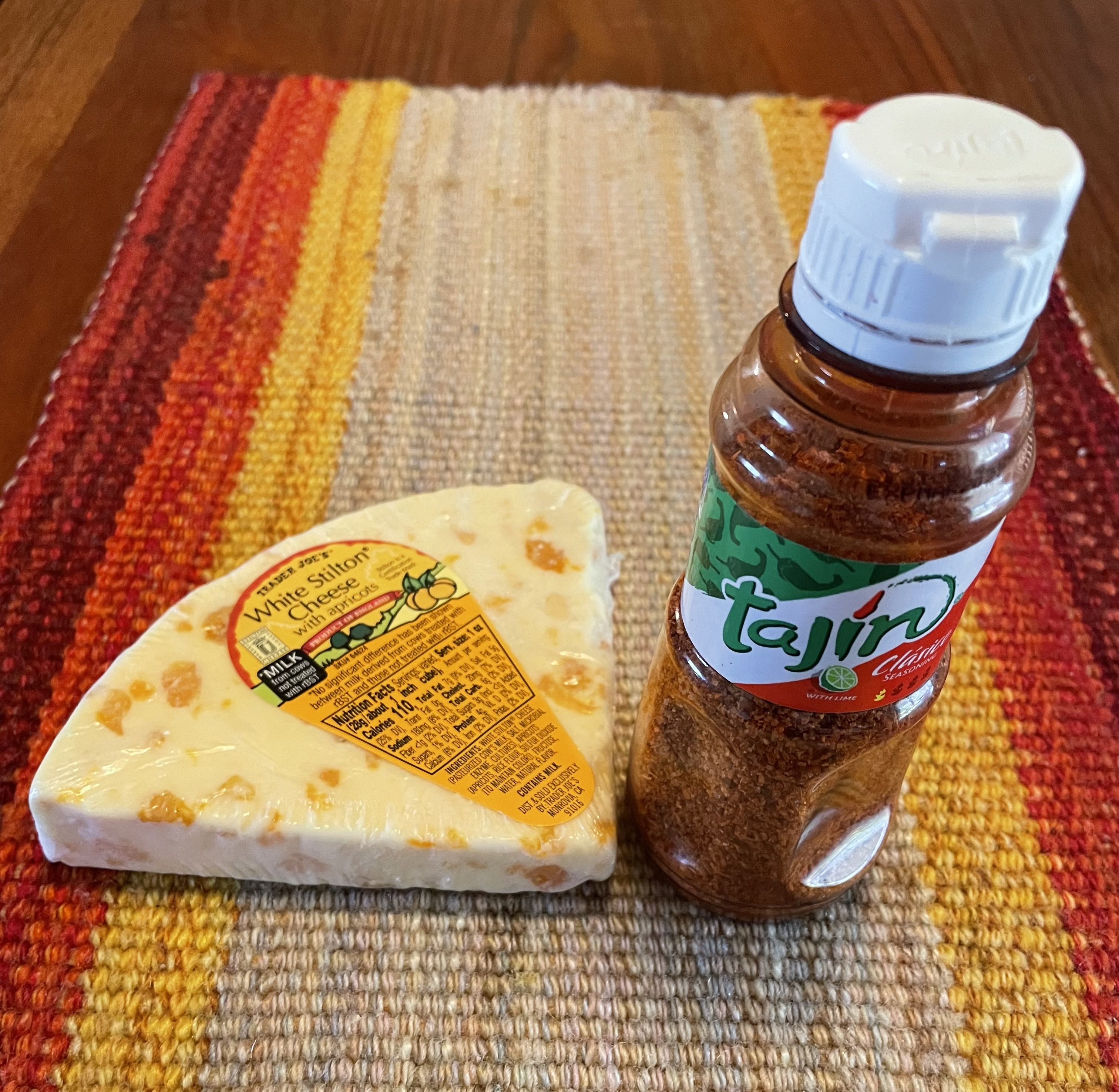
Yum. ds
© Dennis Simanaitis, SimanaitisSays.com, 2026
 Simanaitis Says
Reporting from Lancaster County Pennsylvania: I came here to work from Maryland in 1995. A first “above the Mason Dixon line” impression that stuck with me was the inscription on a bag of pretzels, it said “take some home vonst.” (If a customer inquired about a truck, he would ask “what for an engine does it have?”)
Later at Martin’s pretzel bakery in Akron PA, one found a row of Amish or Mennonite women on each side of a long table singing hymns and making pretzels. I usually bought a 5 pound box. They were quite popular among my friends and customers.
The Sturgis Pretzel House in Lititz, Pa, founded in 1861, claims to be the oldest commercial pretzel bakery in the United States. The Julius Sturgis Pretzel Bakery remains active in pretzel production and is a tourist attraction.
( I’m feeling bad about my occasional McDonald’s sausage and biscuit :^), but I’ll get over it tomorrow
Thanks, Bill, for your continued reporting.