
Simanaitis Says
On cars, old, new and future; science & technology; vintage airplanes, computer flight simulation of them; Sherlockiana; our English language; travel; and other stuff
TESLA PROFIT-SHIFTING SHEDS SOME $400M IN U.S. TAXES
AUTOMOTIVE NEWS, APRIL 27, 2026, SHARES A REUTERS REPORT “Offshore Tax Tricks Likely Saved Tesla Millions,” This, despite Elon Musk saying back in 2024 when campaigning for Trump, “I’m often pitched on these loopholes. I’m like, ‘That sounds pretty shady. I don’t think we should do that.’ ”
Harrumph.

Automotive News recounts, “Neither Tesla nor Musk responded to Reuters’ calls or emails seeking comment. The IRS didn’t respond to requests for comment.”
What’s more, Automotive News cites, “Reuters found no indication that Tesla’s tax practices violate any laws. And Tesla would hardly be the first company to shift profits overseas.”

Here are tidbits gleaned from Automotive News/Reuters.
Sources: “Reuters reviewed thousands of pages of regulatory filings by Tesla and its subsidiaries in 14 European, Asian and North American countries, as well as transcripts of presentations and public statements by Tesla executives.”
“The news agency,” Automotive News writes, “also interviewed over 20 equities analysts, auto-industry consultants, academics and tax professionals, including three U.S. tax experts who have testified more than a dozen times on such issues before Congress. The tax experts reviewed the Reuters analysis and agreed that its conclusions and calculations regarding Tesla’s apparent profit shifting are realistic.”
Exploiting Loopholes. Automotive News explains, “The practice, while controversial, is a common maneuver through which multinational corporations use loopholes in tax law to save money by moving profit from one jurisdiction to another with more favorable tax rules. ‘It’s not the way the international tax system should work,’ said Stephen Shay, a former deputy assistant secretary for international tax affairs at the U.S. Treasury and now an adjunct professor at Boston College Law School. Shay is one of the three prominent tax experts consulted by Reuters about Tesla’s tactics.”
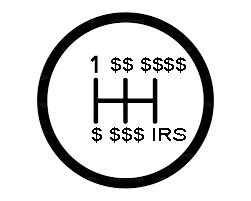
The Trick is Tied to Intellectual Property. “Profit shifting by Tesla,” observes Automotive News, “appears to have followed a decision early last decade to grant one or more foreign subsidiaries rights to its intellectual property, such as patents or know-how associated with its products. The move in effect would have allowed earnings once taxable in the U.S., because the intellectual property was based there, to be posted in a jurisdiction where income from its use is taxed less. Tesla hasn’t publicly acknowledged profit shifting or explained what purpose its Dutch and Singaporean subsidiaries serve in terms of tax planning.”
The Result. “But,” Reuters recounts, “regulatory filings in Singapore show that a subsidiary there, Tesla Motors Singapore Holdings, received roughly $18 billion in profits between 2023 and early 2025 from TM International, a Dutch unit of which the Singapore subsidiary owns more than 99 percent. TM International, one of several Tesla subsidiaries in the Netherlands, is registered with Dutch authorities as a nonresident ‘partnership.’ It lists no employees and isn’t required to file financial statements or pay Dutch taxes, the registry shows.”
Gee, this is the rich part: TM International doesn’t even bother itself with employees, Dutch or otherwise. It merely passes on the $18B to TMSH.

Nobody’s Talking. Needless to say, Reuters notes, “Spokespeople for the Tax Administration, the Dutch tax authority, and the Inland Revenue Authority of Singapore, that country’s tax agency, declined to answer questions about Tesla’s taxes. Both cited confidentiality rules preventing any comment.”
I’ll bet.
“Neither Dutch nor Singapore filings give details about the partnership’s operations, its dealings with sibling subsidiaries that manufacture and distribute Tesla products, or how or where the partnership’s profits were generated. The filings in Singapore show that Tesla Motors Singapore Holdings is not taxed there on income derived from the partnership.”
Pity poor Singaporeans. You’d think they might have profited from the $18LargeLargeLargeLargeLarge.
Legal, But.… Automotive News quotes Reuven Avi-Yonah, a University of Michigan tax law professor: “It’s entirely about shifting profits to low-tax jurisdictions.” The two other tax experts consulted by Reuters—Shay, the former Treasury Department official, and Stephen Curtis, a Denver economist who has advised the U.S. Department of Justice—agreed with the assessment.
IRS Gets $400 Million Less. Automotive News reports, “Even if discontinued, the tax experts said, the arrangement has likely already helped Tesla reduce its U.S. tax burden by at least $400 million. The figure is based on a headline corporate tax rate of 21%, continued profitability at Tesla, and stored-up tax breaks the company hasn’t yet applied. Because the profit shifting reduced its U.S. tax bill in recent years, those breaks remain usable once Tesla owes taxes to the federal government.”
Geez.
Not the Only Profit Shifter. Automotive News recounts, “Both the U.S. Congress and the IRS have argued that these arrangements can be vehicles for tax avoidance. Microsoft, for instance, has been battling a 2023 claim by the IRS that the company owed more than $28 billion in taxes related to profit shifting. The company has denied wrongdoing.” ds
© Dennis Simanaitis, SimanaitisSays.com, 2026


Oh hypocrisy, where is thy sting!