
Simanaitis Says
On cars, old, new and future; science & technology; vintage airplanes, computer flight simulation of them; Sherlockiana; our English language; travel; and other stuff
A HUNGER (AND LUST) FOR WORDS
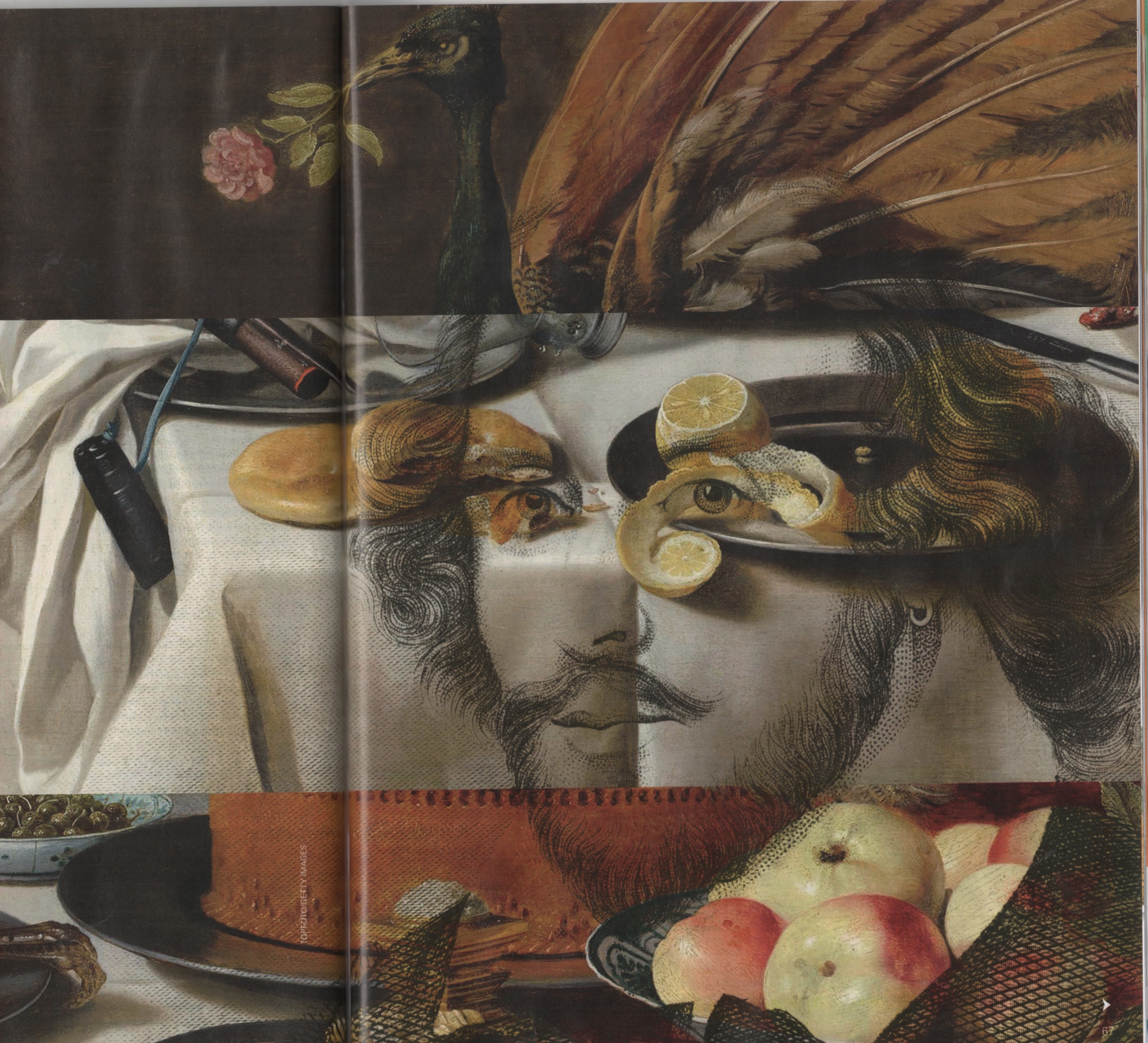
MY LATEST HISTORY EXTRA (USTA BE BBC HISTORY) has “Eat, Drink and Be Merry,” by historian Sam Bilton, who certainly knows her way around Elizabethan times and kitchens: “Shakespeare’s works,” she notes, “are peppered with countless food references: pies, cakes, capons and a great deal of sherry.” Here, identified in quotes, are tasty tidbits gleaned from her article. My comments and others’ typically appear unadorned.
Ale, More Than a Quaff. Sam cites, “Take the moment in Act 2, Scene 3 of Twelfth Night when the fun-living Sir Toby Belch asks Olivia’s Puritan steward, Malvolio: ‘Dost thou think, because thou are virtuous, there shall be no more cakes and ale?”
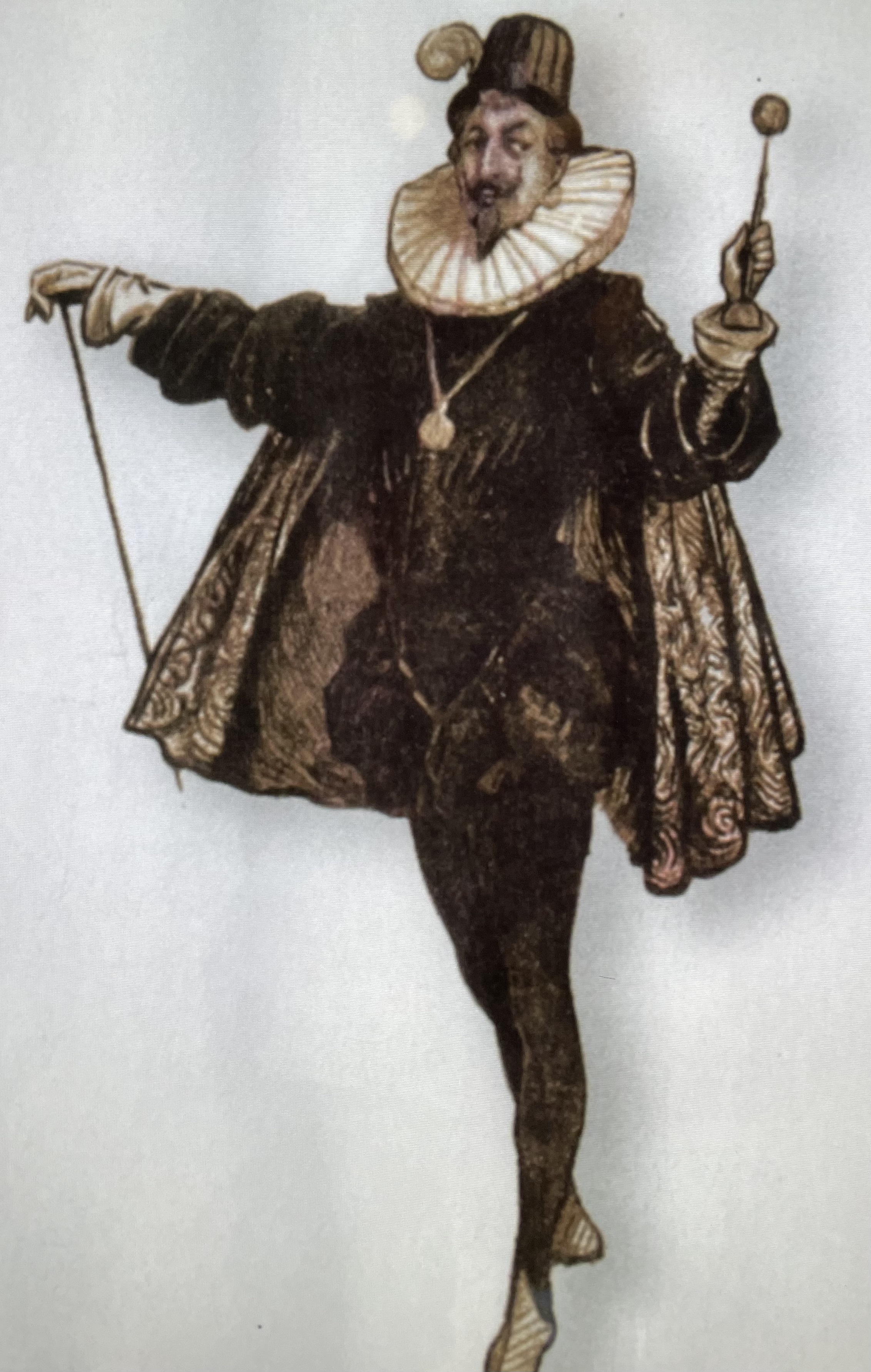
“In Shakespeare’s day, the word ‘ale’ referred not only to a drink but also to social gatherings celebrating everything from religious holidays (for example, Whitsun-ales) to weddings—hence the word ‘bridal’ from ‘bride-ale.”
Cakes Were Fancier Too. “In this period,” Bilton recounts, “cakes were more akin to brioche, and contained expensive ingredients such as sugar, spices and exotic dried fruit—definitely a luxury.”
“Let The Sky Rain Potatoes.” “Moden theatregoers watching The Merry Wives of Windsor may be puzzled by Sir John Fallstaff’s line invoking a bombardment of potatoes—particularly in what is supposed to be a scene of seduction or, as Falstaff puts it, ‘a tempest of provocation.’ But in Shakespeare’s day, certain foods were believed to have aphrodisiac properties—among them the exotic potato, along with the eryngo (sea holly) roots also mentioned in this speech.”
Wikipedia reminds us that potatoes are native to the Americas: “Wild potato species can be found from the southern United States to southern Chile. Genetic studies show that the cultivated potato has a single origin, in the area of present-day southern Peru and extreme northwestern Bolivia.”
Thus, potatoes must have seemed exotic indeed to Elizabethans. Come to think of it, Wife Dottie’s family worshiped potatoes, as I too came to love them (potatoes; Dottie’s family too).
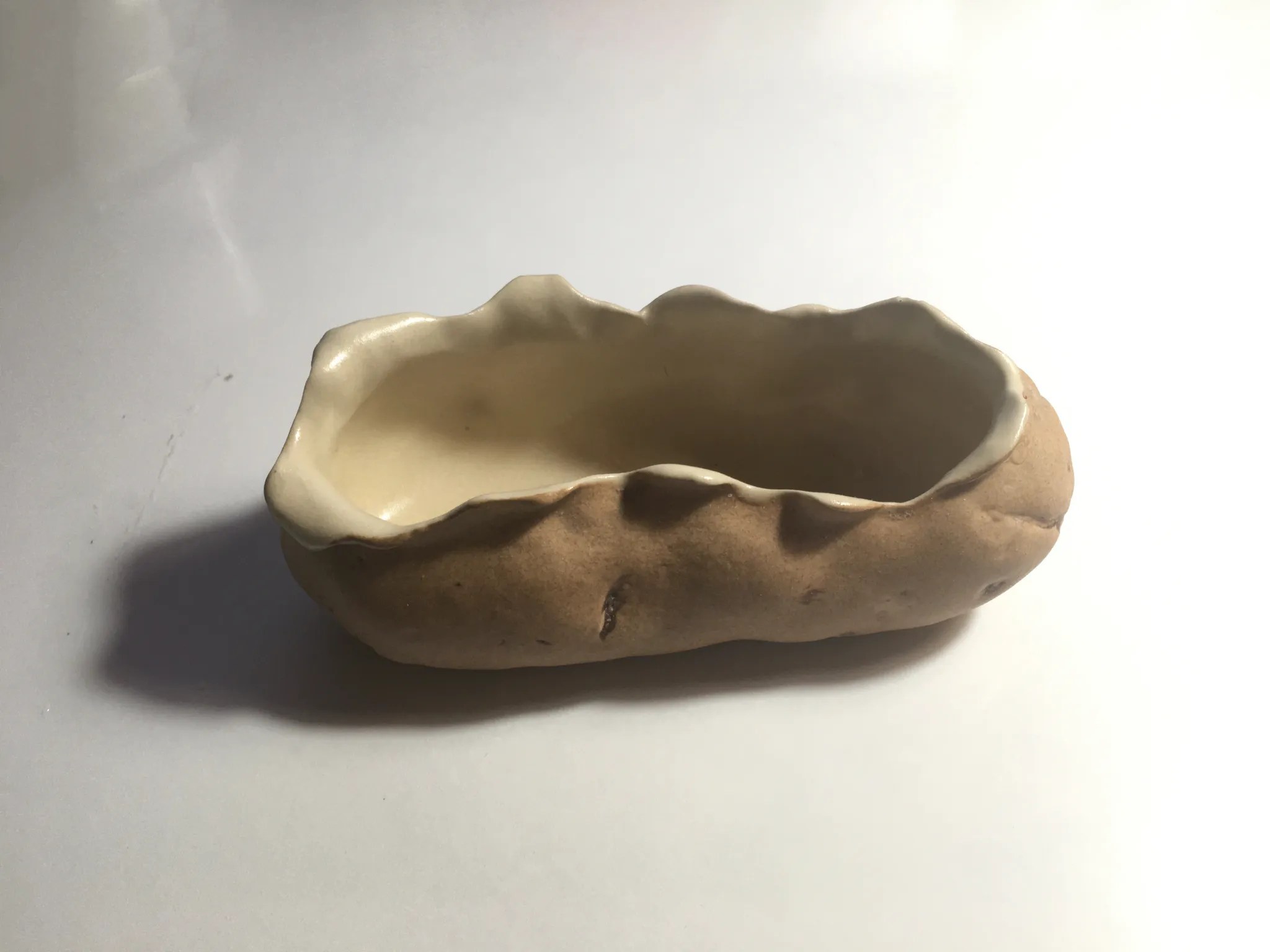
Elizabethan Spuds. “The tubers invoked in Shakespeare’s play were most likely what was then known as the Spanish variety, or sweet potatoes. At that time, these were viewed as novelty foods and, therefore, luxuries, not staples.”
And, of course, aphrodisiacs were luxuries as well.
Bilton cites a 16th-century recipe for “A Tart That Is a Courage to a Man or Woman.” Which got me thinking about our multiple meanings of the word “tart.” My OED traces it to the French “tarte,” an open-faced cake. It also describes Chaucer’s adjectival use as “a sharp, pungent, or sour taste.” The OED also cites a late 19th-century slang: “(orig. endearingly), a girl or woman (often one of immoral character).”
Stewed Prunes?! “While some foods were believed to boost sexual appetites and performance, others were considered to provide protection from associated risks. For example, unlikely as it seems today, in earlier times stewed prunes were associated with prostitutes and brothels. One theory is that they were believed to protect against transmitted diseases such as syphilis.”
I am reminded of an alleged contraception means: a single chickpea held firmly between the woman’s knees.
Those Windsor Wives Again: “Take the following line spoken by Abraham Slender in The Merry Wives of Windsor: ‘I bruised my shin th’ other days while playing at sword and dagger with a master of fence—three veneys for a dish of stewed prunes—and, by my troth, I cannot abide the smell of hot meat since.”
“The reference to stewed prunes suggest that Slender is in fact talking about an episode in a brothel. In addition, prostitutes were often compared to joints of meat such as mutton—hence the end of his comment. So the ‘hot meat’ to which Slender refers is a sex worker, and veney is an archaic English word meaning a bout or thrust. Essentially, he is talking about a poor sexual experience with a prostitute.”
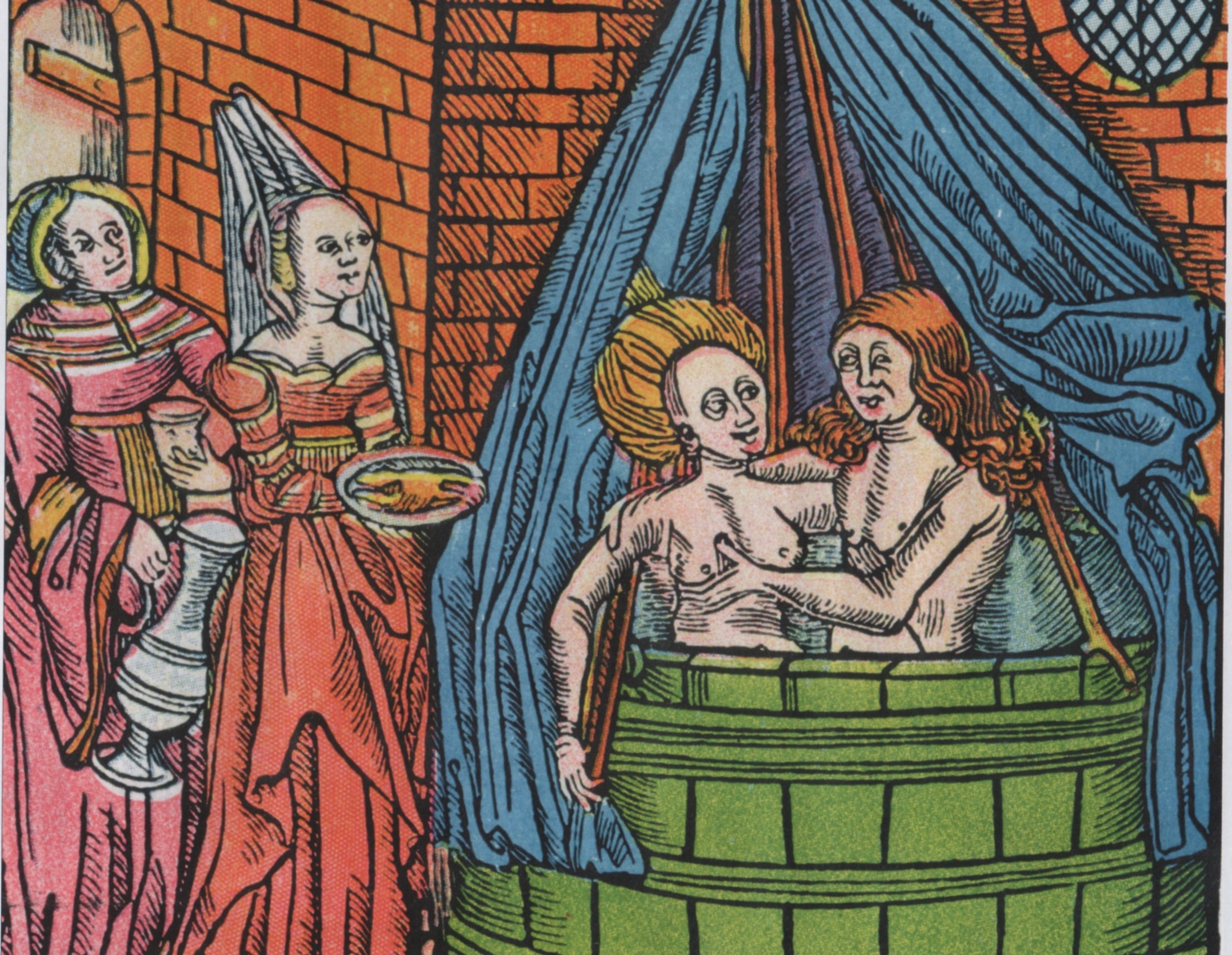
Sexual Innuendo Versus Blasphemy or Politics. “Given the sexual innuendo prevalent in early modern plays, it seems unlikely that the use of food references to allude to sex was an attempt to avoid censorship—in fact, blasphemy and political comments were more likely to upset the authorities.”
A Personal View. Gee, I don’t recall Mrs. Grimbly ever discussing Merry Wives in middle-school English, though she did have us memorize bits of Macbeth and Hamlet. Just for fun, I consulted The Annotated Shakespeare to get A.L. Rowse’s view on all these shenanigans.
Near the end of Act I Scene 1, Slender chats up Anne, daughter of Mistress Page. The only Rowse annotation is that veneys means Bouts.
Harrumph. Rowse musta been in cahoots with Mrs. Grimbly. Thanks, Sam, for giving us the real skinny about Slender. ds
© Dennis Simanaitis, SimanaitisSays.com, 2026

