
Simanaitis Says
On cars, old, new and future; science & technology; vintage airplanes, computer flight simulation of them; Sherlockiana; our English language; travel; and other stuff
THE JAPANESE HAVE A WORD FOR IT PART 2
YESTERDAY, REBEKAH BRANDES’ NICE NEWS article got us started with Japanese words and phrases enriching our lives. Perhaps still in need of intellectual and emotion reparation, we continue today in Part 2.

Shikata Ga Nai 仕方がない. Accept What You Cannot Control. Rebekah recounts, “Loosely translating to ‘it cannot be helped,’ this term is used similarly to the French phrase c’est la vie, meaning ‘that’s life’ (or, less poetically, the American term ‘s*** happens’).
I also like the rendering in the American theologian Reinhold Niebuhr’s “Serenity Prayer”: “God, grant me the serenity to accept the things I cannot change, courage to change the things I can, and wisdom to know the difference.”
How immensely important that last portion is.
Shoshin 初心. A Beginner’s Mind. Rebekah describes that shosin is “the belief that no matter your age, education, or experience level, there’s value in approaching life through the lens of a beginner: one of excitement, openness, and a willingness to learn.”
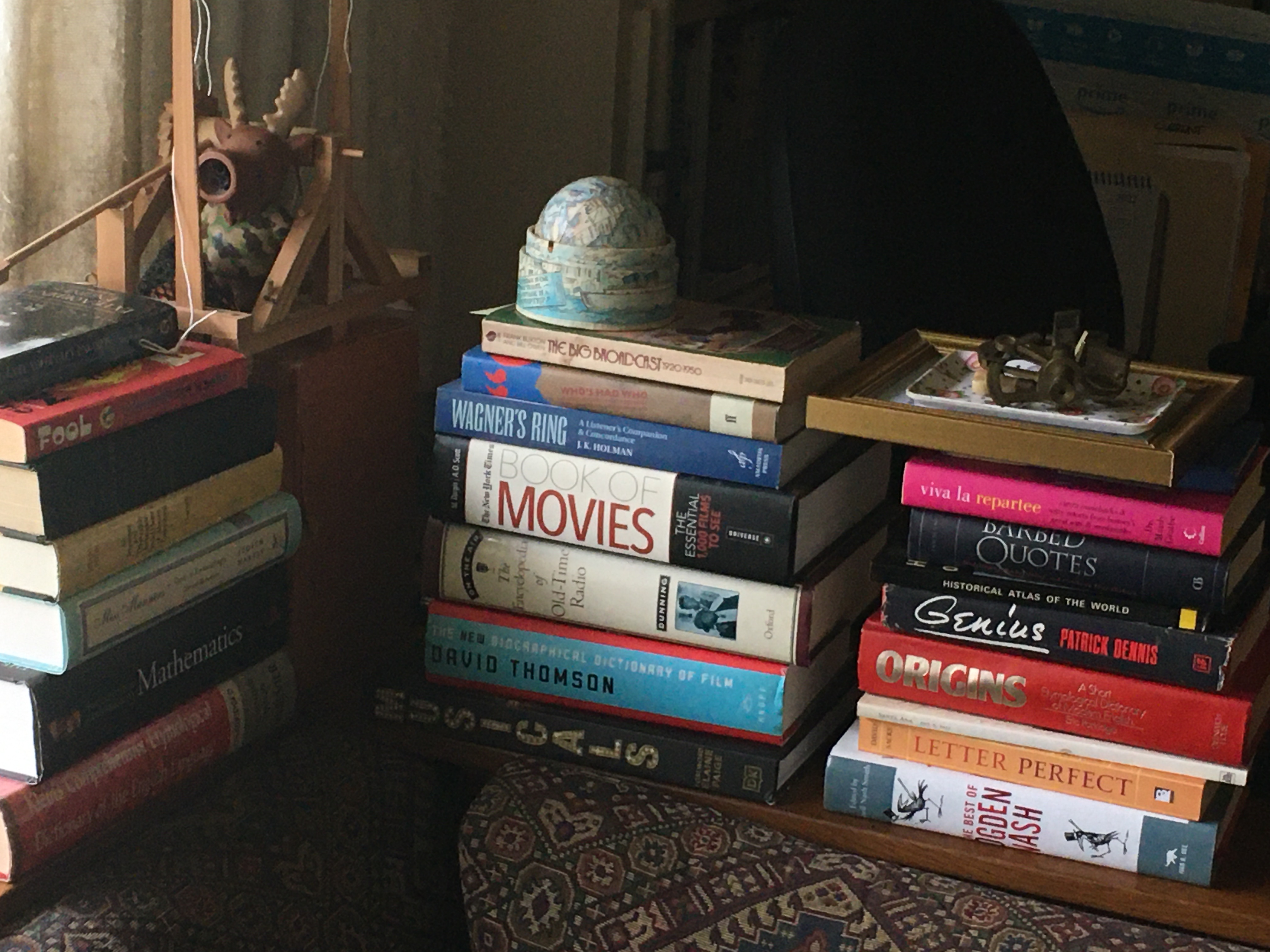
I like this one a lot. Inherent in my own variation is “ちょっとつんどく—MY PERSONAL JAPANESE PHRASE.” (Tsundoku is the habit of acquiring books and letting them pile up without reading. Oops. At least I read a little of each—and learn from it.)
Wa 和. Harmony. Rebekah recounts, “Wa is a single Japanese character that contains multiple meanings, but overall represents social harmony—a peaceful, interdependent existence. It’s a deeply held value in Japan and also one of the four principles in the traditional Japanese tea ceremony.
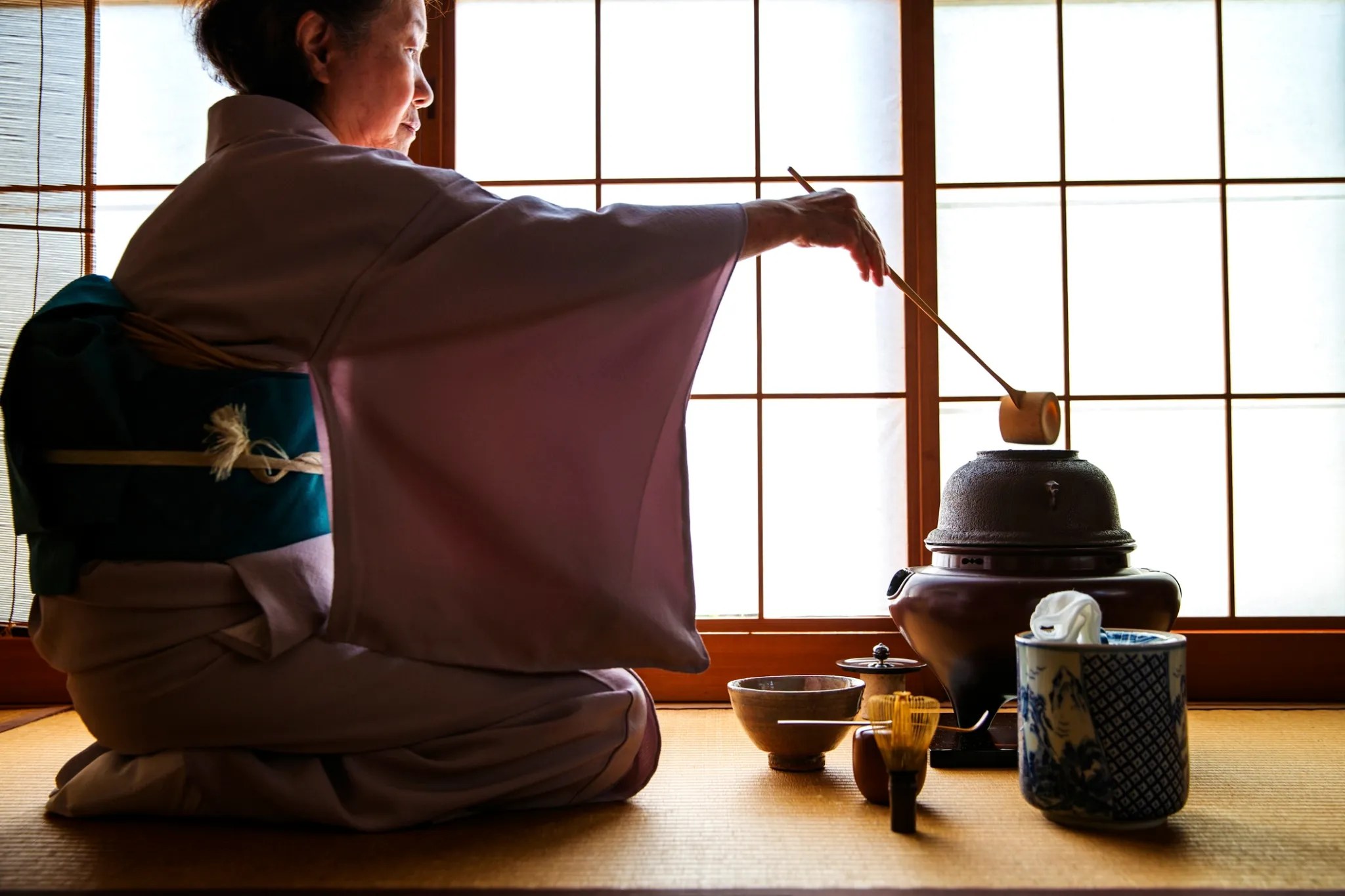
Image by OLUOLU3/ISTOCK via Nice News
I confess this one can be a toughie. Rebekah writes, “Incorporating wa in your own life is a matter of embracing humility and prioritizing accord with others over protecting your ego.”
Wabi-Sabi 侘び寂び. Embrace Imperfections. Rebekah shares, “The meaning of wabi-sabi, as it’s understood in the Western world comes down to three basic ideas, psychology professor Trevor Mazzucchelli explained for The Conversation: ‘Things are flawed, things change, and things are never fully finished.’ ”
My Internet sleuthing revealed a lovely rendering: “Rather than lamenting a chipped teacup, celebrate its history.”
Also see “Japanese Aesthetics, Courtesy of Mazda,” SimanaitisSays, October 4, 2013.
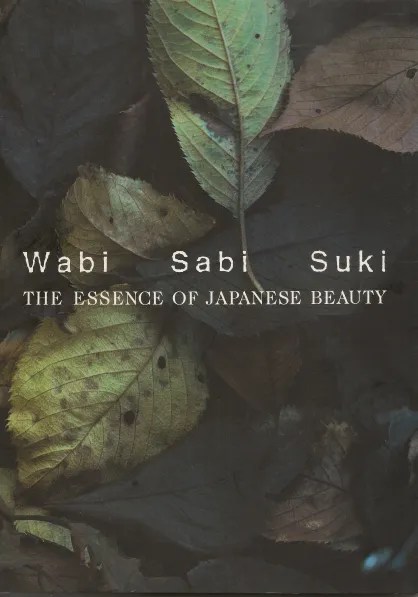
Wabi Sabi Suki: The Essence of Japanese Beauty, by Yoshida Mitsukuni, Tanaka Ikko and Sesoko Tsune, Mazda, 1993.
A YouTube Meditation. Internet sleuthing also reveals other meaningful Japanese concepts enriching Rebekah’s fine collection.
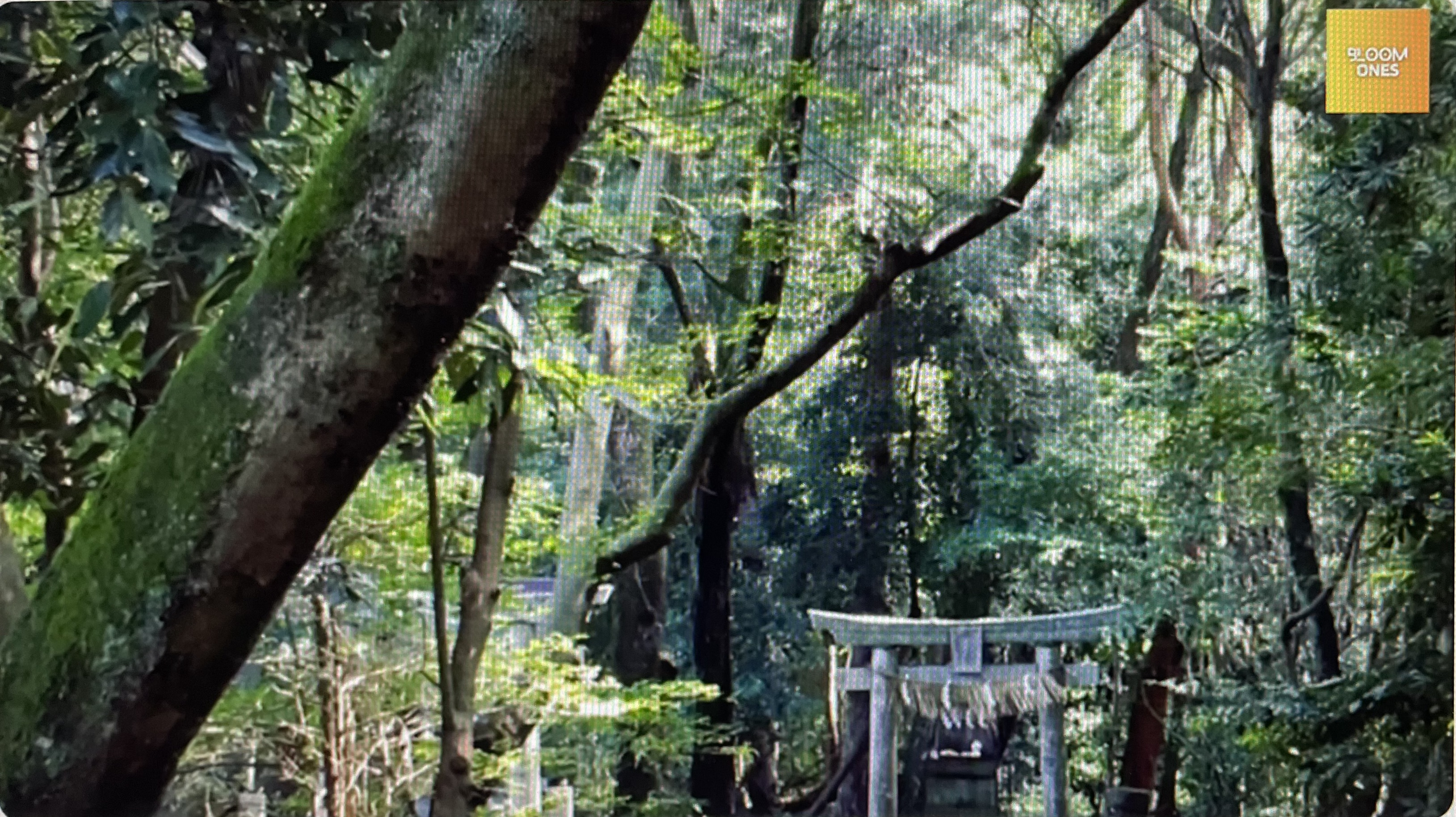
Image from YouTube Bloom Ones.
Shinrin Yoku 森林浴. Forest Bathing. Bloom Ones recounts, “This is the conscious and gentle act of immersing yourself in the atmosphere of nature. The goal isn’t to hike or exercise vigorously, but simply to be present among the trees and among the plants. Connect with the natural world through all your senses.”
Mono-no-Aware 物の哀れ. The Pathos of Things. “Mono-no-Aware,” Bloom Ones describes, “is the bittersweet awareness of impermanence of things. It’s when you notice life’s transient beauty, like cheery blossoms blooming and then falling.”
Bloom Ones observes, “Understand that difficult times and joyful moments are temporary, and you begin to develop natural serenity. Problems lose their power and you cherish the good moments more deeply.”
Indeed, what a thoughtful concept by which to live! ds
© Dennis Simanaitis, SimanaitisSays.com, 2026

