
Simanaitis Says
On cars, old, new and future; science & technology; vintage airplanes, computer flight simulation of them; Sherlockiana; our English language; travel; and other stuff
CELEBRATING OSCAR WILDE ANNOTATIONS PART 2
WE STARTED THIS ANNOTATION GLEANING YESTERDAY, with H. Montgomery Hyde’s The Annotated Oscar Wilde: Poems, Fiction, Plays, Lectures, Essays, and Letters as our source, specifically its play The Importance of Being Earnest. Our fun continues here in Part 2.
Income, Land, and Investments. Lady Bracknell asks Jack, “What is your income?” He replies, “Between seven and eight thousand a year.” The annotation identifies this as “a good income at that time.”
My Baedeker Guidebooks of the era cite £1 being equivalent to $5 U.S. Hence Jack’s income would have translated to $35,000-$40,000 in 1895 (i.e, $1,400,000-$1,600,000 in today’s dollar). Gee, rather more than “a good income.”
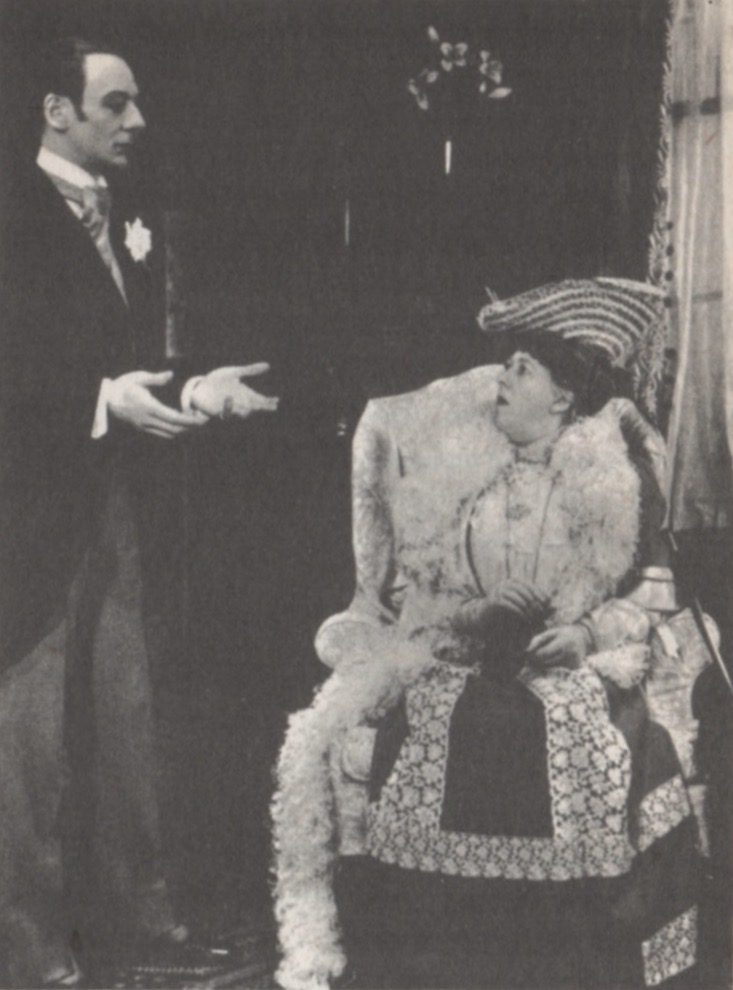
“In land, or in investments?,” Lady Bracknell makes a note in her book. Jack: “In investments, chiefly.”
“That is satisfactory,” Lady Bracknell says. “What between the duties expected of one during one’s lifetime, and the duties enacted from one after one’s death, land has ceased to be either a profit or a pleasure. It gives one position, and prevents one from keeping it up.” The annotation confirms Lady Bracknell’s lofty observation.
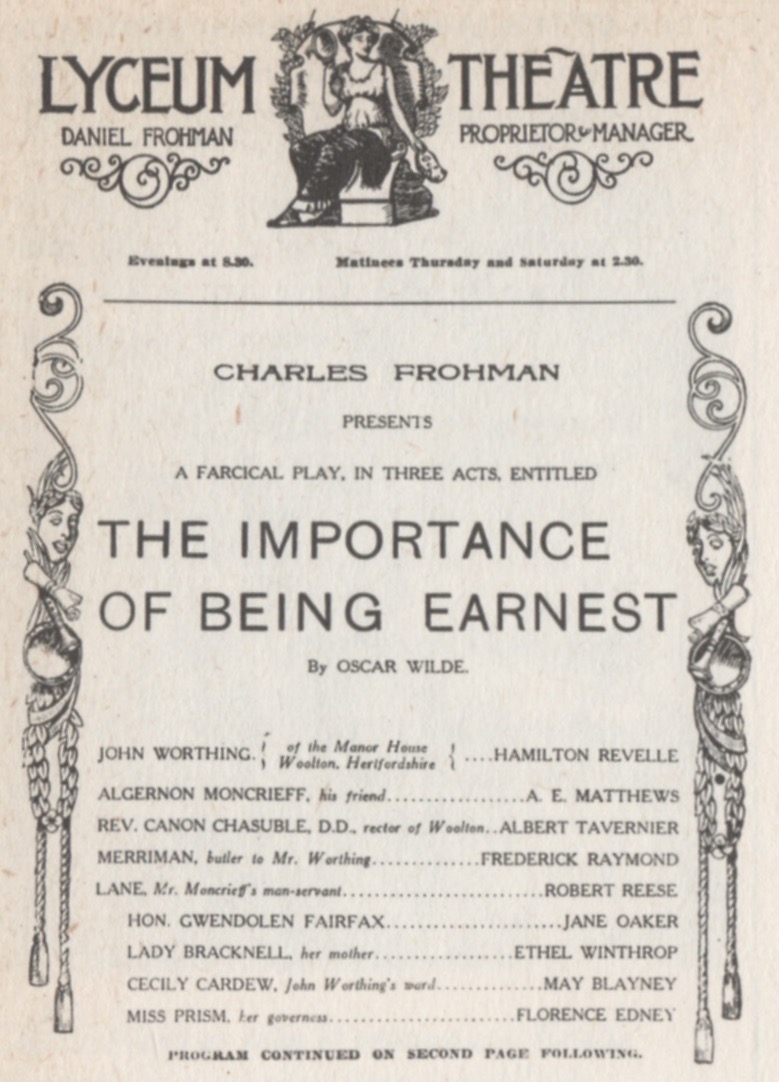
On Making Love, Then and Now. Algernon describes, “The only way to behave to a woman is to make love to her, if she is pretty, and to someone else, if she is plain.”
The annotation brings matters up to date: “The expression ‘to make love’ in those days was used in the sense of paying court to a woman and not ‘having sex’ as it commonly is today.”
On Ties and Being Transported. Algernon: “I certainly wouldn’t let Jack buy my outfit. He has no taste in neckties at all.” Cecily tells him, “I don’t think you will require neckties. Uncle Jack is sending you to Australia.”
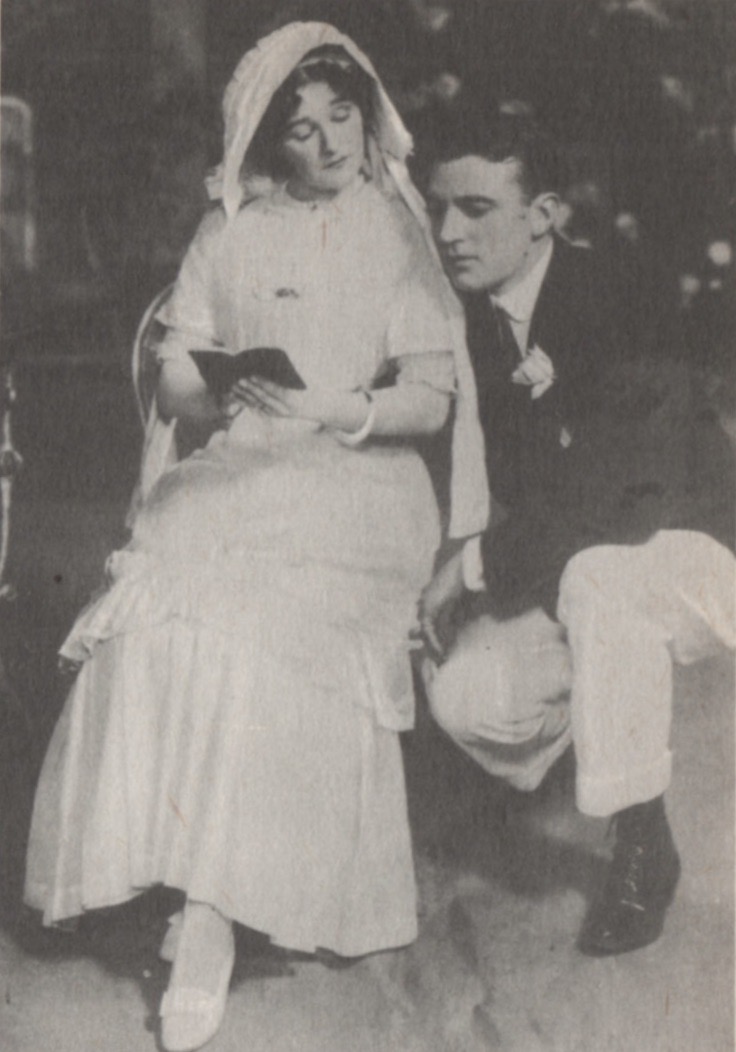
Algernon: “Australia! I’d sooner die.” To which Cecily replies, “Well, he said at dinner on Wednesday night, that you would have to choose between this world, the next world, and Australia.”
The annotation: “Convicts had been transported to Australia since 1787 originlly to Botany Bay near Sydney, and continued to be transported there until the mid-nineteenth century when the practice was discontinued owning to local objections from the Australians.”
And no wonder.
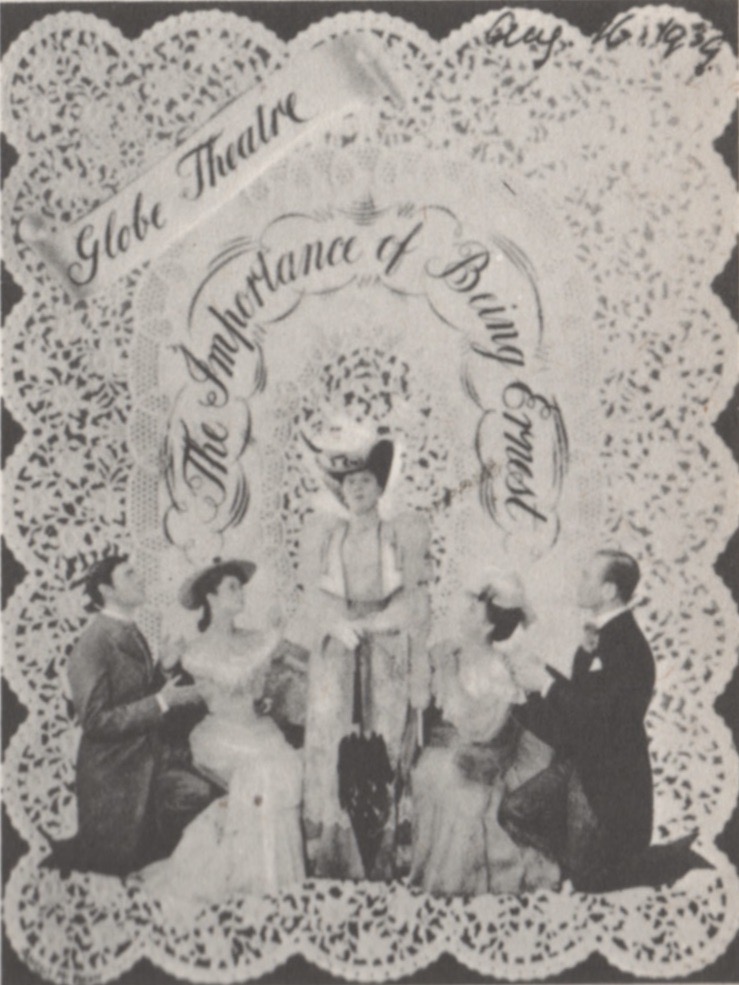
On German—and Germans. Cecily: “But I don’t like German. It isn’t at all a becoming language. I know perfectly well that I look quite plain after my German lesson.”
Miss Prism responds, “Child, you know how anxious your guardian is that you should improve yourself in every way. He laid particular stress on your German as he was leaving for town yesterday. Indeed, he always lays stress on your German when he is leaving for town.”
The annotation: “Wilde was inclined to despise the Germans and their language, and it would have come as a great surprise had he known that after his disgrace and death his literary reputation was to be originally re-established there.”
From Reading Prison in 1896, Wilde wrote, “I am going to take up the study of German: indeed this seems to be the proper place for such a study.”
Eine gute Idee! ds
© Dennis Simanaitis, SimanaitisSays.com, 2026


A late friend with a degree in physics left such employ simply as he realized he’d rather wrench old Italian cars. When exhibiting his ’33 Alfa, ’58 Ferrari Berlinetta, or vintage race-campaigned ’57 Testarossa, he was often asked that rudest of questions by some oaf with no other curiosity, “What’s sumpin’ like that worth?”
Dave would reply, “Do you know Oscar Wilde’s definition of a fool?”
He allowed a considerable pause, time for the nosy parker to respond, which, of course, was never forthcoming.
“Someone who knows the price of everything, but the value of nothing.”