
Simanaitis Says
On cars, old, new and future; science & technology; vintage airplanes, computer flight simulation of them; Sherlockiana; our English language; travel; and other stuff
BY (AND BUY) THE NUMBERS, AUTOMOTIVELY
AUTOMOTIVE NEWS REGULARLY PUBLISHES INDUSTRY STATISTICS of one sort or another from one source or another. Here are tidbits gleaned from two of these articles: “Tesla Again Tops Cars.com American-Made Index, But Fewer EVs Make Cut,” Automotive News, June 23, 2026; and “How Ford Turned Around Quality Woes To Become Top Mass-Market Brand in JD Power Quality Study,” Automotive News, June 25, 2026.

And, while we’re at it, let’s also go gleaning at the original sources: “2026 Cars.com American-Made Index: Which Cars are the Most American?,” cars.com, June 23, 2026; and JD Power’s “Connectivity Problems Hamper Major Improvements in New-Vehicle Quality, JD Power Finds,” JD Power, June 25, 2025.
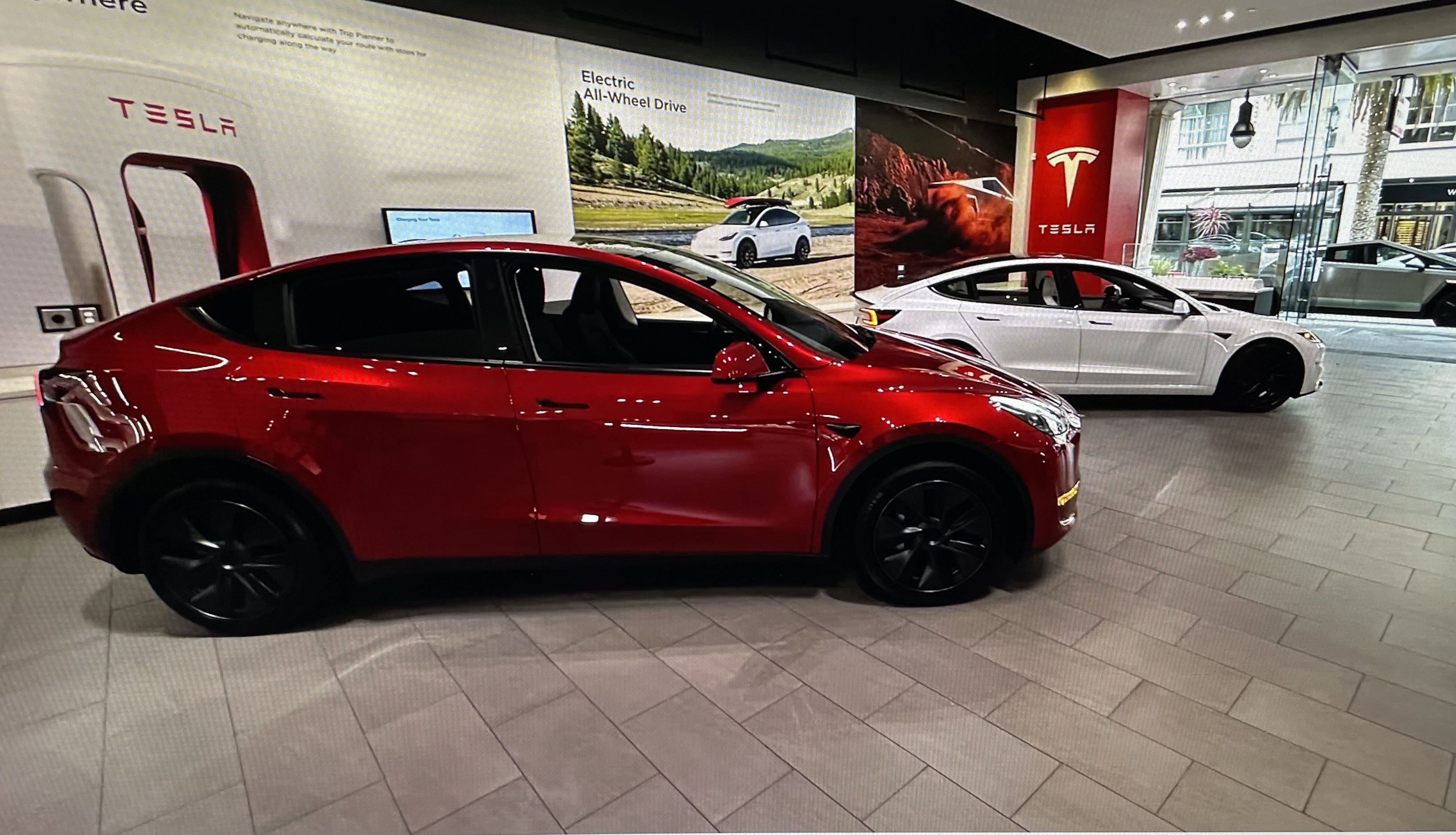
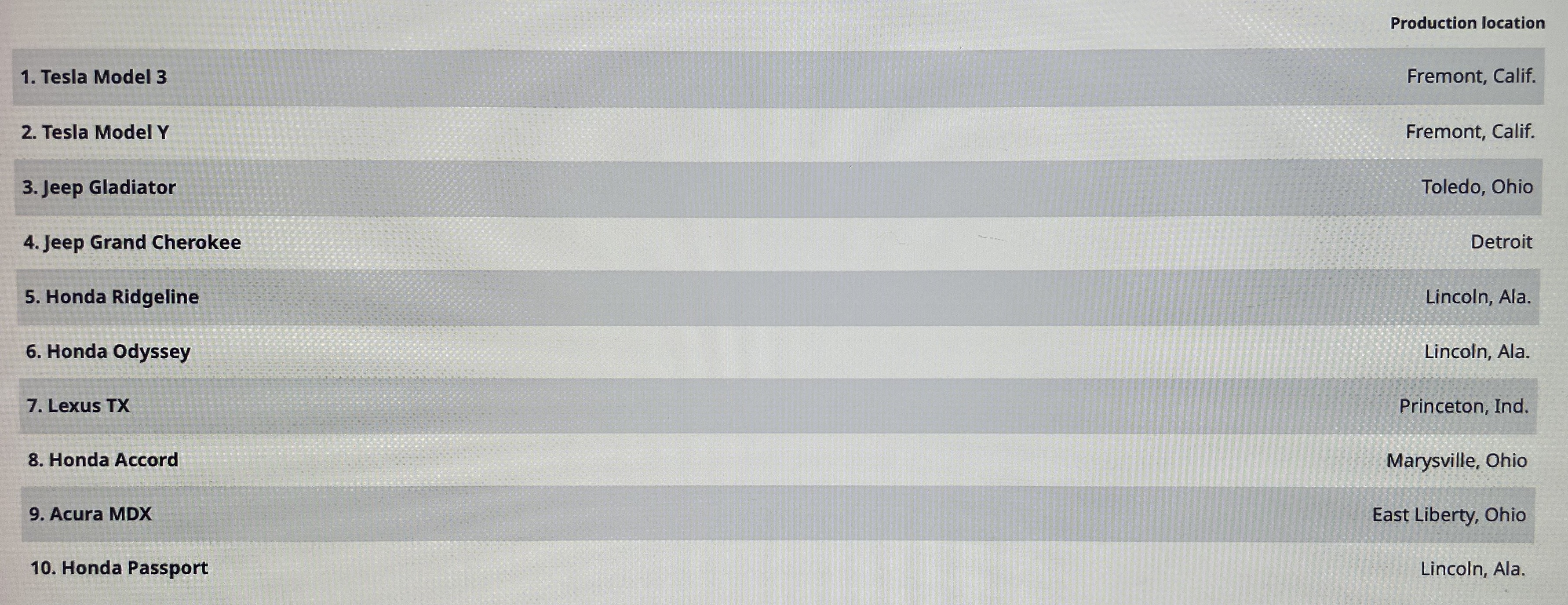
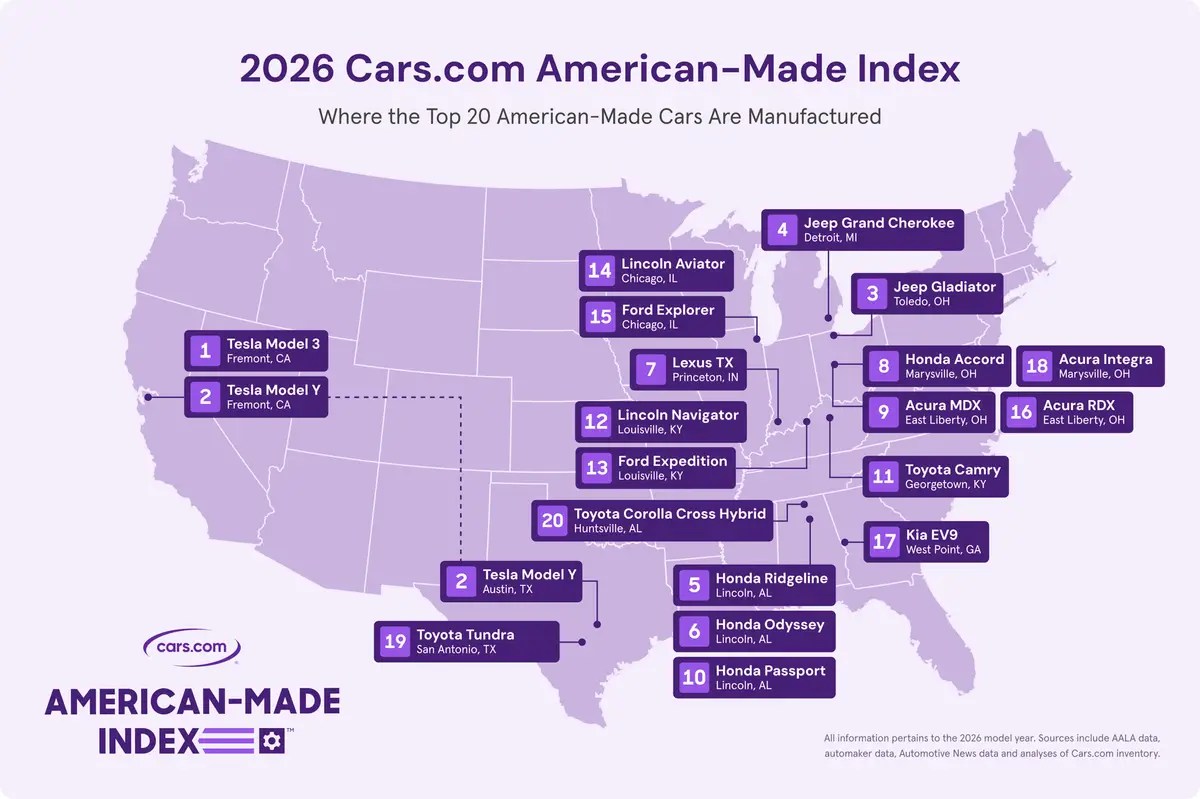
Top American List. Frances Klemm writes in Automotive News, “Tesla again has the most American-made vehicle, the sixth straight year the electric vehicle manufacturer has topped the annual cars.com rankings. The Model 3 sedan and Model Y crossover held the top two spots on the 2026 Cars.com American-Made Index, buoyed by Tesla’s higher percentage of domestic parts content and U.S. assembly employment, researchers said.”
Klemm recounts, “The number of EVs that made the 2026 list fell by more than half, to five from 11. The number of hybrids on this year’s list, however, is just one fewer than a year ago. A year ago, six of the top 10 were EVs.”
Klemm cites cars.com lead researcher Patrick Masterson: “ ‘The badge on the hood may not necessarily reflect where that vehicle is coming from,’ Masterson said. ‘For people who are interested in shopping to keep their dollar close to home, this index sheds some light on how complicated the automotive process can be.’ ”
Klemm relates, “The company said many models on its 2026 index have a greater share of domestic parts content, ‘which suggests changing supply chains in service of reshoring at least some elements of production.’ That’s true for the Jeep Grand Cherokee, which jumped to No. 4 from No. 70 largely because of its share of domestic parts content, Masterson said. The Kia Sportage moved in the opposite direction after some vehicle manufacturing moved to South Korea, prompting it to sink to No. 57 from No. 17, Masterson said.”

An International Industry. Klemm recounts, “Consumers often assume American brands will top American-made lists, Masterson said, but most now are international brands. Japan’s Toyota and Honda had the most vehicles on the 2026 index, at 14 and 13.”
A Complex Analysis: How Does the AMI Get Made? Cars.com describes, “Minor tweaks to account for fresh scenarios aside, the AMI’s basic methodology remains unchanged for 2026. We consider five major factors: Location(s) of final assembly, Percentage of U.S. and Canadian parts, Countries of origin for all available engines, Countries of origin for all available transmissions, and U.S. manufacturing workforce.”
It’s odd to me that parts from Mexico are apparently not cited.
The website continues, “While we don’t reveal the weighting and calculation methodology, each factor is essential, as are a number of disqualifiers explained below. Models are ranked on a 100-point scale, with heavier curb weights functioning as a tiebreaker when necessary.”
Another oddity is its tie-breaking methodology.
It sums up with “Among the 379 light-duty models automakers sell (or plan to) in the U.S. for the 2026 model year, 119 are made solely in the U.S.; 243 are imported; and 17 are split between domestic and imported assembly lines.”

Quality and Quantity. Michael Martinez reports in Automotive News, “Ford Motor Co., after setting an industry record for recalls and struggling to fix production snags on some new models, surged from below average on last year’s JD Power U.S. Initial Quality Study to become the highest-ranked mass-market brand for 2026. Ford also earned best-in-segment awards for the F-150, Mustang and Super Duty. Seven of Ford’s 10 tested models ranked in the top three of their segments, the most of any automaker.”
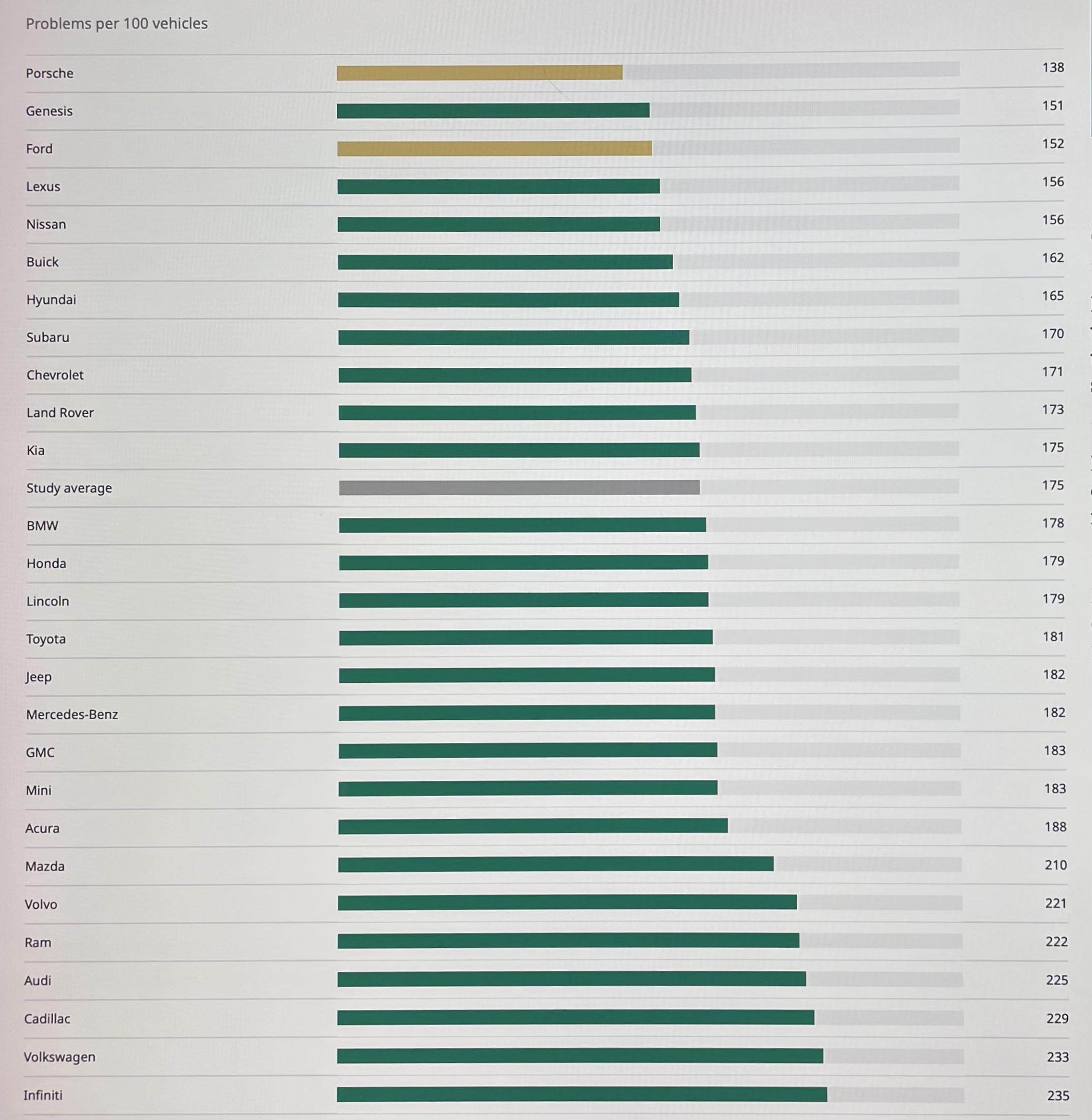
“Porsche took the overall top spot,” observes Martinez, “with Genesis second and Ford third. Lexus, last year’s overall winner, fell to No. 4.”
Quite the Improvement for Ford. Martinez cites, “Ford ranked 23rd three years ago and just below the industry’s midpoint last year, when it issued a record 153 separate recalls. But executives say a turnaround plan involving more rigorous testing, new organizational structures, daily meetings and more buy-in from suppliers has helped reduce warranty expenses and right the ship.”
Among the Improvements: Martinez notes, “Ford implemented cross-functional daily problem-solving sessions to discuss issues until they got fixed, [Ford COO Kumar] Galhotra said. Ford has hired more than 350 technical specialists since 2023, more than double what it previously had, to help.”
“Within the past 18 months,” Martinez continues, “Ford has created a dedicated software quality team charged with catching issues before they snowball. In-house artificial intelligence systems also are proliferating across plants to identify defects more quickly.”
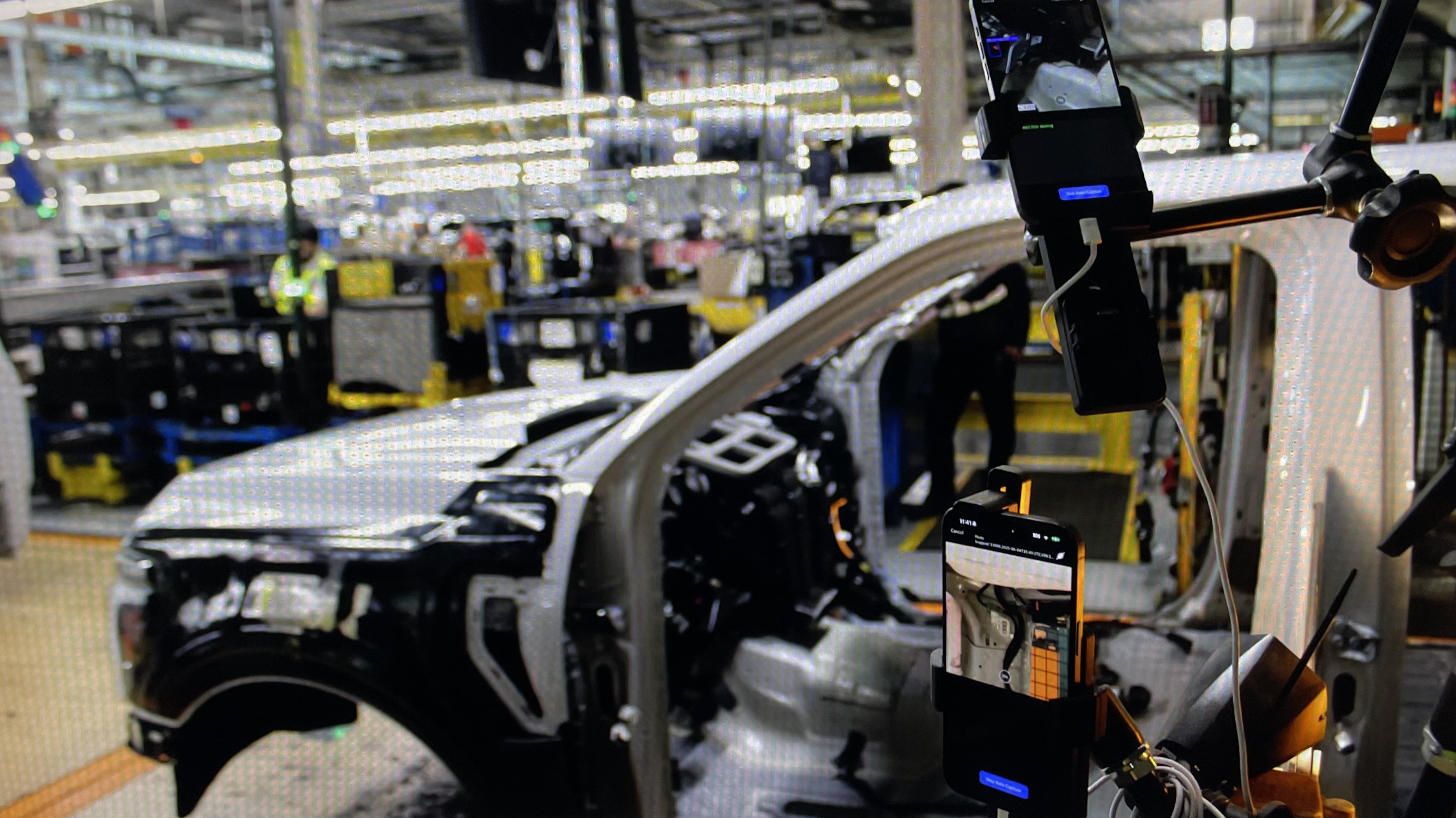
Hmm… A bright spot for A.I. See “The Exceptions” in “Dr. Zeynep Tufekci Clarifies A.I.,” SimanaitisSays, July 5, 2026. ds
© Dennis Simanaitis, SimanaitisSays.com, 2026


Since problems vary widely in severity, It would be interesting to know what specific problems are involved with each make. For instance, a broken ashtray is much less significant than a broken crankshaft, but each counts as one problem.
For these details (in broad categories), see JD Powers reports. Also Automotive News often gets specific about such matters.—ds