
Simanaitis Says
On cars, old, new and future; science & technology; vintage airplanes, computer flight simulation of them; Sherlockiana; our English language; travel; and other stuff
SET AND COSTUME DESIGN FOR OPERA
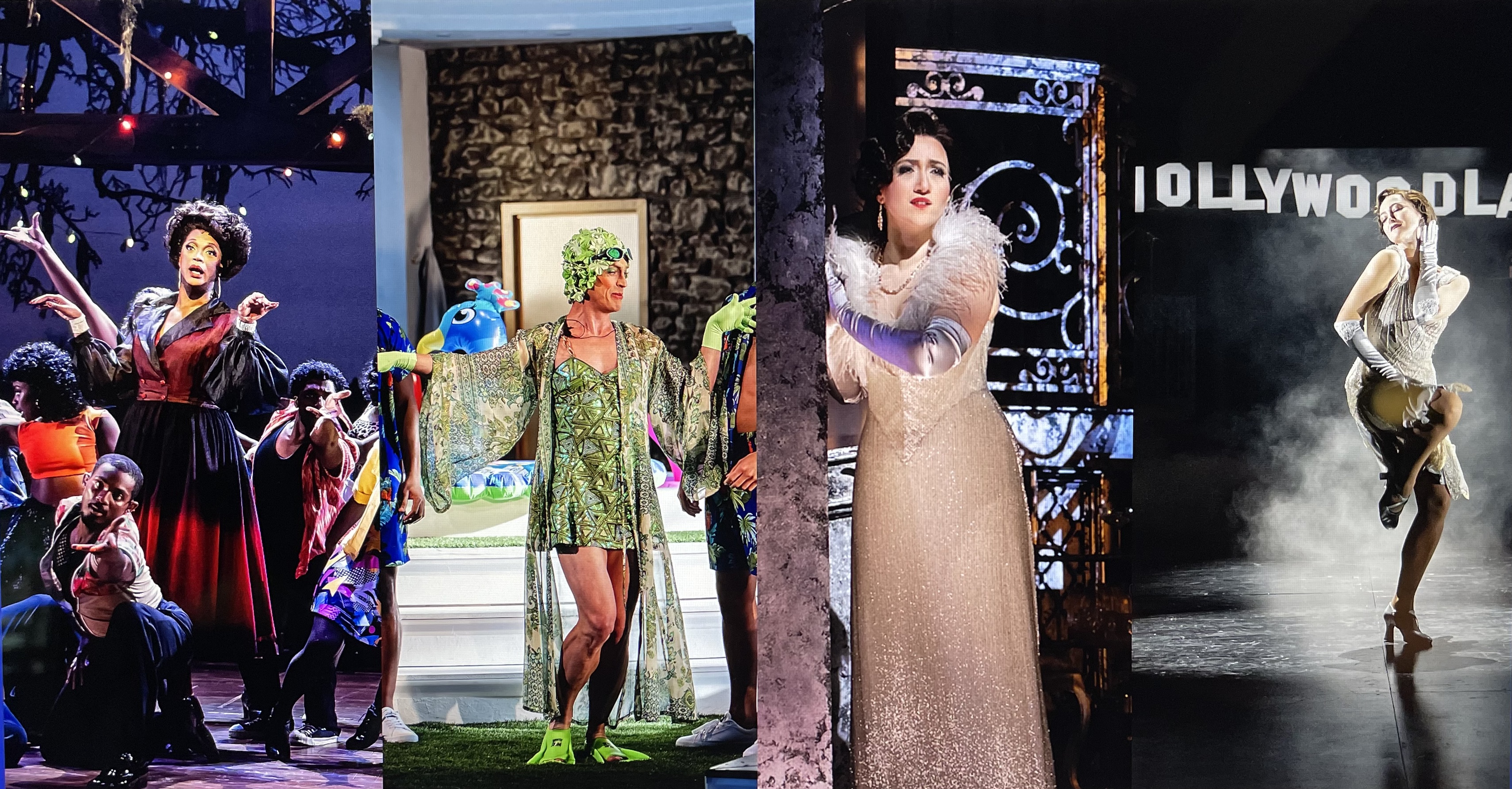
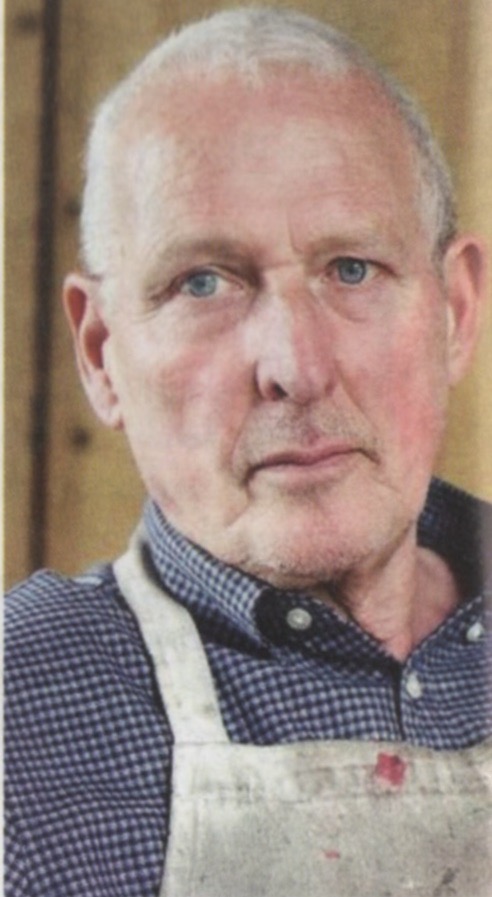
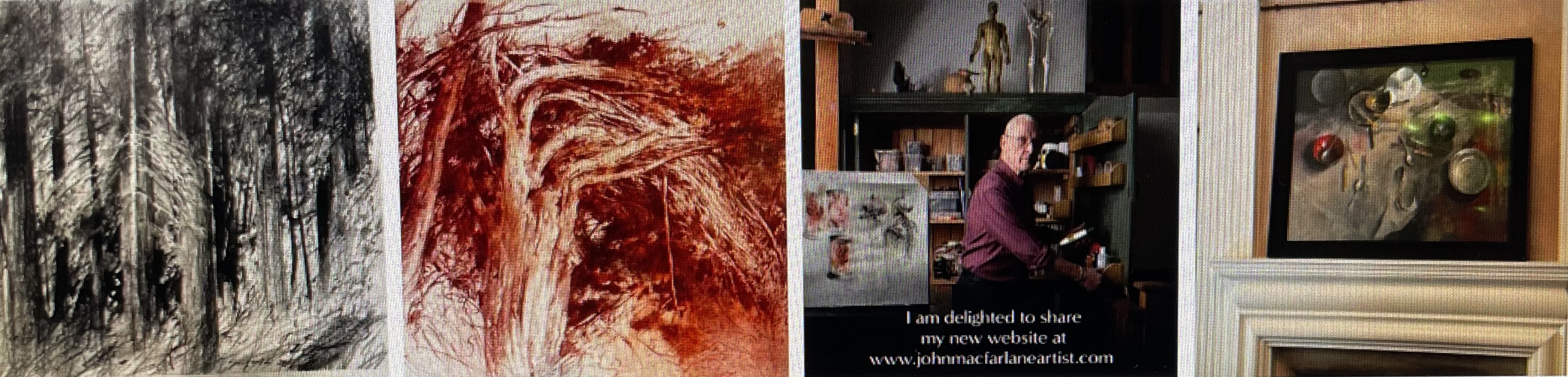
“LEAPS OF IMAGINATION” IS THE APT TITLE for Anthony Freud’s article in Opera with Opera News, July 2026. It follows up on his “Illuminating the Stage,” February 2026, tidbits of which were gleaned in “Lighting Opera,” SimanaitisSays, February 22, 2026. This time around, tidbits follow as Freud speaks with three designers, Vicki Mortimer, Christopher Oram, and John Macfarlane.
Leave Air For Everything Else. Vicki Mortimer describes, “Design is just one element in any intelligent and communicative production, and design alone does not a show make!… It has to allow room for all the other contributing factors in the moment of performance to enliven, expand and deepen the agreed context of the production. One of the most important qualities for a design is that it leaves air for everything else.”

Not Just Showing Off. “A great design,” Christopher Oram says, “is one you don’t notice, that supports and informs the piece without provoking the reaction ‘Isn’t that a great design!’… It’s a fine line between not wanting to show off by putting onstage something that draws attention to itself—but designing something that looks amazing.’”
Not Taking Over. John Macfarlane concurs: “It has to be the piece as a whole that speaks to the audience. You have to be arrested by the design from the word go, but it mustn’t be the thing that takes over.”
Theatre Versus Cinema. Oram observes, “A theatre audience is an active participant, engaging with the material. Cinema is a passive experience, in which you sit back and let the experience roll over you—even if you are having a shared experience.”
With theatre, Oram says, “You are asking the audience to make leaps of imagination…. An abstract design is fine, so long as your intention (without either over-designing or under-designing) is to find the key line through it.”
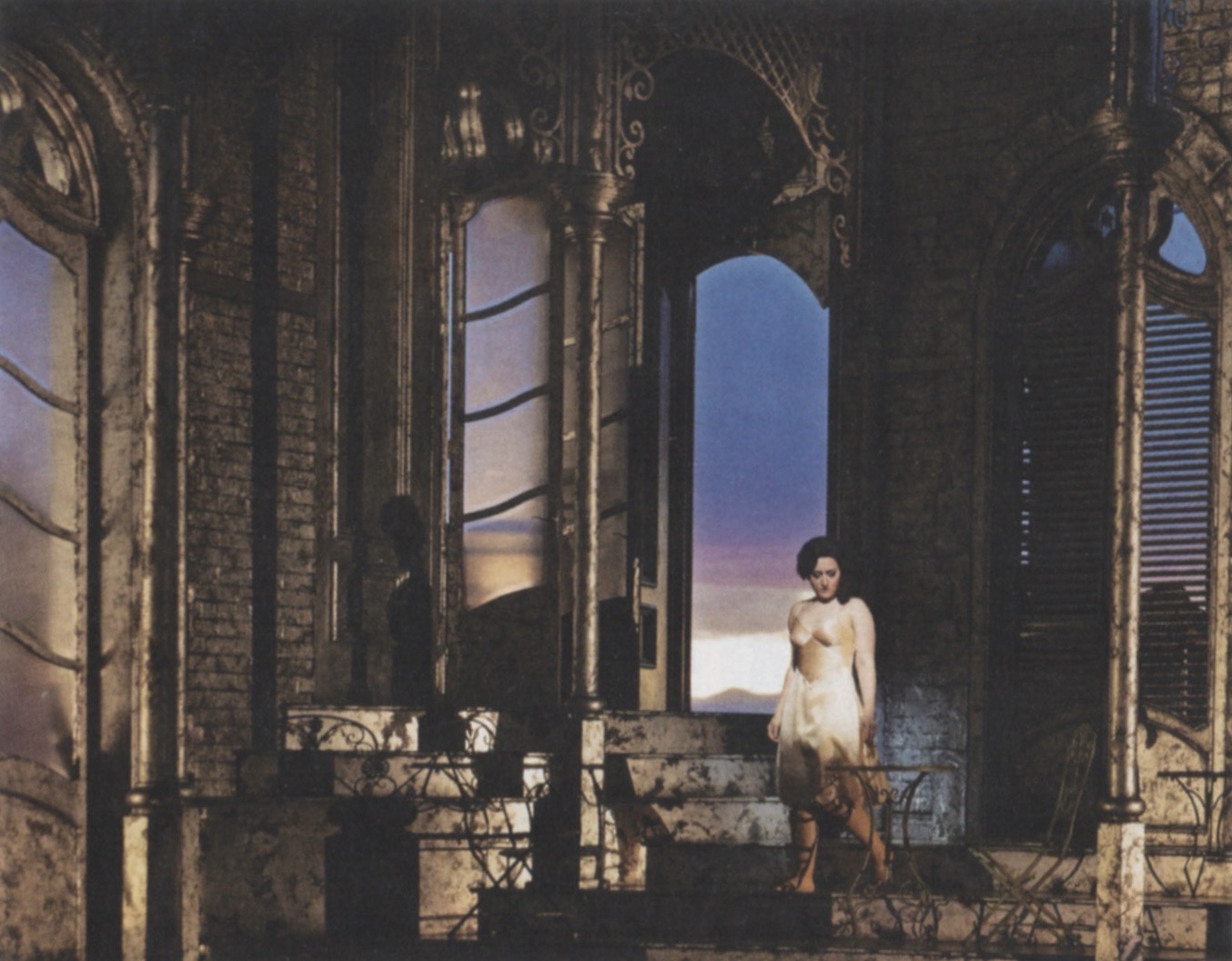
A Painting Analogy. Mortimer describes, “Perhaps because I am a painter as much as a theatre designer, I feel I have to leave something onstage that puzzles people…. Every set has to generate a feeling of disquiet, because an element of mystery opens it up to something special happening there.”
And Then There’s the Music. Mortimer recounts, “Music has always been the element that lights my fire. For example, Act 4 of Don Carlos with its succession of magnificent scenes with extraordinary music. Listening to that music, I immediately visualize a dark, menacing and creepy room, which I find terrifying. I want my design for that room to scare the audience.”
By contrast, she notes, “The music of The Magic Flute tells you how, having spent most of the show in darkness, intense sunlight pours in at the very end. For me, this derives solely and specifically from the music.”
Set and Lighting Design. Oram describes, “It’s a vital collaboration with the lighting designer…. On the basic level, if you have windows on one side, you know that’s where the light will come from.”
Mortimer concurs: “My favourite way of working is for a lighting designer to join the dialogue as early as possible, so we can develop a shared language…. Lighting designers are magicians, whose work can undermine or lift up a production. Our choices are inextricably linked.”
And so does Macfarlane: “My work can be dramatically enhanced or destroyed by light. With my regular lighting designer partners, I know I don’t have to worry. I create theatre paintings which can be lit in a theatrical way, and I want lighting designers to have the freedom to be creative in ways that they know how to do.”
The Director’s Role. Mortimer describes, “Directors approach the initial stage differently. Some want to sit down with the libretto, and we read the libretto to each other.”
“Others (and I prefer this),” she says, “arrive with a strong idea of how they are going to approach the piece, including, for example, which period to choose for the setting.”
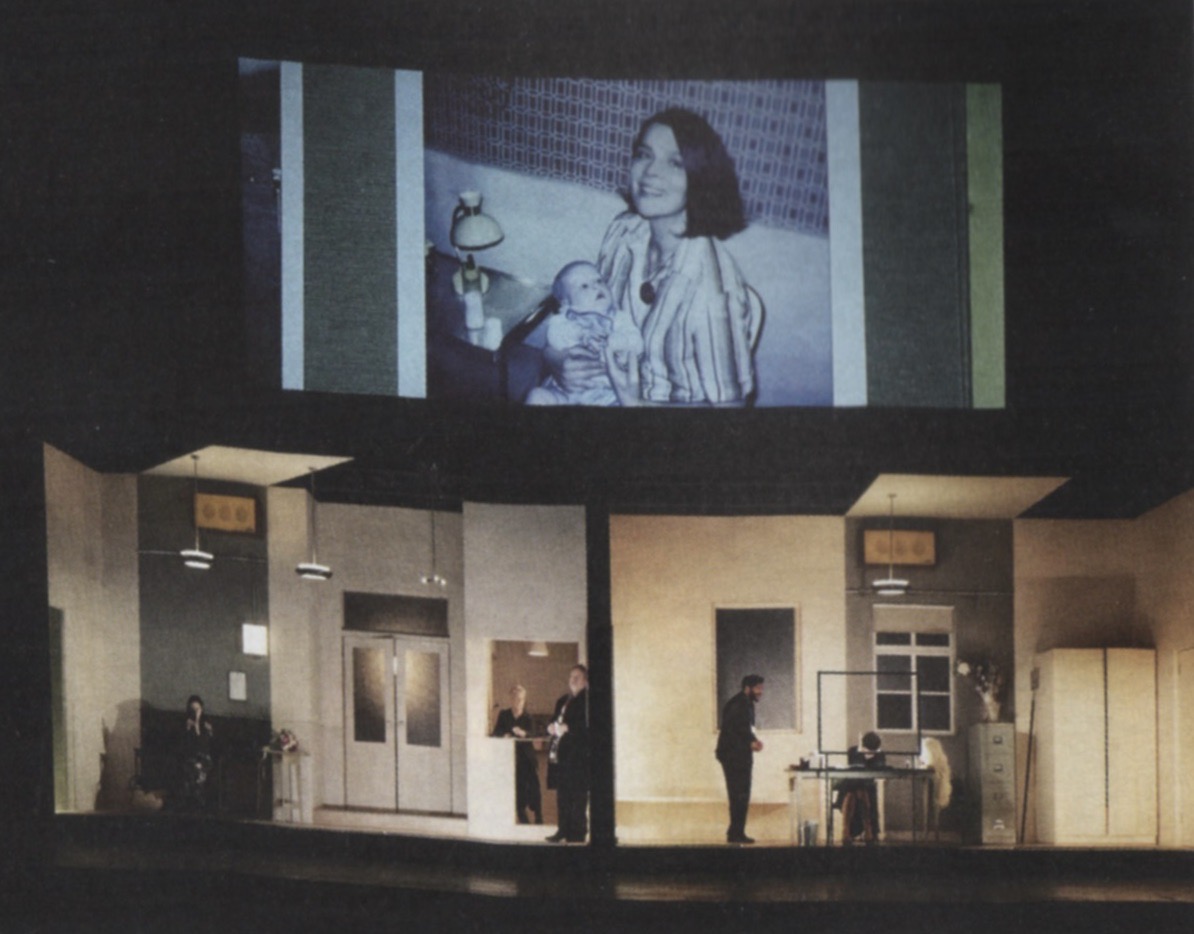
“These visits are usually two days,” Mortimer recounts. “We do a lot of talking on day one. I have the empty black model box ready, within which to begin to conceive a very rough 3-D model of the set. On day two, I may get out bits of cardboard and we may begin to talk about basic space.”
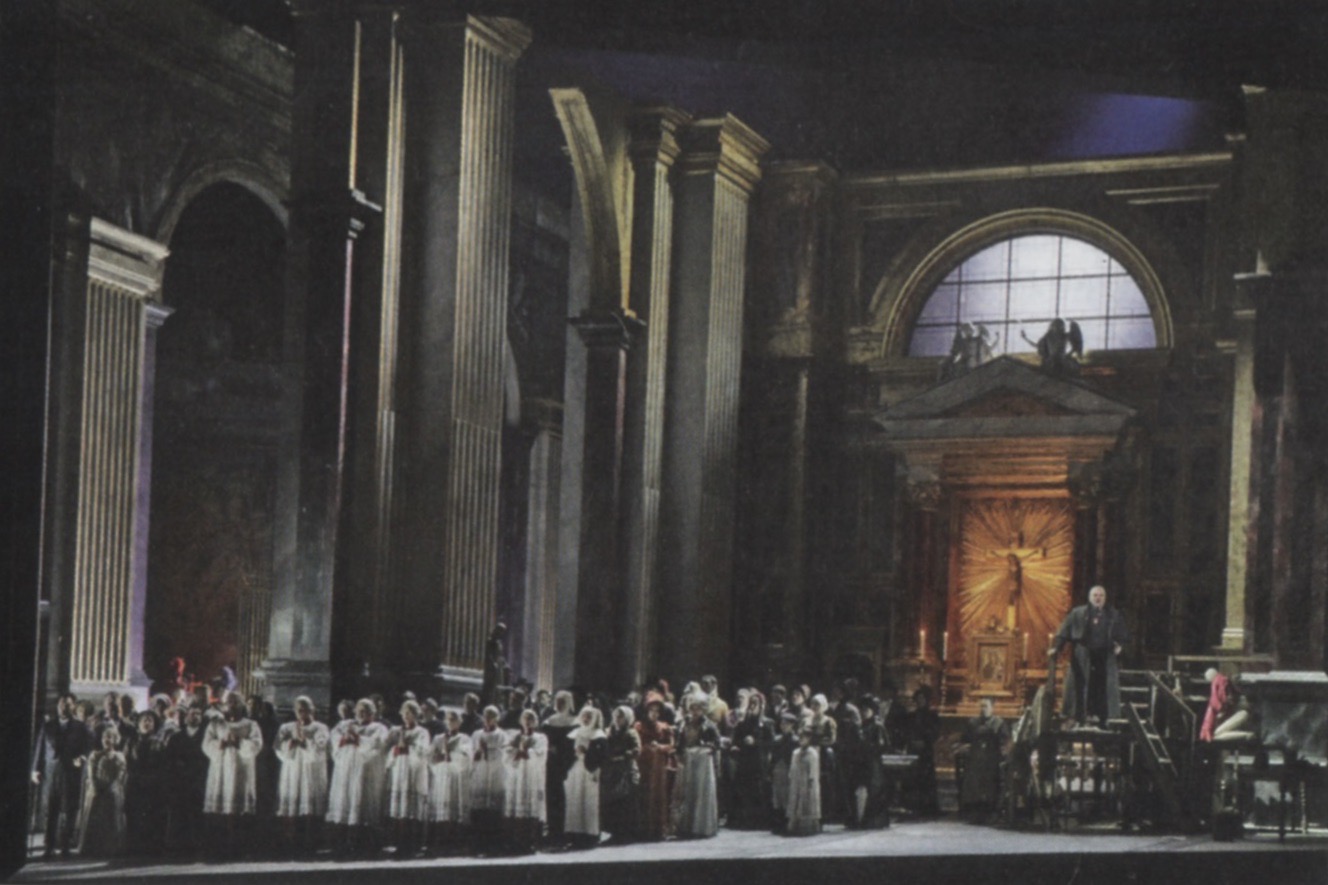
Planning for a Chorus? Or a Set Change? “For example,” Mortimer describes, “if it’s a piece with a chorus, it’s fairly likely we will have steps or a raked stage, simply to cater for acoustics and sightlines to the conductor. Or, if we anticipate that scenery will need to be shunted on and off to the sides, we may need a flat floor.”
“I love working with a director who has a clarity of vision about the production,” Mortimer says. “This clarity allows me to begin thinking about the production’s visual world. When my thoughts start accelerating, I can’t wait to get rid of the director!”
And On To Work. “Then,” Mortimer concludes, “I want to be left alone to prepare the final model. This can take two or three months, after which, depending on the piece, I may have a couple hundred costumes to design.”
Might we hope to enjoy an Opera article on costuming?
© Dennis Simanaitis, SimanaitisSays.com, 2026
 Simanaitis Says