
Simanaitis Says
On cars, old, new and future; science & technology; vintage airplanes, computer flight simulation of them; Sherlockiana; our English language; travel; and other stuff
USTA BE AN EDITOR, Y’KNOW PART 1
THOUGH THE GHOST OF MRS. GRIMBLY continues to remind me not to split infinitives, I confess to being otherwise hep in my modern English usage. One of my guides in this is Valerie M. Fridland, Professor of Linguistics at the University of Nevada, Reno, who writes, “Despite All the Likes, Literallys, and Dropped G’s, English Isn’t Decaying Before Our Eyes,” The Conversation, April 21, 2026. This article, from which the following tidbits are gleaned in Parts 1 and 2 today and tomorrow, also encourages me to seek out others of Fridland’s writings, specifically these two:
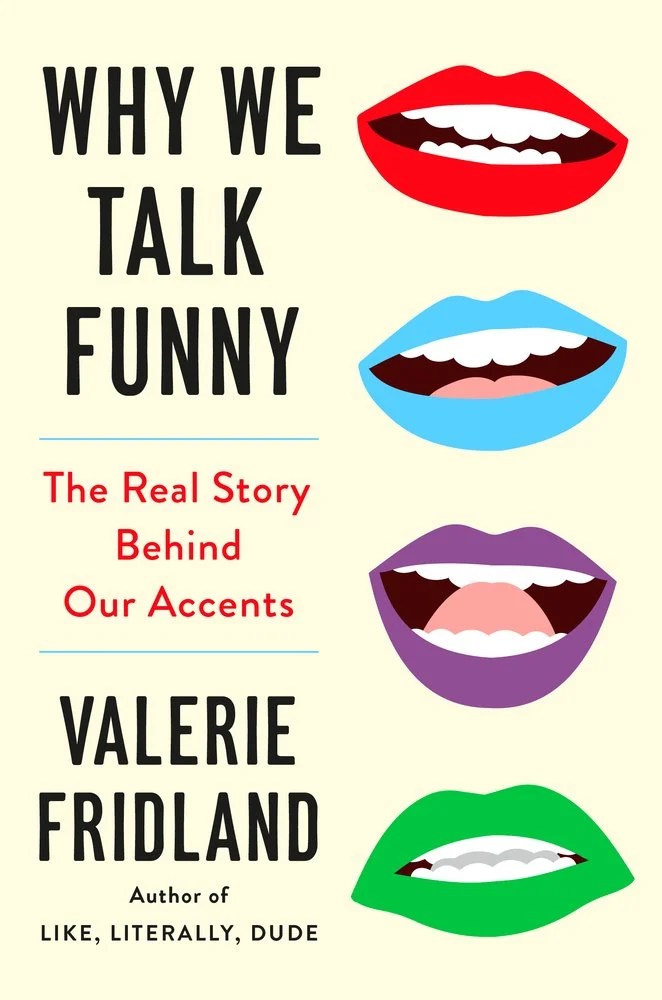
Why We Talk Funny: The Real Story Behind Our Accents, by Valerie Fridland, Viking, 2026.
and
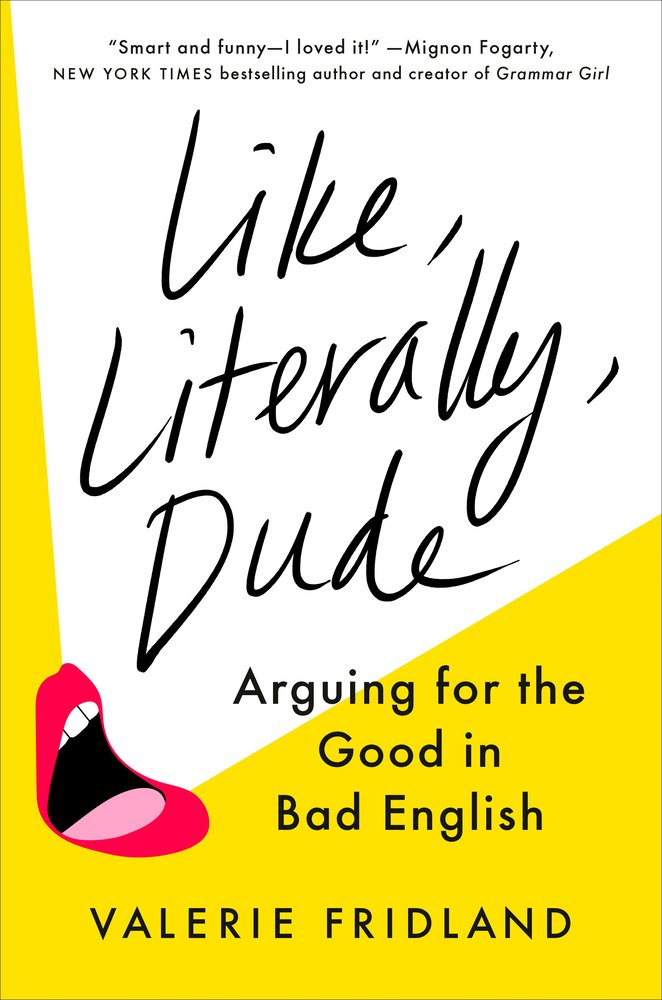
Like, Literally, Dude: Arguing for the Good in Bad English, by Valerie Fridland, Viking, 2023.
“As a linguistics professor,” Professor Fridland says, “I’m often asked why English is decaying before our eyes, whether it’s ‘like’ being used promiscuously, t’s being dropped deleteriously or ‘literally’ being deployed nonliterally. While these common gripes point to eccentric speech patterns, they don’t point to grammatical annihilation. English has weathered far worse.”
Eald Englisc (As We’d Have Said in West Saxon). The Prof recounts, “Let’s start with something we can all agree on: Old English, spoken from approximately A.D. 450 to 1100, is pretty unintelligible to us today.”
Agreed. See “What’s That in Old English?,” SimanaitisSays, March 5, 2019. Also, here’s an example from the opening lines of Beowolf: “Hwæt! We Gardena in geardagum, þeodcyninga, þrym gefrunon, hu ða æþelingas ellen fremedon.”
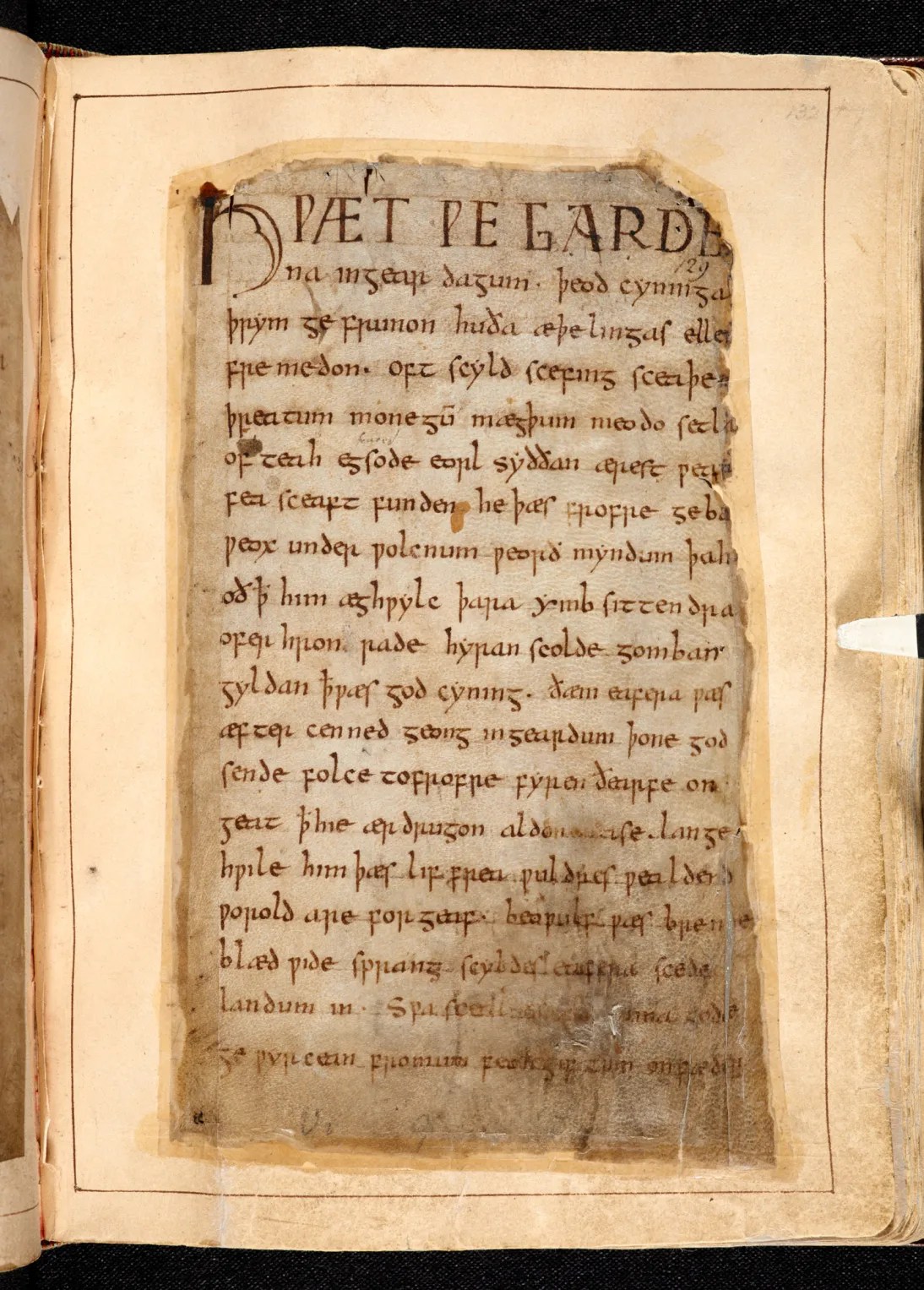
First page of Beowulf, written in OE’s West Saxon dialect.
In a modern English translation: “Lo, praise of the prowess of people-kings of spear-armed Danes, in days long sped, we have heard, and what honor the athelines won!”
Lots of Word Endings, Complicated Verbs. Fridland recalls, “Anyone who’s had the pleasure of reading Beowulf in high school knows how different English back then used to sound. Word endings did a lot more grammatical work, and verbs followed more complicated patterns. Remnants of those rules fuel lingering debates today, such as when to use ‘whom’ over ‘who,’ and whether the past tense of ‘sneak’ is ‘snuck’ or ‘sneaked.’ ”
Then Came Vikings, Norman-French, and 18th-Century Grammarians. “The language,” Fridland recounts, “went on to experience centuries of tumult: Viking invasions, which introduced Old Norse influence; Anglo-Norman French rule, which shifted the language of the elite to French; and 18th-Century grammarians, who dictated norms with their elocution and grammar guides.”
Middle English, My Fav. What with Chaucer’s The Canterbury Tales and all, Middle English is my favorite period of linguistic appreciation: “The holy blisful martir for to seke/ That hem hath holpen, whan that they were seeke.”
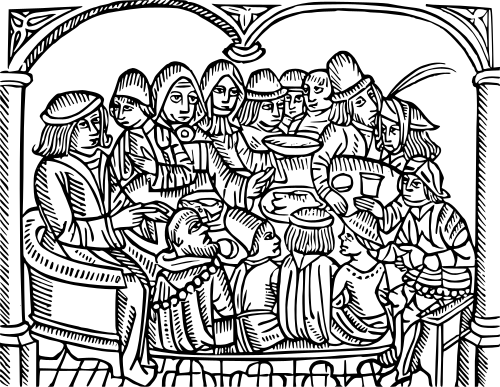
A woodcut from Richard Pynson’s 1491/1492 edition of The Canterbury Tales. Image from Wikipedia.
Especially noteworthy is our language’s amazingly quick evolution in a mere 200 years from Chaucer’s time, c. 1343–1400, to Shakespeare’s, 1564–1616. See “Chaucer’s Future Shock” in light of our Founding Fathers’ English today.
Tomorrow in Part 2: We drop some stuff, like t’s and g’s. And put prepositions anywhere we please. (Geez; this is almost an iambic pentameter couplet.) ds
© Dennis Simanaitis, SimanaitisSays.com, 2026


A few weeks ago I watched an entertaining yet useful documentary film: Rebel With A Clause, about Ellen Jovin, who traveled the country promoting grammar education. She’d set up a Grammar Table in public places and chat with passersby about their grammatical concerns. It was hilarious; I wanted to get up in the theater and yell, “What about ‘open up’ and ‘outside of’?” Instead, I found her recent book of the same name and halfway through it, learning more about the ongoing English evolution.