
Simanaitis Says
On cars, old, new and future; science & technology; vintage airplanes, computer flight simulation of them; Sherlockiana; our English language; travel; and other stuff
IN PRAISE OF THE COMMON PART 2
THE THEME OF GENTLE CONVENTIONALITY echoes in our review of the British flick This Happy Breed. Its time capsule continues here in Part 2 as the Gibbons family settles in to their South London suburban rental.
A Familiar Face. Frank Gibbons is delighted that his new next-door neighbour is Bob Mitchell, a mate from army days. Bob is portrayed by Stanley Holloway, later in the memorable role of Alfred Doolittle, Eliza’s father in both the Broadway and movie versions of My Fair Lady.
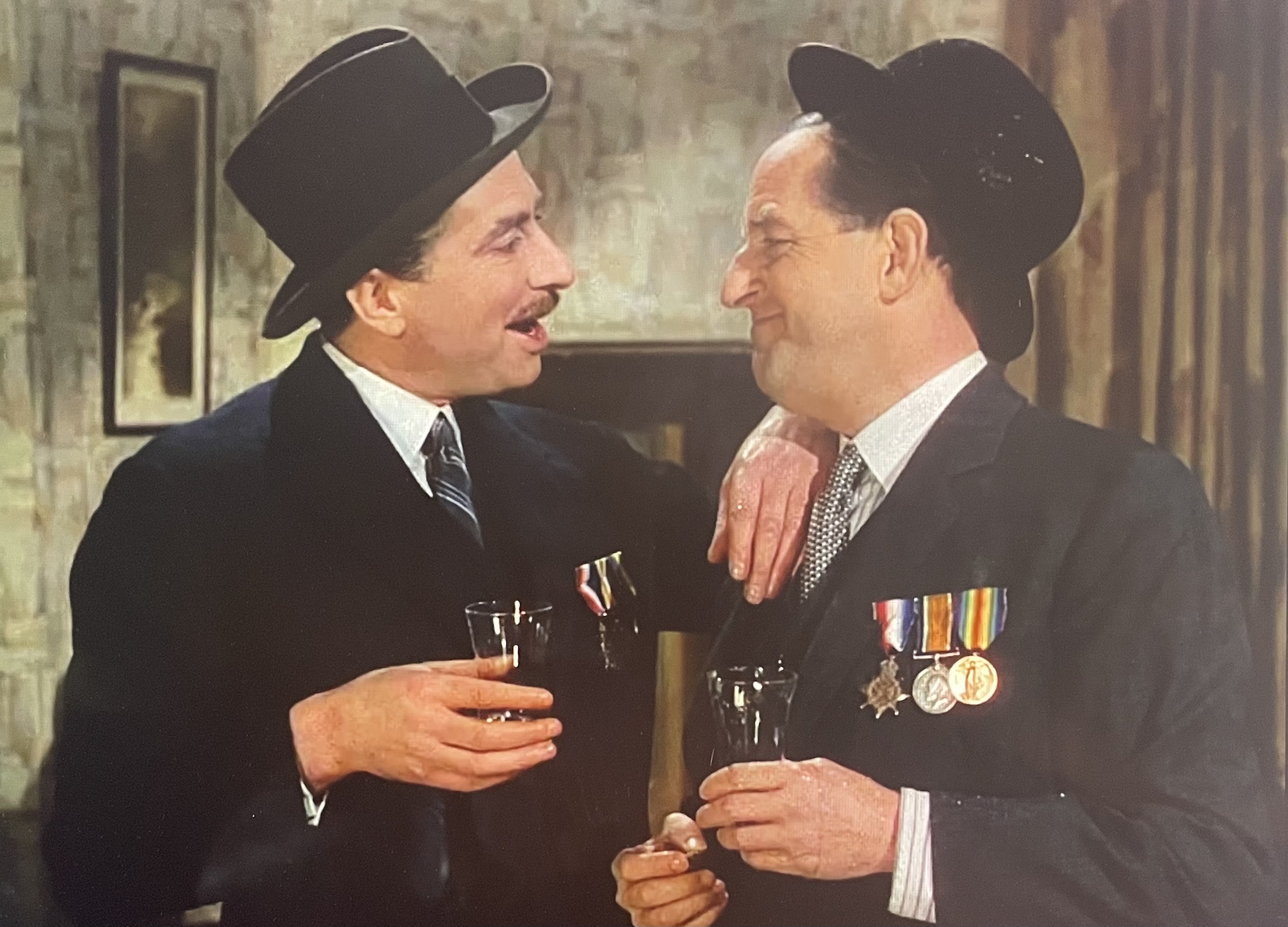
Above, Frank and Bob enjoy their Johnny Walker. Below, Christmas 1925 is enhanced by Frank’s new toy: a crystal radio.
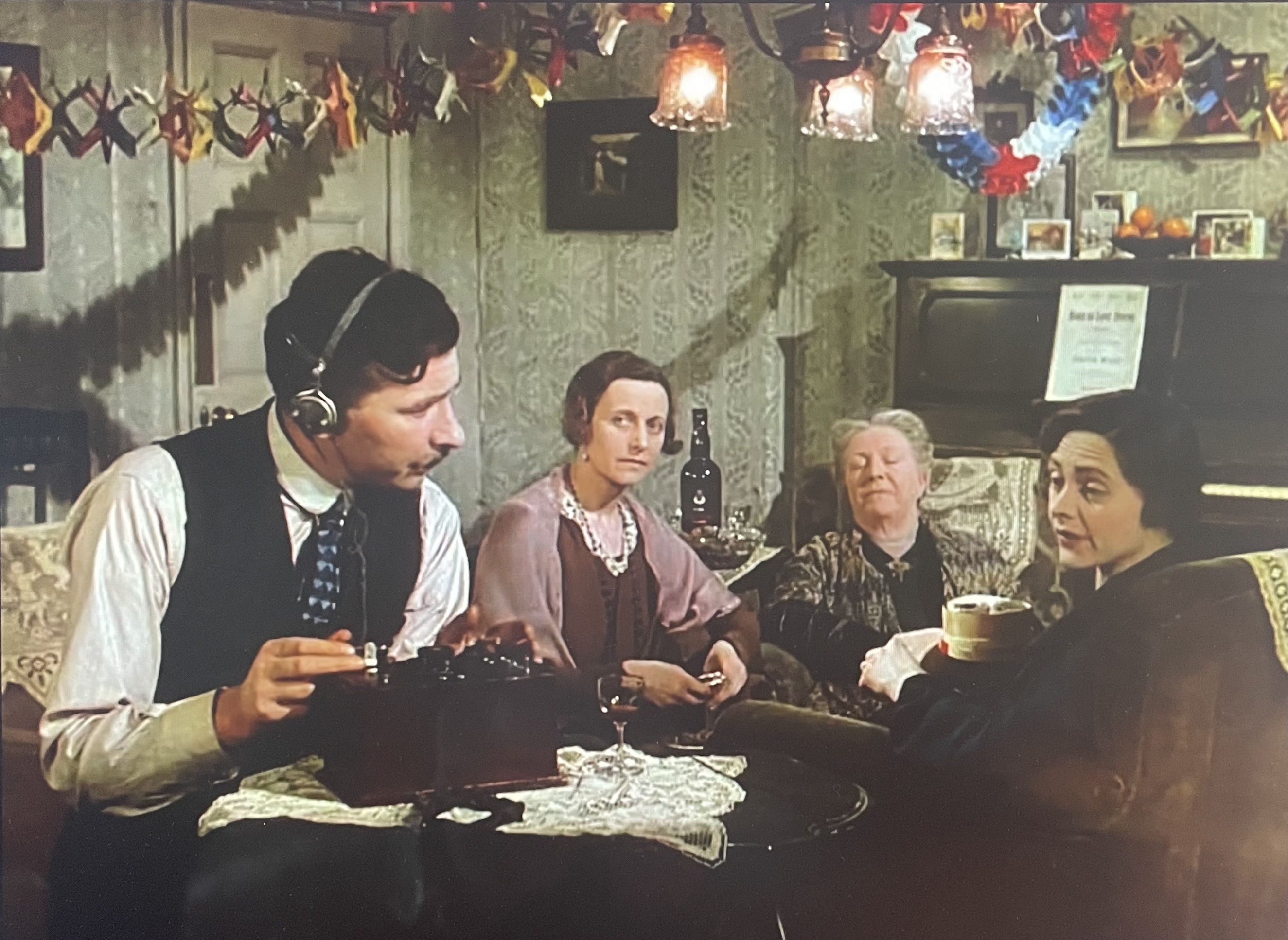
Gibbons Family Vignettes and History. Wikipedia observes, “As the children grow up and the country adapts to peacetime, the family attend the British Empire Exhibition held at Wembley in 1924 and acquire their first crystal radio around Christmas 1925.”
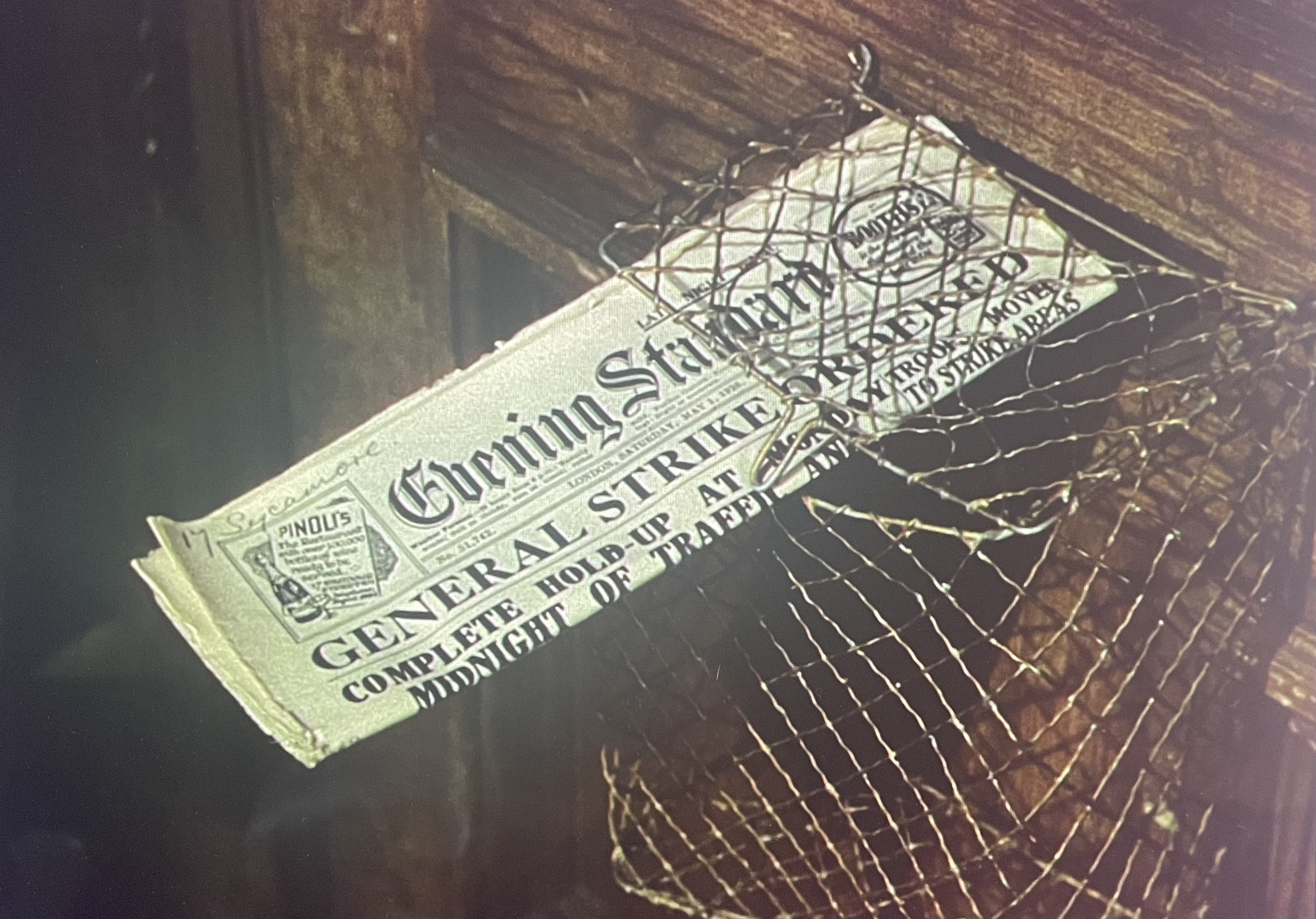
“During the General Strike of 1926 (in which Frank and Bob volunteer as driver and conductor of a bus), Reg is injured in a brawl. Vi blames Sam, her socialist boyfriend, who had brought her brother to the area, but eventually her anger dissipates and she marries him.”
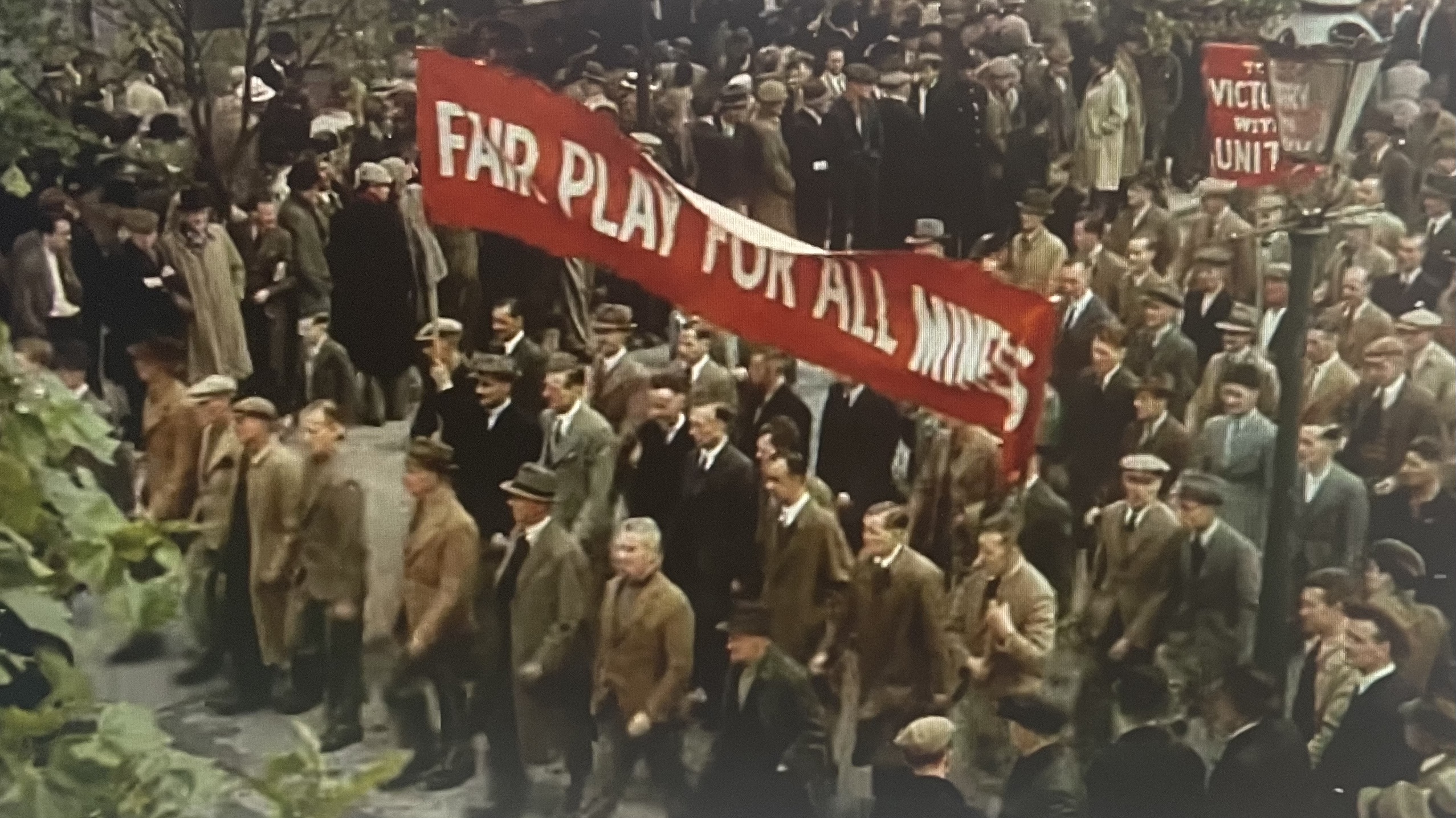
Above, the General Strike of 1926. Below, Frank volunteers as a driver; his pal Bob collects fares.
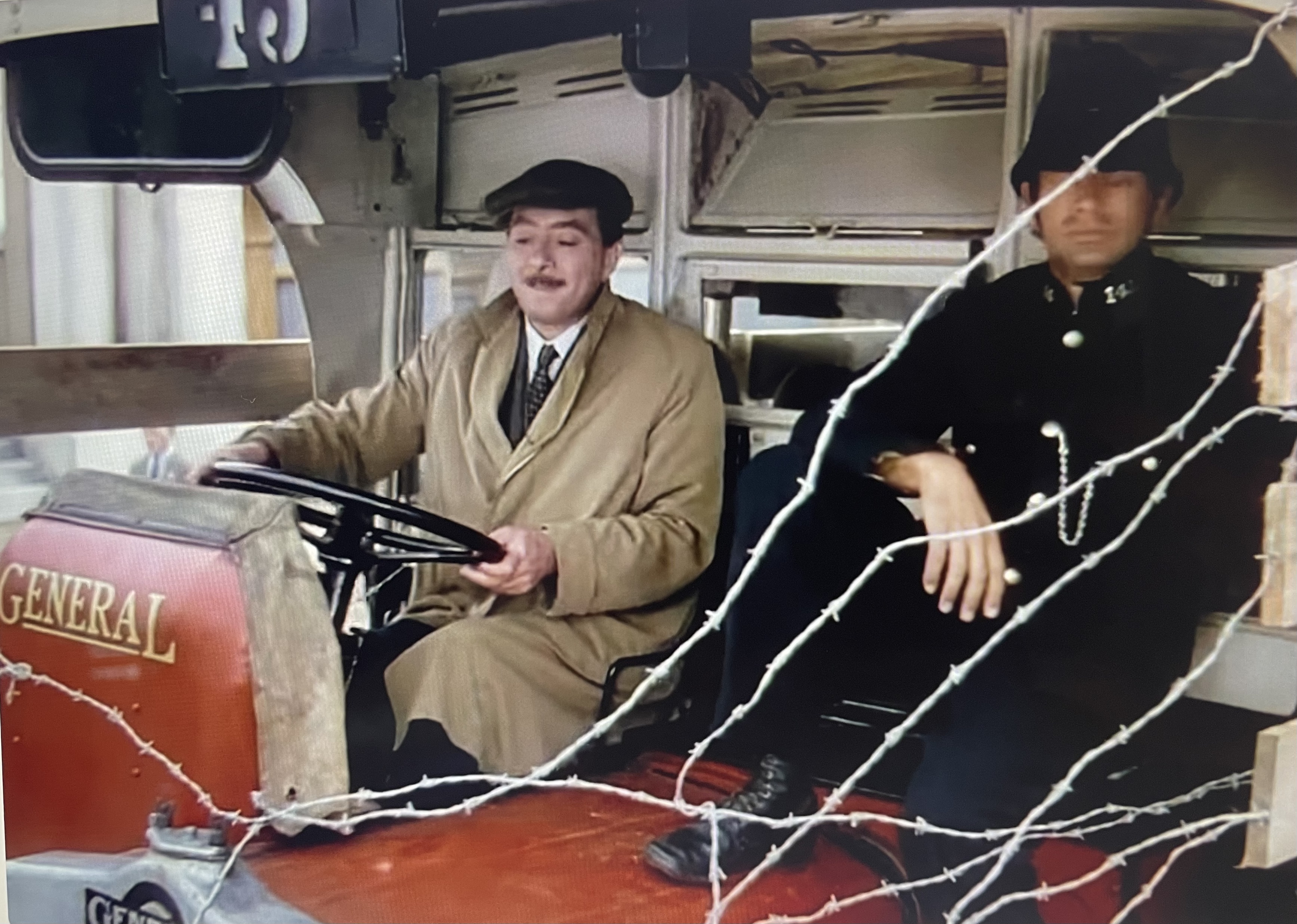
Yes, the bus is one of London’s famed double-deckers. See “From ’Ammersmith to ’Ackney is a Tanner,” SimanaitisSays, for more details.
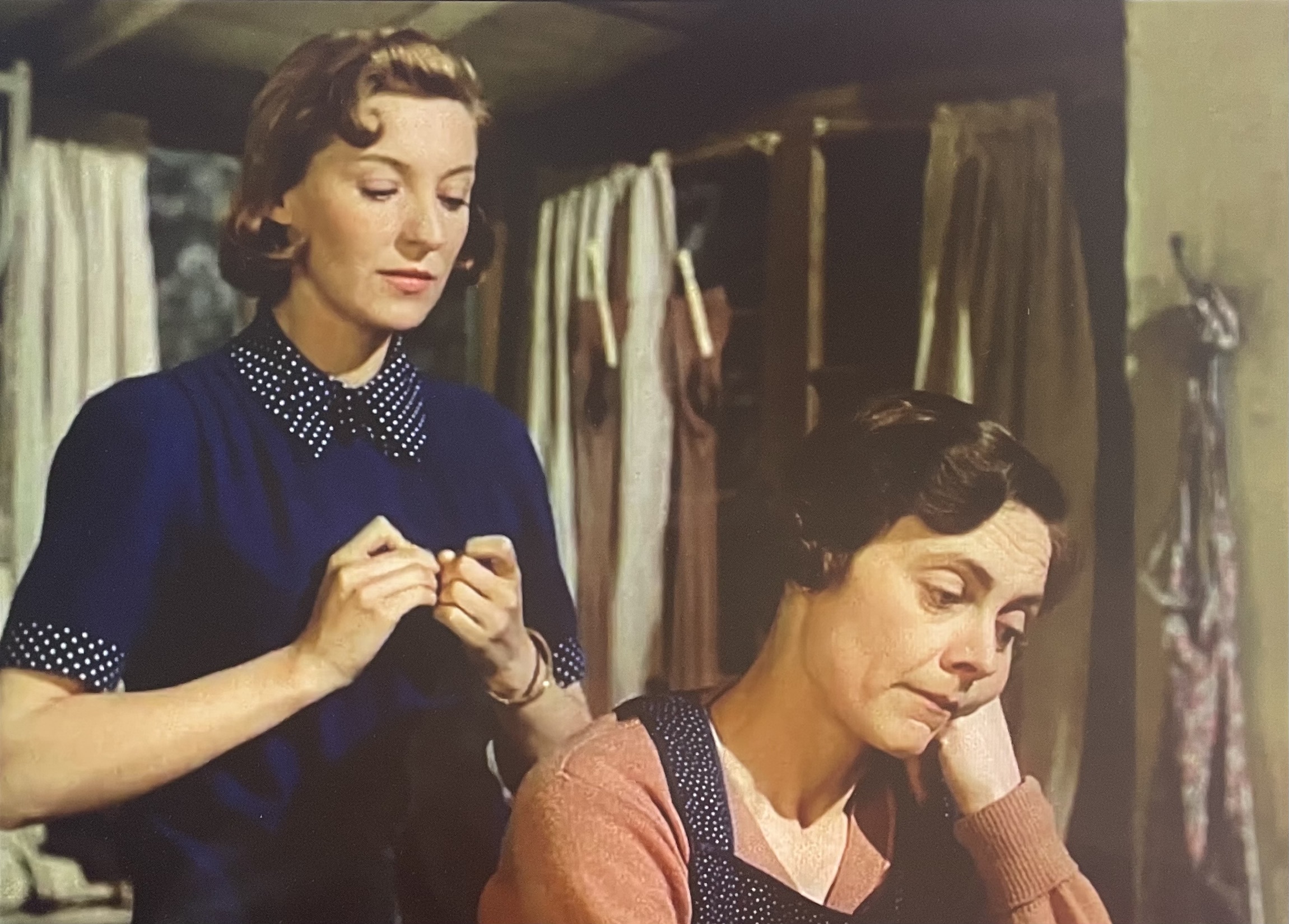
Above, daughter Queenie with mum Ethel. Below, Queenie challenges commonality in winning a Charleston dance contest.
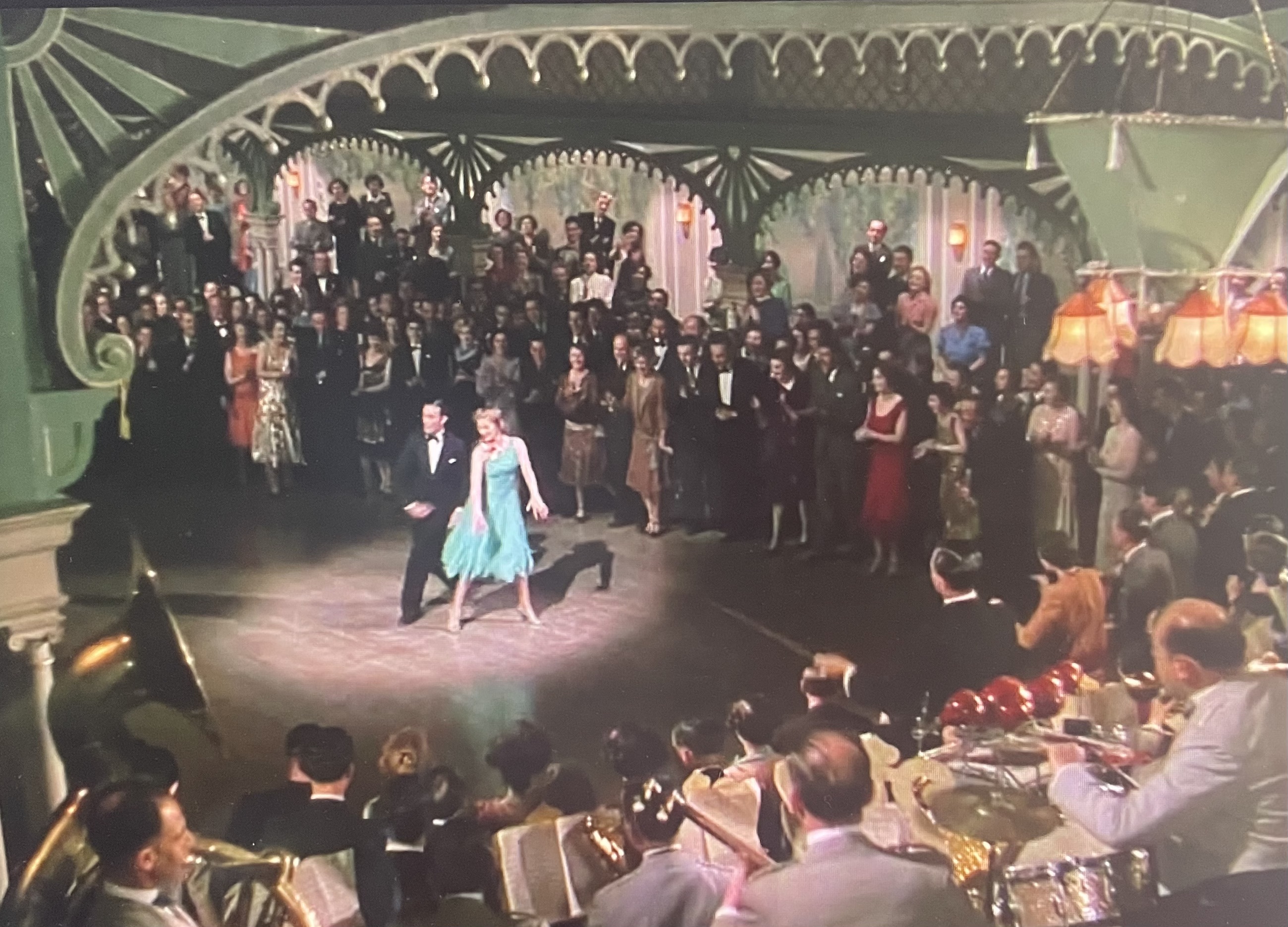
In 1928, Queenie wins a Charleston dance contest. In 1929 Sam and Vi attend one of the new talking pictures, The Broadway Melody, at the cinema.”
Ha. Through the wonders of TCM (rest in peace, Ted Turner), I too enjoyed this and other flicks of the era.
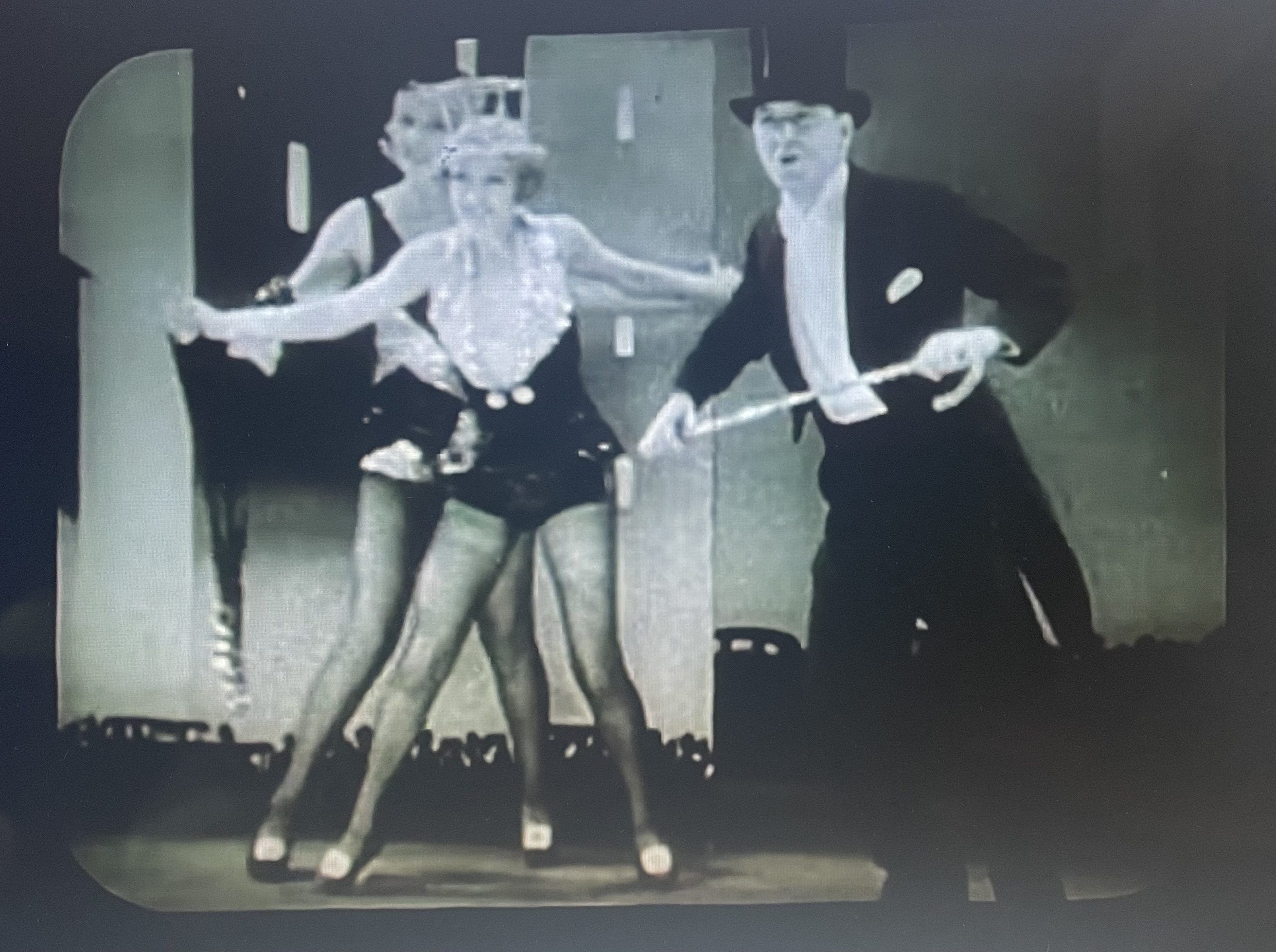
The Broadway Melody, 1929.
Soon, an ordinary radio resides in the Gibbons sitting room. It is often set to the era’s big band music, to be interrupted by news reports (King George V dies on January 20, 1936; King Edward VIII abdicates 11 months later). Newspaper headlines detail the electoral rise of the German Nazi Party.
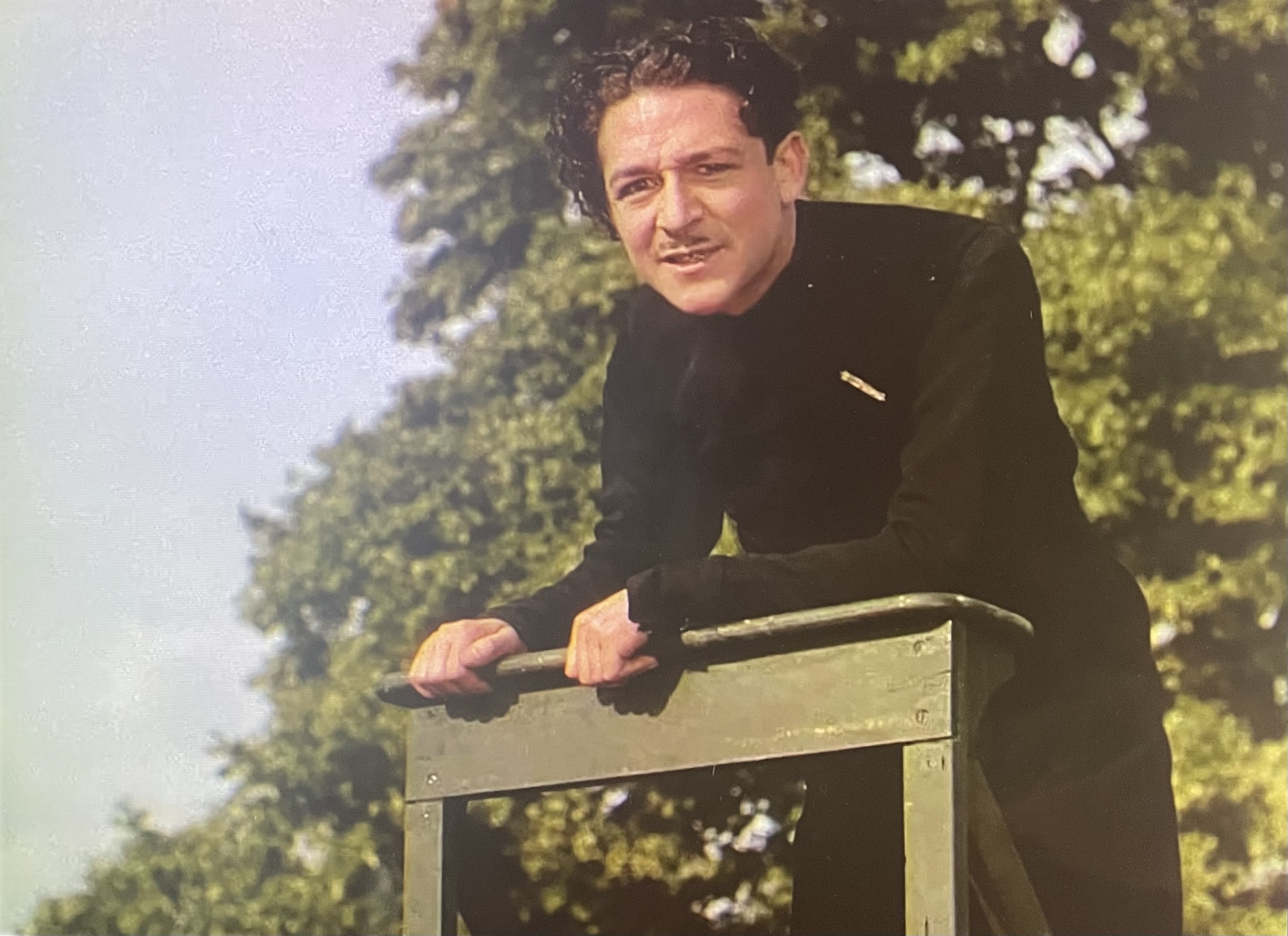
A black-shirt rabble-rouser.
Wikipedia recounts, “Some time afterwards, in Hyde Park, Frank and Ethel briefly witness a member of the British Union of Fascists trying to stir up anti-Semitic sentiment among listeners.” For more on this, see “The Mitford Sisters (and Brother),” SimanaitisSays.
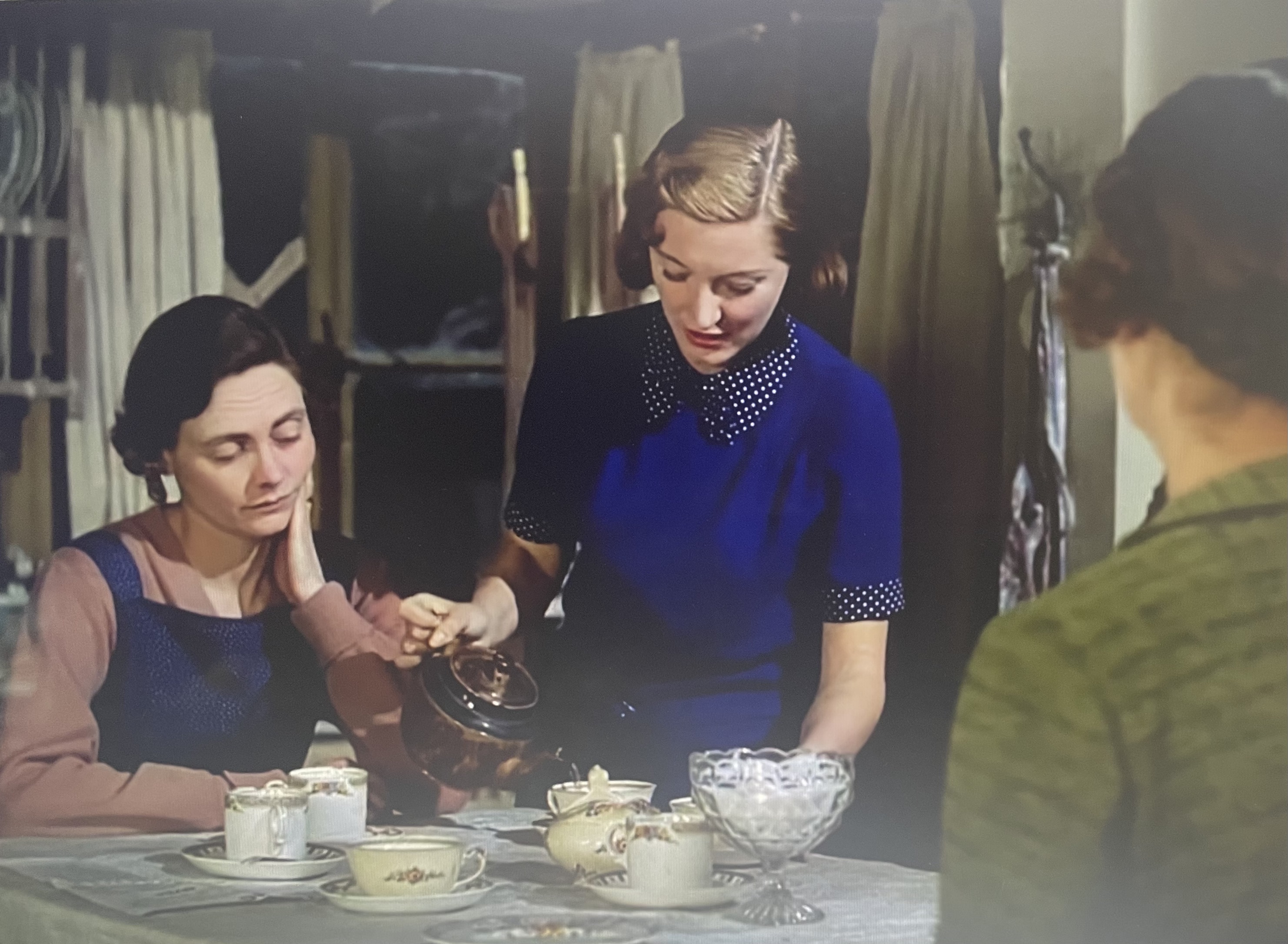
A cuppa helps resolve many a family conflict.
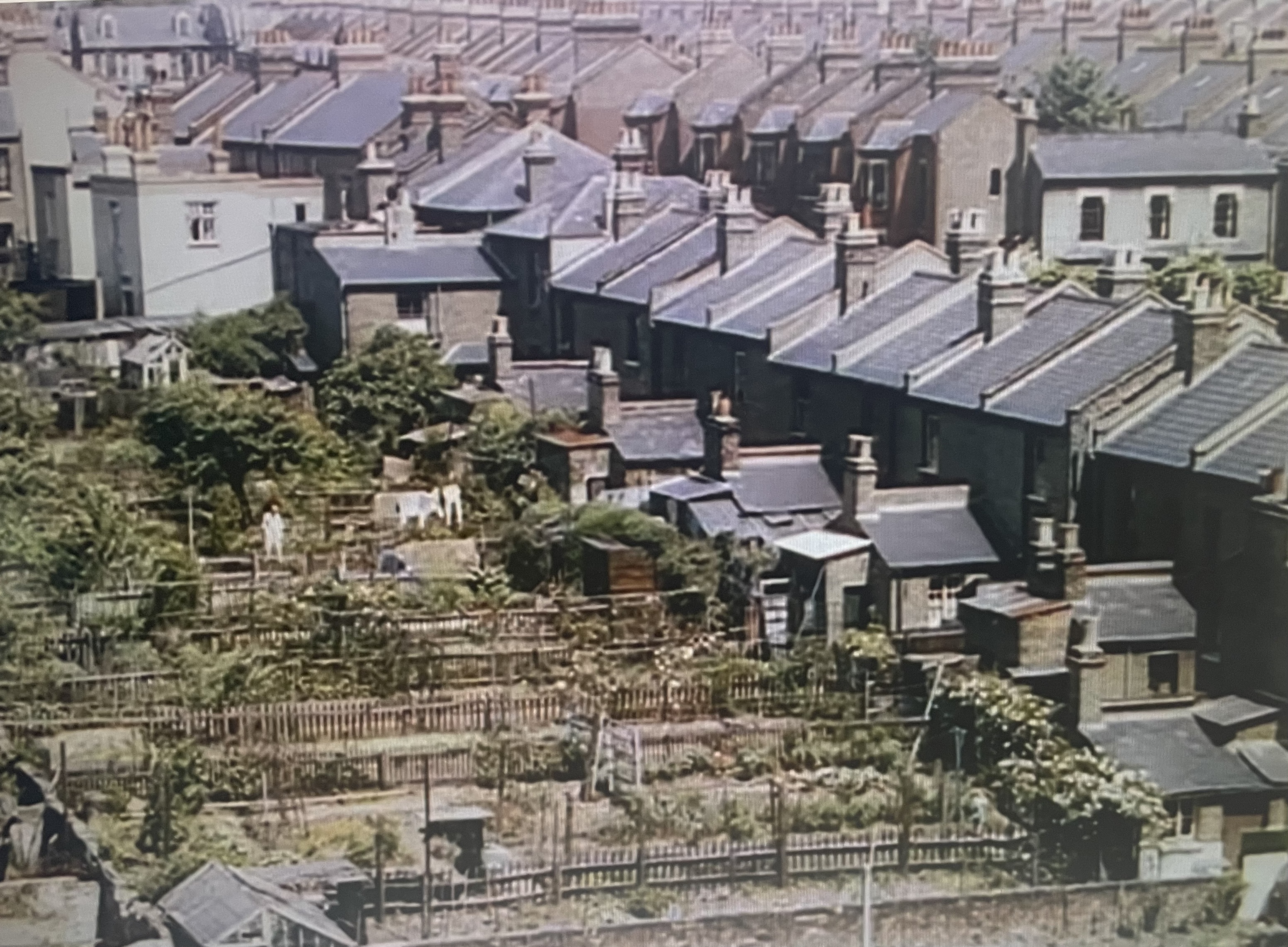
Love, Gentleness, and Forgiveness. Yet in time, love and forgiveness resolve matters for these gentle folk. And the movie closes with an overhead view of London just as it began.
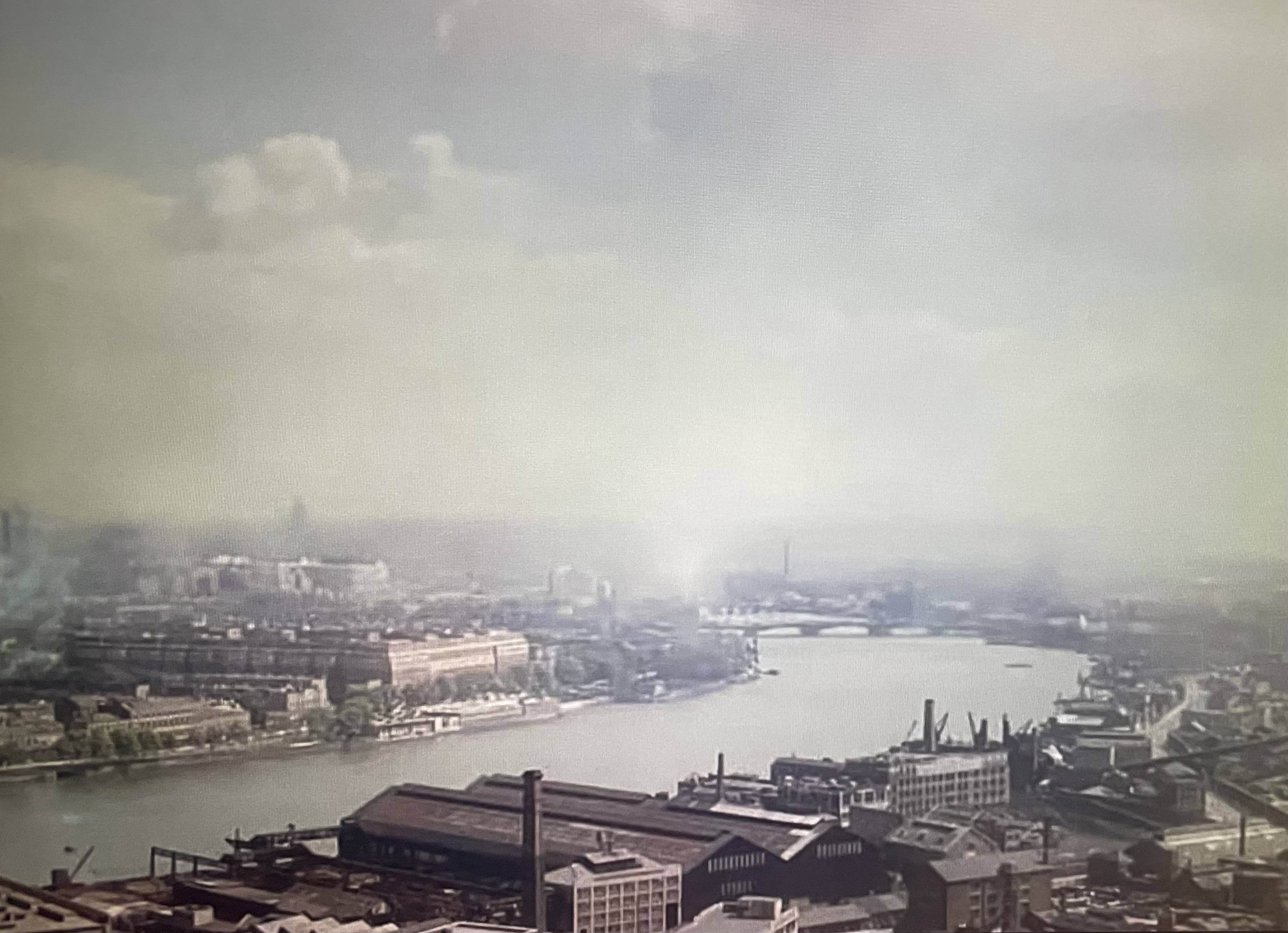
What a gentle, entertaining time capsule. ds
© Dennis Simanaitis, SimanaitisSays.com, 2026


This sounds like a fun movie .
I’m always interested in how the English are different from us on the U.S.A., I like older British music and the rock & roll, I especially like how they made do transportation wise with tiny little cars and Motocycles that had incredibly clever (my view as a Journeyman Mechanic) engineering of usually pretty poor initial quality control .
I too had a (Japanese) crystal AM radio in the early 1960’s that I could easily listen to most Boston radio stations with .
I’ll keep this review in my folder of movies to watch when / if they come up .
-Nate
In 1968 I moved to a remote rural dairy farm in New Hampshire, I learned there to be thrifty and never take what I didn’t need, now at age 70 I still live in a basic 1923 house and have basic cars and my truck is a working class base model, I love it .
Also my 57 year old BMW R75/5 Motocycle I bought as scrap and rebuilt, it’s not pretty (yet) but I can ride it as fast as I want and folks tell me they’ve never seen a BMW Moto go that fast in the canyons .
It’s just what I need and nothing more =8-) .
-Nate
Oops ~ can’t edit , they were Milking Shorthorns .
-Nate