
Simanaitis Says
On cars, old, new and future; science & technology; vintage airplanes, computer flight simulation of them; Sherlockiana; our English language; travel; and other stuff
G.P. MERCEDES OF MORE THAN A CENTURY AGO PART 1
IT WAS 115 YEARS BEFORE TODAY’S Mercedes-Benz participation in Grand Prix racing (and, indeed, it wasn’t until 1926 that the hyphenated firm even existed). Laurence Pomeroy’s The Grand Prix Car Volume One contains an analysis of the 1914 Mercedes G.P. car. Classic Car Profiles 1-24 offers Anthony Bird’s discussion of this car and the 1908 Mercedes G.P. Here in Parts 1 and 2 today and tomorrow are tidbits gleaned from the writings of these two motoring historians extraordinaire.
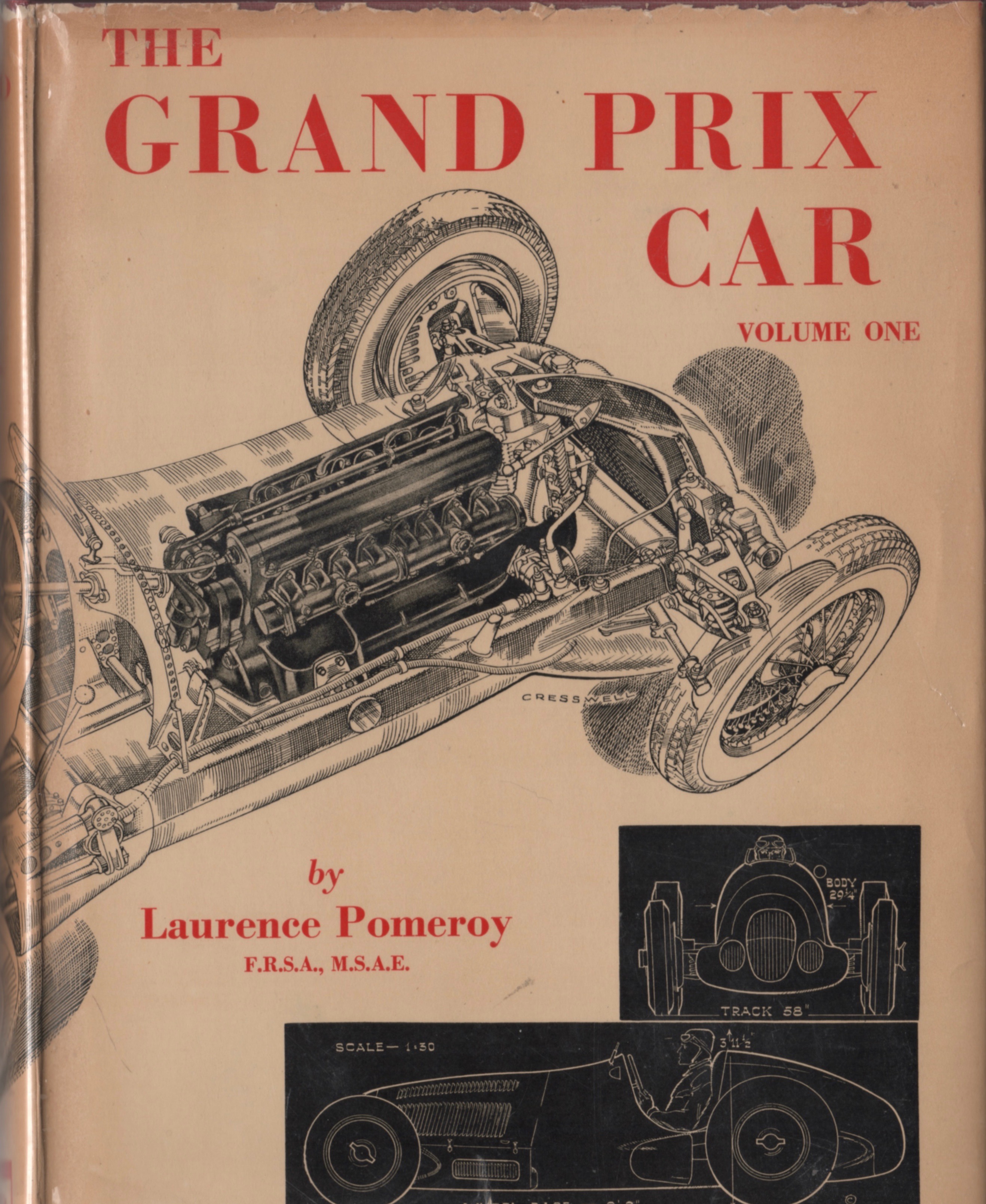
The Grand Prix Car, by Laurence Pomeroy, Motor Racing Publications, 1954; Classic Car Profiles 1-24, general editor Anthony Harding, Profile Publications Ltd., 1965.
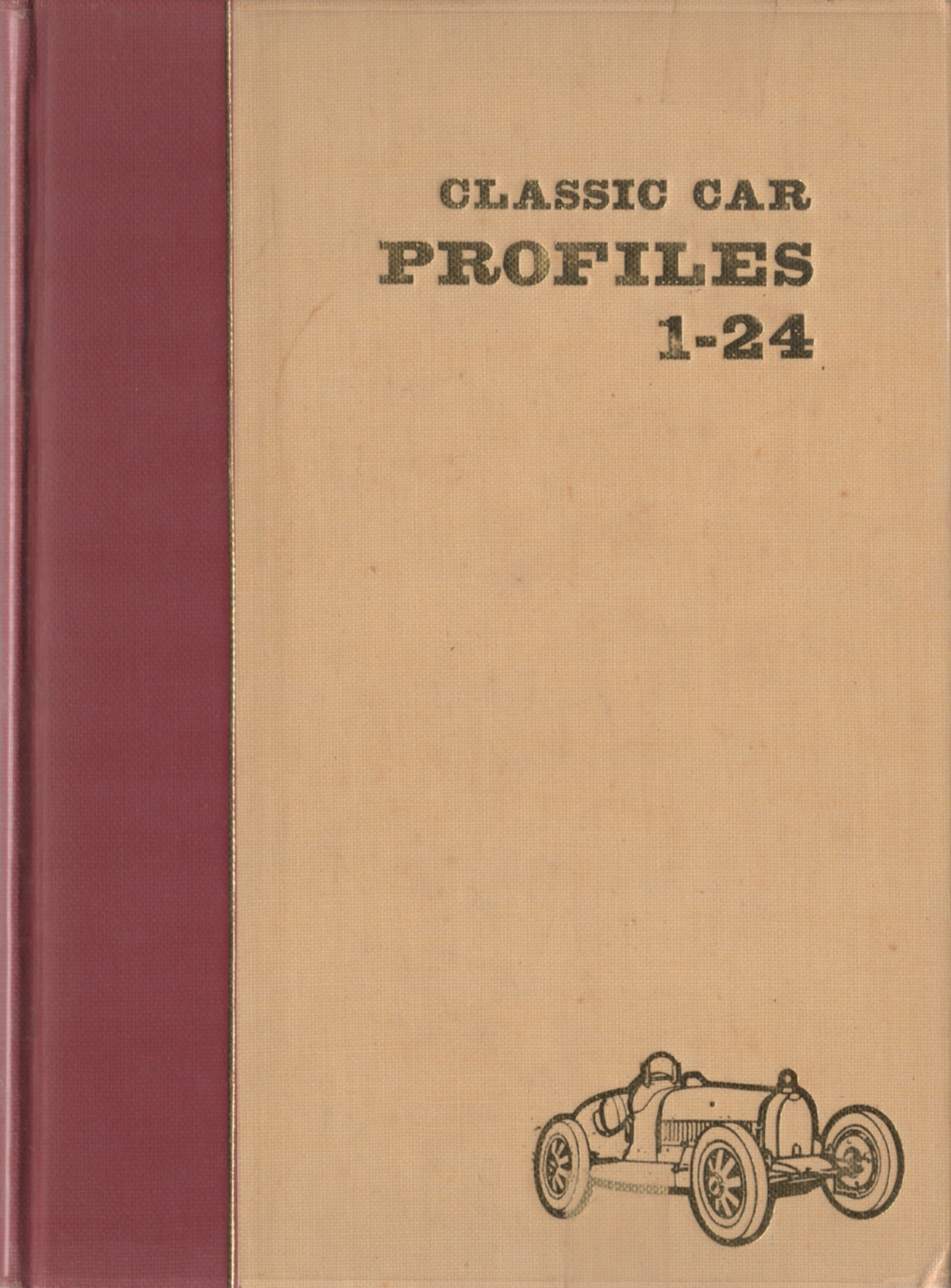
The Early Years. To confirm my assessment of Pomeroy and Bird as extraordinary, consider the latter’s opening comments in his Classic Car Profile.
“In the first years of the century,” Bird wrote, “racing car engines were composed of air and optimism encased in the least possible thickness of metal; that is, their designers were concerned primarily with making very large engines of the least possible weight…. From this it has been argued that these designers were at best lazy and at worst inept, and that the ingenuity (possibly misplaced) of the engineer who could make a car of 13 1/2 litres capacity fit into the 1000 kg. weight limit was equalled only by the temerity of the man who conduct such a monster over the roads of the period at speeds up to 90 mph.”
I love his line about the huge engines being “composed of air and optimism.”
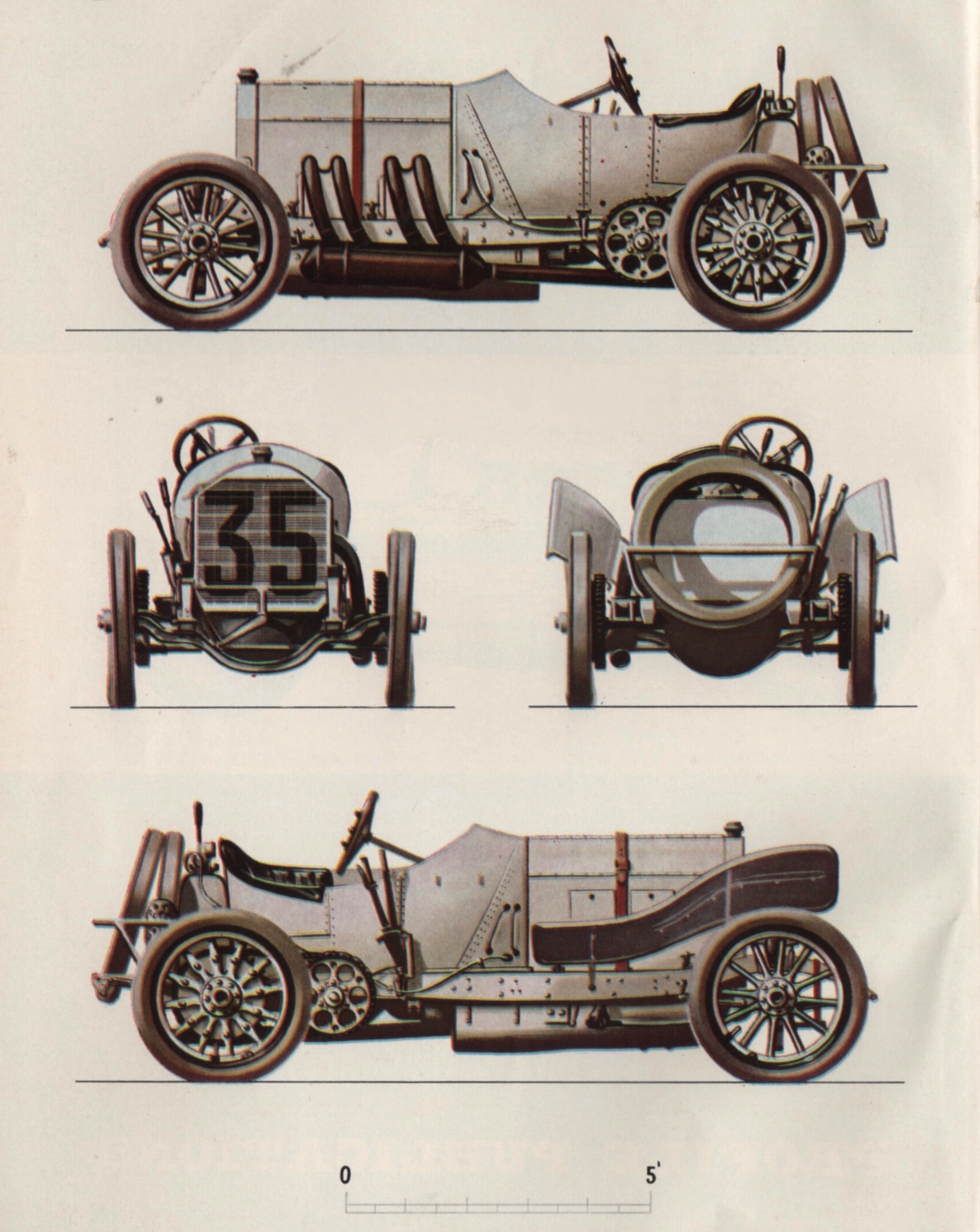
The 12.8-liter Mercedes, winner of the 1908 Grand Prix at Dieppe. Driver: Christian Lautenschlater; average speed, 69 mph for 477 miles. Illustration by James Leech in Classic Car Profiles 1-24.
Chains Retained. Though touring cars of the era were outgrowing chain drive, Bird noted, “The disadvantages of noise, and the rapid wear of exposed chains and sprockets, were of no consequence in racing and the positive advantages of less unsprung weight and the ease of altering final-drive ratios during preparation or practice were not to be gainsaid. Mercedes was not alone: Brasier, De Dietrich, F.I.A.T., Germain, Mors, Motobloc and Panhard-Levassor were still faithful to chain drive in the 1908 Grand Prix.”
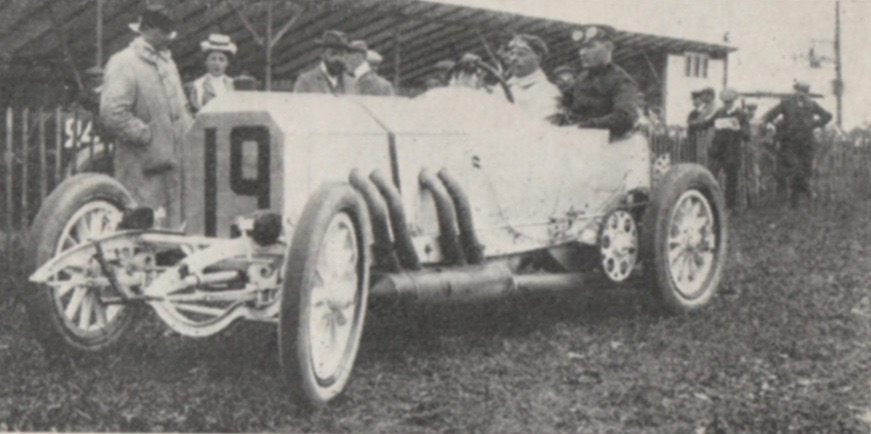
This and another image from Classic Car Profiles 1-24.
Pits Devised. Bird recounted, “This race was notable for seeing the first appearance of ‘pits.’ They were just that—shallow emplacements dug by the side of the track, lined with timber revettments and stocked with the necessary spares and tools.”
Knock-offs Not On. “The other outstanding feature of the affair,” Bird said, “was the prodigious consumption of tyres. The Rudge-Whitworth centre-lock wire wheel had already won favour in England, but the Automobile Club de France barred it from the Grand Prix, apparently for no better reason than that the French makers had not got round to using it.”
Bird continued, “Detachable rims were, however, permitted and the Mercedes pit-staff worked wonders with six nuts securing each rim to its felloe.”
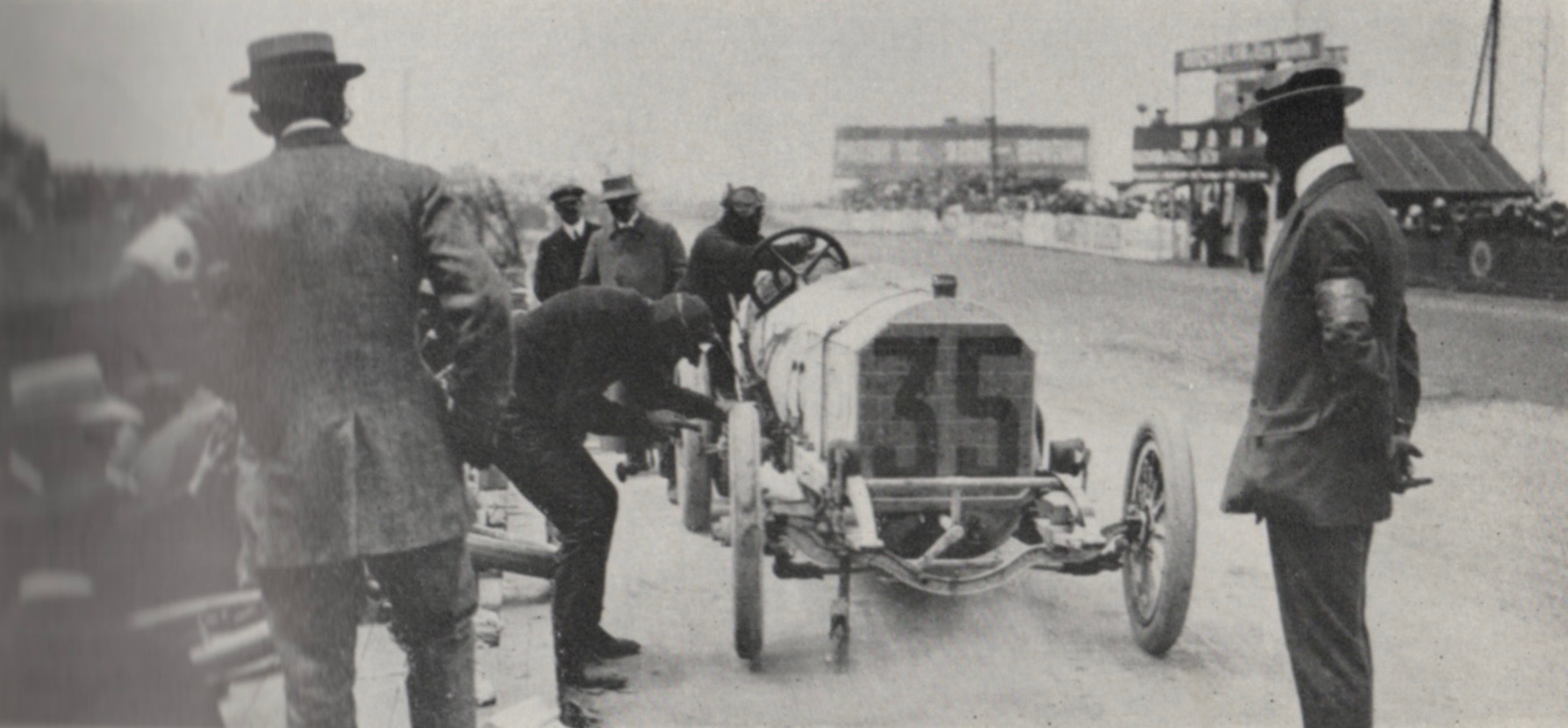
A tire change took considerably longer than 2.5 seconds in 1908.
12.8-liter Four-cylinder Engine.—But What Cylinders and Pistons! Bird provided no photos of the Mercedes engine, but offered ample description: “With the bores (for four-cylinder engines) limited to 155 mm. most of the competing firms sought to increase output by increasing the stroke.”
Bird cited the 1908 G.P. Mercedes stroke at 170 mm (though he also discussed sources saying 180 mm). Either way, the engine’s operation would be an impressive thing to imagine.
To put its 155-mm bore and 170-mm stroke in perspective, imagine four #10 coffee cans (each 6-in. diameter) reciprocating 6.69 inches with every stroke.
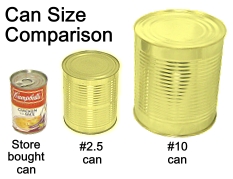
Image from Food Assets.
Bird cited the 1908 G.P. Mercedes 12.8-liter four-cylinder engine produced “approximately 120 hp at 1400 rpm…. The chainwheel ratio was, of course, easily altered to suit different conditions. As raced in 1908, the ratios used allowed approximately 60 mph at 1000 rpm on direct drive…. Maximum speed: Approximately 100 mph.”
Recall Bird’s comment about temerity of drivers.
The 1908 Grand Prix. “Had it not been for his nineteen tyre failures,” Bird noted, “there is little doubt that Victor Rigal on the Clément-Bayard would have won…. The Mercedes were not so destructive (perhaps because of their lighter axles), but there were no spare tyres left at the pit during the last two laps.” A pair of Benz finished second and third.
No Grands Prix for 1909 and 1910. Bird assessed, “That the two leading German firms took first three places was a sad blow to French pride, but the great cost of Grand Prix racing made all the leading firms quite happy to agree to the suspension of Grand Prix events during 1909 and 1910.”
Tomorrow in Part 2, Anthony Bird and Laurence Pomeroy discuss the 1914 G.P. Mercedes, complete with a mere 4 1/2-liter powerplant, knock-off wheels—and no chain drive. ds
© Dennis Simanaitis, SimanaitisSays.com, 2023

