
Simanaitis Says
On cars, old, new and future; science & technology; vintage airplanes, computer flight simulation of them; Sherlockiana; our English language; travel; and other stuff
NEET TEENS—WORLDROUND PART 1
“THE TEENAGER WAS BORN, IT’S SOMETIMES SAID, IN AMERICA IN THE MID-1950S, when Little Richard released ‘Tutti Frutti’ and Elvis appeared on the Ed Sullivan Show.” And so begins William Davies’ essay “Young People Are Different,” London Review of Books, August 13, 2026.

Like so many other LRB pieces, this one got me thinking beyond its Brit theme of transition to adulthood, Thatcher’s government, Britain’s National Health, and the complexity of being a teen amidst all this. Instead, I was struck by the nametag “teenager” and its variants from an etymological perspective. How long have the 13-19s been so identified? And what about the more recent term “Neet,” as in “Not in Employment, Education, or Training.”
Here, in Parts 1 and 2 today and tomorrow, are tidbits gleaned from Davies’ interesting article, together with my usual Internet sleuthing.
They’ve Been Called Worse. Davies recounts, “In the 1990s, as the talk of ‘feckless’ and ‘disaffected’ youth receded, the statistical analysis of this demographic sharpened. In 1993, the sociologist Howard Williamson coined the term ‘Status Zer0’ to categorise young people who appeared to be going nowhere.”
Geez, that should improve their self-esteem.
Davies continues, “The term circulated in Whitehall for a few years before an unnamed Home Office civil servant decided to replace it with the less pejorative-sounding ‘Neet’: Not in Employment, Education or Training.”

Jus’ hangin’ out, sorta.
But this is getting ahead of my etymological search.

How Old is the Term “Teenager”? Wikipedia recounts, “The earliest recorded usage of the word teenager in print was in 1913 in a Wilmington, Delaware newspaper called Every Evening Commercial, Wilmington Daily, where it was capitalized and treated as two separate words (Teen Ager) and used in an article about county Sunday schools…. However, during this time it was treated as a slang term and not recognized by the public due to its exclusive use in local newspaper articles. The word continued to be spelled this way or hyphenated in print until around 1941, where the Popular Science magazine was credited for the first usage of teenager as a singular conjoined term.”
Wikipedia also notes “People aged 9 to 12 years old are placed in the category of preteen, also called tween.”
What About “Teen”? Wikipedia relates, “The noun teen in reference to a person aged 13 to 19 years dates back to 1597 in William Shakespeare‘s tragedy play Romeo and Juliet, said by the Nurse in reference to 13-year-old Juliet: ‘I’ll lay fourteen of my teeth—/ And yet, to my teen be it spoken, I have but four— she’s not fourteen.’ Act I, Scene 3.”
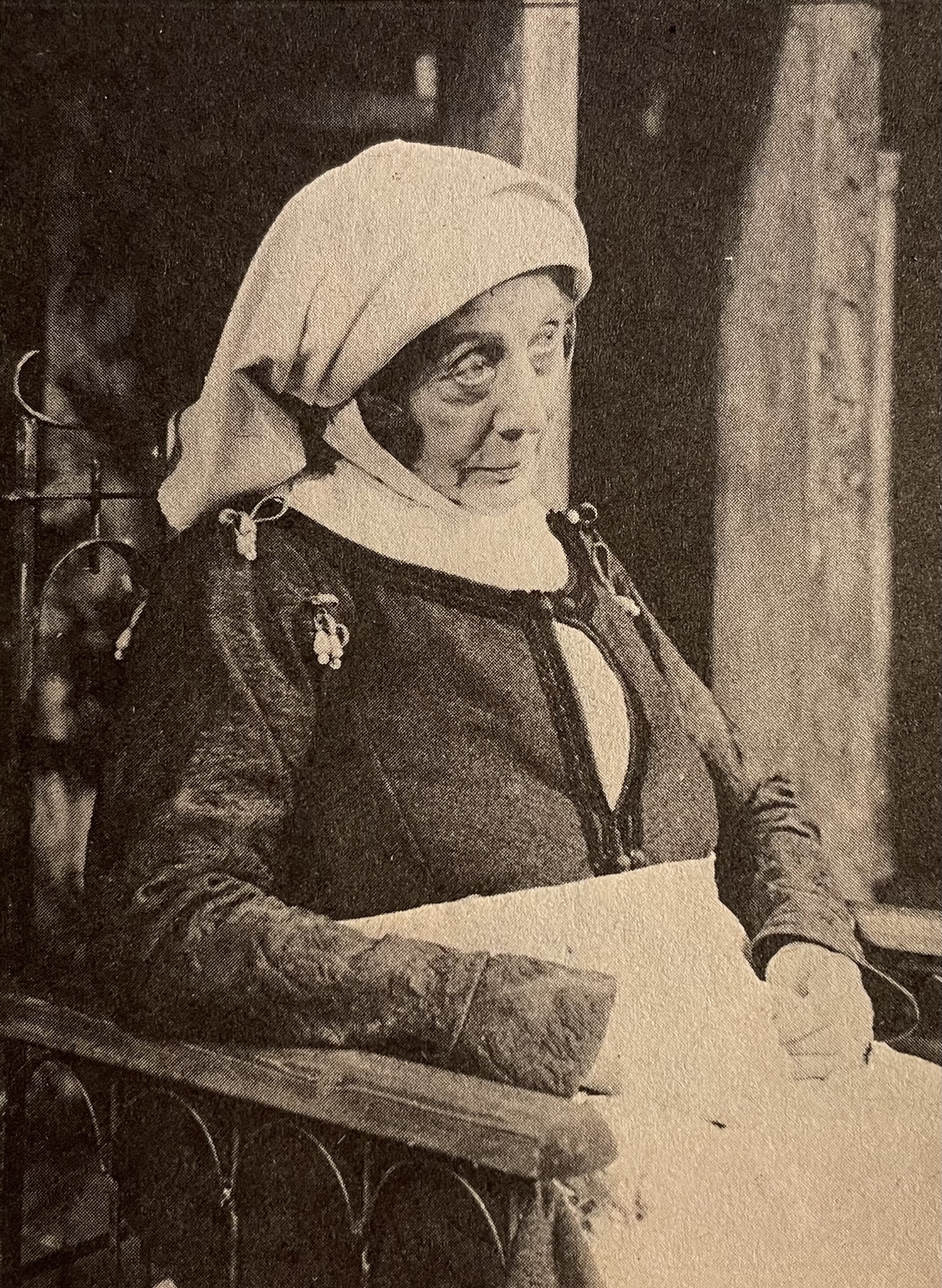
Gee, as we often forget, Juliet was just a kid, as was not uncommon in medieval courting.
Tomorrow in Part 2, we begin by citing more Shakespearean scholarship; indeed, one indicating a rare Wikipedia mistake. Then we return to Davies’ analyses. ds
© Dennis Simanaitis, SimanaitisSays.com, 2026


As a fellow fan of “Old Time Radio”, one of my favorite shows is “The Aldrich Family” with its famous …..comming mother. Henry is discribed as a typical teen-age boy. You Tube has many surviving episodes and I think they have both situations that are current and those that are clearly in the past.
Good perspective above as usual.
The prevailing view of 1940’s young people in that year’s media was “useless jitterbuggers.”
Time and tide rendered them “the greatest generation,” unfair as this is to boomers perished or crippled in Vietnam, working at home for civil rights, the nascent environmental movement.
Too often today, kids are rushed from innocence to wizened mallbrat with no time between to learn, to grow, fail, rebound. And so we wind up with a spoilt bubble boy ruling our 250-year-old remaining democracy by schoolyard taunts and name calling.