
Simanaitis Says
On cars, old, new and future; science & technology; vintage airplanes, computer flight simulation of them; Sherlockiana; our English language; travel; and other stuff
THE CRUCIBLE—AN OPERA FOR OUR TIMES
IN THE MARCH 2026 OPERA WITH OPERA NEWS, Eric Myers discusses Robert Ward’s The Crucible, based on the McCarthy-Era Arthur Miller drama. Here are tidbits gleaned from this article, together with my usual Internet sleuthing.
January 1953. It was the height of McCarthyism. Eric Myers recounts, “Freedom of thought was under siege from right-wing attacks, and anyone deemed to have Leftist affiliations risked public prosecution and imprisonment. Miller chose to set his story 250 years earlier, among the Puritans of Salem, Massachusetts, who persecuted and hanged 14 women they deemed witches as well as four men. (A fifth was tortured to death.)”
Update to Our Times. Myers observes, “History may be repeating itself now, with basic personal and civil liberties being threatened anew under the administration of Donald Trump. In February 2025 Trump seized control of the Kennedy Center, which housed the Washington National Opera, declaring himself the chair of the institution. In December the Kennedy Center’s board of trustees, mostly handpicked by Trump, voted to rename it the Donald J. Trump and John F. Kennedy Center. Throughout 2025 WNO lost donors and its ticket sales plummeted.”
Myers continues “In a frank interview in November, WNO’s artistic director Francesca Zambello said the company might have to seek other performance venues. In January the company announced it was parting ways with the centre, and soon after announced that its run of Robert Ward and Bernard Stambler’s 1961 opera adapted from Arthur Miller’s The Crucible would be performed at the Lisner Auditorium. The Crucible would seem to be antithetical to Trump’s agenda in just about every way.”

Francesca Zambello, New York City-born 1956, an internationally recognized director of opera and theatre, lived in Europe as a child and speaks French, Italian, German, Russian (and English). Her work has enriched stages of the Metropolitan Opera, Teatro alla Scala, the Bolshoi, Covent Garden, the Munich Staatsoper, Paris Opera, New York City Opera, Washington National Opera, Lyric Opera of Chicago, and English National Opera.
A Play into Opera. “Although its original Broadway run was only 197 performances,” Myers recounts, “it was enthusiastically received and won the 1953 Tony Award. When a great play is turned into an opera, a question often asked is, ‘Was it really begging to be set to music?’ In the case of The Crucible, the answer is a resounding ‘Yes.’ The play’s compact structure and setting are bursting with feverish emotion that practically begs to be sung.”
The Composer. Robert Ward, Myers relates, “saw a production of The Crucible in 1959 and immediately recognized the play’s operatic potential. He also was deeply concerned about the activities of Senator Joseph McCarthy and the House Un-American Activities Committee, which had taken a horrific toll on some of his friends and colleagues.”
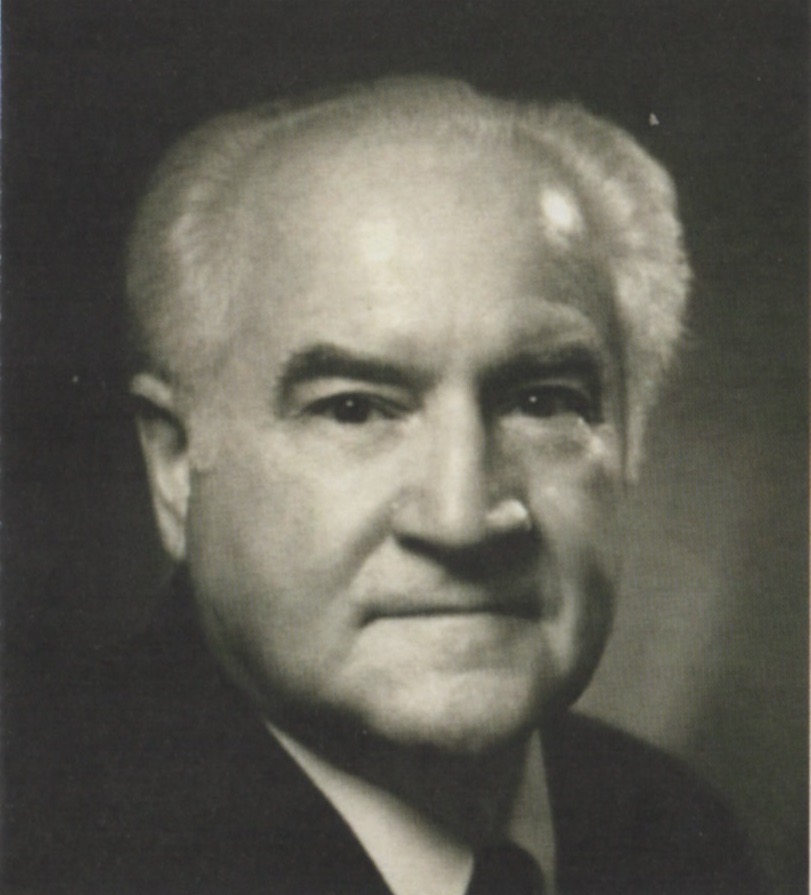
Robert Eugene Ward, 1917–2013, American composer best remembered for his 1962 Pulitzer Prize-winning opera The Crucible. This and the following images from Opera With Opera News.
Ward’s personal philosophy had evolved, Myers relates, “into one of socialism and pacifism, along with a helping or two of Hinduism and Buddhism.”
Transforming the Play into Opera. Ward first suggested that Miller write the libretto, but the playwright was busy with filming of The Misfits. Instead, Miller played a consulting role to Ward and associate/librettist Bernard Stambler.
“Fully two-thirds of the play’s text ultimately needed to be cut,” Myers relates, “and Miller was very supportive of Stambler and Ward’s choices as to what had to go as well as what had to be created to effectively bridge the gaps.”
The Crucible’s First Productions. Myers recounts, “The baritone Chester Ludgin was cast in the central male role of John Proctor, whose adulterous affair with a serving girl, Abigail Willams, touches off a firestorm of mass hysteria and accusations of witchery in the town of Salem. The soprano Patricia Brooks, who would become one of the company’s most valuable members until her career was cut short by multiple sclerosis, was Abigail; the mezzo Frances Bible was John’s betrayed wife Elizabeth and Norman Treigle was the weak-willed Reverend John Hale.”
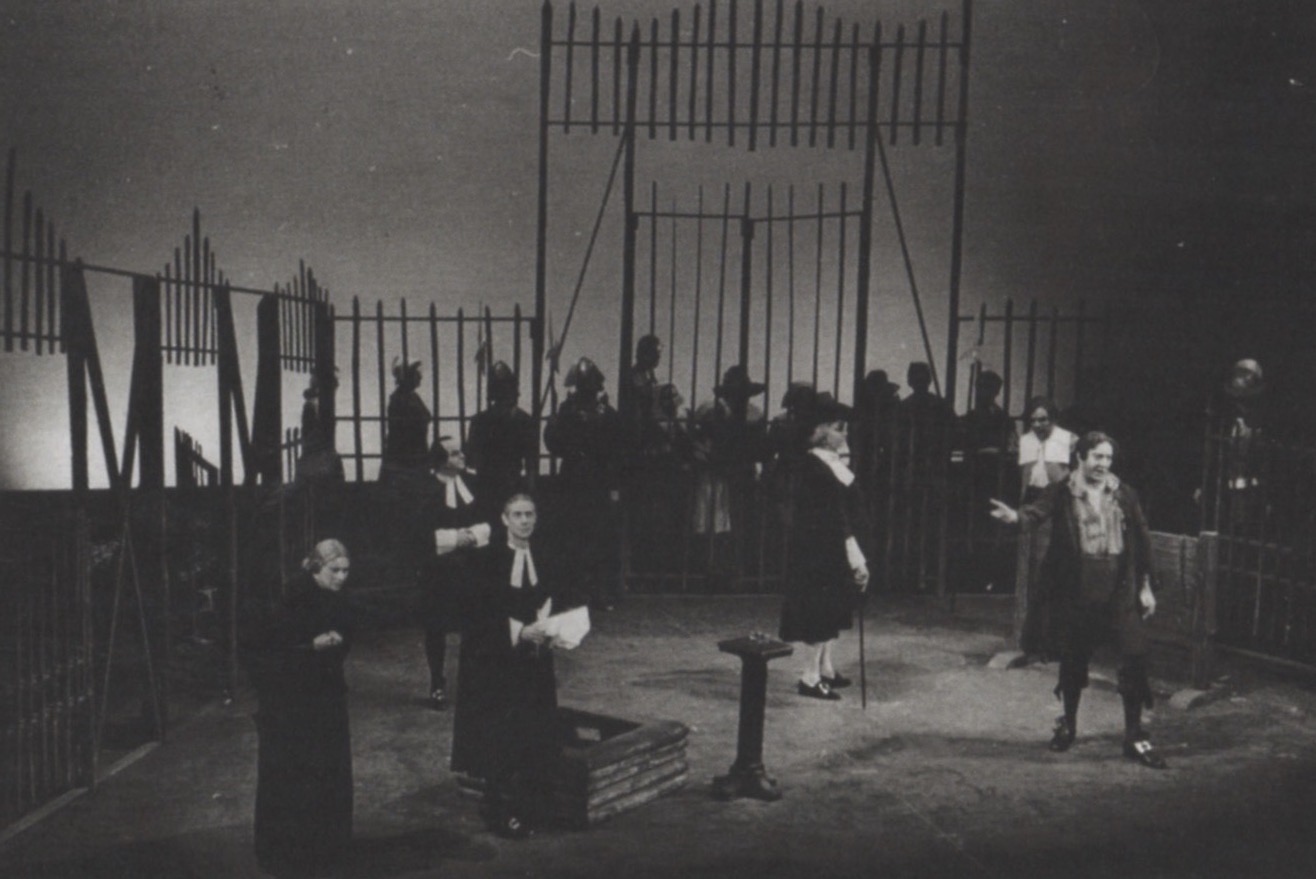
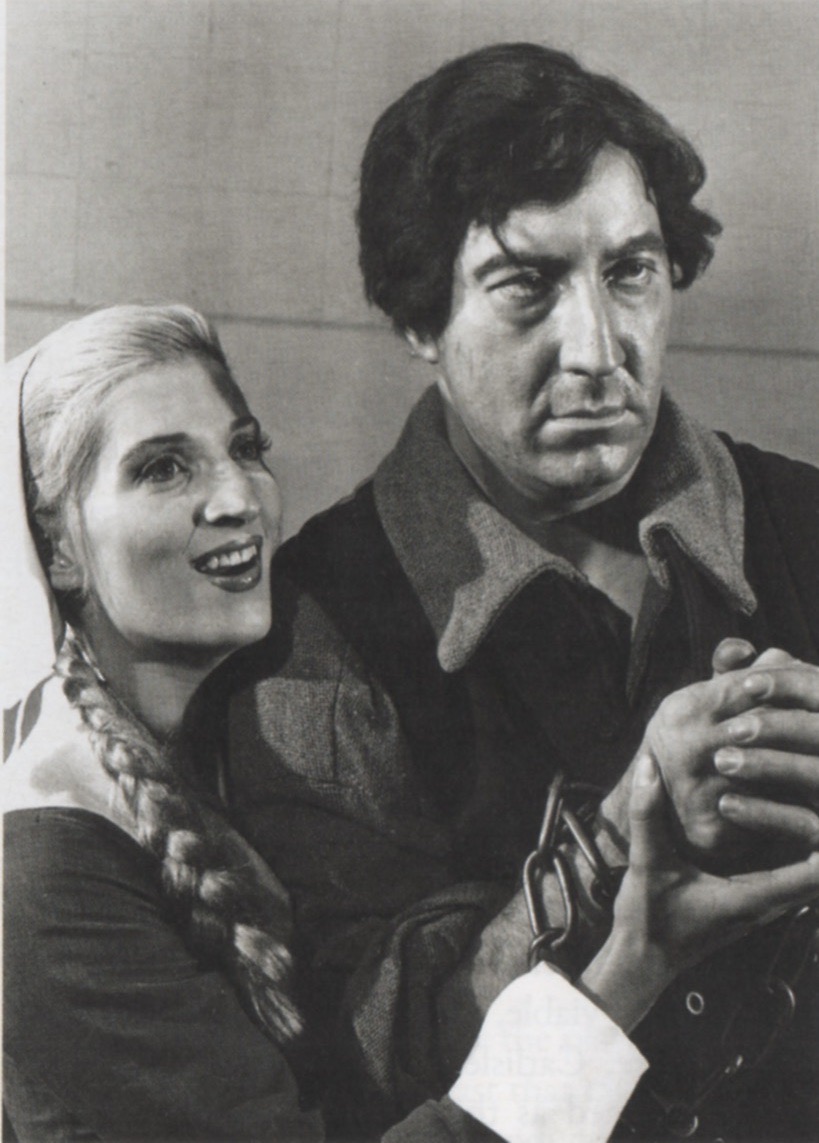
Above, the premiere of The Crucible at New York City Opera in October 1961. Below, Patricia Brooks and Chester Ludgin.
Myers reports, “In the very best sense, Ward’s music works like a highly effective film score, supporting and enriching the unfolding drama. He opens at a fever pitch and never loses his grip on the accumulating tension. He accentuates this by interweaving and contrasting doxological strains within some of the fiercest, most fiery scenes—a musical blend of the sacred and the profane.”
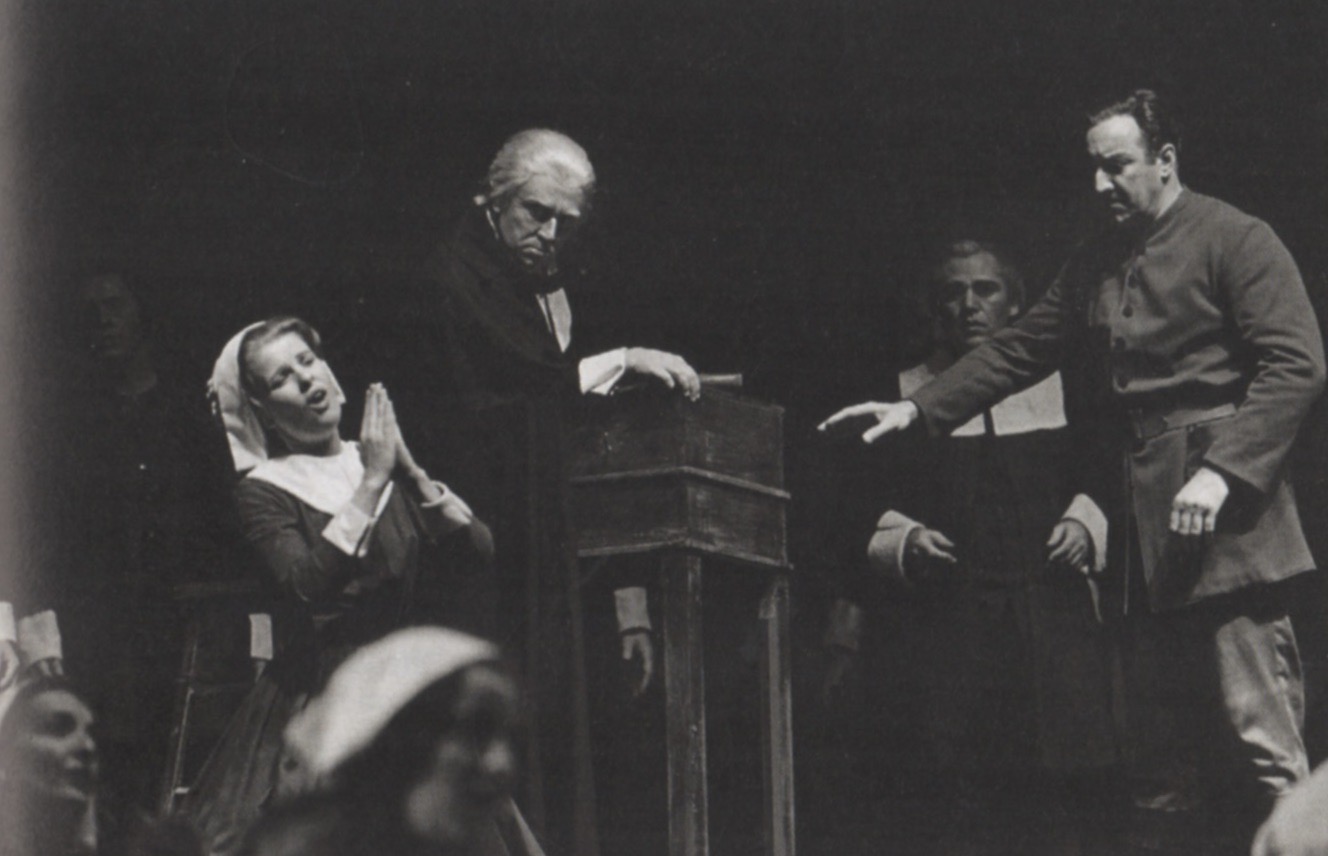
San Francisco Opera’s 1965 production of The Crucible, with Janice Wheeler as Abigail Williams, Robert Nagy as Judge Danforth and Chester Ludgin as John Proctor.
The Crucible’s 2026 WNO Production. Myers recounts, “Zambello’s production at Washington National Opera has come about in an unusual way. Fellow Travelers, the 2016 opera by Gregory Spears and Greg Pierce focusing on a gay relationship during the McCarthy Era, was originally scheduled for this spot in the WNO season. But with the Trump takeover of Kennedy Center, Thomas Mallon, the author of the novel the opera is was based on, withdrew it.”
Myers continues, “ ‘That was why I went to The Crucible,’ says Zambello, who had just staged it at Glimmerglass. ‘It was a piece I trusted…. This piece touches on so many themes of mass hysteria, and how public opinion can get out of hand. And clearly, we are living in those times.”
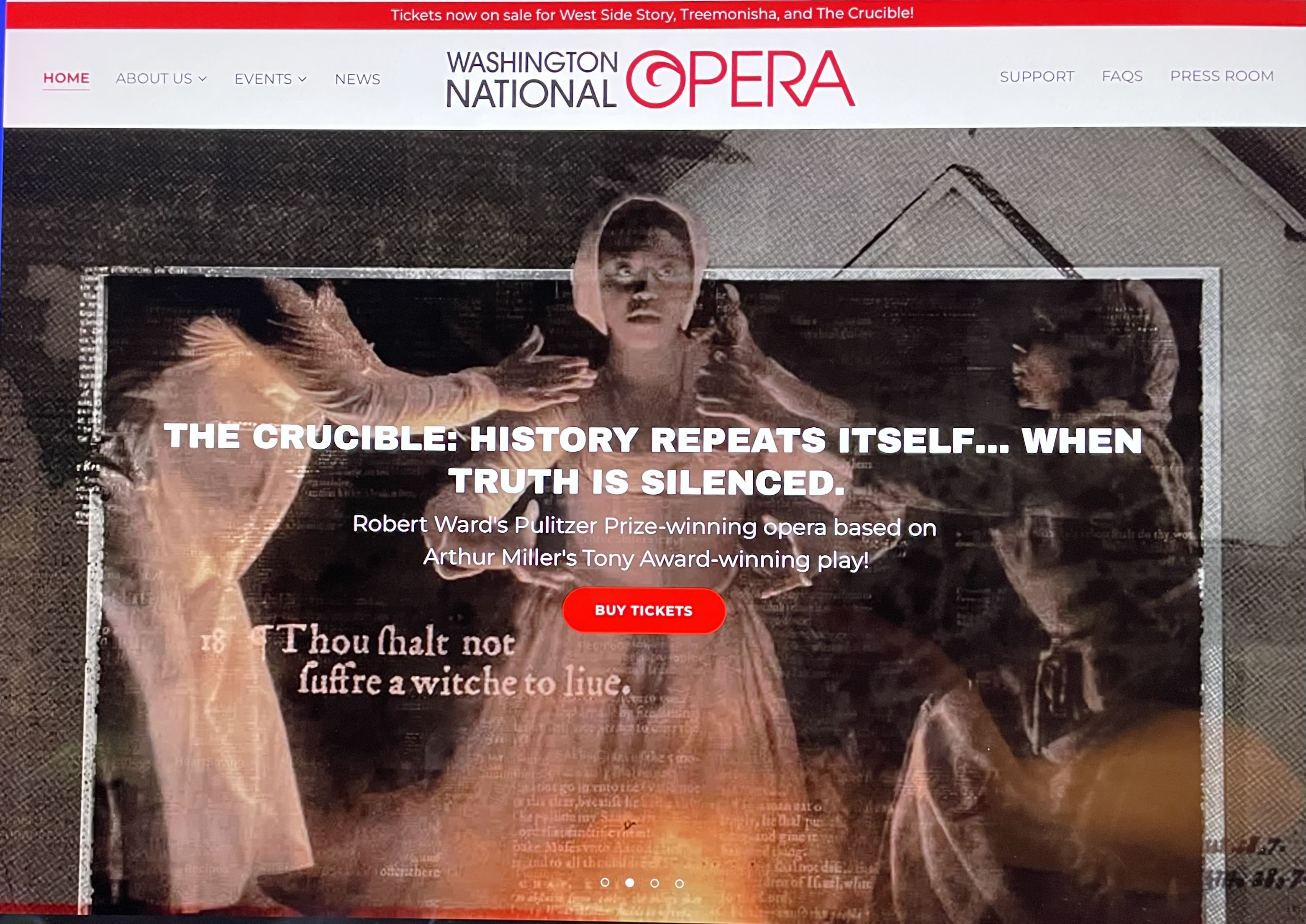
The Washington National Opera performs The Crucible with a cast led by J’Nai Bridges and Ryan McKinney at the Lisner Auditorium from March 21 to 29. Visit www.washnatopera.org for more details (and tickets). ds
© Dennis Simanaitis, SimanaitisSays.com, 2026
 Simanaitis Says