
Simanaitis Says
On cars, old, new and future; science & technology; vintage airplanes, computer flight simulation of them; Sherlockiana; our English language; travel; and other stuff
VAUDEVILLE AND MUSICALS
VAUDEVILLE COULD well be a metaphor for my career in magazines and academe, and maybe for yours too. There are two entertaining books that are fun to share. The first is No Applause—Just Throw Money, by the oddly named Trav S.D. (but then who am I to talk about odd names). The second is Broadway Babies Say Goodnight, Musicals Then and Now, by Mark Steyn. Yes, that Mark Steyn.

No Applause—Just Throw Money, by Trav S.D., Faber and Faber, 2005. Both www.amazon.com and www.abebooks.com.
Vaudeville, notes author (and self-named latter-day vaudevillian) S.D., is America’s only indigenous theatrical form. Yet its roots go all the way back to Dionysus, the Greek god celebrating drunkenness and sexual abandon.
“Old Scratch,” S.D. observes, “was the first hoofer.” As proof, he cites no less a moral authority than St. Paul as lumping “foolish talking” and “jesting” in with fornication, uncleanness and covetousness.
A great passage by S.D. follows: “The early leaders of the Catholic Church apparently thought such images so horrible they couldn’t stop thinking about them.
“Come to think of it, neither can I.”
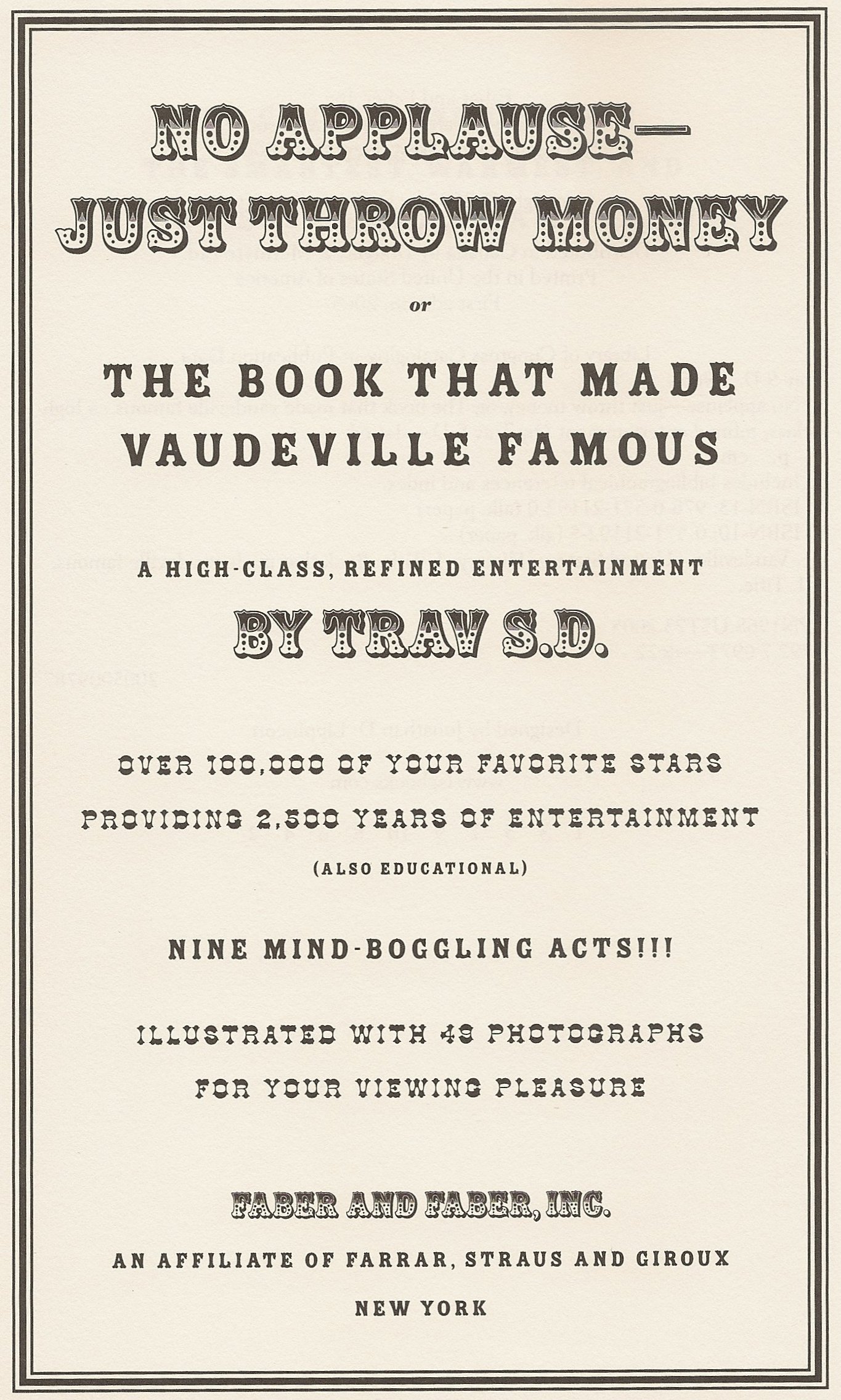
The title page of No Applause—Just Throw Money suggests its editorial intent and delight.
In fact, vaudeville in the late 1800s was variety theater composed of wholesome fun, in marked contrast to “concert saloons” of the era. Evolving in the early 1900s, it certainly emphasized the term “variety.” A typical bill might include an operatic solo, some song and dance, certainly a comedian (or comedienne) and a dog act.
Plenty of familiar names came up through vaudeville. Charlie Chaplin. The Marx Brothers. W.C. Fields. George Burns and Gracie Allen. A Brit stilt-walker named Archibald Leach (we know him better as Cary Grant). And Bob Hope (who once teamed up with the Hilton Sisters, conjoined twins joined at the hip).
Yes, vaudeville had variety.
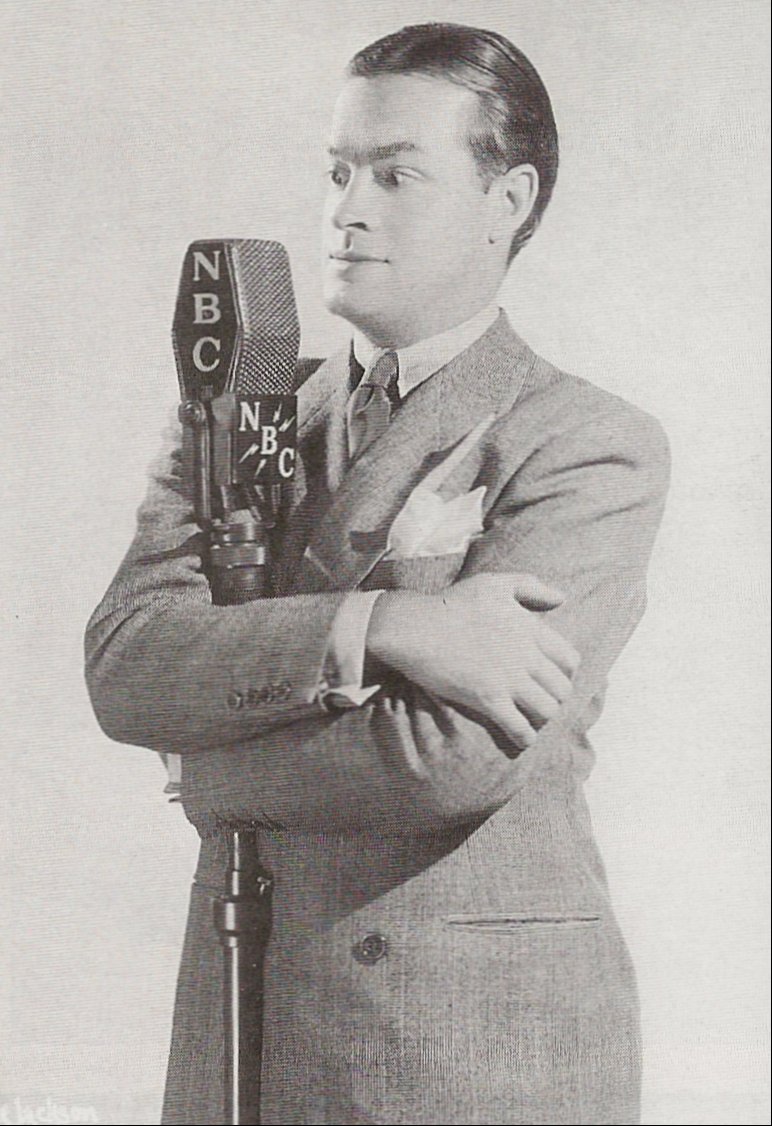
Like so many vaudeville performers, Bob Hope continued into radio and movies. Image from No Applause—Just Throw Money.
Radio and motion pictures took away some of vaudeville’s draw. However, even years later into the 1950s, movie houses often combined the flick with a live show.
The second book, Broadway Babies Say Goodnight, is also a great hoot. Today, Mark Steyn is known as an acerbic—and often humorous—commentator of a decidedly conservative bent.
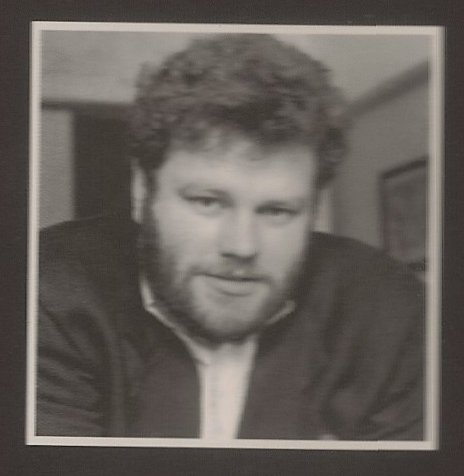
Mark Steyn is well-known today, but not often as a theater critic.
In a previous career, though, Steyn was theater critic for The New Criterion as well as North American correspondent of The Spectator.

When Broadway Babies Say Goodnight, Musicals Then and Now, by Mark Steyn, Routledge, 1999.
Steyn’s book dates Broadway musicals from The Black Crook, an 1866 production, forgettable apart from its lavish scenic effects and bare-limbed dancing girls. Says Steyn, it “inaugurated the tradition of the musical as, in Oscar Levant’s phrase, ‘a series of catastrophes ending in a floor show.’ ”
Arranged in playbill fashion (sample chapters: “Overture,” “Act One, the Op’nin,” “Act One, the Take-home Tune,” “Intermission, the Real World,” “Act Two, the Brits,” “Act Two, the Future”), Broadway Babies Say Goodnight is good solid theater history—together with a wealth of entertaining anecdotes.
For instance, when famed—and feared—producer David Merrick saw his long-running musical 42nd Street going soft after seven years, he moved its curtain time to 8:15 p.m., a quarter of an hour later than the Broadway norm. His logic: It gave show-goers time to cross the street after being turned away by the sell-out Phantom of the Opera. His idea gave 42nd Street new legs.
Another great line Steyn offers: Alan Lerner, esteemed for My Fair Lady and Gigi, was asked by relative newcomer Andrew Lloyd Webber, “Why do people take an instant dislike to me?”
Lerner replied, “It saves time.” ds
© Dennis Simanaitis, SimanaitisSays.com, 2013
 Simanaitis Says
The images were so horrible they couldn’t stop thinking about them. Lake Wobegon’s “Our Lady of Perpetual Guilt” comes to mind.