
Simanaitis Says
On cars, old, new and future; science & technology; vintage airplanes, computer flight simulation of them; Sherlockiana; our English language; travel; and other stuff
NICE NEWS—和風
IF EVER I FELT THE NEED FOR NICE NEWS, it’s now as our democracy undergoes continued disintegration at the hands of Donald J. Trump. (See “Does Anyone Believe Trump?,” “Bribes? Let’s Call Them ‘Gifts,’ ” “The Big Lift and Trump’s Democracy,” and “A Trump/Gatsby Time Capsule From 2017/1925.”)
Completely independent of this, I am a lover of things Japanese. And, just in time, the Nice News website recently celebrated “In a Sacred Japanese Ritual, This Ancient Shinto Shrine Is Destroyed and Rebuilt Every 20 Years,” September 26, 2025; and “Tokyo’s Literary Haven Was Named The World’s Coolest Neighborhood—See The Complete Rankings,” September 29, 2025.

Here are tidbits gleaned from these two Nice News articles, together with their sources and my usual Internet sleuthing.
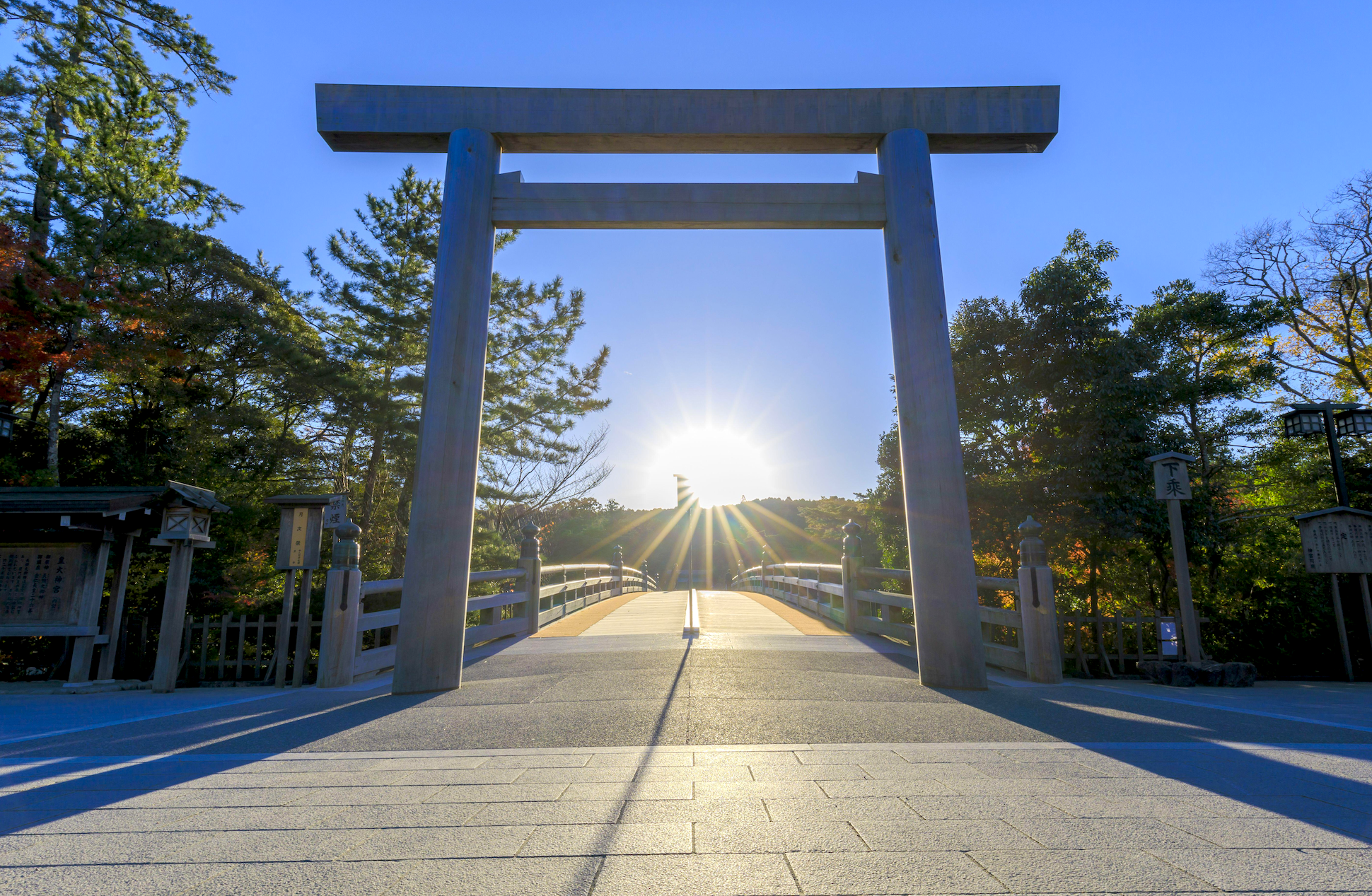
A torii to Ise Jingu. Image by Amana Images Inc./Alamy Stock Photo via Nice News.
Ise Jingu Shinto Shrine. Nice News’ Rebekah Brandes recounts, “Japan is home to tens of thousands of Shinto shrines, places devoted to the worship of the religion’s deities, known as “kami.” The most sacred of these sites, Ise Jingu, is considered the ‘soul of Japan’ and lies nestled in the Japanese Alps. A collection of 125 shrines, the massive complex dates back over 2,000 years—and every two decades, it’s completely torn down and rebuilt.”
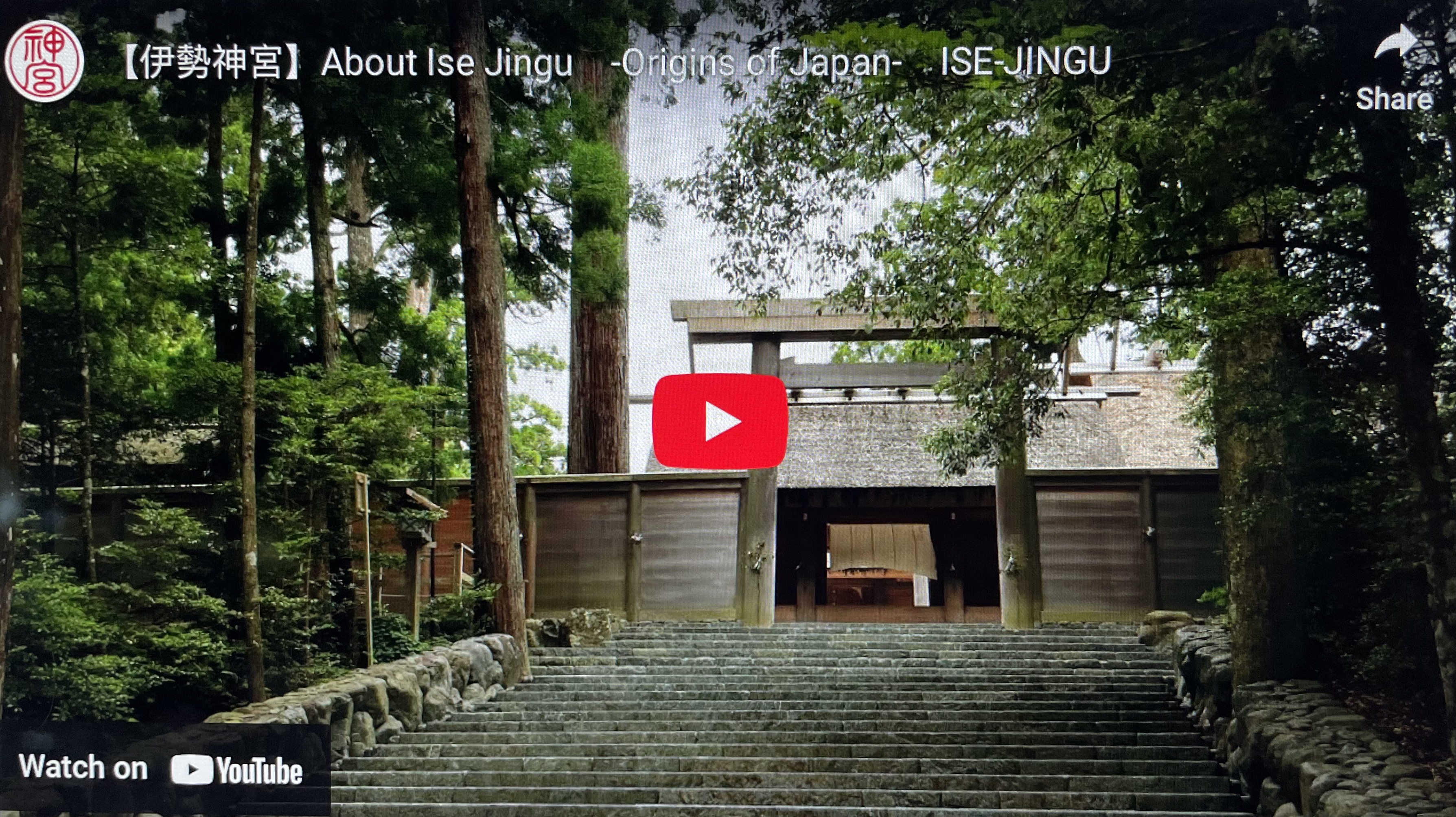
About Ise Jingu. This YouTube is accessible through Nice News.
Brandes describes, “The first documented reconstruction took place in 690. The latest began this year. These days, the undertaking is a $390 million job that requires recruiting the country’s most skilled woodworkers, carpenters, and craftspeople, the Associated Press reports. They will ‘pour their hearts’ into the work, ensuring all 125 of the shrines are re-created using traditional techniques passed down from generation to generation.”
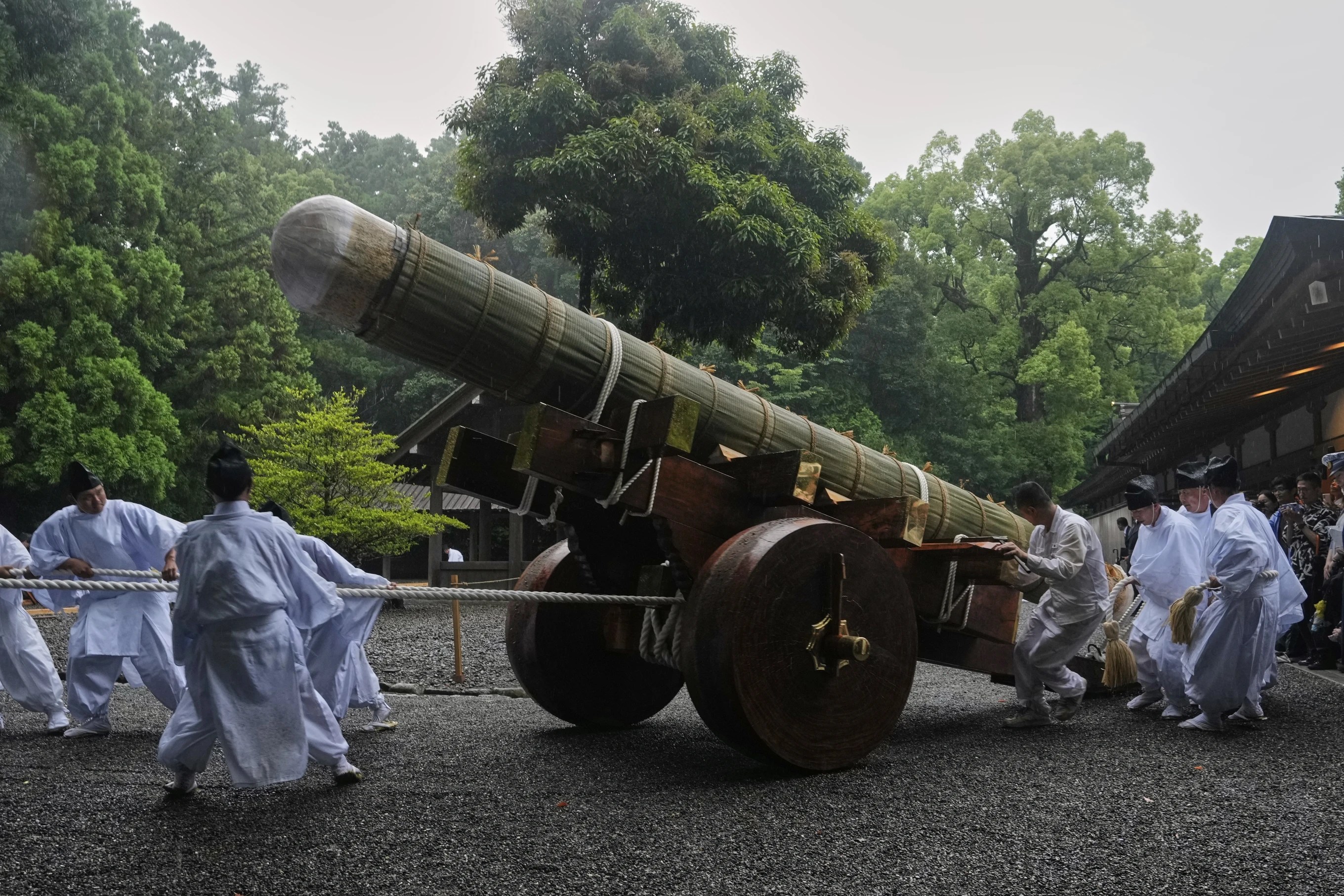
Shinto priests transport a sacred timber in Mihishirogi Hoeishiki, a ceremony of the Shikinen Sengu ritual to rebuild main structures of the Jingu shrine complex. Image by AP/Hiro Komae.
Brandes recounts, “For some of those who feel a connection to the shrines, the cycle of rebuilding them represents the cyclical and ephemeral nature of life: ‘Twenty years from now, the older generation—our grandfathers—will likely no longer be here. And those of us who are still young now will then see our grandchildren involved in the next [rebuilding],’ Yosuke Kawanishi, a Shinto priest, told the AP.”

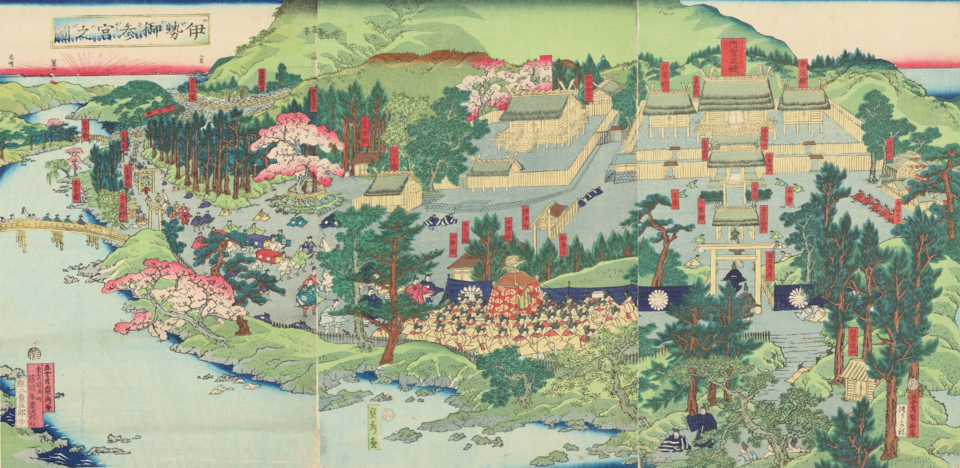
Above, the renewal process is shown in 1849 through this image by Hiroshige. Below, the Ise Grand Shrine is ceremonially rebuilt in 1869. Image by Sadahide Utagawa. Both images via Wikipedia.
Jimbōchō/Jinbōchō, Tokyo. I’ve never been to Ise Jingu in the Japanese Alps, but the Jimbōchō neighborhood of Tokyo, just north of the Imperial Grounds, has been a must-visit for me because of its abundance of secondhand bookstores.
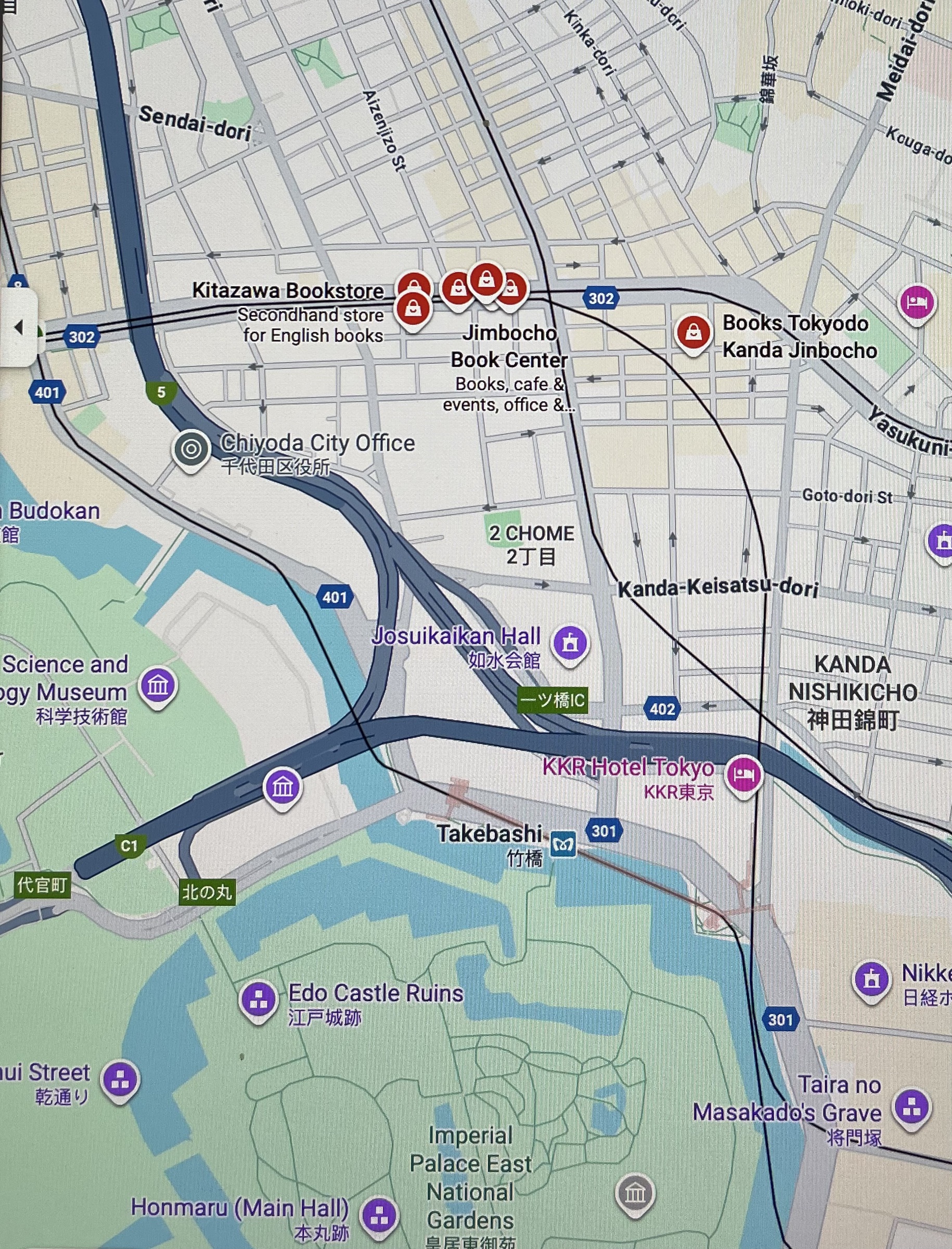
Image from Google Maps.
Nice News’ Marika Price Spitulski posits, “What makes a place cool in 2025? Time Out, which recently published its list of the world’s coolest neighborhoods, defined the hippest spots as ‘places that represent the soul of our cities, while maintaining their own unique local character that draws people in to live, work, and play.’ ”
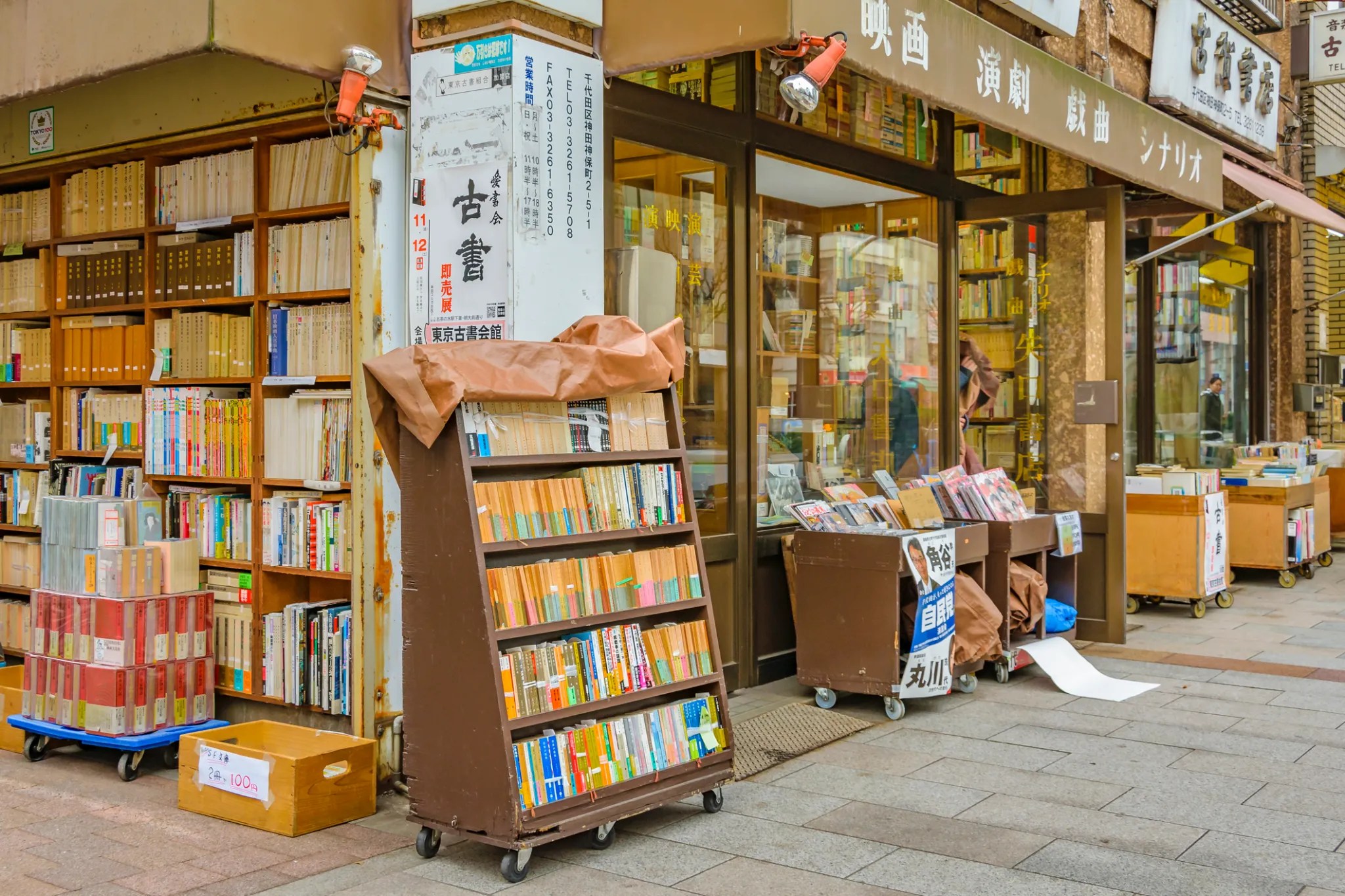
What fun! Image by Rudimencial/iStock via Nice News.
Jimbōchō Attractions. She recounts, “Topping the list is Jimbōchō in Tokyo, renowned for its cozy coffeehouses, curry restaurants, music clubs, and 130 secondhand bookstores. Beginning next month, the ‘bibliophile nirvana’ will host its annual used books festival, where city streets turn into a sprawling open-air library (one more thing to add to the bucket list!).”
“If you’re planning a trip,” Spitulski cites, “Time Out also advises stopping at Sabouru: a coffee shop dating back to 1955 that boasts tiki-inspired decor, and serves up colorful cream sodas along with its signature pizza toast. Yon, a bar and listening space, and Cocktail Works Jinbocho, a cocktail bar known for its craft gin collection, are other must-sees.”
Book Hunting. I began my must-sees with concocting a good opening line: Onegaishimasu, furui kōkū hon wa arimasu ka? Ego de? お願いします, 古い航空本何かありますか?英語で? “Please, have you any old aviation books? In English?”
Omitting furui/old offered another option. Swapping kōkū/aviation for kuruma/car or gekijō/theater got me scanning another part of the shop. I found real treasures.
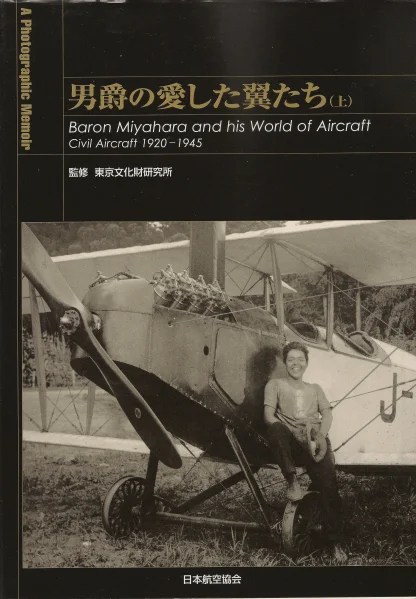
Thanks, Nice News, for reminding me of nice news when it’s most appreciated. ds
© Dennis Simanaitis, SimanaitisSays.com, 2025
 Simanaitis Says
Dennis, thank you. Yes, we need some Nice News every day to buffer the ongoing orange onslaught. Meanwhile, if you make it to the used book festival, maybe ask if they have any old mysteries…in English, please.