
Simanaitis Says
On cars, old, new and future; science & technology; vintage airplanes, computer flight simulation of them; Sherlockiana; our English language; travel; and other stuff
DON’T FORGET THE SYMPHONIC SNEEZE
THERE ARE FASCINATING SOUNDS IN CLASSICAL MUSIC: the Anvil Chorus in Verdi’s Il Travatore, 18 anvils in Wagner’s Das Rhinegold, Tchaikovsky’s 1812 Overture with its bells ringing and cannon fire, and let’s not forget the taxi horns in Gershwin’s American in Paris.

Above, Wagner anvilists represening Niebelungen slaves at work in Das Rhinegold. Image from sfu.ca. Below, George Gershwin, left, and percussionist James Rosenberg hold four Parisian taxi horns used in performances of American in Paris, March 1 and 2, 1929. Image from University of Michigan.

A Sneeze. In assembling Háry János, an opera (and orchestral suite) of Hungarian folk themes, Zoltán Kodály begins it with an orchestral sneeze. Wikipedia quotes the composer: “According to Hungarian superstition, if a statement is followed by a sneeze of one of the hearers, it is regarded as confirmation of its truth. The Suite begins with a sneeze of this kind! One of Háry’s group of faithful listeners … sneezes at the wildest assertions of the old tale-spinner.”
Many of the musical themes of the Háry János Suite are familiar, but the orchestral sneeze at its beginning is memorable as well.
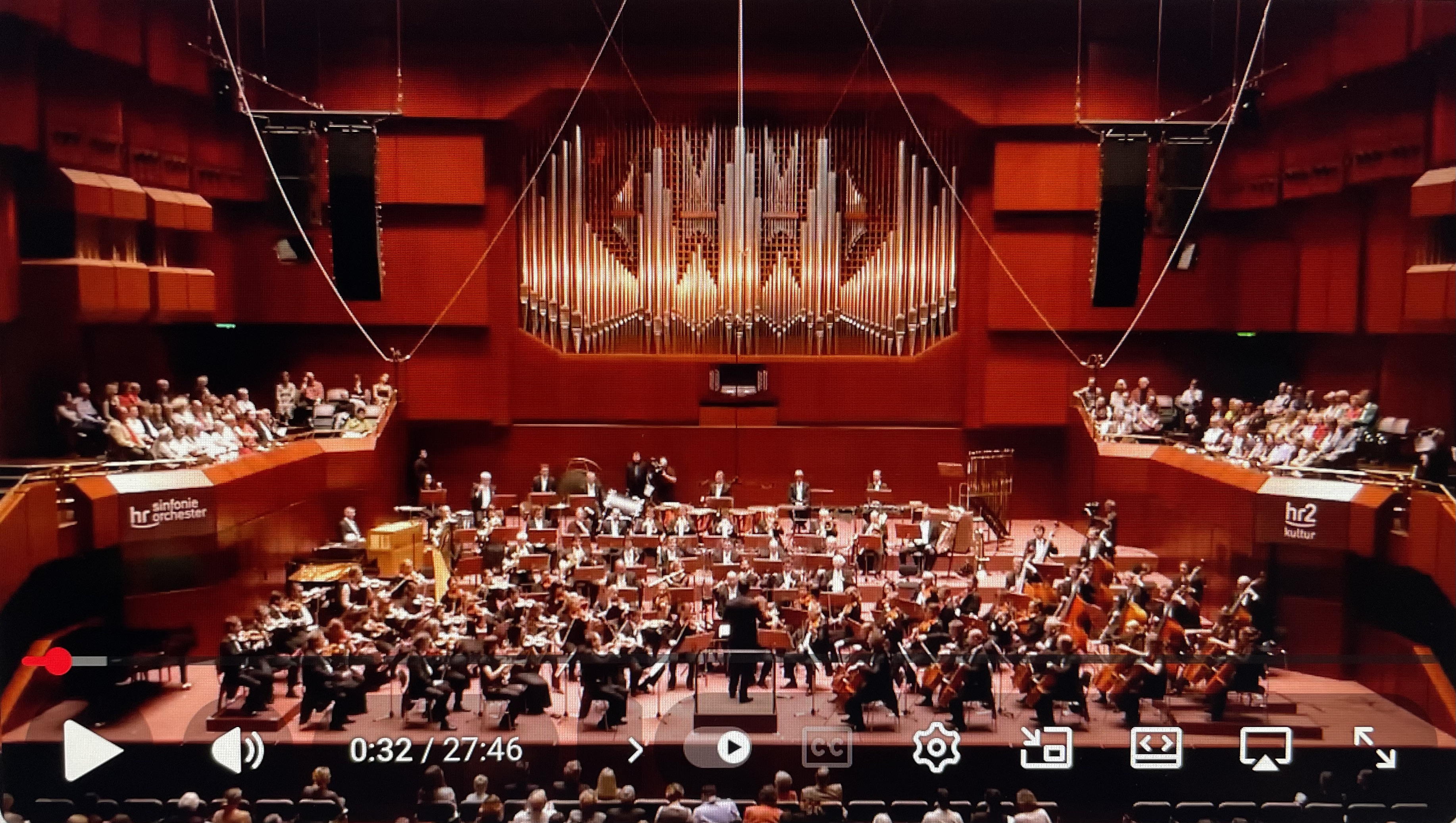
Háry János Suite, the Frankfurt Radio Symphony Orchestra, Juraj Valčuha, conductor. Video from YouTube.
A Hungarian Pair. Wikipedia notes that Béla Bartók and Zoltán Kodály “were both students at the Franz Liszt Academy of Music in Budapest, Hungary; Kodály, one year Bartók’s junior. Both were inspired by the country’s folk music and became lifelong colleagues. In 1908, Bartok and Kodály traveled into the countryside to collect and research old Magyar folk melodies. Their growing interest in folk music coincided with a contemporary social interest in traditional national culture.”

Zoltán Kodály 1882–1967, Hungarian composer, music pedagogue, linguist, and philosopher. He is well known internationally as the creator of the Kodály method of music education.
Kodály’s Opera Háry János. Wikipedia recounts that Kodály’s “opera, in four acts, is in the manner of a Singspiel and is based on the comic epic The Veteran (Az obsitos) by János Garay about a supposed veteran named Háry János…. The 1926 première was at the Royal Hungarian Opera House, Budapest. The UK stage première was at the Buxton Festival in 1982 conducted by Anthony Hose, with Alan Opie in the title role.” It has been adapted into three films, all Hungarian, in 1941, 1965, and an animated version in 1983.
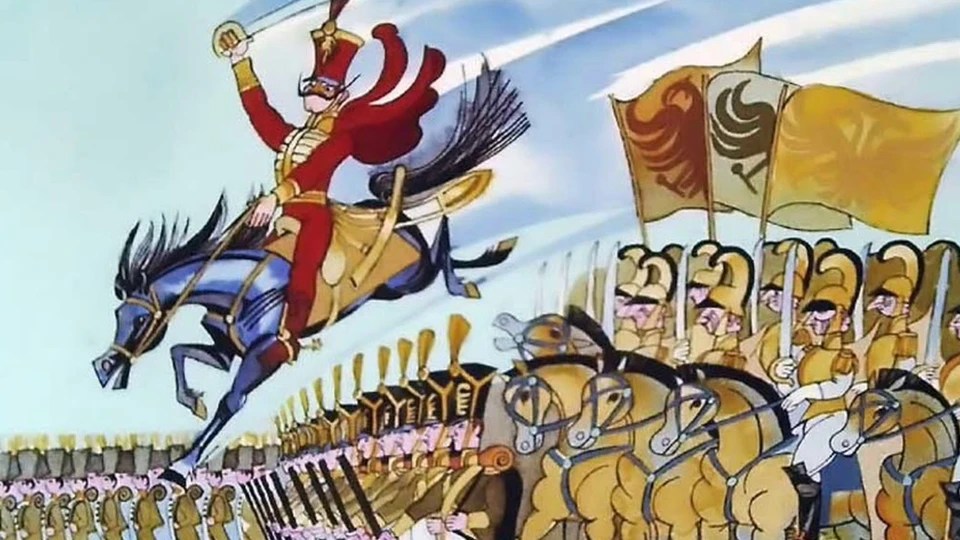
A Need for That Sneeze. Kodály wrote in preface to the score, “Háry is a peasant, a veteran soldier who day after day sits at the tavern spinning yarns about his heroic exploits… the stories released by his imagination are an inextricable mixture of realism and naivety, of comic humour and pathos.” The orchestra’s opening sneeze is an inside joke to his mendacities. As Italians say, “Si non e vero, ma ben trovato.”
A Cross-Border Escapade. “A border crossing point between Galicia and Russia; there is frost and ice on the Russian side, sun shining and flowers blooming on the Hungarian side. János, after having got rid of all his female admirers meets Örzse [destined to be his love]. Mária Lujza, wife of Napoleon, is being refused passage by the Russian guard.”
János deftly pushes the border gate along the ground so that she finds herself across the Hungarian frontier. Voila! er… Ott! (the Hungarian equivalent). She takes a fancy to Háry and invites him to Vienna and enter the Imperial Guard.
Besting Napoleon, With Complications. János, now a colonel, wins the Battle of Milan with the mere wind of drawing his sword. Double-Ott! Napoleon kneels and begs for mercy. Mária Lujza now wants to win Háry’s heart, much to the consternation of his village love Örzse.

Örzse and Mária Lujza fight it out, the latter threatens suicide; Háry saves the day by leading soldiers in a rousing march.
You’ll recall Peter Ustinov’s observation: “Opera rides a razor edge of absurdity.”
The Imperial Palace, a Near Nuptual. Wikipedia recounts, “All the archdukes come and pay homage to the hero. Örzse arrives to take leave of Háry but, now an infantryman, he swears allegiance to the Emperor, whether as a soldier or farmer. True to her and to his homeland, despite all the imperial trappings they leave the court.”
Epilogue. “Back at the inn in Nagyabony, János concludes by telling his sleeping audience that the condition of freeing Napoleon was that a gold watch should be sent to the headman of the village, who replies that he never got it. János states that the only person who can corroborate his story is Örzse, who is now dead.”
Well, that settles that, doesn’t it.
What with all this phony bravado (or, as it’s known in Hungarian, hősködés) and sneeze-covered mendacity, and with a passing thought to Hungary’s Viktor Orbán, this opera has current overtones. Any day now I expect Karoline Leavitt to work sneezes into press conferences. ds
© Dennis Simanaitis, SimanaitisSays.com, 2025
 Simanaitis Says