
Simanaitis Says
On cars, old, new and future; science & technology; vintage airplanes, computer flight simulation of them; Sherlockiana; our English language; travel; and other stuff
WOOLWORTH’S LUNCH COUNTER IN HISTORY PART 1
FRANK WINFIELD WOOLWORTH CREATED MERCHANDIZING innovation in 1879 when his store in New York City sold lots of stuff for a nickel or a dime. “Five-and-tens,” F.W. Woolworth’s became known. The retail chain opened its first lunch counter in New Albany, New York, in 1923.
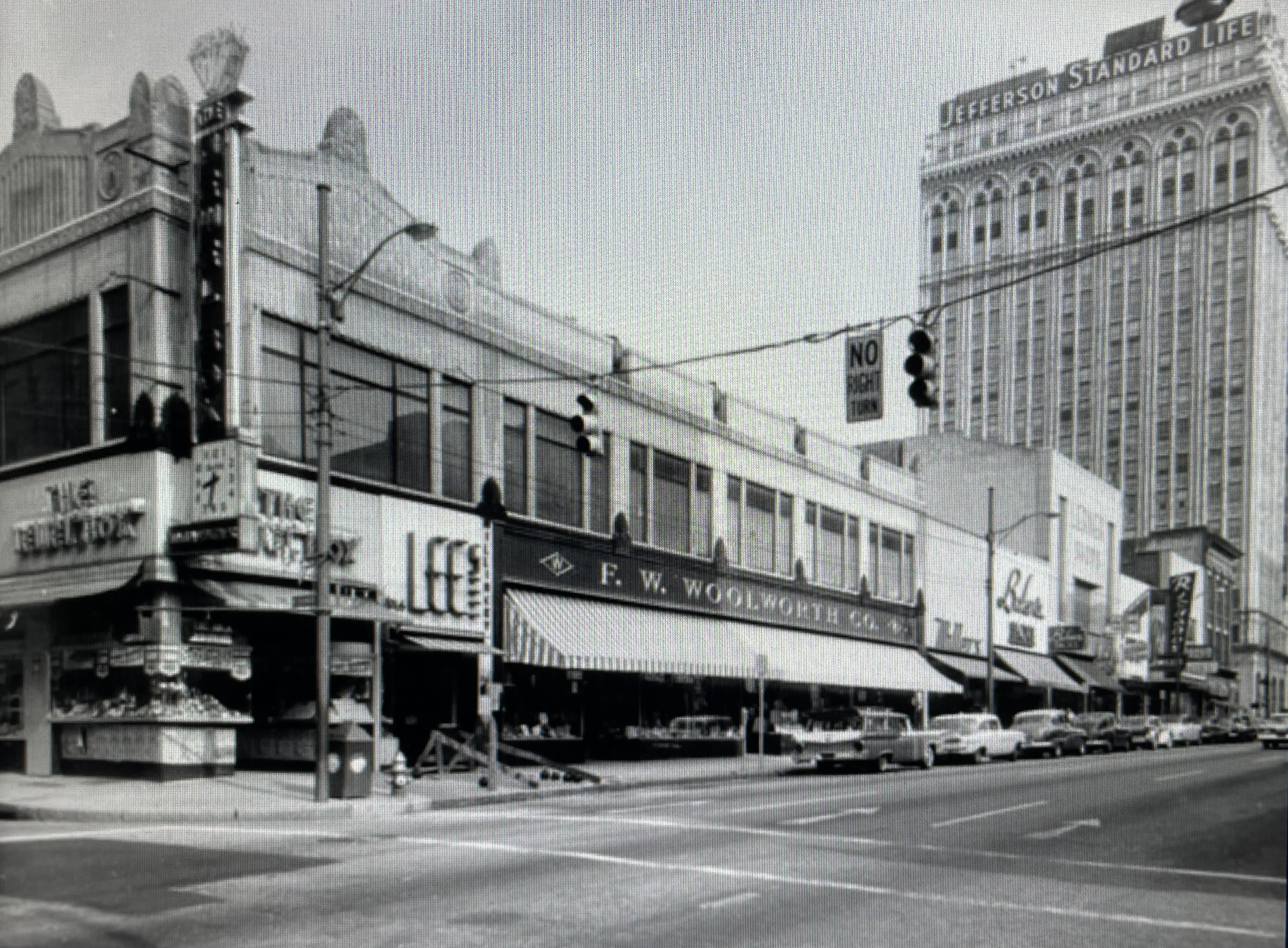
A Woolworth’s store in Greensboro, North Carolina, c. 1960. This and the following images from the Smithsonian National Museum of American History.
In “Counter Culture,” Smithsonian magazine, June 2025, Katya Cengel describes how the Woolworth’s in Greensboro, North Carolina, earned a place in U.S. history. What’s more, though by 1997 the company closed its 400 remaining stores—from a peak of 5500—its last operating lunch counter (in Bakersfield, California) has been recreated.
Here are tidbits gleaned from Cengel’s Smithsonian article, together with my usual Internet sleuthing.

A Nice Lunch, But.… “A 1939 menu,” Cengel recounts, ‘featured cubed steak, pan gravy and buttered beets with a roll and French fries for 25 cents—about $5.68 today.”
However, she continues, “Like many public spaces in the mid-1900s, some lunch counters were subject to Jim Crow laws, and thereby inadvertent political crucibles.”
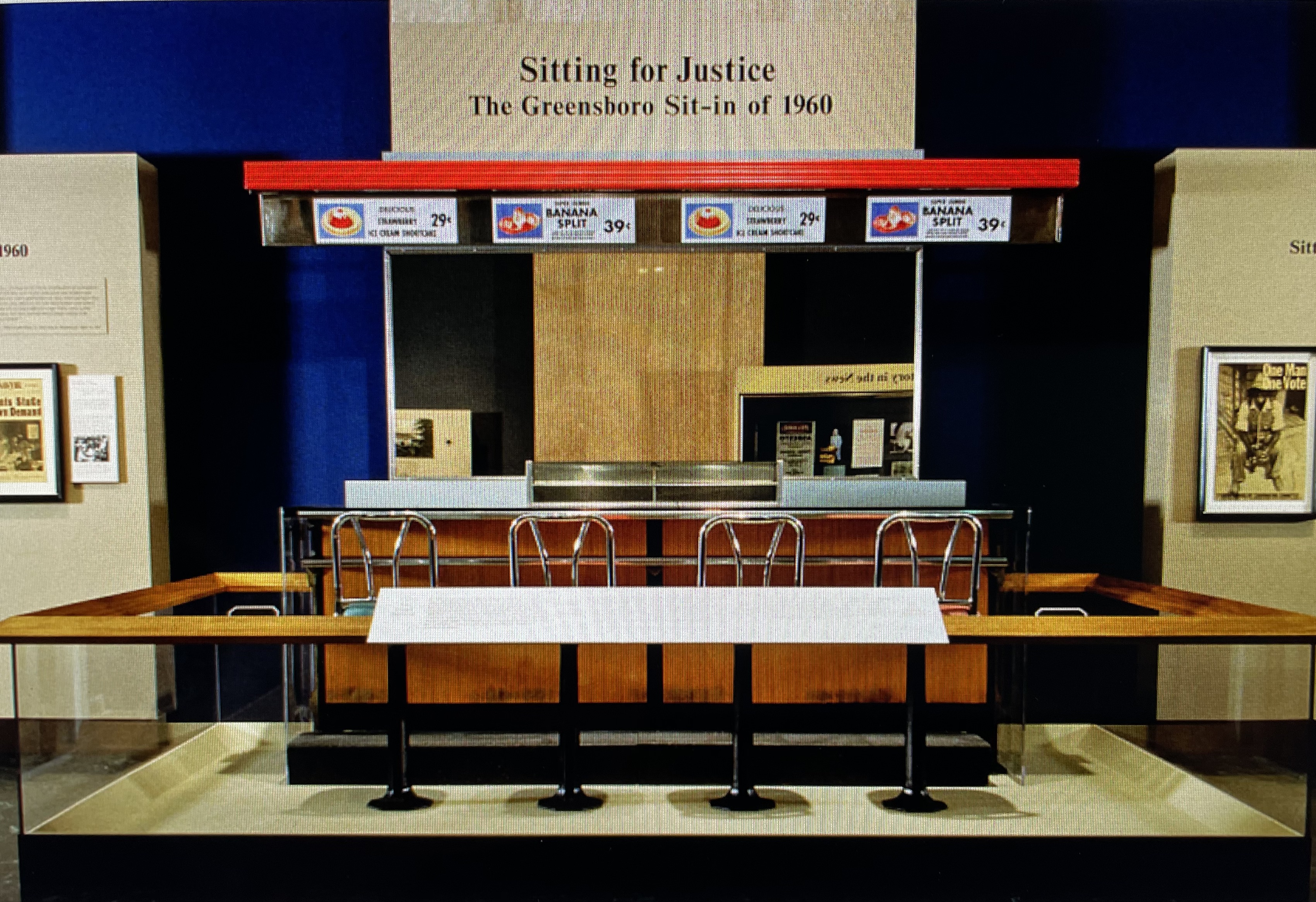
February 1, 1960, an Important Day in Civil Rights. Cengel writes, “In 1960 four Black college students in Greensboro, North Carolina, launched a sit-in at the Woolworth’s lunch counter to protest segregation. The sit-ins spread to more than a hundred cities, and within six months, the Greensboro lunch counter—now part of the Smithsonian’s National Museum of American History—was desegregated.”
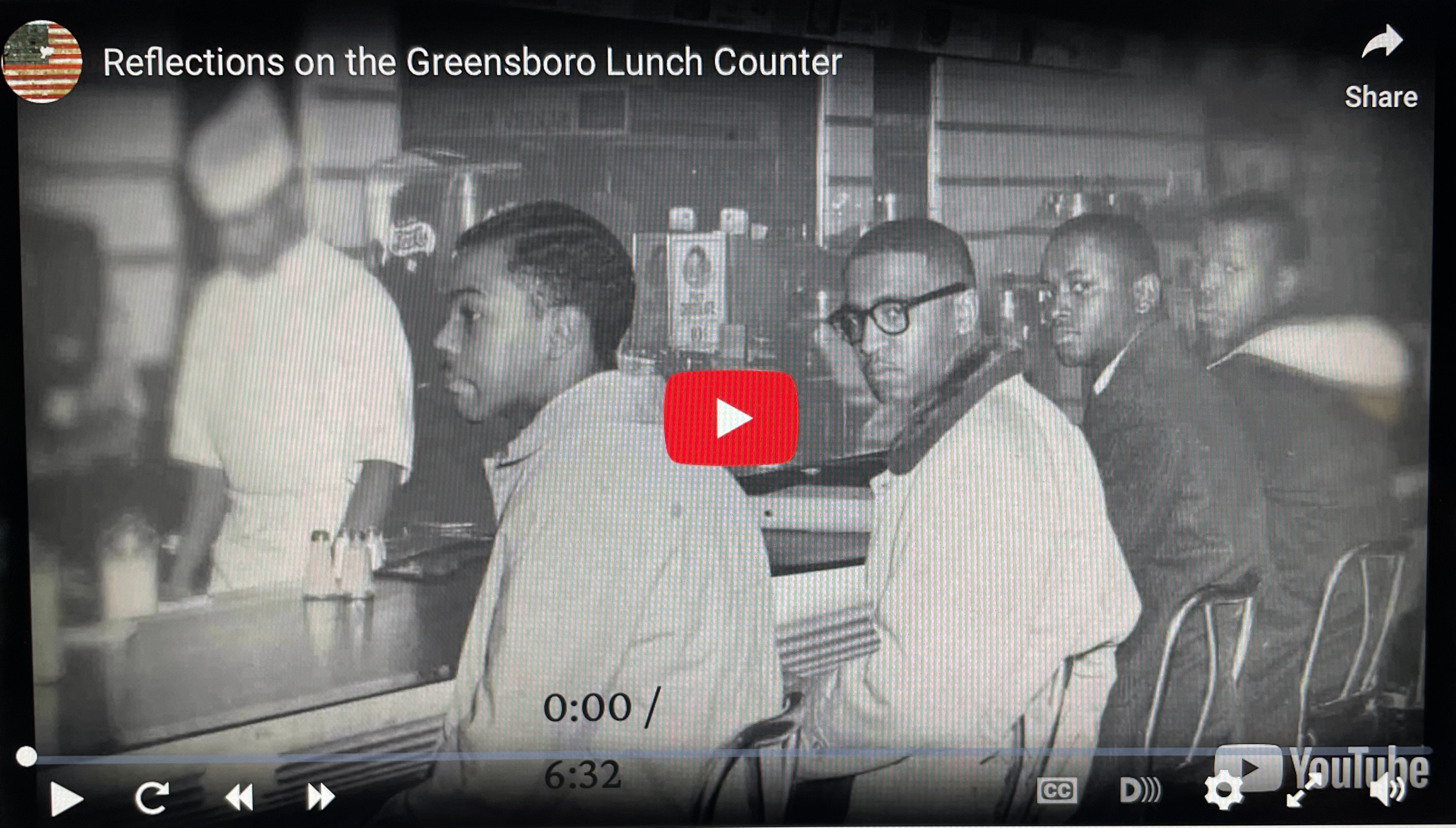
This History YouTube may be accessed at americanhistory.si.edu.
Smithsonian provides more details: “On February 1, 1960, four African American students at North Carolina Agricultural and Technical College began a nonviolent, direct-action protest. Ezell Blair, Jr. (Jibreel Khazan), Franklin McCain, Joseph McNeil, and David Richmond sat at the ‘whites only’ lunch counter at a Woolworth store in Greensboro, North Carolina, and requested service.”
Smithsonian continues, “The staff refused and asked the men to leave, but the students remained for the rest of the day. On February 2, over twenty students joined the sit-in. During the following days and weeks, an interracial group of supporters—including college and high school students—sat-in and picketed the store.”
By July, a Major Change. “The Greensboro protests,” Smithsonian writes, “inspired thousands of others throughout the South to stage sit-ins against Jim Crow. By July, when Woolworth finally served diners regardless of their race, young activists were a factor in the growing civil rights movement.”
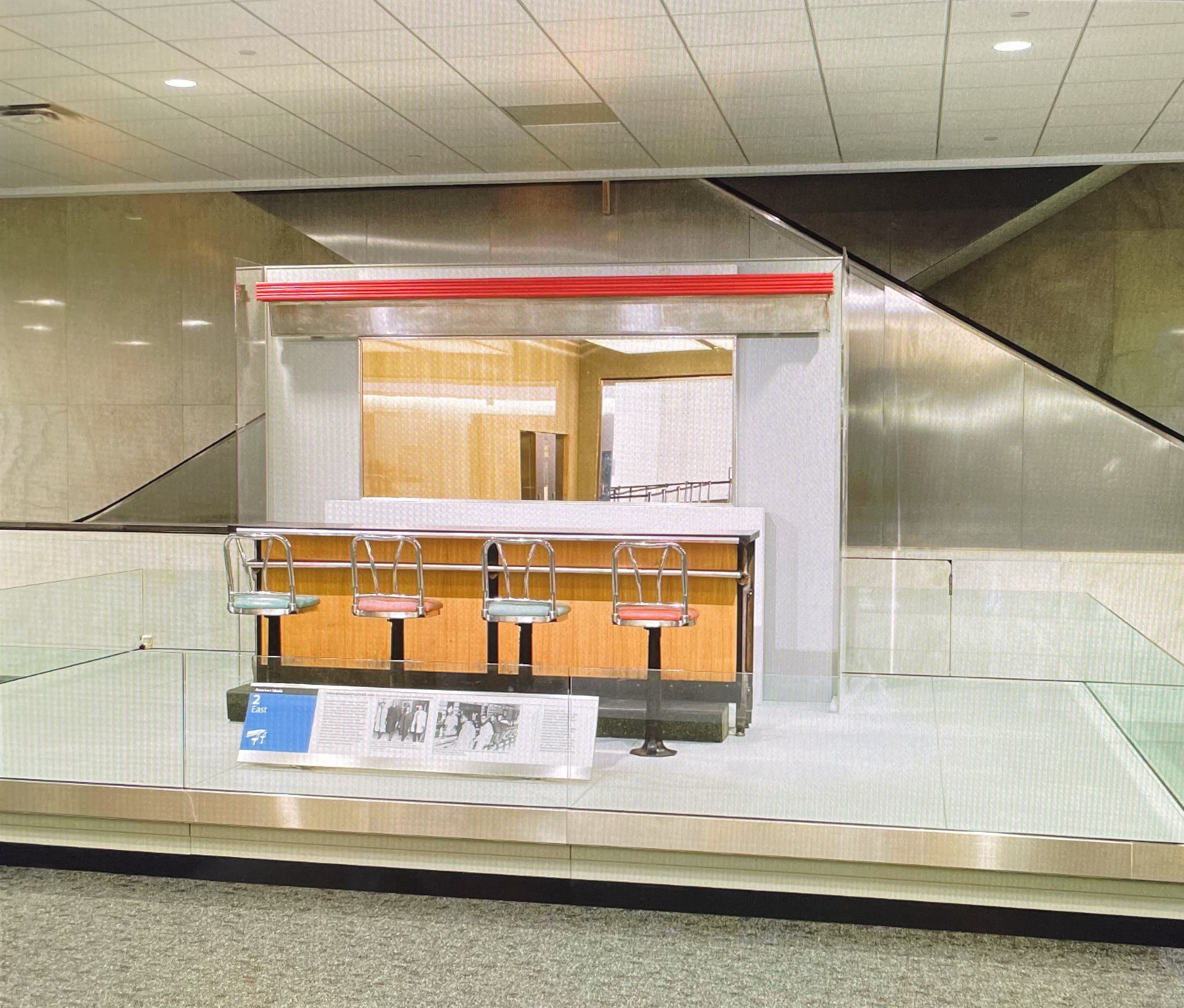
Tomorrow in Part 2, we’ll discuss a countering of Trump’s revisionist history and also learn of a classic lunch counter that’s local if you happen to be in Bakersfield, California. ds
© Dennis Simanaitis, SimanaitisSays.com, 2025
 Simanaitis Says
Always enjoy your posts, Dennis. Best wishes from Myrna and Griffin
Thank you for your kind words. Do take care.—d
I remember going to the Woolworth’s in Newton Corner, Ma. in the early 1960’s, I don’t recall any lunch counter there though .
Looking forward to the next installment .
-Nate