
Simanaitis Says
On cars, old, new and future; science & technology; vintage airplanes, computer flight simulation of them; Sherlockiana; our English language; travel; and other stuff
ORSON WELLES ON DIRECTING PART 1
LAST TUESDAY, MAY 6, WAS ORSON WELLES’ BIRTHDAY. A capsule retrospective on Sirius “Radio Classics” encouraged me to learn more about this genius of theater, radio, and film. Of special focus here are tidbits gleaned from his later years, in which he got downright philosophical about his multifaceted careers as writer, actor, and director.

Image from Sirius “Radio Classics.”
My sources include Sirius “Radio Classics,” Wikipedia, Barbara Leeming’s Orson Welles: A Biography, and especially a trio of YouTubes on the subject of acting and directing (details of which appear in Part 2).
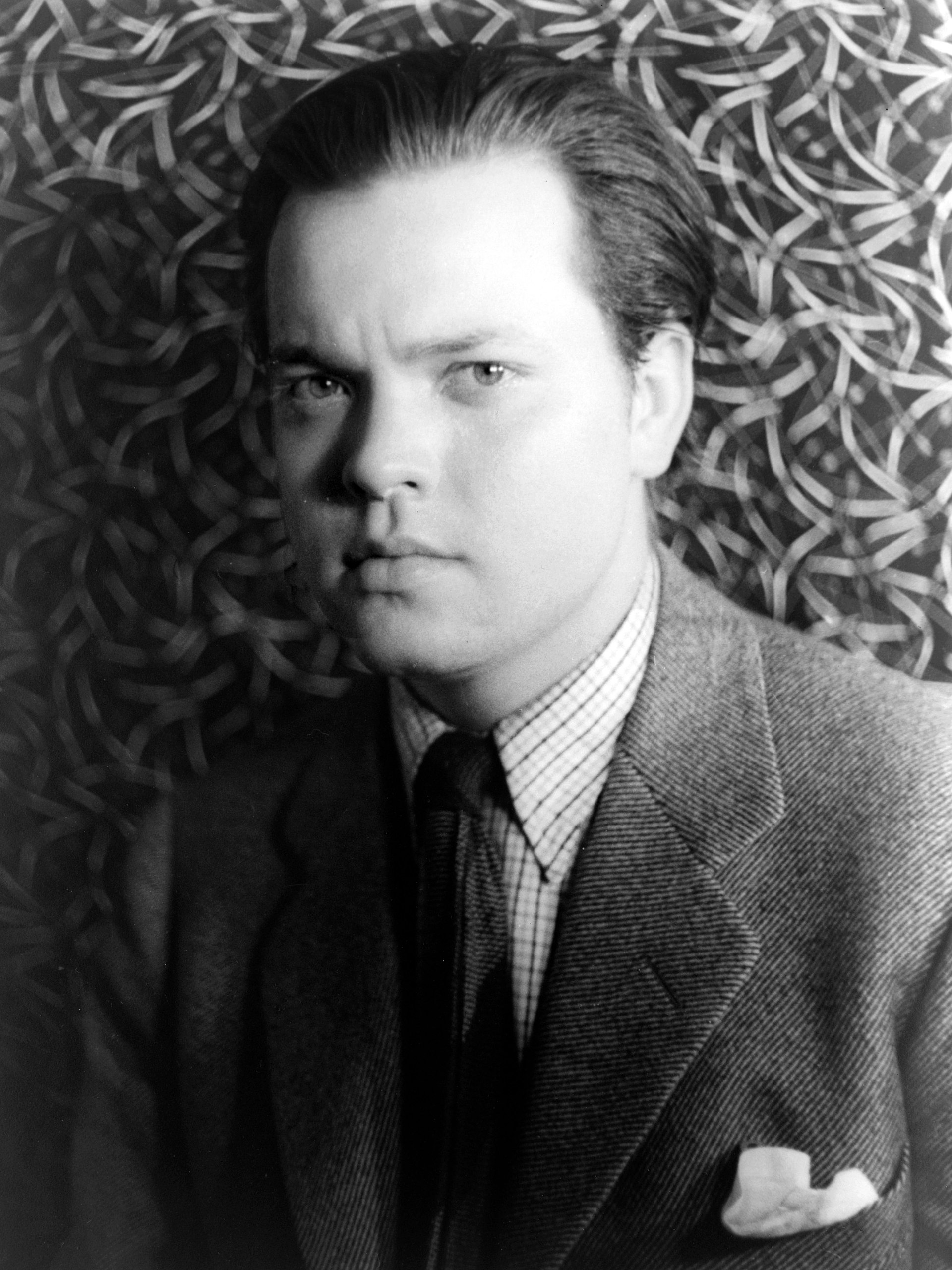
George Orson Welles, 1915–1985, American director, actor, writer, producer, and magician, remembered for his innovative work in film, radio, and theater. Image, 1937, by Carl Van Vechten.
Background. Wikipedia recounts, “Aged 21, Welles directed high-profile stage productions for the Federal Theatre Project in New York City—starting with a celebrated 1936 adaptation of Macbeth with an African-American cast, and ending with the political musical The Cradle Will Rock in 1937.” Both of these have appeared here at SimanaitisSays: See “Orson Welles and the Federal Theatre Project” and “The Cradle Will Rock—80 Years Later.”
“His first film,” Wikipedia continues, “was Citizen Kane (1941), which he co-wrote, produced, directed and starred in as the title character, Charles Foster Kane. Cecilia Ager, reviewing it in PM Magazine, wrote: ‘Seeing it, it’s as if you never really saw a movie before.’ It has been consistently ranked as the one of the greatest films ever made.”
“The Ultimate Auteur.” Wikipedia notes of Welles’ films, “His distinctive directorial style featured layered and nonlinear narrative forms, dramatic lighting, unusual camera angles, sound techniques borrowed from radio, deep focus shots and long takes. He has been praised as ‘the ultimate auteur.’”
Auteur Theory. Britannica describes, “The auteur theory, which was derived largely from [French film scholar Alexandre] Astruc’s elucidation of the concept of caméra-stylo (‘camera-pen’), holds that the director, who oversees all audio and visual elements of the motion picture, is more to be considered the ‘author’ of the movie than is the writer of the screenplay. In other words, such fundamental visual elements as camera placement, blocking, lighting, and scene length, rather than plot line, convey the message of the film. Supporters of the auteur theory further contend that the most cinematically successful films will bear the unmistakable personal stamp of the director.”
Welles’ Views. In 1960, Orson Welles conducted an interview in Paris, part of which appears in The Narrative Art “On Acting and Directing.” And two decades later, he shared his views with a packed house of French film students: “Orson Welles Gives a Talk at a Paris Film School (1982) Part 1”and “Part 2.”

Above, Welles in 1960; below, in 1982.

All 31:48 is fascinating, especially noticing Welles’ apparent fluency in French, obvious competency in his topics, and evident sense of humor. (He concludes telling the film-school students “This completes my lecture and I’d like to hear someone call me a liar.” He continues to enjoy the dual-language interaction.
You’re encouraged to view the videos in their entirety. Tomorrow in Part 2 are several of my favorite Welles comments. ds
© Dennis Simanaitis, SimanaitisSays.com, 2025
 Simanaitis Says