
Simanaitis Says
On cars, old, new and future; science & technology; vintage airplanes, computer flight simulation of them; Sherlockiana; our English language; travel; and other stuff
HAPPY BIRTHDAY, MICROSOFT!
THE VERGE CELEBRATES MICROSOFT’S 50TH BIRTHDAY with “The 50 Best Things Microsoft Has Ever Made,” March 31, 2025. The Verge staff writes, “The company has gone through sweeping changes over that time—from two guys in New Mexico to more than a quarter-million employees worldwide, from making text-based operating systems to holographic video games— but through the decades, it’s remained a foundation of the tech world.”

To me, Microsoft has also been the source of much satisfaction in everything from teaching BASIC to colleagues in the 1970s Caribbean to my time-gobbling GMax/Flight Simulator hobby today. Here are tidbits about several of these 50 Best gleaned from The Verge article, together with personal MS reminiscences. They’re numbered here according to The Verge list. (By the way, The Verge may have a paywall after repeated viewings.)
42. Comic Sans. The Verge’s Jeff Weatherbed writes, “Before becoming the default font for passionate graphic designers everywhere, Comic Sans aimed to make computers seem less intimidating for younger users. Microsoft designer Vincent Connare created Comic Sans in 1994 to contrast with more formal fonts at the time and was specifically inspired by the lettering styles used in The Dark Knight Returns and Watchmen—two notably violent comic books that aren’t recommended for children.”
“It became recognized as a meme,” Weatherbed continues, “after routinely being used in situations where a more serious typeface would have been more appropriate. Even Google is in on the joke — try typing ‘Comic Sans’ into Search.”
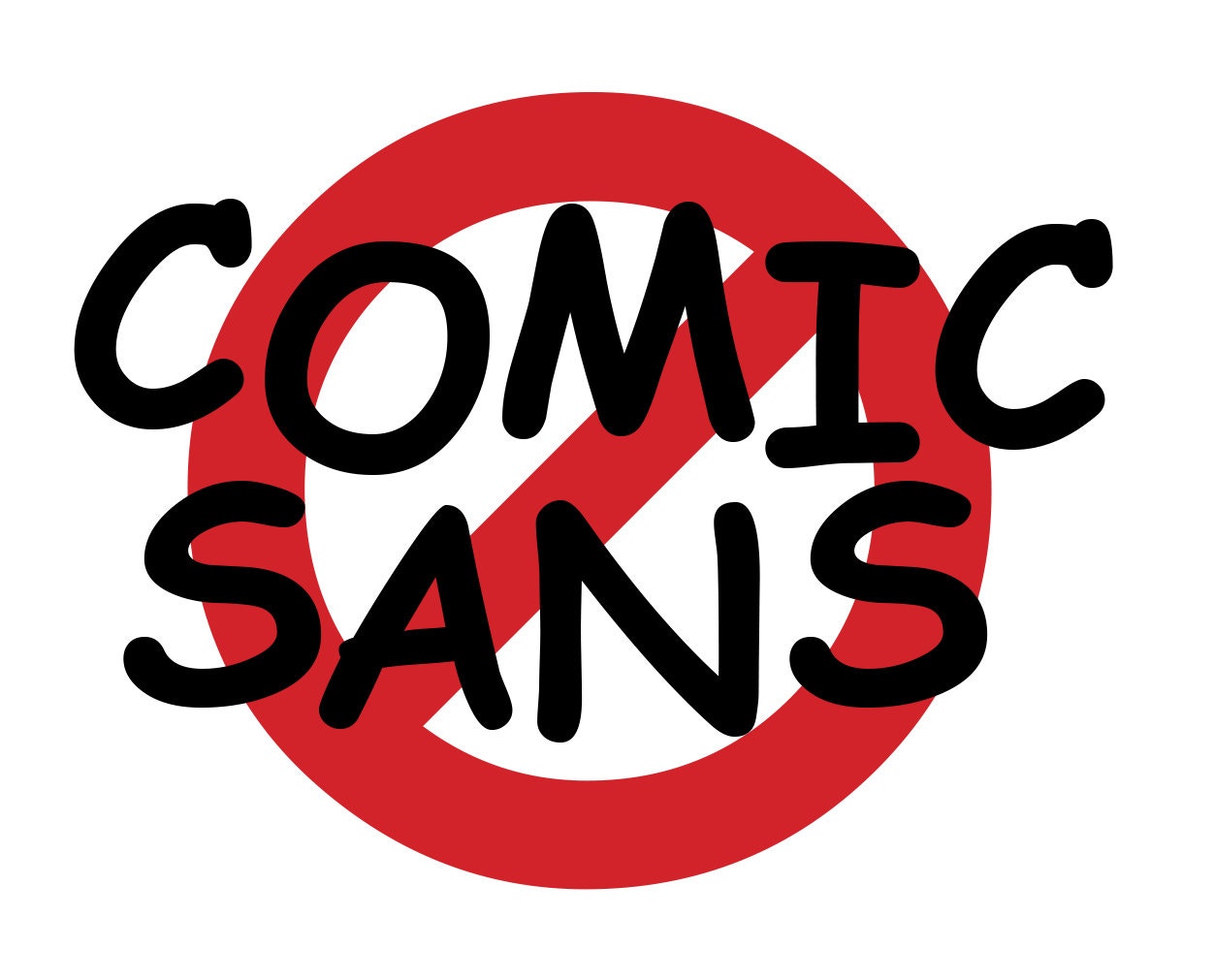
Indeed, add “Simanaitis” in your Search and you’ll get “A Typeface Getting No Respect,” where I added in Comic Sans defense, “I’ve given more than a few technical presentations at SAE International and other organizations. And my typeface of choice for these illustrated PowerPoint presentations is, you guessed it, Comic Sans Serif.”
“It’s the opposite,” I said, “of a guy opening his talk with densely unreadable visuals as he drones, ‘We’ve got a lot to cover, so….’ Gee, just what we need. This session has been three hours already.”
Here’s a summary from one of my SAE International presentations.

“Comic Sans Serif is clear and readable,” I claimed. “It says, ‘Relax. This may be technical here and there, but it might well be of interest to you.’ ”
41. Microsoft Basic. The Verge’s Jacob Kastrenakes recounts, “Microsoft found its business model fast: after the success of its first BASIC interpreter in 1975, the company reworked it for PC makers across the industry. The result was an early industrywide reliance on Microsoft to make core PC software — a role it’s gladly served ever since.”
Wikipedia describes, “BASIC (Beginners’ All-purpose Symbolic Instruction Code) is a family of general-purpose, high-level programming languages designed for ease of use. The original version was created by John G. Kemeny and Thomas E. Kurtz at Dartmouth College in 1963.”
Back in the 1970s, having an IBM 360 was quite the achievement for the College of the Virgin Islands on St. Thomas. What’s more, its basement installation in the Math and Science Building was also the smart place to weather out St. Thomas’s occasional hurricane.
Being a math prof there, I offered a short course in BASIC programming to colleagues. I recall its first session was how to code their names repeatedly as printed output.
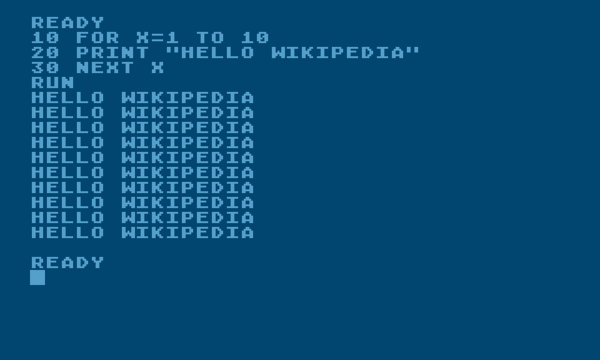
BASIC (1979) for Atari 8-bit computers. Image from Wikipedia.
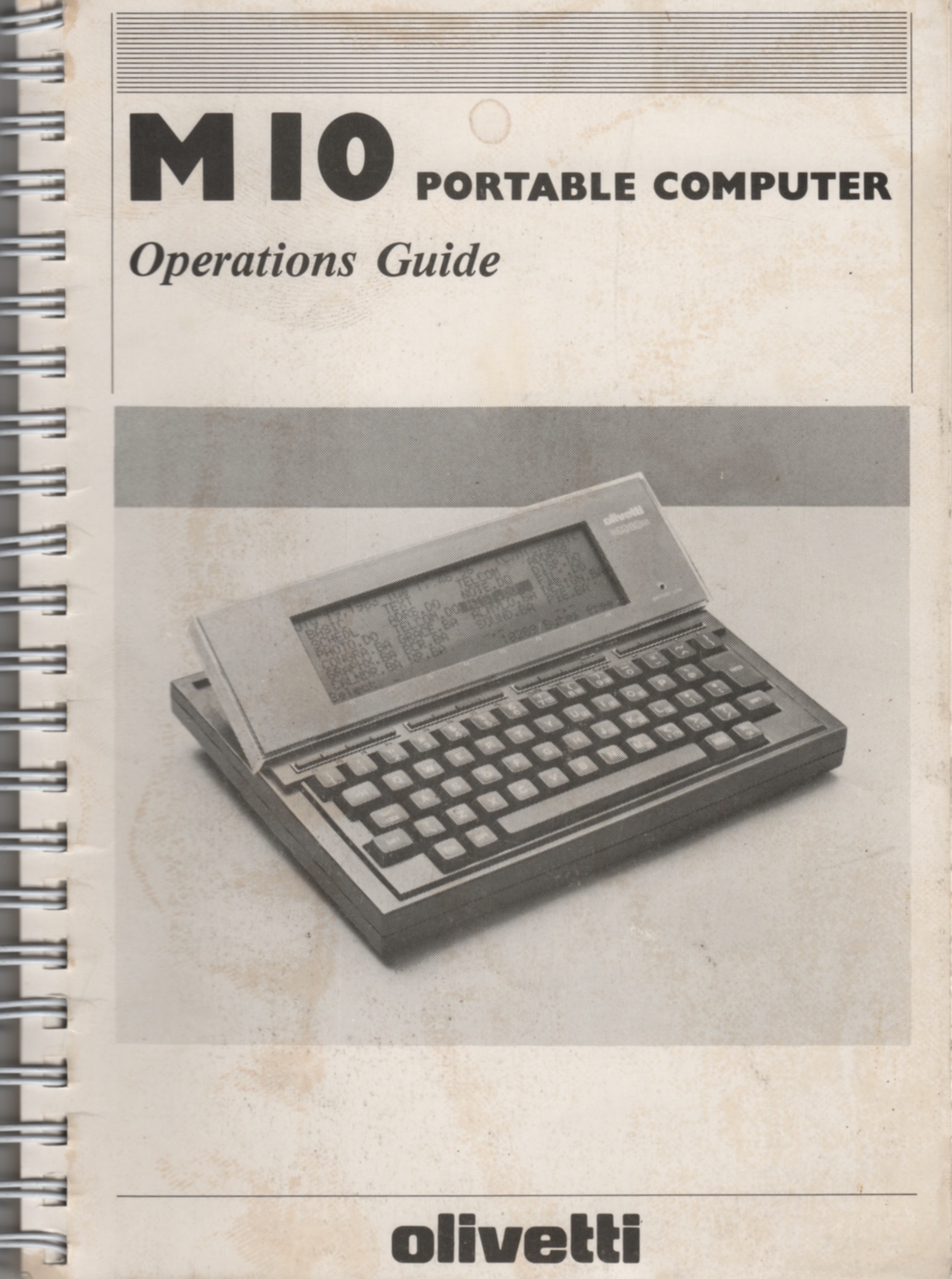
In “Vintage Digital,” I described, “On an Italian press junket years ago, Wife Dottie was gifted with an Olivetti M10, a state-of-the-art laptop at the time…. The M10’s built-in software includes an interpreter for Microsoft Basic 1.0 (the last code developed personally by Bill Gates).”
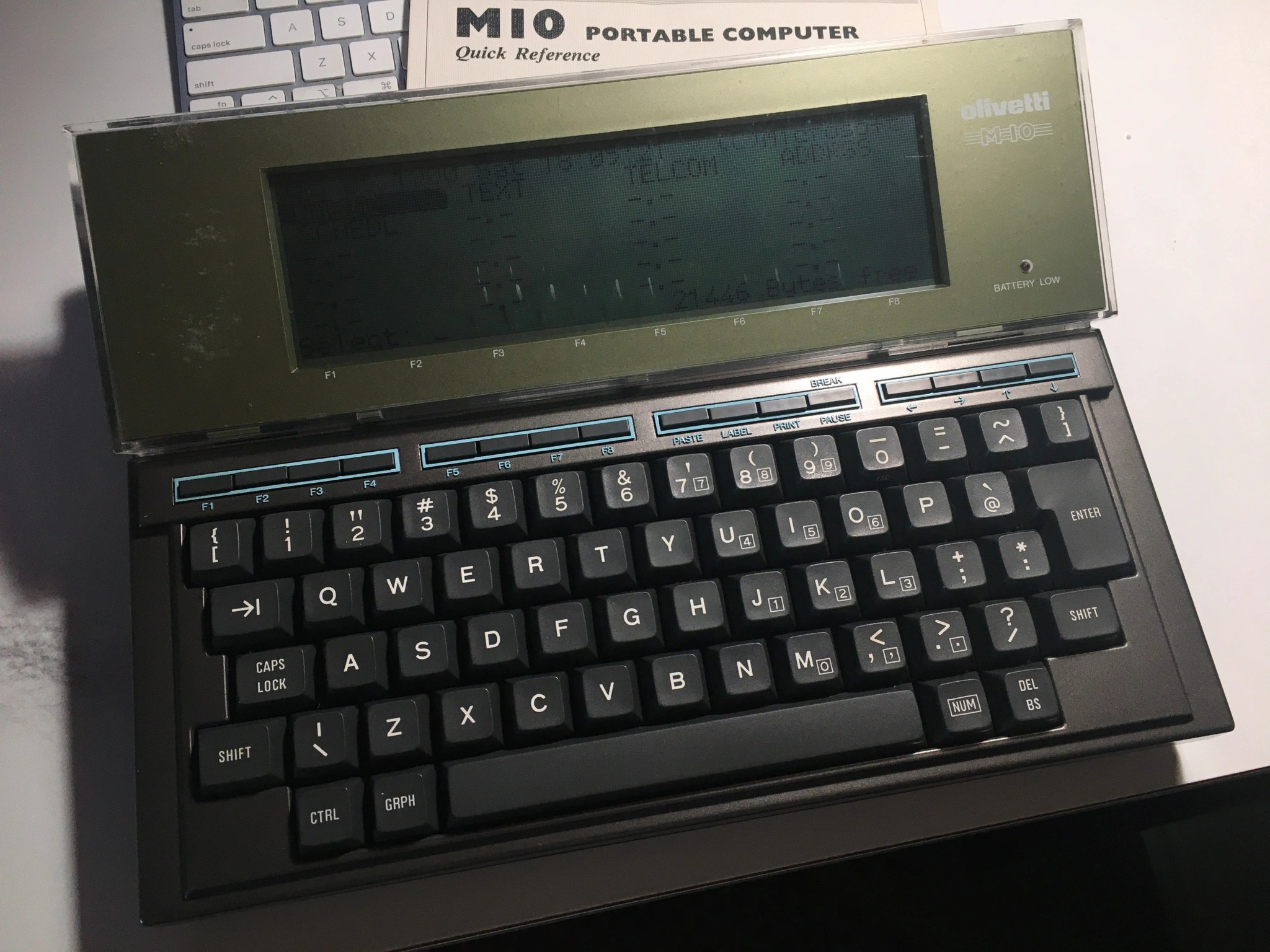
Above, a vintage Olivetti M10. Below, its Operations Guide includes a BASIC Language Reference Guide.
19. Flight Simulator 2024. The Verge’s Marina Galpernia writes, “Microsoft gained the Flight Simulator license from Sublogic in 1982 and, by now, it’s clocking in as one of the longest-running game franchises of all time, all for a very specific kind of enthusiast.”
“It’s evolved,” she says, “from wireframe graphics to incredibly precise details—down to that tree line at some small airport in Nowhere, USA—while consistently outpacing other flight sims.”
Indeed, the important MSFS to me was the one introduced in 2002: It included a free GMax, a stripped-down version of Autodesk 3DS Max, a professional (and costly) CAD software. I’ve described the GMax construction of a lot of classic aircraft here at SimanaitisSays, the most recent one being the Kalilin K-12 flying wing.

The Kalinin K-12.
7. MS-DOS. “Before Windows,” Jacob Kastrenakes recounts, “there was MS-DOS, the simple, text-based operating system that powered computers from IBM and other manufacturers in the 1980s and continued to underpin the earliest versions of Windows. In 2014, the Computer History Museum dubbed MS-DOS, ‘the bedrock upon which thousands of application programs running on millions of IBM PCs and PC clones depended.’ ”

Image from Amazon.com.
I love the sentiment. I was going to run a pic of my vintage T, but, alas, it looks overly vintage by comparison.
5. Windows XP. The Verge’s Tom Warren describes, “Windows XP was so popular that some ATMs are still using it to this very day.”

Add to them a cratchetty old i Mac 27, half of which I partitioned to run XP (so I could fly vintage planes there). Indeed, my newer i Mac 27’s partition uses Windows 10. These days I rarely jump to that side of its partition because I concentrate my Gmax/FS9 activities to my Dell Inspiron 2-in-1 (bought for a different reason entirely). It runs an updated Windows 11.
Thanks, Microsoft, for fifty years of entertainment. ds
© Dennis Simanaitis, SimanaitisSays.com, 2025
 Simanaitis Says
From a member (baritone – meaning not able to sing low enough or high enough to be particularly useful) of the choir: Amen! And I like your choices for examples. I used Comic Sans for a lot of Powerpoints, too. MS provided the Level 2 BASIC in my first home computer (TRS80 Model I), my Model 100 (the R/S version of the Olivetti you had, both supplied by Kyocera), and of course the DOS and Windows boxes that followed starting in the early 1990s (DAK, then various store- and homebuilds until the laptops came along). Even the Macs in one place I worked had MS Office (before Word/Excel/Powerpoint were packaged together). I had Flight Simulator from the Sublogic days (in the TRS80, on cassette tape and floppy disk, b/w wireframe running in 32K of RAM) and a few MS releases (never got into the 2024 version, though; stopped at X). Waste most of my time with train simulation these days, using Open Rails (MSTS compatible but far advanced from that) because MS never moved beyond Train Simulator 1.0 in public release.
Interesting that when I moved from the TRS80 to the DAK (from LDOS to MSDOS 3.1, later 5), it felt like moving backward. The TRS80 from nearly day 1 (at least with floppies) integrated all the floppy drives into a single logical unit for file management (though without directories; you could address individual drives if you wanted to, and they only held up to a couple hundred KB each anyway), while in MSDOS I had to learn how to set up paths (and never get them quite right) and the work the A-B-C-… system (that somehow still didn’t work as logically as it did in VM-CMS).