
Simanaitis Says
On cars, old, new and future; science & technology; vintage airplanes, computer flight simulation of them; Sherlockiana; our English language; travel; and other stuff
YOOPER BANISHMENT, WORDWISE
BEING AS I AM SENTIMENTALLY CONNECTED with Michigan’s Upper Peninsula, I read with interest Lake Superior State University’s “2024 Banished Words List.“

Background. The university has been coming up with such a list since 1976. “This tradition,” its press release reads, “highlights certain words that are often misused, overused, or have lost their meaning over the past year. It encourages us to laugh at ourselves as we reconsider and reflect on the importance of our vocabulary.”
“LSSU received over 2,000 nominations from around the world, including submissions from Australia, Bangladesh, Belgium, Canada, China, Croatia, Germany, Guam, Ireland, Lebanon, Namibia, New Zealand, Pakistan, Singapore, Switzerland, Thailand, Uganda, Ukraine, the United Kingdom, with the majority coming from the United States.”
Here are tidbits gleaned from the list, together with my occasional two bits.
Hack. First on the LSSU list, “The term ‘hack’ has increasingly become a popular buzzword, frequently utilized to impart an aura of innovation or sophistication to various subjects…. Using it everywhere, even beyond its tech roots, could make it lose its magic.”
I agree about overuse. A similar thing has occurred with obscenities: Alas, they too have lost their magic.

Image of a grawlix from Snails & Monkey Tails: A Visual Guide to Punctuation & Symbols.
Besides, my affinity for old-time radio retains an older meaning for the word “hack”: a taxicab.
Impact. The LSSU choice No. 2: “Especially as a verb, why use this word when we have a perfectly good word that makes more sense: ‘affect’? Overusing it not only takes away its pizzazz but also robs other words of their spotlight.”
I also recall the GM Impact, its early BEV. It seemed somehow akin to calling a car the Skiddy.
At the End of the Day. This one made No. 3 on the LSSU list. “Many comments note that it is overused and meaningless, often employed as a rhetorical device that attempts to encapsulate the complexities of a situation summarily, lacking nuance and depth.”
Those of us of a certain age remember the Watergate brouhaha’s phrase, an overworked “At that point in time.” Why not just “at that time” or simply “then”?
Rizz. LSSU word No. 4: “Rizz, derived as a shortened form for ‘charisma,’ gained prominence as Oxford’s word of the year and has become a familiar presence in the realm of social media discourse. The ubiquity of this term prompts contemplation on whether it retains its relevance. With language doing the cha-cha of change, we’re wondering if this word still rocks the charisma scene or if it’s time for a language remix.”
I like LSSU’s use of words, even when it’s a bit prolix. Succinctly it’s warning us, as Yogi Berra said, “Nobody goes there anymore. It’s too crowded.”
Slay. LSSU’s No. 5: “While perfectly acceptable in specific contexts, ‘slay’ has transcended its original meaning and infiltrated situations where its usage no longer aligns with its intended significance…. Now, it’s sprinkled everywhere—from wearing a stylish outfit to tackling the art of parallel parking.”
I’ve been seeing a similar misapplication of the word “crack,” as in recipes for “Crack S’mores.”
Iconic. No. 6 for 2024, “This one appeared on the list in 2009, so perhaps it’s time for another attempt to point out its overuse and lack of meaning in most situations. Despite its initial recognition as a word worthy of distinction, its repeated application in contexts that don’t merit such acclaim challenges its genuine iconic status.”
Cringe-worthy. Writes LSSU of No. 7, “The irony is served hot, as the very term ‘cringe-worthy’ finds itself under the spotlight.”
On the other hand, I must admit to a good many things in 2024 that make me genuinely cringe.
Obsessed. “Should one be obsessed with a new kitchen gadget or a new shade of paint?” asks LSSU of its No. 8. “This year’s contributors think not.”
’Nuff said. See “slay” (and “crack”) above.
Side Hustle. Says LSSU of No. 9, “While ‘side-hustle’ adds flair to our language, our contributors feel that the only hustle is the one needed to get to their second job.”
Or, as mentioned, is it “how we perceive economic challenges”?
My retirement challenge is deciding which is my real side hustle: SimanaitisSays or GMax.
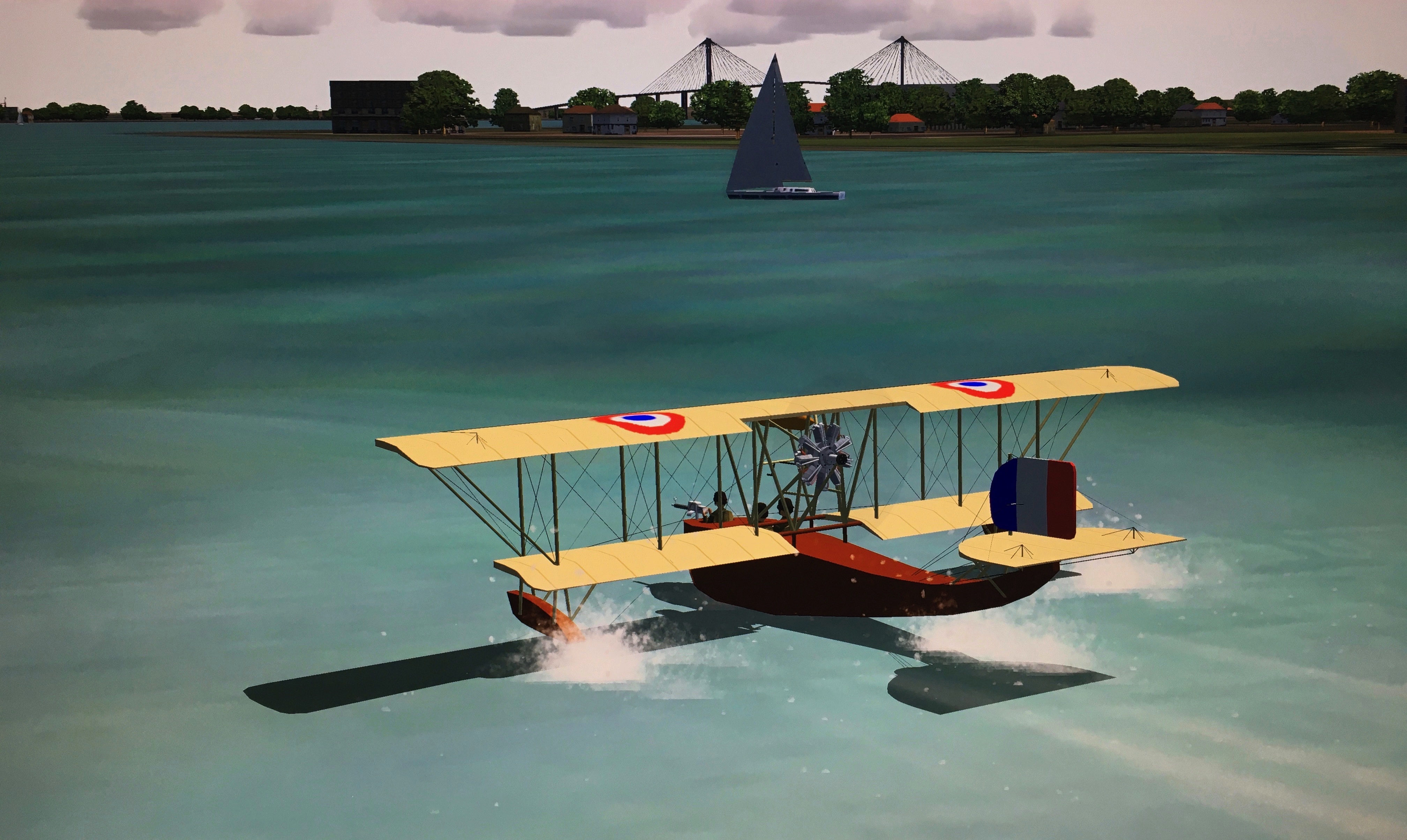
Wait for It. While LSSU’s No. 10 “is trying to be the hype master, let’s question if it’s adding extra sparkle or just stating the obvious?”
I think of it as a comic’s setup line, sorta. My favorite is Henny Youngman’s “Take my wife, please.”

I commend LSSU for its compilation (and for soliciting nominations to a 2025 list at https://www.lssu.edu/traditions/banishedwords/). ds
© Dennis Simanaitis, SimanaitisSays.com, 2024
 Simanaitis Says
You have a misprint. For number 6 you printed “Ironic”, instead of “Iconic”. That said, Ironic is anther one often used incorrectly for coincidence. Regardless, I enjoy the daily dose!
Ha. Do I find it ironic (or maybe Freudian) that I made this typo? Now updated, with thanks.
Thanks, Bill. This saves me running from drugstore to drugstore with a blue pencil. —d
Sent from my iPhone
>
How ironic.
Yep. Or Freudian??—d
Sent from my iPhone
>