
Simanaitis Says
On cars, old, new and future; science & technology; vintage airplanes, computer flight simulation of them; Sherlockiana; our English language; travel; and other stuff
PINEAPPLE TIDBITS
THE FASCINATING THING ABOUT websites such as Interesting Facts is their encouragement of additional Internet sleuthing. For instance, “Pineapples Were Once So Valuable, People Rented Them For Parties” immediately brings to mind the word “Dole,” right? So in addition to pineapples’ 18th-century value, we enrich our Hawaiian history (not to say our knowledge of English literature eventually).

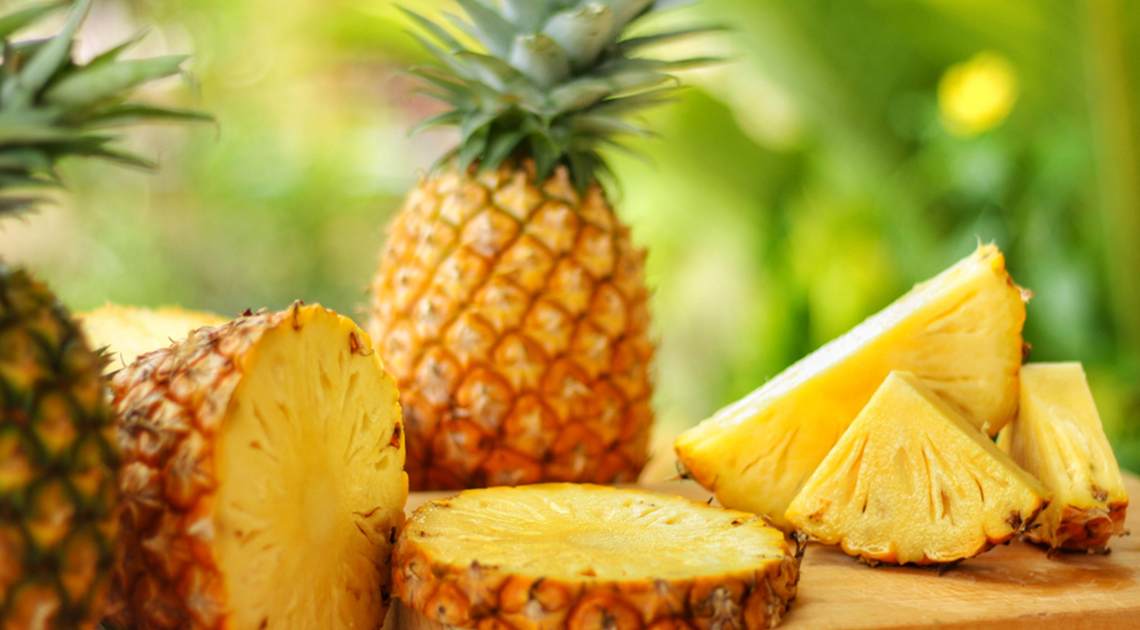
Pineapple History. Interesting Facts says, “Prior to the 20th century, when pineapple plantations made the fruit widely available, pineapples were incredibly expensive imports to Europe (and most other places). In the 18th century, a single fruit bought in Britain could cost upwards of $8,000 in today’s money.“
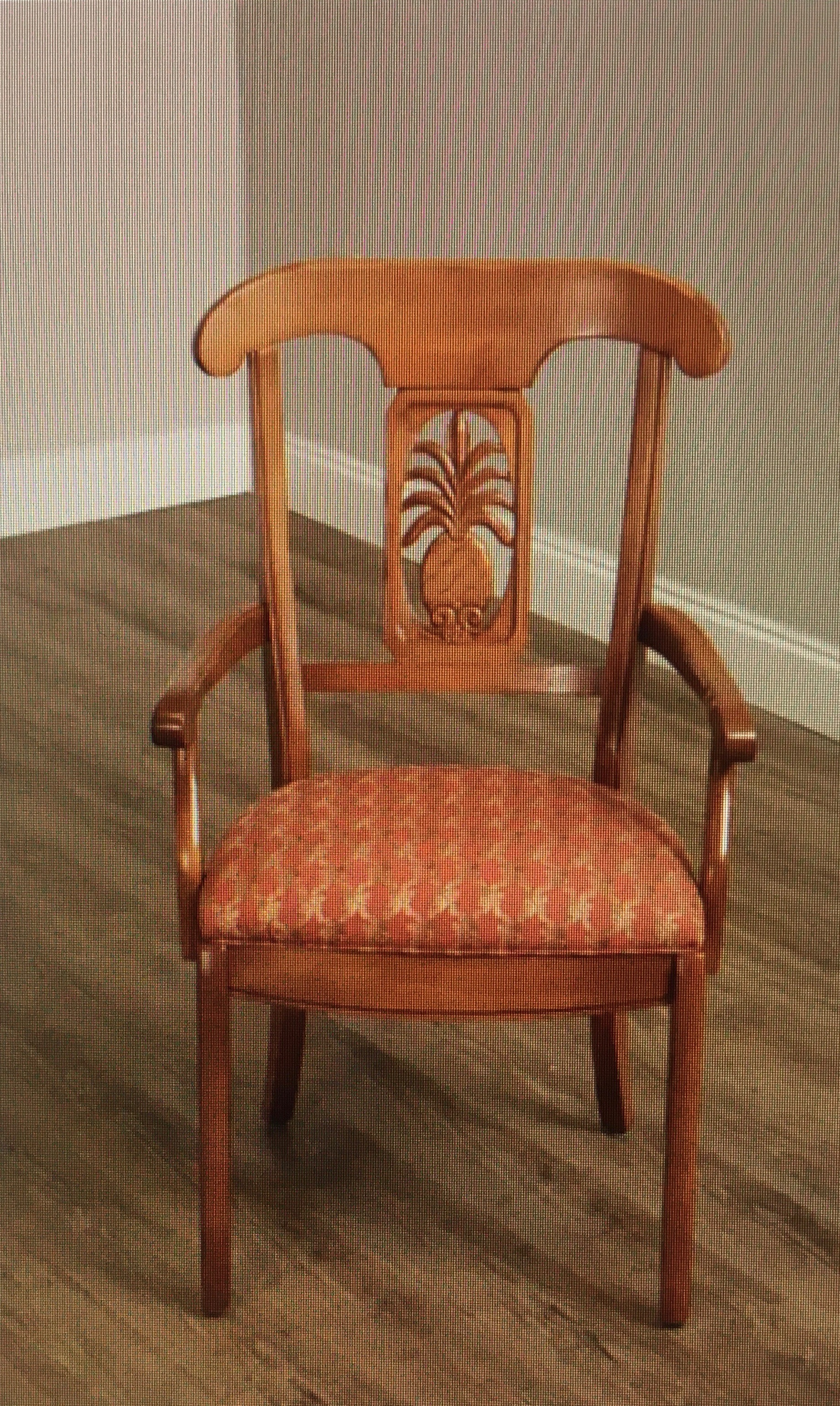
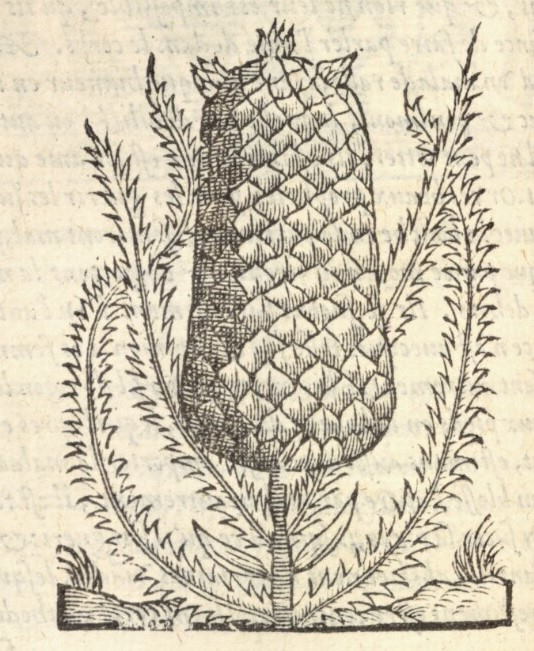
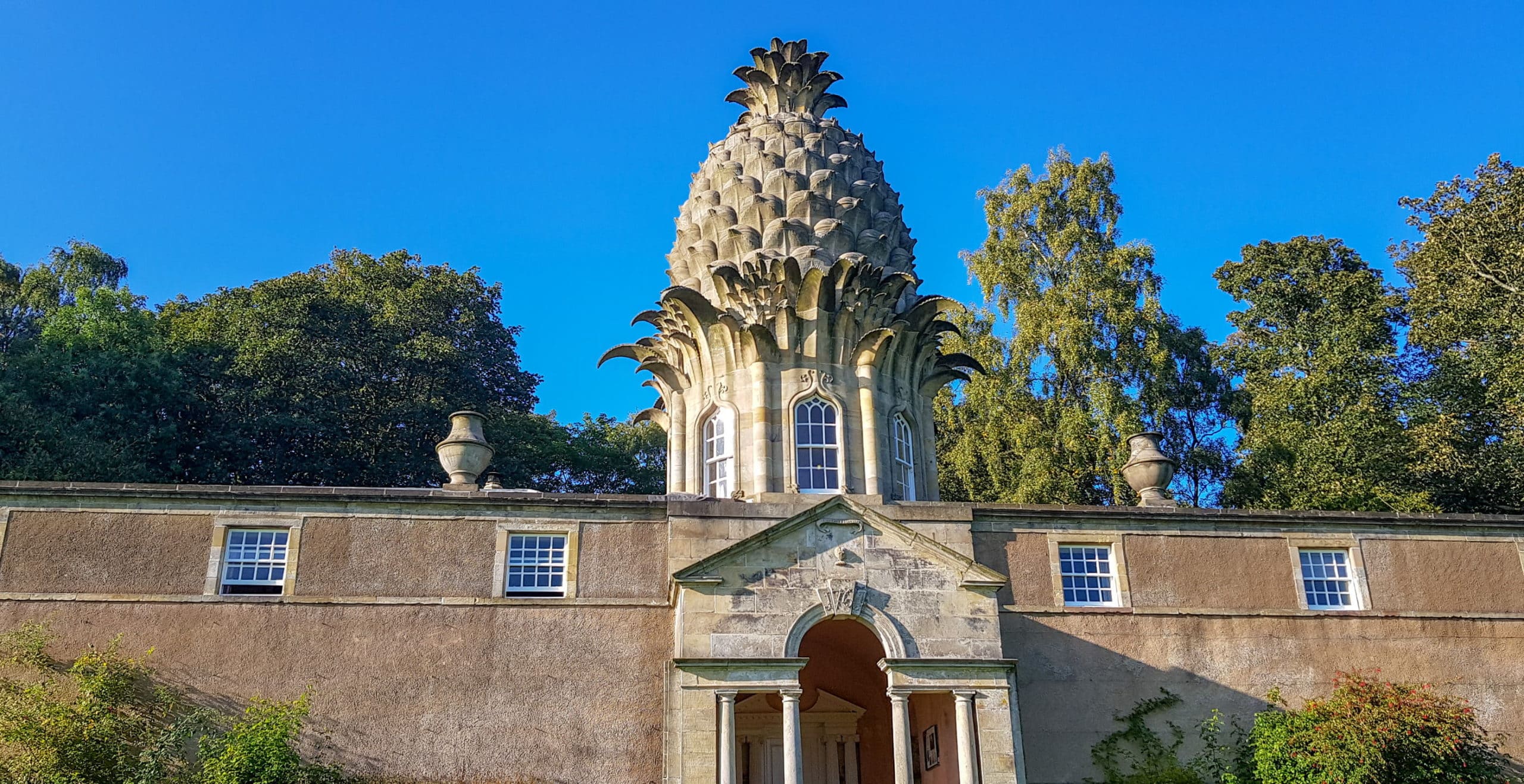
Interesting Facts continues, “Christopher Columbus is credited with introducing pineapples to Europe in the 1490s after voyaging to the Americas. Just one survived his return journey, and the bromeliad quickly had an impact. Dubbed the ‘king of fruits,’ the pineapple became a symbol of opulence and royalty because of its scarcity. Pineapples were featured in paintings of kings, printed on linens and wallpaper, and even carved into furniture.”
Rent-a-Pineapple. “Obtaining a rare pineapple meant the buyer had money and status,” Interesting Facts recounts, “—and for that reason, the fruit was also often featured decor at parties and events.… But until the fruits were widely available, many partygoers in Britain would seek out a pineapple for just one night, renting the fruit for a fraction of its full price and sometimes even carrying it around at the party as the ultimate (uneaten) accessory.”
James Dole. Terry MacEwen writes in “King Pine, The Pineapple,” Historic U.K., “In 1900 James Dole started the first commercial pineapple plantation in Hawaii. It grew 75% of the world’s pineapples at its height. Now the global demand for pineapples is supplied by Thailand and the Philippines.”
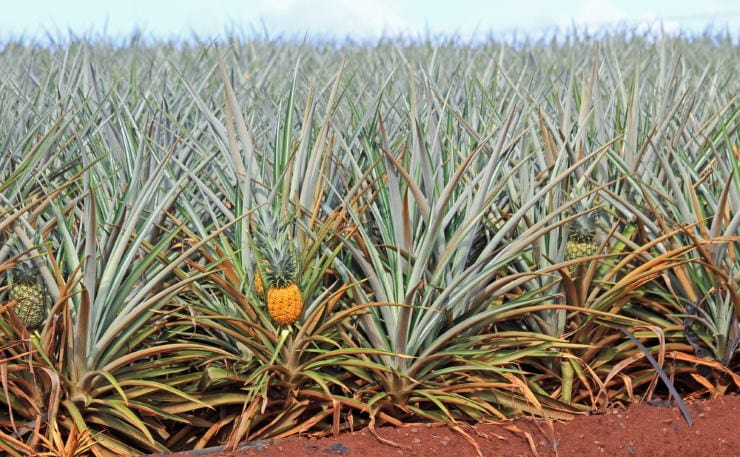
“Today,” MacEwen writes, “we are more likely to see pineapples in tins, or quite possibly on the side of a cocktail glass. But at one time they were too expensive to even dream of eating! They were simply to be admired and lusted after as they adorned a hostess’s table, or a King’s elbow.”
Speaking of Lust. MacEwen observes, “It was also considered an erotic and even sinful delicacy, something titillating and tantalising. Perhaps something out of Eden itself.”
“The hyperbole,” MacEwen continues, “used at the time around the idea that the pineapple was a dangerously delicious vice cannot be overstated. In 1638 Thomas Verney, another English colonialist living in Barbados, wrote that the pineapple was in fact, ‘the apple that Eve cosned Adam with’. That’s rather a lot to lay at the feet of the innocent fruit. Whereas Charles Lamb, a contemporary writer and essayist, suggested that it was ‘too transcendent—a delight, if not sinful, yet so like to sinning that really a tender-conscienced person would do well to pause.’ The latter warning could of course have been to ensure that there were enough pineapples left for him to eat!”
Good thinking, Elia.
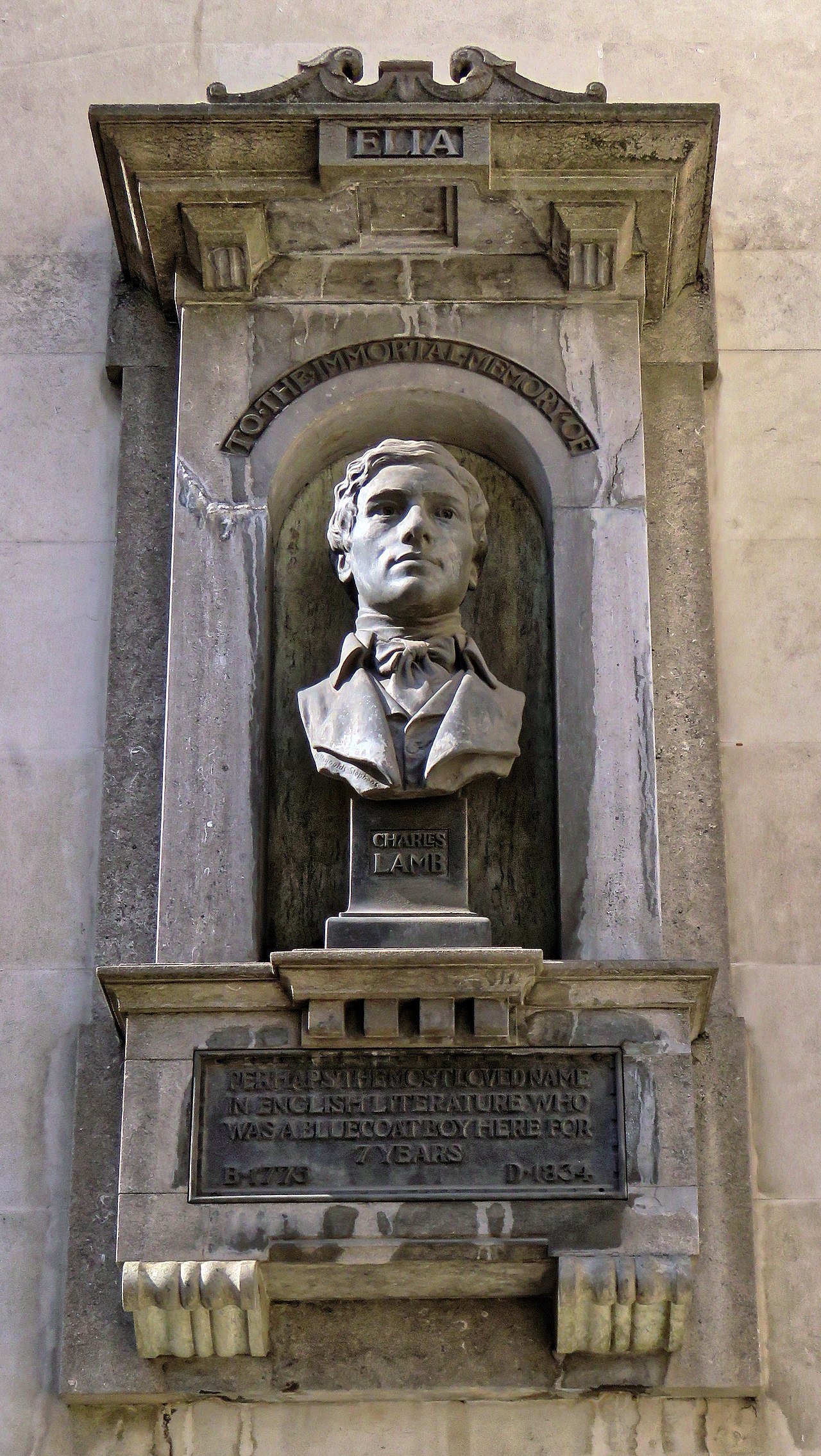
Pineapple Eats You in Return. MacEwen also observes, “It is undeniable that Charles Lamb definitely had a penchant for pineapples. In his almost erotic description of the fruit he actually touches upon a particular peculiarity of the plant. Pineapple is the only fruit that actually eats you back! Lamb stated that eating pineapple was ‘pleasure bordering on pain, from the fierceness and insanity of her flesh, like a lover’s kisses she biteth.’ ”
MacEwen explains, “He arguably liked this fruit a bit too much. However, you may have noticed that when you consume the deliciously tart and transcendent Edenic fruit, your tongue tingles. This is because pineapple contains the enzyme Bromelain that breaks down protein. So, in effect, the pineapple is breaking down the proteins in your tongue as you are swallowing its flesh. A strangely symbiotic method of consumption. Happily the tingling sensation stops when the pineapple leaves your mouth. But perhaps it is the final revenge of the sinful fruit!” ds
© Dennis Simanaitis, SimanaitisSays.com, 2023
 Simanaitis Says
Our British ancestors brought that reverence for the pineapple to the American colonies. Living a quarter of a century in VA and MD, pineapples abound in the decor of colonial homes, and often the noble fruit was the centerpiece for special gatherings … to be admired, not eaten. It was the symbol of opulent hospitality.
We owned a manor house in Croom, MD, dating from the late 17th century, and pineapples were everywhere, carved in wood cornices, the end piece of a spiral stair (marble of course) forming stone (not concrete) planters and in tapestry and a period painting.
A looong time ago now (1988) I visited the Dole plantation on Lanai. I only learned later how we forced the abdication of the queen of Hawai’i and Dole “bought” an island that had just been stolen.
I still love pineapple, including on pizza (don’t tell my Italian friends!), but the story definitely, er puts a bad taste in my mouth.
Dennis, when older houses have wood or iron pineapples it means “welcome”.John McNulty