
Simanaitis Says
On cars, old, new and future; science & technology; vintage airplanes, computer flight simulation of them; Sherlockiana; our English language; travel; and other stuff
AVOCADO UNDER MY SKIN
THE MIND—and sometimes a good pun—is a terrible thing to waste. So is an avocado.
We’ve been enjoying avocados of the Hass variety here in southern California. No surprise, as the Hass is native-born. It was developed by Rudolph Gustav Hass, a U.S. mail carrier who read about California avocado farms in 1925 and moved from Wisconsin to La Habra Heights, about 20 miles east of downtown Los Angeles.
Hass hired a professional fruit grafter who started with the existing Fuerte avocado. In 1935, Hass patented his new variety, a patent that didn’t expire until 1952, shortly before he died of a heart attack at age 60.
The California Avocado Commission provides a guide to avocado varieties including the Hass and Fuerte. The Australian Avocados website introduced me to another variety, the Shepard. Its item, “Autumn Brings the New Season of Shepard Avocados,” offered contrasts between the Shepard and more familiar Hass.
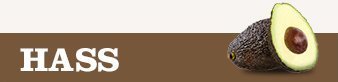
The shape of a Hass is oval, rather than roundish or pear-shaped like some other varieties. It has a distinctive pebbly skin that changes from darkish green to purple black as it ripens. Flesh of a Hass has a creamy texture and taste.
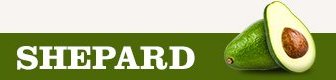
The Shepard avocado has a smooth glossy skin of a brighter hue than the Hass’s. This skin remains green as it ripens. The Shepard flesh has a nutty flavor and buttery texture.
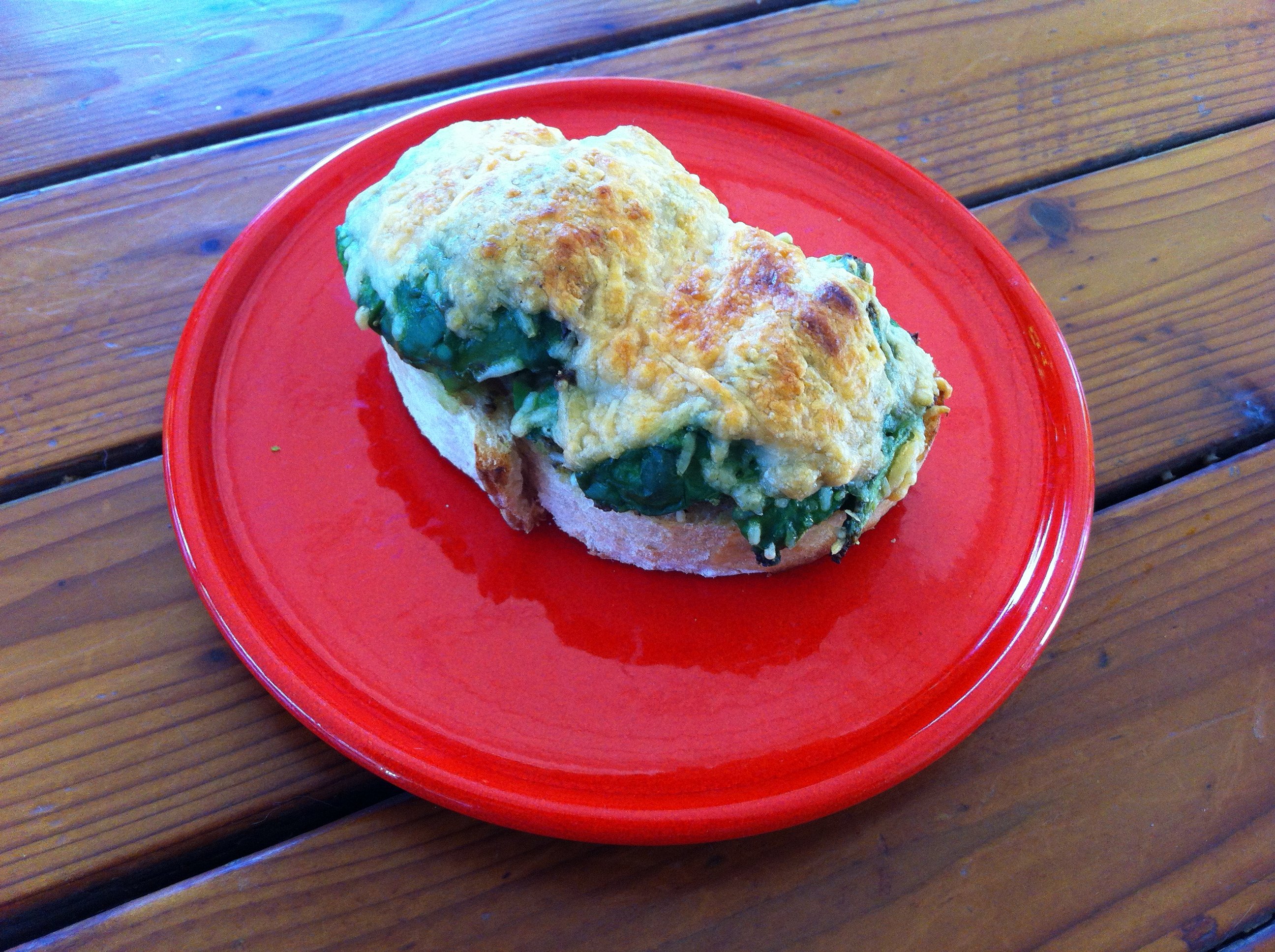
If I may write here with alliteration, thus far I’ve been a Hass avocado aficionado. Indeed, here’s a favorite recipe calling for bread of the ciabatta variety slathered with pesto and sliced avocado, topped with cheese and toasted.
Also, I have developed a knack of identifying just when a Hass will be perfect for peeling (something of a trial if attempted too soon or too late) and for eating (I like the flesh to be a tad firm, a bit earlier than its being ripe for mashing into guacamole).
My identification trick is an ever so gentle touch that allows me, through experience, to rate the fruit as a “today” avocado or a “tomorrow” avocado or try yet another.
Once exposed to air, the flesh of a Hass turns brown fairly quickly. This can be countered a bit by sealing the surface after adding a few drops of lemon juice or Balsamic vinegar.
What’s more, with regard to this darkening, I quote from the Avocado Australia’s website: “Unlike Hass avocados, the flesh of a Shepard avocado does not go brown once it’s cut. This means they stay bright in your salads and sandwiches for longer.”
I must give a Shepard avocado a try. Have you tried them?
© Dennis Simanaitis, SimanaitisSays.com, 2016
 Simanaitis Says