
Simanaitis Says
On cars, old, new and future; science & technology; vintage airplanes, computer flight simulation of them; Sherlockiana; our English language; travel; and other stuff
WE’LL ALWAYS HAVE PARIS
“WE’LL ALWAYS have Paris” is more than a line from Casablanca. It’s an affirmation of civilization. Here are four recollections of the City of Light, from 1931, 1954, 1962 and 2013.
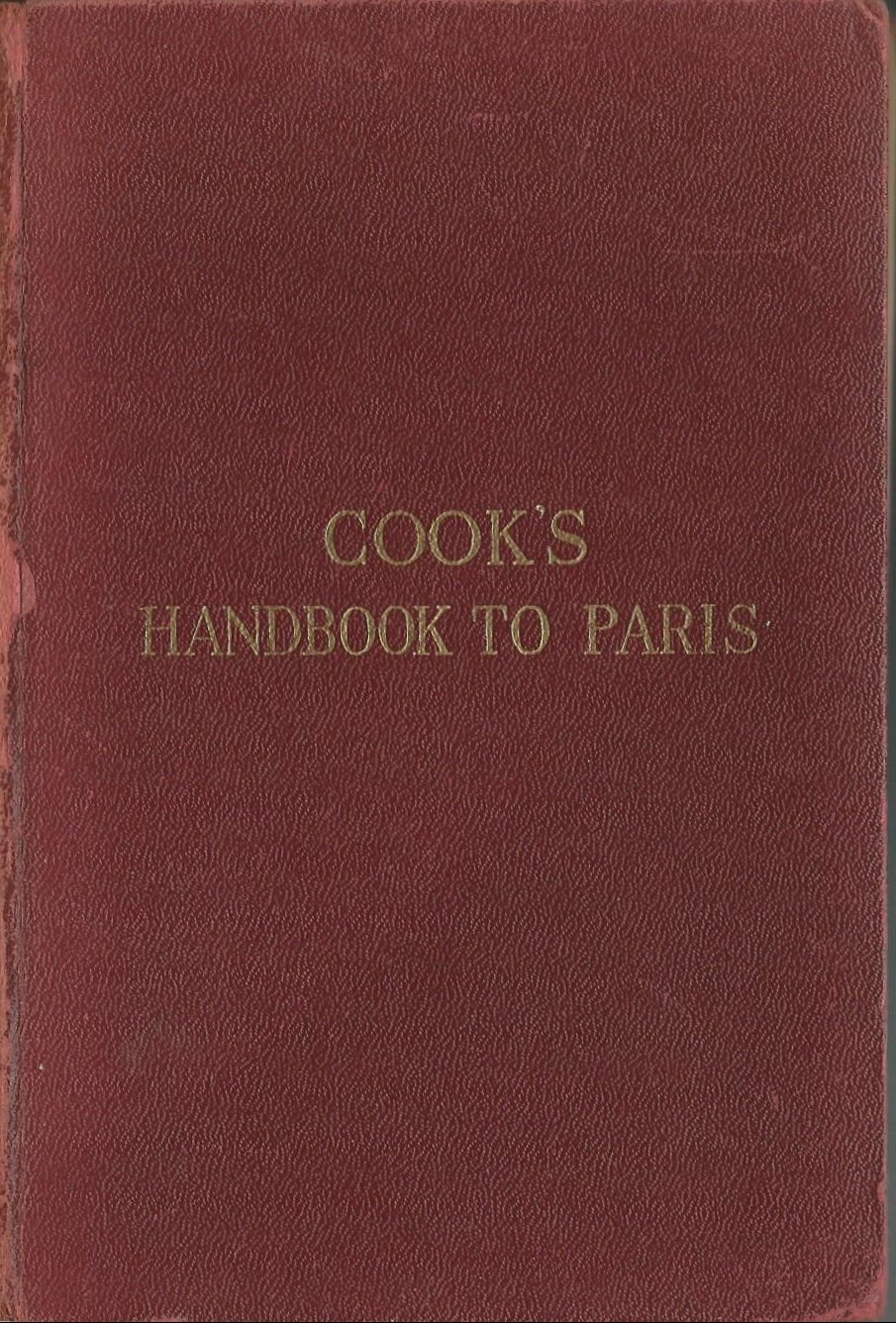
Cook’s traveller’s handbook to Paris, by Roy Elston, Simpkin Marshall, Ltd., 1931.
A slightly later edition, 1937, of this particular Cook’s has already appeared at this website in “Guide(s) to Paris.” This 1931 edition shares many of the same itineraries, but contains other charming advertising.
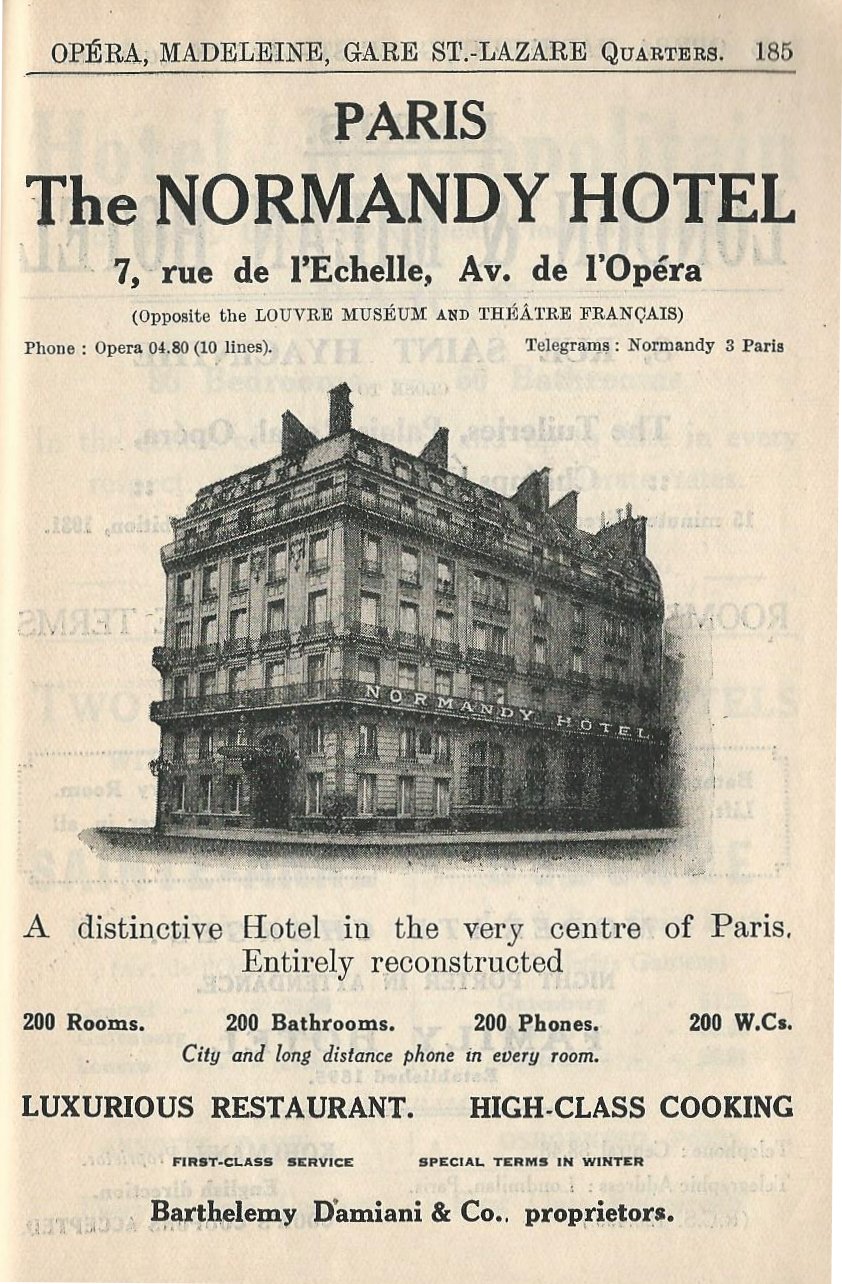
The Normandy Hotel. This and the following image from Cook’s Traveller’s Handbook to Paris.
Paris hotels of the era competed on more than on location or room rates. Luxurious establishments offered en suite bathrooms and W.C.s (i.e., water closets or toilets). The very best also had a “City and long distance phone in every room.” Today, the Normandy continues as a fine Paris hotel.
A tradition dating back to Lafayette and the American Revolution continued affinities between France and the U.S. In citing traditional cuisine, Cook’s notes, “Persons to whom money is no object will find first-class restaurants in all the principal thoroughfares.”
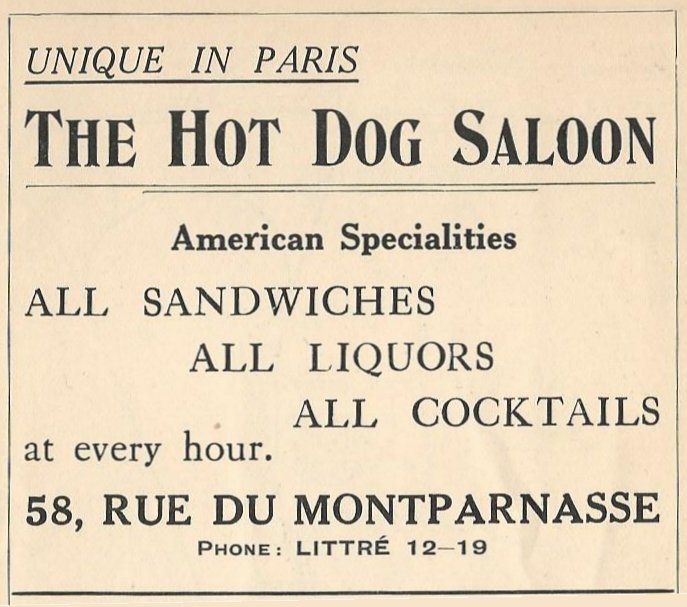
Among the fine restaurants cited are several still thriving: Café de la Paix, Restaurant de la Tour d’Argent (established 1582) and le Pré-Catalan. Alas, The Hot Dog Saloon isn’t listed among the four pages of Yelp’s “Best Gourmet Hot Dogs in Paris, France.”
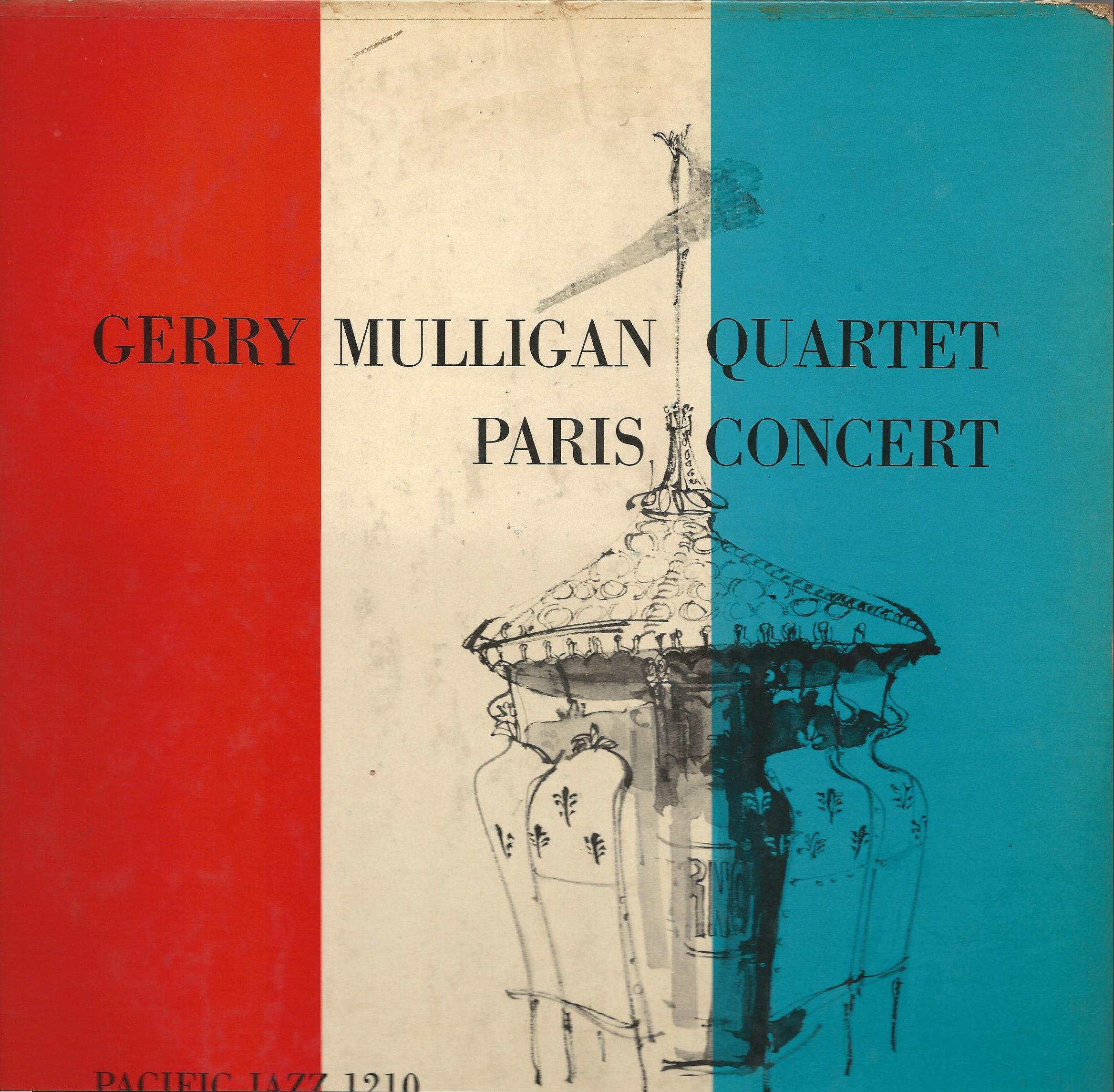
Gerry Mulligan Quartet—Paris Concert, PJ-1210, Pacific Jazz Enterprises, 1955.
Ever since le Jazz Hot entered the French language in the 1920s, Parisians have appreciated American’s improvisatory contributions to music. On June 1, 1954, Gerry Mulligan (baritone sax), Bob Brookmeyer (valve trombone), Red Mitchell (bass) and Frank Isola (drums) delighted fans at the Third Paris Jazz Festival held in the Salle Pleyel.

Mulligan charmed the audience with a few French phrases as well. The high-fidelity long-playing (pre-stereo) album features les Tricolores and dual-language liner notes.
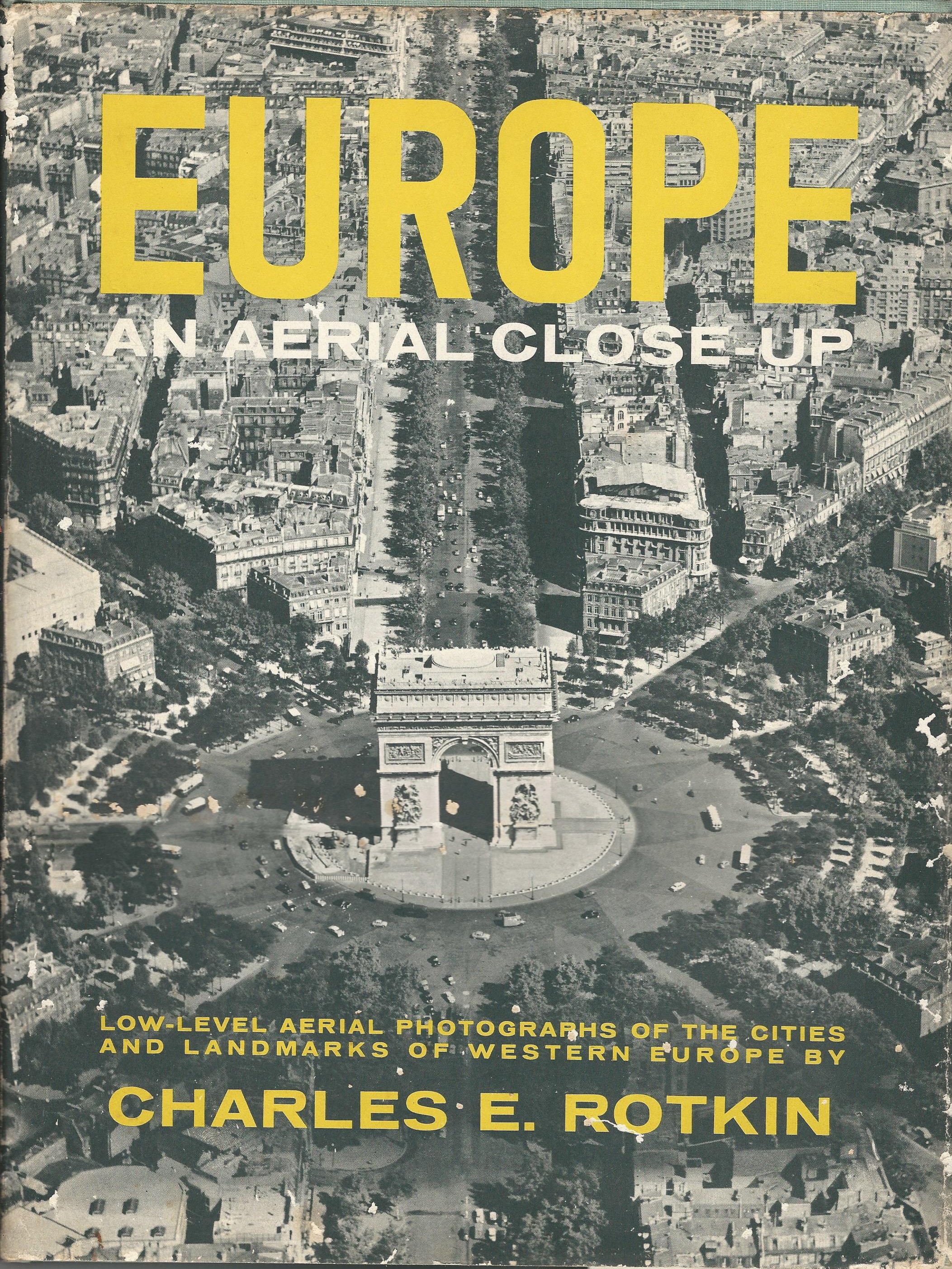
Europe an Aerial Close-Up, photographs by Charles E. Rotkin, J.B. Lippincott Company, 1962.
As its subtitle notes, this oversize (10 1/2 x 14-in.) book offers “Low-level Aerial Photographs of the Cities and Landmarks of Western Europe.” Rotkin was twice president of the American Society of Magazine Photographers and, in the late 1950s, expanded his views of Europe to airborne ones.
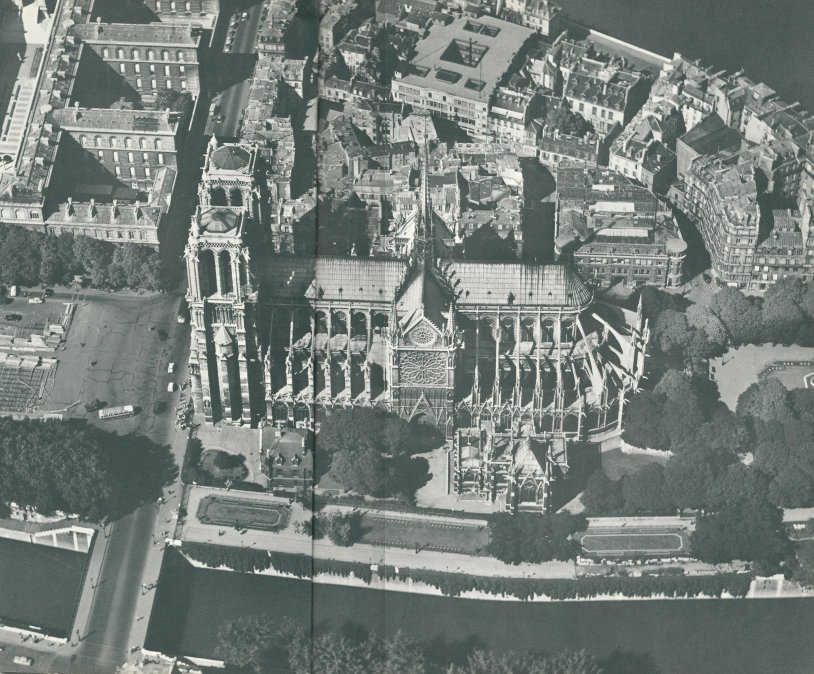
Cathedral de Notre Dame de Paris, Ile de la Cité. Image from Europe: An Aerial Closeup.
Forty-six of the book’s 222 pages are devoted to France, 22 of which are of Paris. The Place l’Etoile and its iconic Arc de Triumph are the book’s cover subjects. Its view of the Ile de la Cité’s Cathedral de Notre Dame de Paris is distinctly different from the one seen on a bateau tour.

Paris: The Novel, by Edward Rutherford, Doubleday, 2013.
Rutherford’s historical saga traces six families from 1261 through 1968. The nobility, professionals and low-lifes interact, often unexpectedly, through the ages. But, as Rutherford writes, “Paris. City of love. City of dreams. City of splendor. City of saints and scholars. City of gaiety.
“Sink of iniquity.
“In two thousand years, Paris had seen it all.” ds
© Dennis Simanaitis, SimanaitisSays.com, 2015
 Simanaitis Says