
Simanaitis Says
On cars, old, new and future; science & technology; vintage airplanes, computer flight simulation of them; Sherlockiana; our English language; travel; and other stuff
FLYING 1918
WHEN LAST we encountered our intrepid—albeit only virtual—aviator, he/I had studied flying, 1909 style (http://wp.me/p2ETap-GO). I can now report that the Blériot has been good fun.
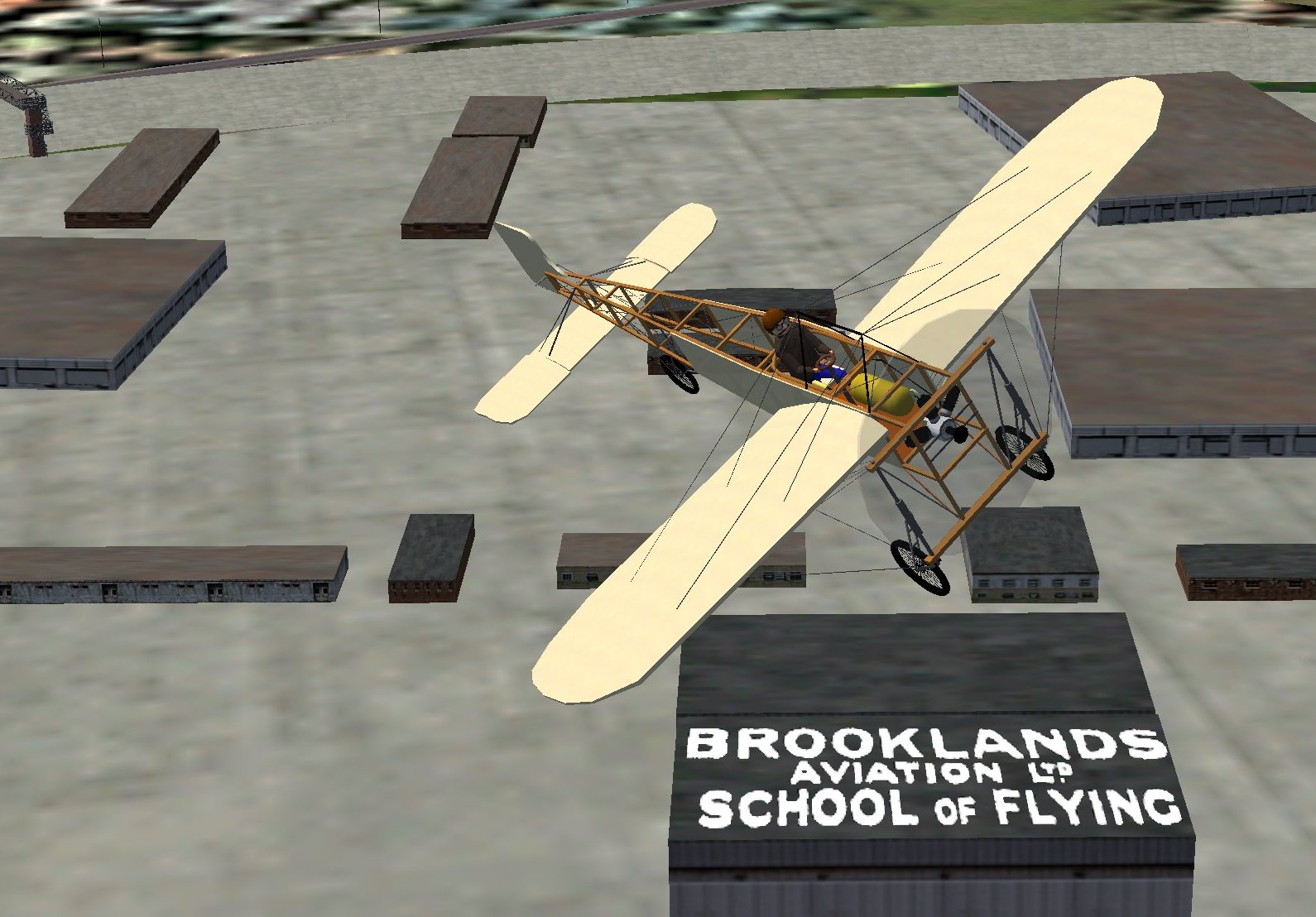
My virtual Blériot XI is a sweet ride in Microsoft Flight Simulator, not nearly as twitchy as I’ve since learned the real aeroplane was.
Building the Blériot for the sim, I was accurate with dimensions, weight, center of gravity, power and the like. However, I didn’t have any original-source data on flight behavior, so I chose to make her a pleasant flyer. I’ve since learned she was actually a twitchy beast, even in calm weather—and I have all the more respect for Louis Blériot in his 1909 cross-Channel flight.
I’ve also decided to read two more books on the subject, Practical Flying: Complete Course of Flying Instruction and The Curtiss Standard JN4-D Military Tractor Hand Book. Both books date from 1918, so I’m upgrading my knowledge base by nine years.

Practical Flying: Complete Course of Flying Instruction, by Flight-Commander W.G. McMinnies, R.N., Illustrated by Flight-Lieutenant E.L. Ford, R.N., Temple Press, 1918; Flying Corps/Empire Interactive. Both www.amazon.com and www.abebooks.com list it in several formats including reprints.
Flight-Commander McMinnies’ R.N. identifies the Royal Navy as his branch of service. And 1918 identifies the year that the Royal Naval Air Service and Royal Flying Corps were united to form the Royal Air Force, the RAF.
Compared with my earlier instructional matter (all 12 pages of it), this book’s 237 pages enriched my knowledge, including the Use and Working of Instruments (I didn’t need this with the Blériot; its only gauge was for oil pressure) and the Medical Aspects of Aviation with Some Notes on Suitable Clothing.
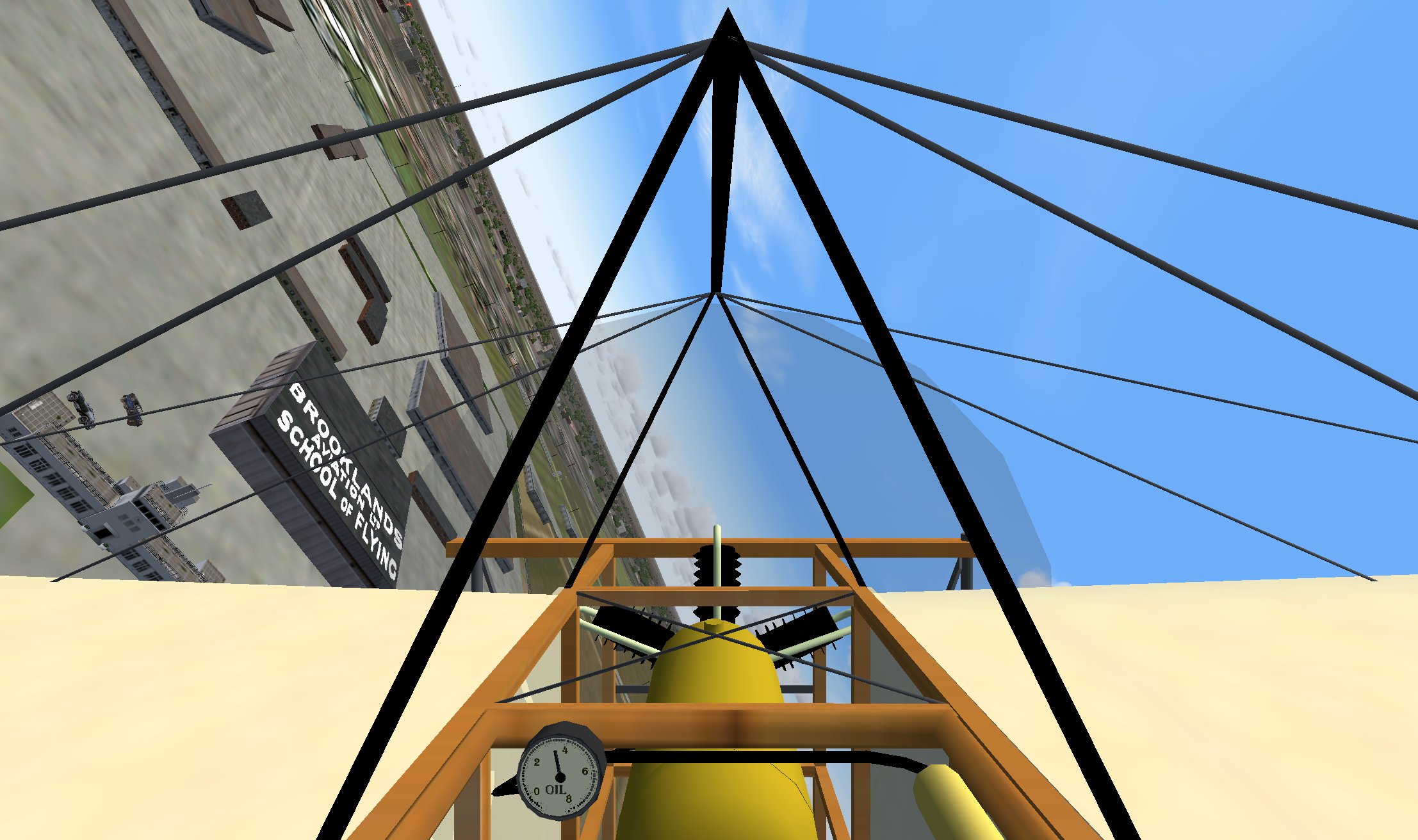
The view forward in the Blériot is simplicity itself.
“Leather outer garments are usually worn.” There’s no mention of my scarf.
“Most aviators fly with the mouth slightly open.” Yes, wife Dottie says I do.
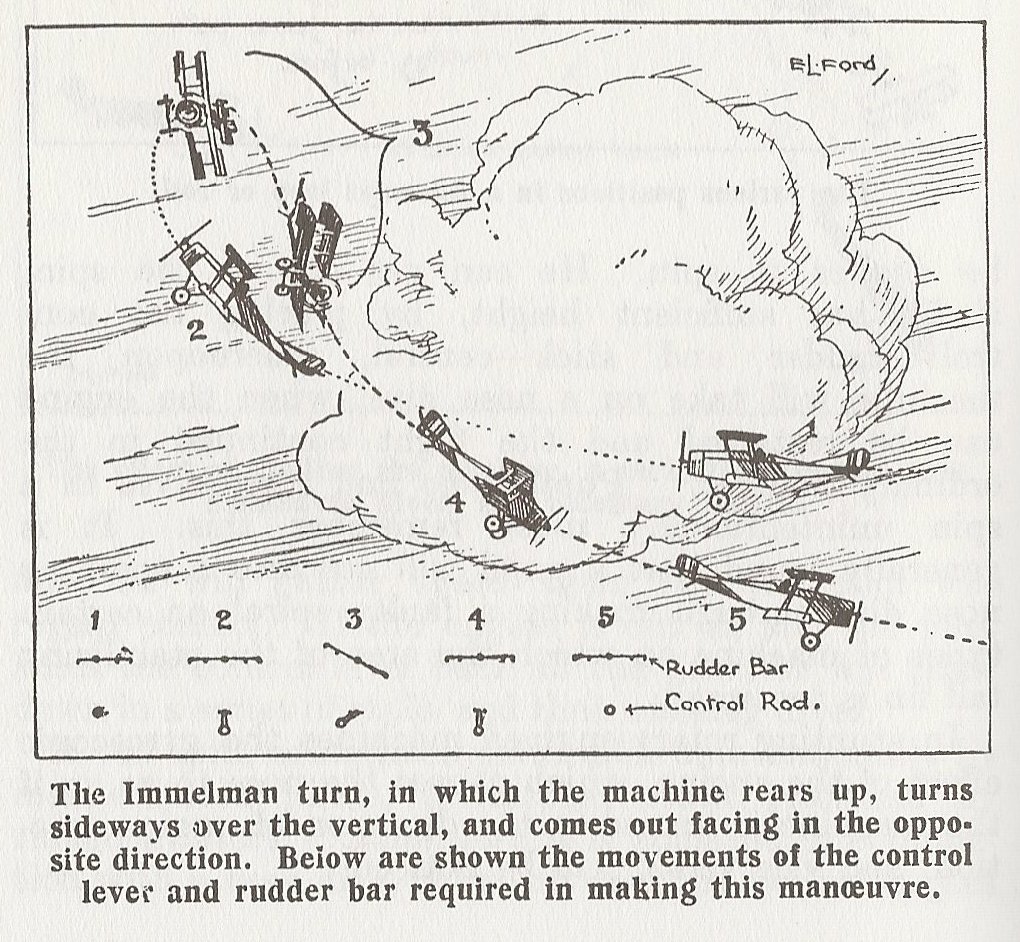
I doubt that my Blériot can do an Immelman. I must try one. Image from Practical Flying.
For impatient types (you can guess who we are), the book closes with Flying Instruction Notes in Brief (of only nine pages) as well as a Glossary of Terms Commonly Used in Aviation.
Examples: “Stage 9.—Advanced Flying, No. 7: A hoiked turn is a curving zoom, but you should know your machine, and practice this at 1000 ft.” And, “Hoik, To: To make the machine climb steeply and suddenly.”
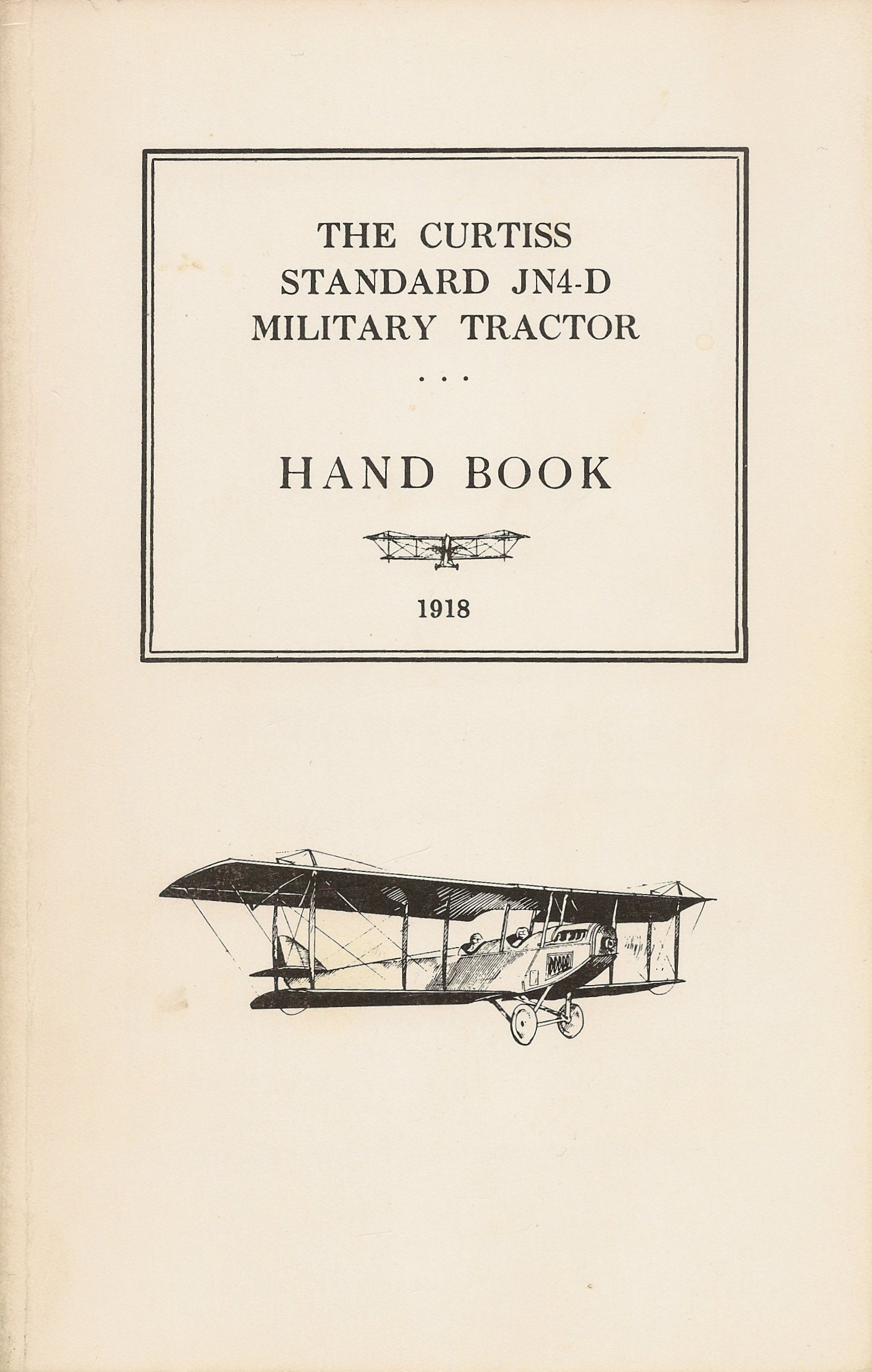
The Curtiss Standard JN4-D Military Tractor Hand Book, Curtiss Aeroplane and Motor Corp., 1918; Aviation Publications, Appleton, Wisconsin. Both www.amazon.com and www.abebooks.com list the book (including an original edition at the latter.)
My other study book is actually an assembly manual. Between 1917 and 1927, Curtiss manufactured 6813 of its various JN Military Tractor aeroplanes. In the early 1920s, crates containing a war-surplus JN4-D Jenny could be had for as little as $50 (perhaps $600 in today’s dollars).
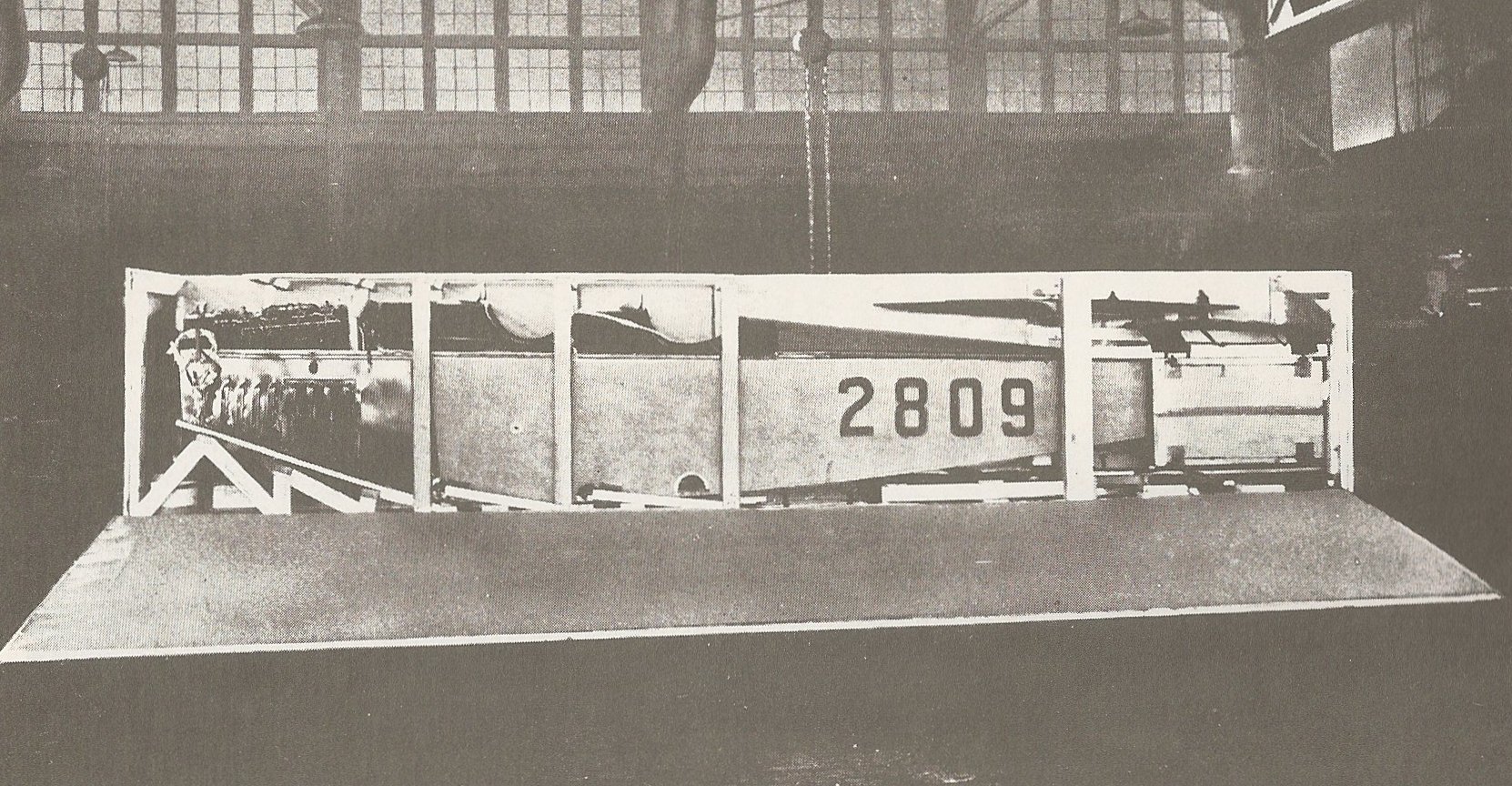
The fuselage arrives with engine installed, all in a single crate.
The book starts with details of opening and unpacking the crates. “Care should be taken to have the part marked ‘Top’ uppermost.” Yes, this is my kind of Hand Book.
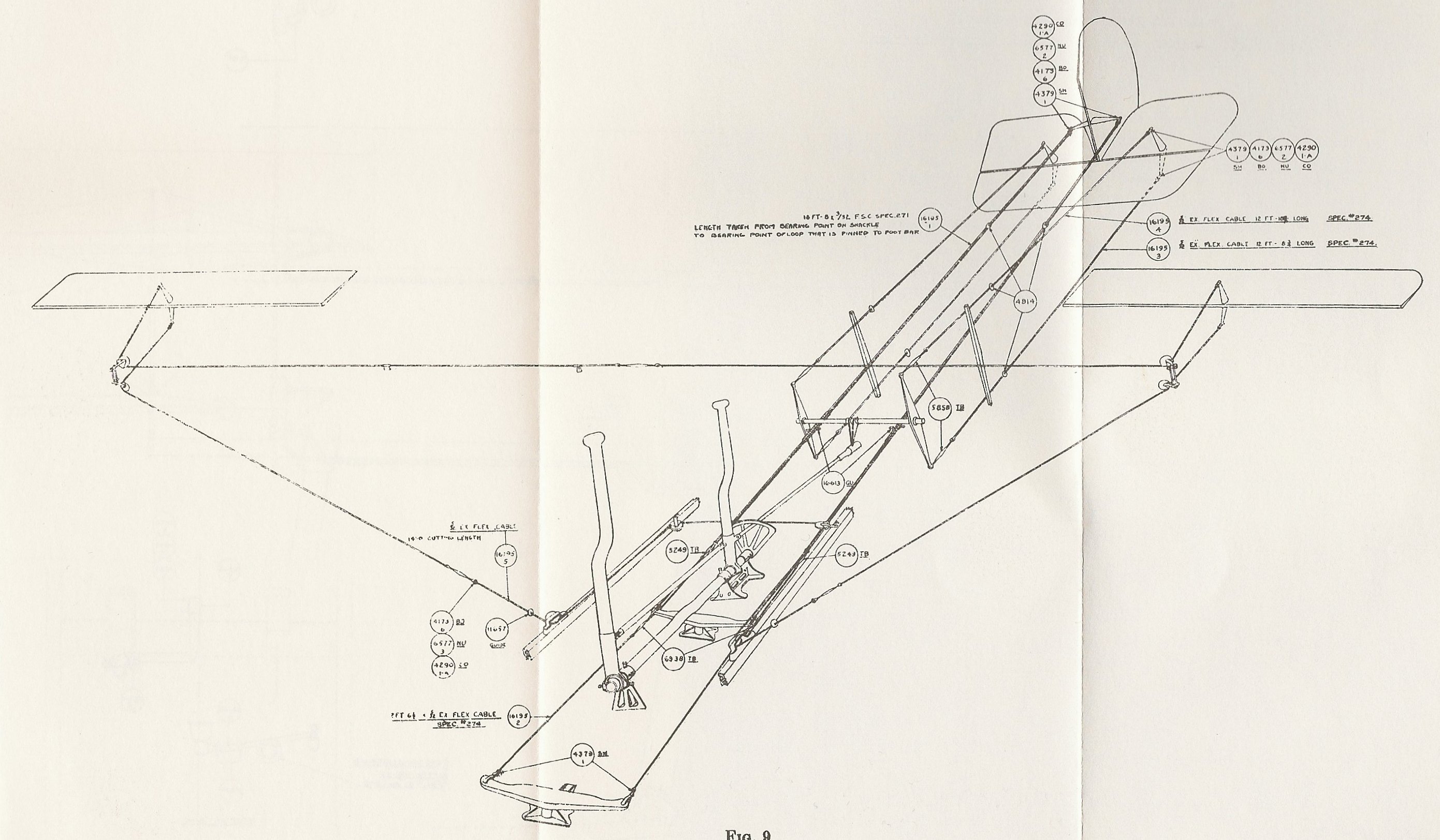
I’m sure this will prove useful when I get around to hooking things up. (That’s “hooking,” not “hoiking.”)
It subsequently gets rather more involved, with things like installing the joy sticks and other stuff.
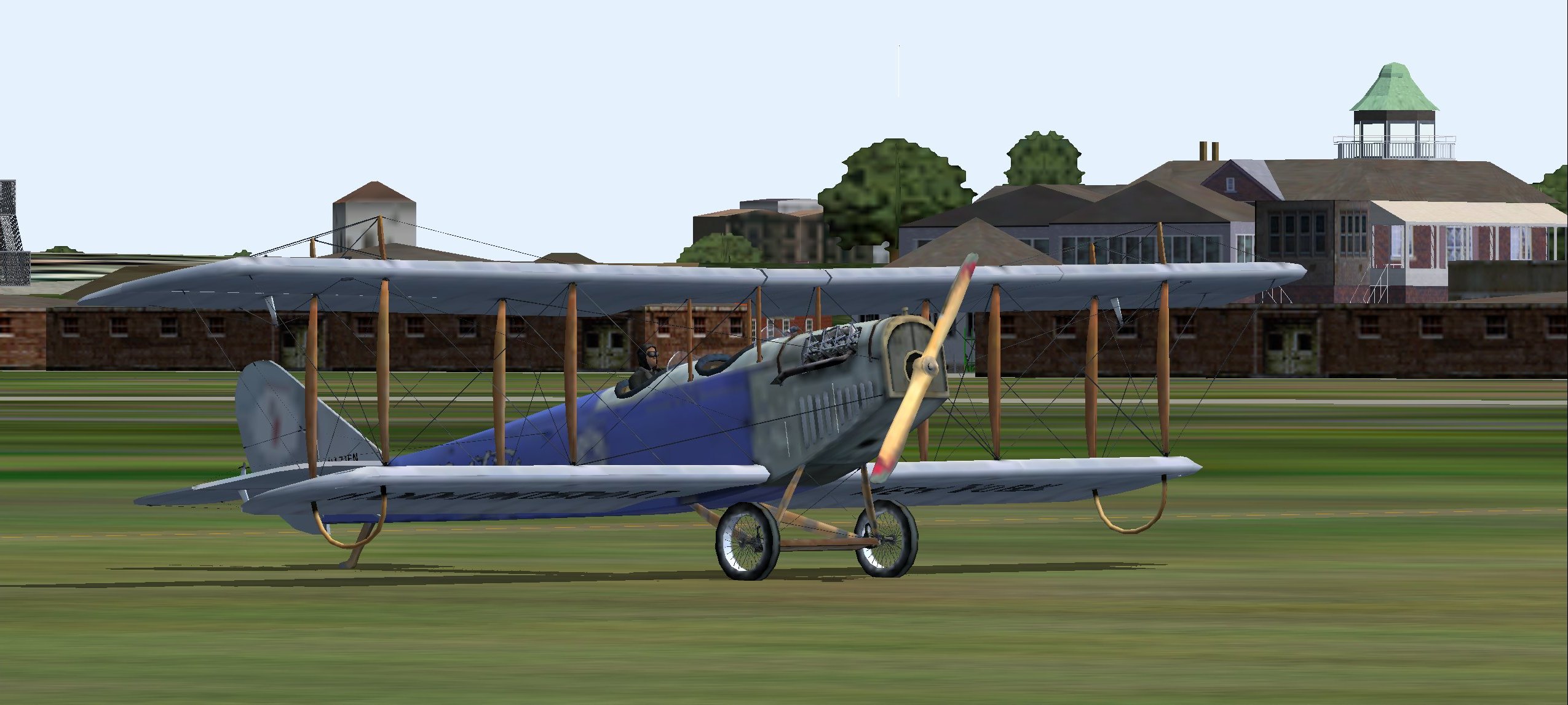
The Curtiss JN4-D “Jenny” is one of the default aeroplanes in Microsoft Flight Simulator.
It’s good I’m studying up, as the Curtiss JN4-D “Jenny” included in the sim is known to have flight characteristics closely modeled after those of the real one.
Lord help me. ds
© Dennis Simanaitis, SimanaitisSays.com, 2013
 Simanaitis Says