
Simanaitis Says
On cars, old, new and future; science & technology; vintage airplanes, computer flight simulation of them; Sherlockiana; our English language; travel; and other stuff
THE JAPANESE HAVE A WORD FOR IT PART 1
I ENJOY READING NICE NEWS—a website that, as its name describes, celebrates the world’s joys. For example, Nice News’ Rebekah Brandes offers “From Ikigai to Wabi-Sabi: 8 Japanese Philosophies for Purposeful Living,” Nice News, March 28, 2026.

Here in Parts 1 and 2 today and tomorrow are tidbits gleaned from Rebekah’s article, together with my usual Internet sleuthing. Indeed, the latter research yields other Japanese concepts, some complementing Rebekah’s list, others enriching it.
Ikigai 生きがい. Reason For Living. Rebekah describes, “A combination of the Japanese terms iki, meaning ‘life,’ and gai, meaning ‘to be worthwhile,’ ikigai essentially describes a reason for being (or a raison d’etre, if you ask the French). The word is believed to date back to Japan’s Heian period, between 794 and 1185.”
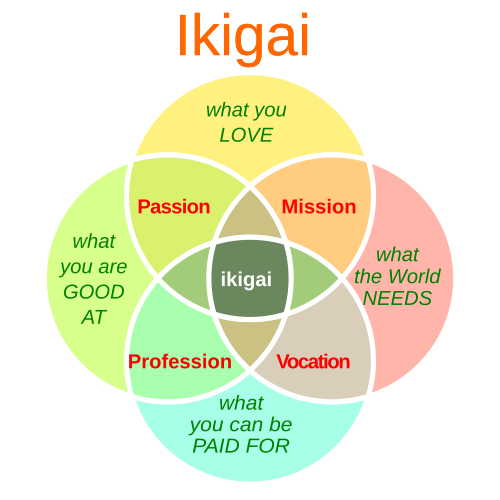
An example of an Ikigai Venn diagram. Image by Eugenio Hansen, OFS via Wikipedia.
On a personal note, SimanaitisSays is an aspect of my ikigai: Its research and composition are important means of my countering occasional whammies traceable to our country’s lamentable discord, the world’s conditions, or inevitably, my own mortality.
Kaizen 改善. Continuous Improvement. Rebekah describes, “Kaizen is a more modern concept that took off in post-World War II Japan and was actually influenced by American ideas. Following the conflict, Japan faced production issues, and U.S. scientists were brought in to aid in revitalizing the economy…. The word is a combination of the terms kai, meaning ‘change,’ and zen meaning ‘good.’ ”

The Deming Prize now recognizes companies from around the world, albeit typically those with operations in Japan.
See “W. Edwards Deming—A Man of High Quality,” SimanaitisSays, September 27, 2012 (only the month after this website’s inauguration).
Mottainai 勿体無い. Regret Over Waste. “Loosely translated,” Rebekah relates, “the term mottainai means ‘what a waste,’ and it’s used to express regret or sadness when something is squandered…. Mottainai encourages us to be mindful of our consumption and grateful for the things we have.”
“To help implement this,” Rebekah writes, “try to reduce and reuse as much as possible. Make sure you’re recycling correctly to limit waste, and explore tips for reducing and reusing.”
It’s not unrelated to the Japanese appreciation of wabi-sabi described anon in Part 2.
Oubaitori 桜梅桃李. Don’t Compare. “The term oubaitori,” Rebekah observes “comes from the kanji, or Japanese characters, that symbolize four flowering trees: cherry blossom, plum, peach, and apricot.”
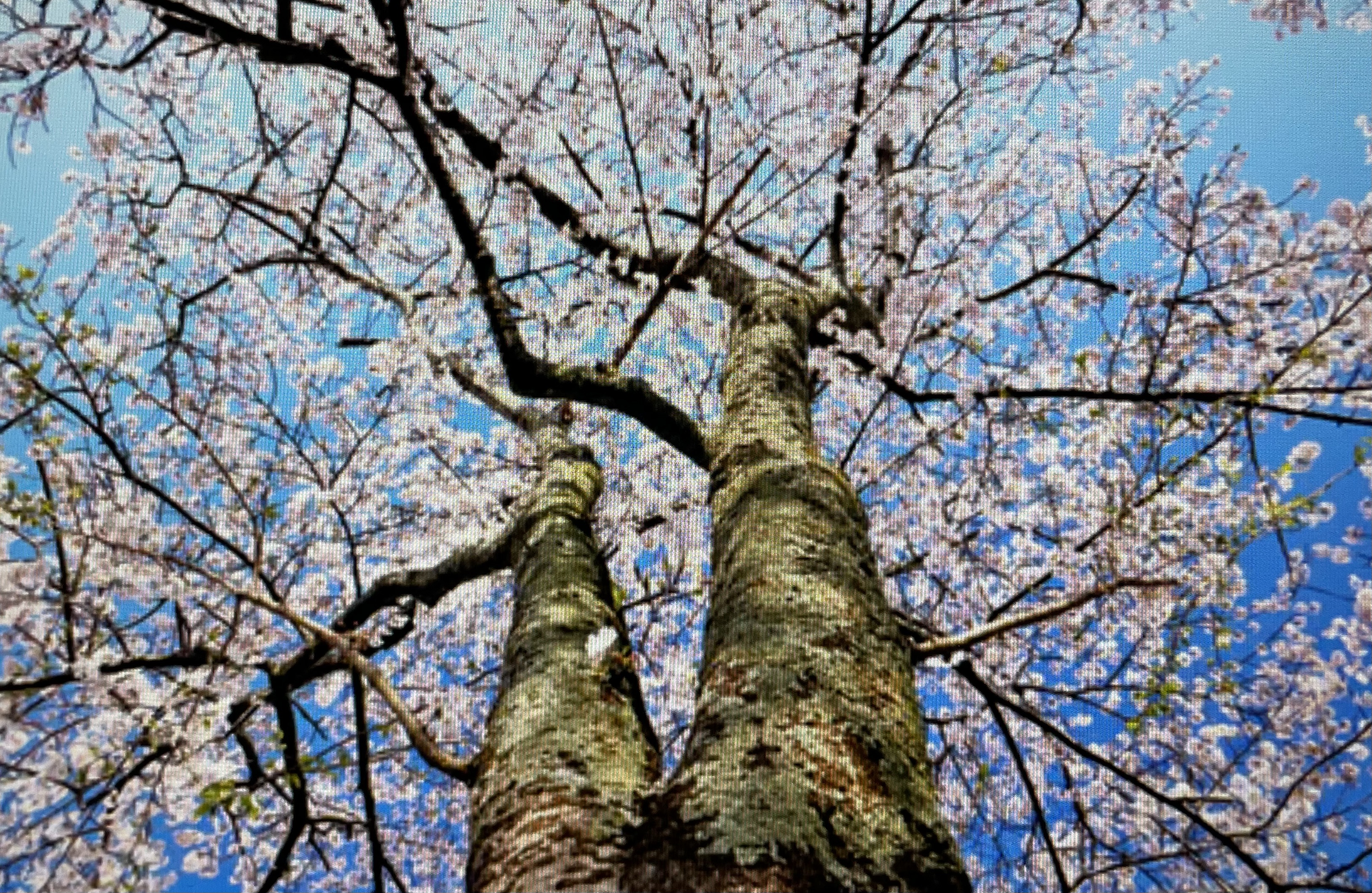
Above, a Japanese cherry tree. Below, a Japanese plum tree. Images from A Brief Guide to Japanese Trees.
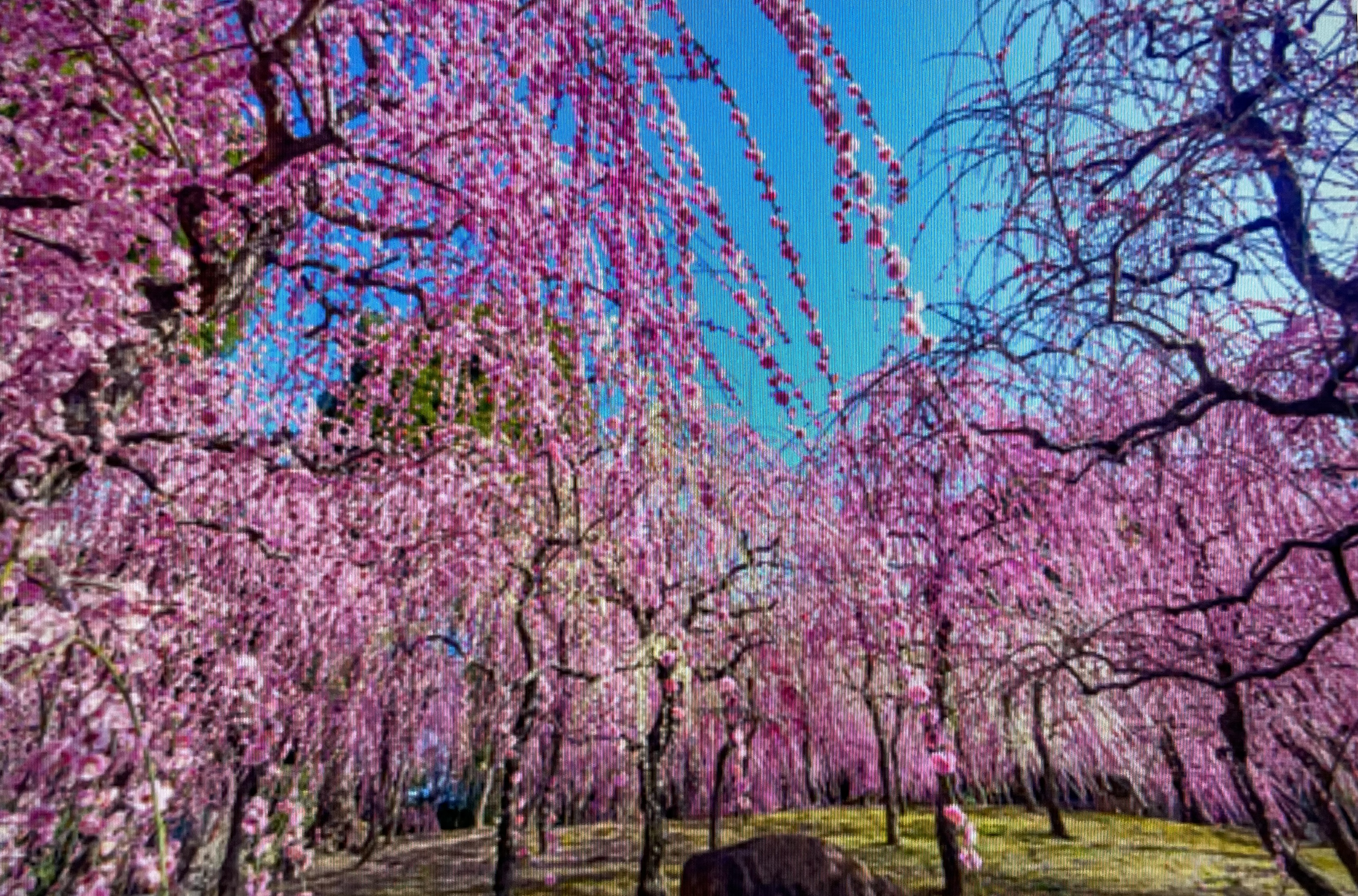
“It’s an ancient idiom,” Rebekah notes, “meaning that people, like the flowers on those trees, bloom and flourish at their own rate and in their own way.”
Like the flowers on these trees, each person’s journey is unique.
We’ll continue in Part 2 tomorrow with other thoughtful Japanese concepts. ds
© Dennis Simanaitis, SimanaitisSays.com, 2026
 Simanaitis Says