
Simanaitis Says
On cars, old, new and future; science & technology; vintage airplanes, computer flight simulation of them; Sherlockiana; our English language; travel; and other stuff
“POI TRISTANO,” JOTTED PUCCINI PART 2
YESTERDAY IN PART 1, KEVIN NG ASKED “Is It Possible to Solve the Ending of Puccini’s ‘Turandot’?” We meandered about Puccini’s sketching “poi Tristano” and its love defying death in Wagner’s Tristan und Isolde. Today, we return to the new Turandot and its heritage of earlier nuanced endings.
Back to Turandot. There were other attempts to complete the opera, Ng recounts. “In 2001, Puccini’s publisher commissioned the avant-garde Italian composer Luciano Berio to write his own version, but his dissonant harmonies and ambiguously dark ending baffled audiences. Then the centennial [2024] of Puccini’s death inspired Francesca Zambello, the artistic director of Washington National Opera, to think about another new ending.”
Earlier this month, Maestra Zambello appeared here in “The Crucible—An Opera For Our Times.”
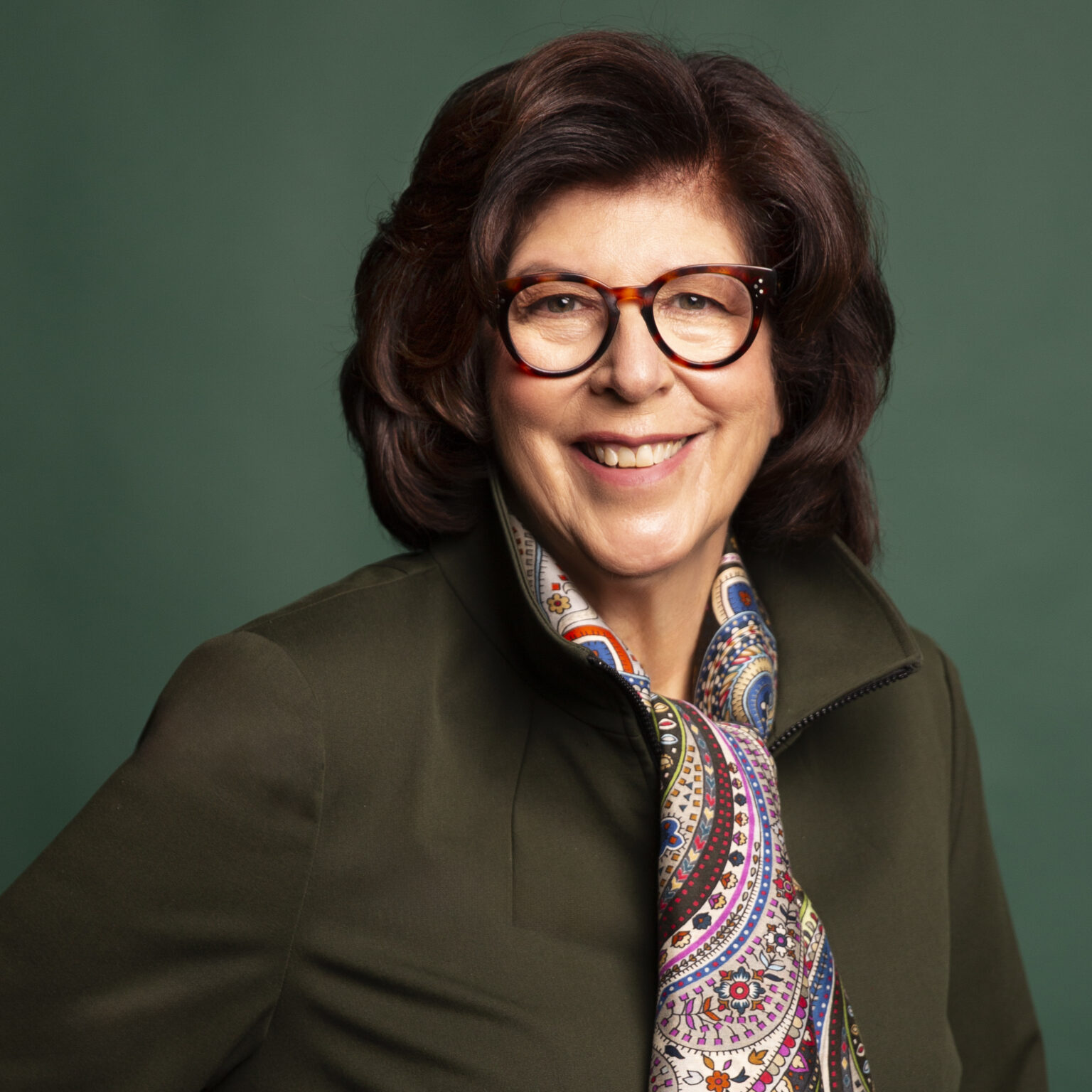
Here, Ng quotes Zambello: “ ‘As a director I’ve always been frustrated by the ending,’ she said. She described Puccini’s vocal writing for the title character as unrelentingly high and combative, and Adami’s libretto as affording her little agency. ‘I wanted to take away that ice princess aspect and help her realize her own humanity.’ ”
A Mom Choosing Chinese-American Composer Christopher Tin. Ng describes, “Tin was selected as the new version’s composer through a comparatively fortuitous route. Zambello’s son is fan of video games, and one day she was surprised to hear what sounded like classical music emerging from his bedroom. It was a video game with a score by Tin. So she introduced herself to him.”
Zambello said, “I knew that I wanted to have an Asian American composer and writer.” A colleague suggested Susan Soon He Stanton, known as a writer and producer of Succession, for the new Turandot libretto. Stanton’s reworking of the libretto included renaming the three ministers: Ping, Pang and Pong, whom her version refers to simply as the chancellor, major-domo and head chef.”
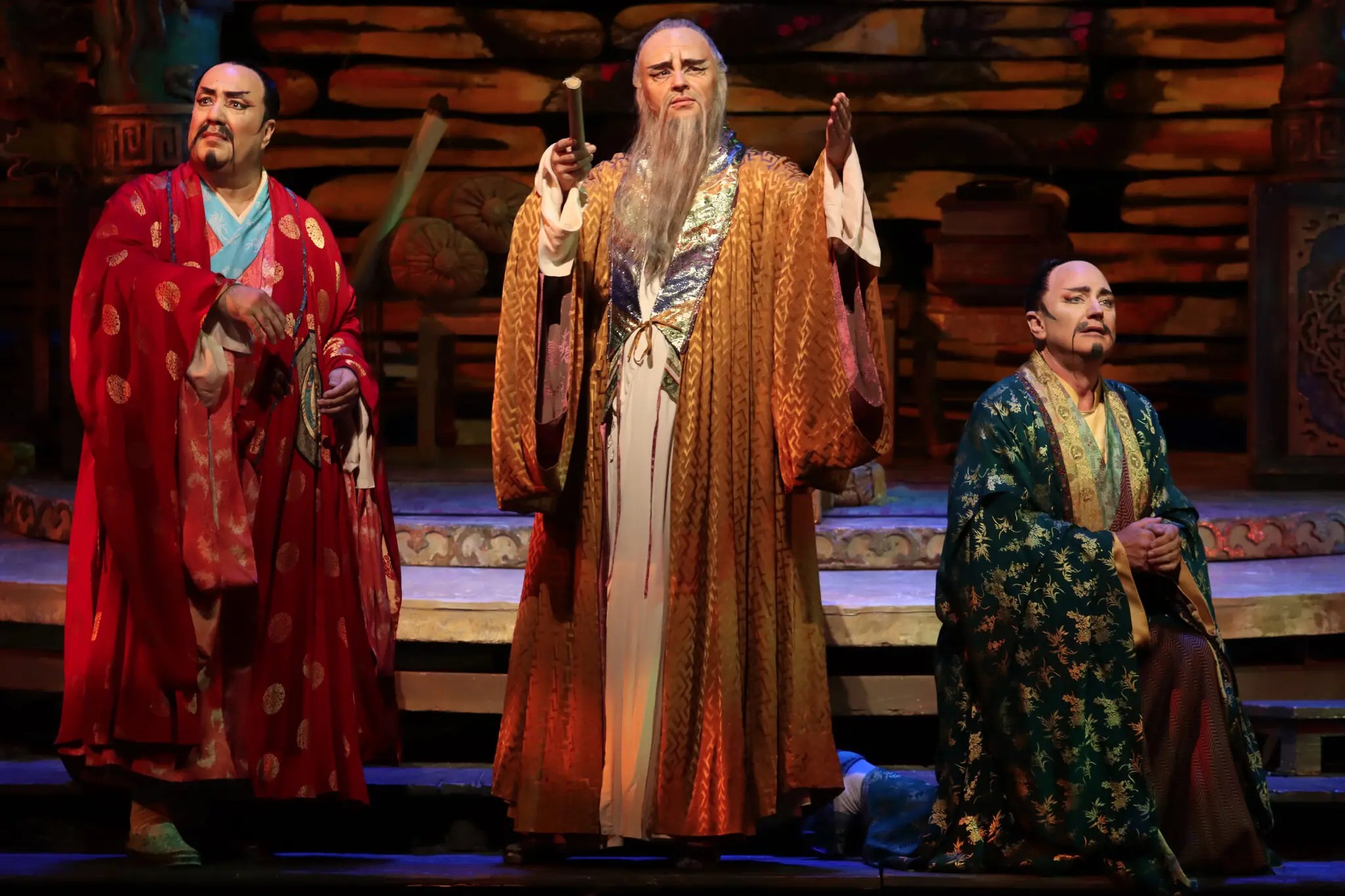
Newly identified Turandot ministers. Image by Hiroyui Ito for The New York Times.
And What Of “Poi Tristano”? Ng recounts, “Tin’s score includes a wink at that idea. The orchestral buildup to Turandot and Calaf’s kiss quotes the famous ‘Liebestod’ from ‘Tristan,’ in which Isolde achieves transcendental bliss. ‘That,’ Tin said, ‘was me having a little bit of fun in the compositional process.’ ”
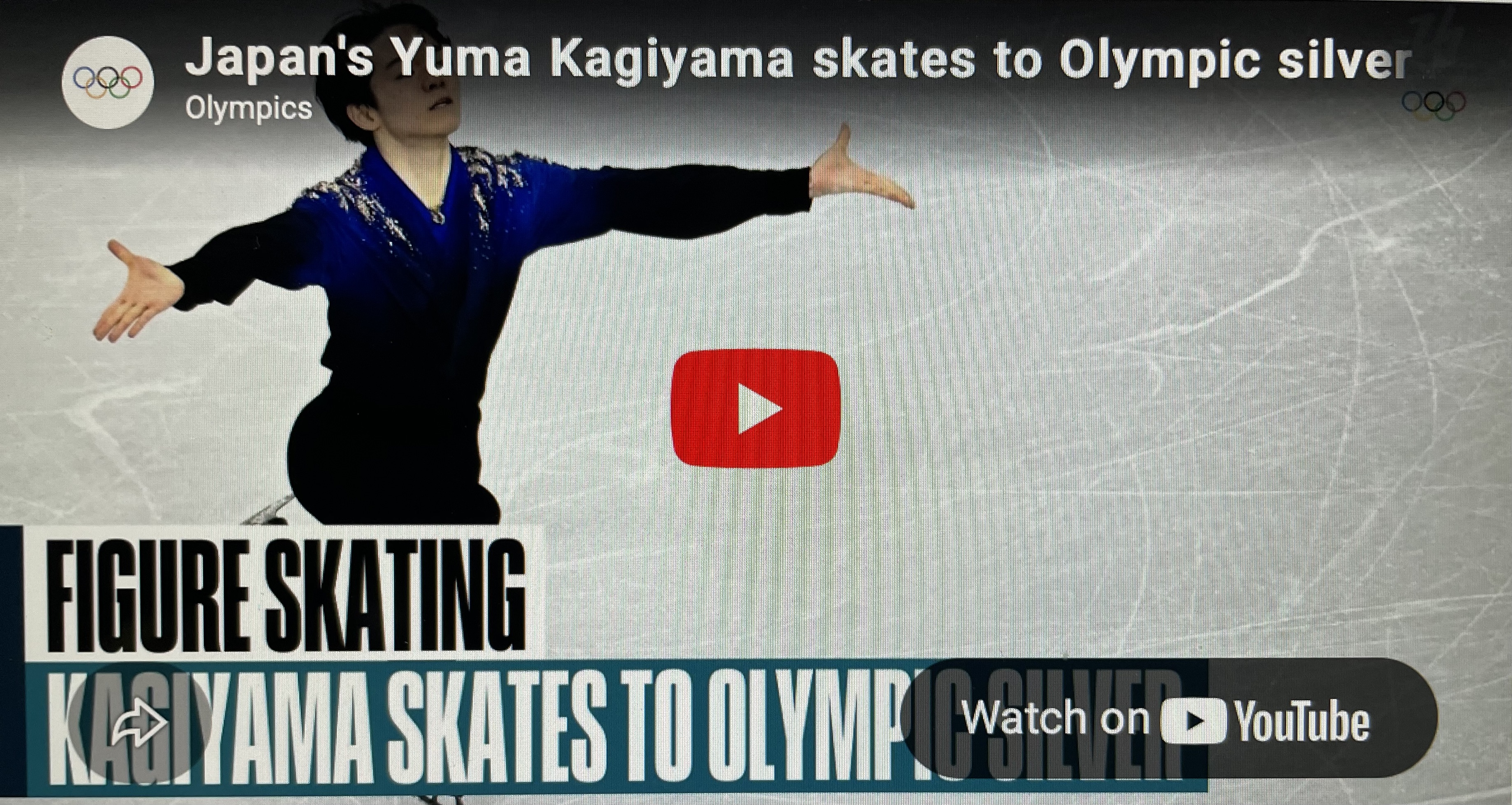
This video with Tin’s music can be accessed at Ng’s article.
And no doubt the music enhanced Yuma Kagiyama’s performance to win his silver medal. ds
© Dennis Simanaitis, SimanaitisSays.com, 2026
 Simanaitis Says