
Simanaitis Says
On cars, old, new and future; science & technology; vintage airplanes, computer flight simulation of them; Sherlockiana; our English language; travel; and other stuff
LET’S CELEBRATE WILLIAM VINCENT WALLACE’S LURLINE
WILLIAM VINCENT WALLACE’S OPERA LURLINE is about the Lorelei, and his life is every bit as adventurous as this legend of the Rhine seductress. I learned about Wallace from Una Hunt’s “Sweet Forms,” Opera With Opera News, November 2025. Here are tidbits gleaned from Hunt’s article and my usual Internet sleuthing.
Una Hunt writes, “William Vincent Wallace was one of the most extraordinary musical personalities of the 19th century—not only a composer of significance, but a virtuoso on two instruments (piano and violin) and an intrepid adventurer with several hair-raising episodes to relate.”
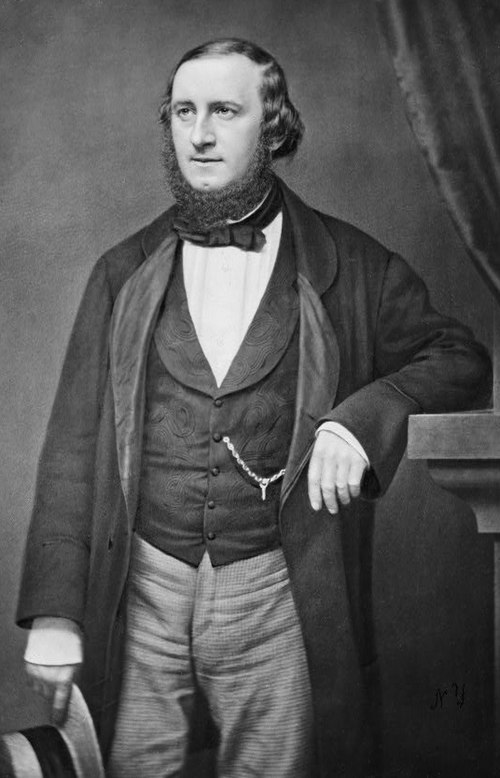
William Vincent Wallace, 1812–1865, Irish composer, famous on three continents as a double virtuoso on violin and piano. Portrait by Matthew Brady from Wikipedia.
From Ireland to Australia. “In 1835,” Una Hunt recounts, “Wallace left Dublin and set sail with his wife and young son for Tasmania, arriving some four months later; the family moved onwards to Australia in the following year and settled in rural Parramatta, near Sydney.”
Sheep Farming? “Here,” Hunt says, “Wallace tried his hand at sheep farming. One story goes that he received 100 sheep in payment for his musical performances while another suggests, being something of a hit with the town’s womenfolk, he was paid to leave by the men.”
A Music School? Hunt continues, “He opened an Academy of Music under the Governor General’s patronage, but this venture closed with large debt and he left the colony in secret, bound for South America.”
Hmm….
Mutineers and the Violin. Hunt relates, “There follow some extraordinary tales of his adventures—such as surviving a whaling expedition that ended in mutiny; Wallace escaped death by entertaining those on board with his violin.”
A Māori’s Chief’s Daughter; a Tiger Shoot. “There are varying accounts,” Hunt observes, “of his encounter with a Māori tribe in New Zealand, the most picturesque suggesting that he was saved from the cooking pot by the chief’s beautiful daughter, who had fallen in love with him.”
“Then there was an escapade in India,” Hunt recounts, “when he was attacked by a tiger which he managed to shoot in the nick of time—this episode was widely reported in the London newspapers.”
“It all sounds rather like the plot of a melodrama,” Hunt observes, “and there’s no doubt that Wallace’s stories grew in the telling.”
Wallace’s Opera Lurline, 1860. “Without hesitation,” Hunt notes, “Lurline was pronounced an outright success and it received the royal seal of approval when Queen Victoria came to see it, not once but twice. Its triumph continued in Dublin and the U.S., and Wallace’s close ties with Australia were renewed with presentations in Melbourne and Sydney in 1861.”
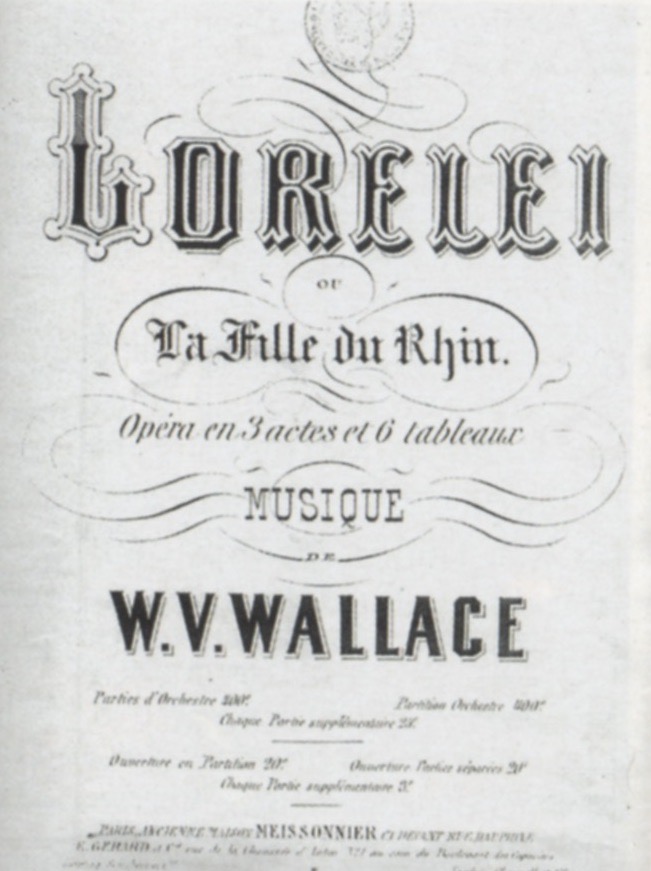
The title page of the overture, as published in Paris, c. 1863. This and the following image from Opera and Opera News.
“Yet despite such auspicious beginnings,” Hunt observes, “Lurline seems to have sunk almost without trace. Prior to last year’s [Covid-postponed from 2022] Dublin revival, the last performance was probably that given by the Dublin Opera Society in 1939. This production was dogged with bad luck when both the soprano and mezzo suffered laryngitis and had to speak most of their parts.”
Lurline and a Magic Ring. The plot, Wikipedia relates, “is based on the legend of the Lorelei…. Wallace may have conceived the idea for Lurline during a trip on the Rhine river….”
Hunt recounts, “Having fallen in love with [Count] Rudolph, Lurline gives him a magic ring which allows him to survive underwater. This ring becomes a touchstone throughout the opera.”
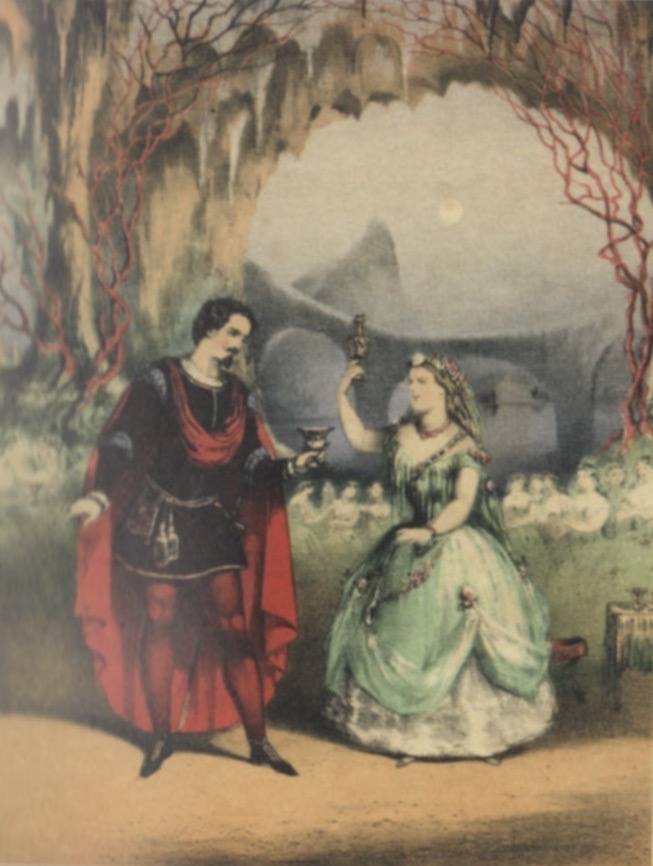
Count Rudolph (tenor William Harrison) and Lurline (soprano Louisa Pyne) in their duet “Take the cup of sparkling wine” in Act II of Lurline, its 1860 premiere.
Irish Overtones to a Norse Myth. “Leaving aside the German setting and the noted influence of Weber and Mendelssohn,” Hunt notes, “Wallace’s score has more than a hint of Irish overtones, particularly through the trope of the harp—Ireland’s national emblem. Unlike her Lorelei counterpart, Lurline plays the harp at pivotal moments; it is often the harp that signals her presence to Rudolph and he appears particularly susceptible to its power.”
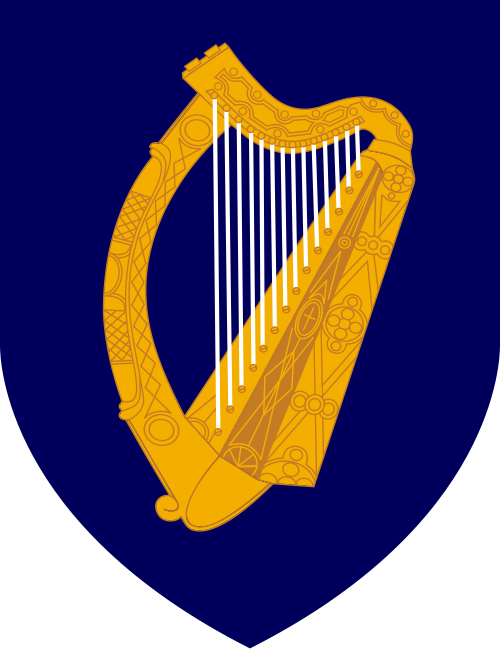
Ireland’s Coat of Arms. Image from Wikipedia.
Wallace’s Musical Mastery. “The whole opera,” Hunt says, “trips along from one lovely melody to the next…. Wallace’s operatic works are full of dramatic invention and beautiful music.”
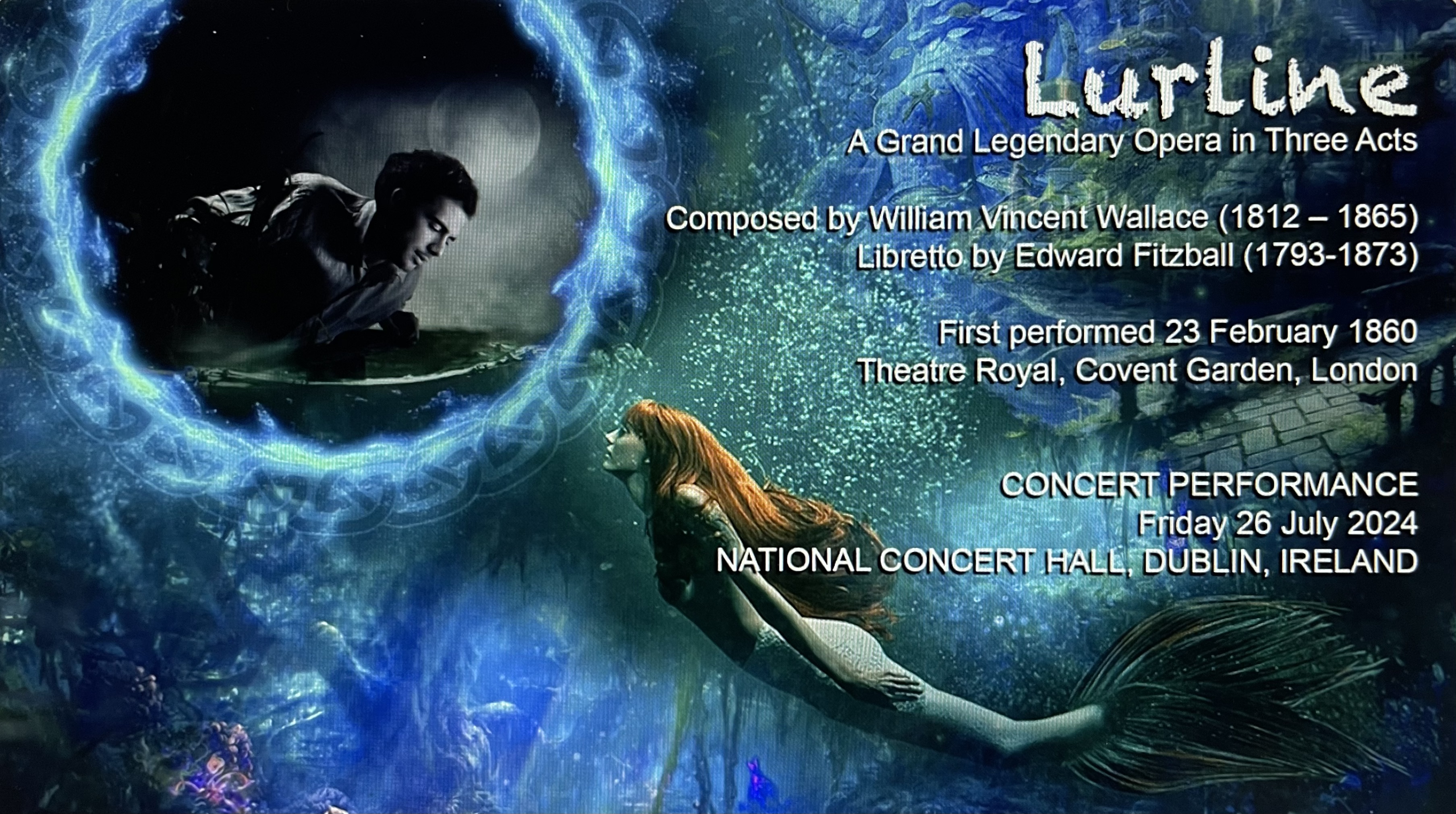
A Heritage Music Productions YouTube concert performance of Lurline at National Concert Hall, Dublin, Ireland. There’s also a CD available (free but for post/handling) from una-hunt.com.
“We hope,” Una Hunt concludes, “this recording will renew interest in a much neglected composer, engaging audiences and encouraging opera companies giving Lurline the staged performance it so richly deserves.”
Hear! Hear! ds
© Dennis Simanaitis, SimanaitisSays.com, 2025
 Simanaitis Says