
Simanaitis Says
On cars, old, new and future; science & technology; vintage airplanes, computer flight simulation of them; Sherlockiana; our English language; travel; and other stuff
MORE POWER TO AUSTRIA! (ARTISTICALLY)
TRADITIONAL ELECTRIC POWER LINES are functional, but not pleasing to everyone’s aesthetics. And the Austrian Power Grid has proposed a solution: reimagining electricity pylons as symbols of harmony between technology and nature. What’s more, a distinguished international jury honored the project in Singapore with the Red Dot Design Award 2025 for Concept Design in the Electrification and Decarbonization category.

Here are tidbits gleaned from the APG press release “Austrian Power Giants,” and from “Austria is Turning its Boring Power Lines into Giant Metal Animals—And It’s Not Just for Looks, GOODGOODGOOD, October 23, 2025.
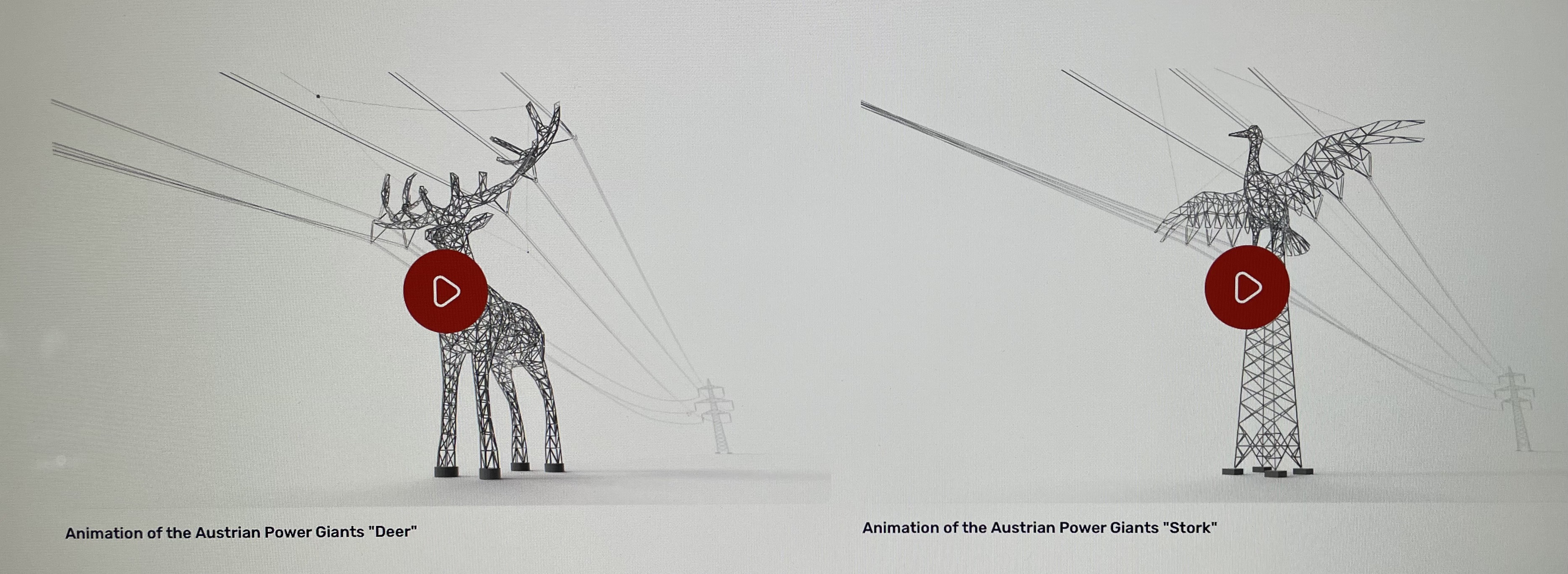
Neat animations of stag and stork can be accessed through the APG press release.
Animals Honoring Austrian Regions. “For example,” APG describes, “the stork symbolizes Burgenland, where these birds return each year, while the stag embodies Lower Austria, reflecting the region’s forested Alpine foothills.” At this point, it’s only a design concept, but if it procedes seven other Austrian federal states would receive iconic animals. The two transmission towers have been pre-tested statically and electrotechnically to verify their technical feasibility.

The stag celebrates Lower Austria’s Alpine foothills in the country’s northeast region. I especially like the stag’s pond reflection. These and other images courtesy of GP DesignPartners.
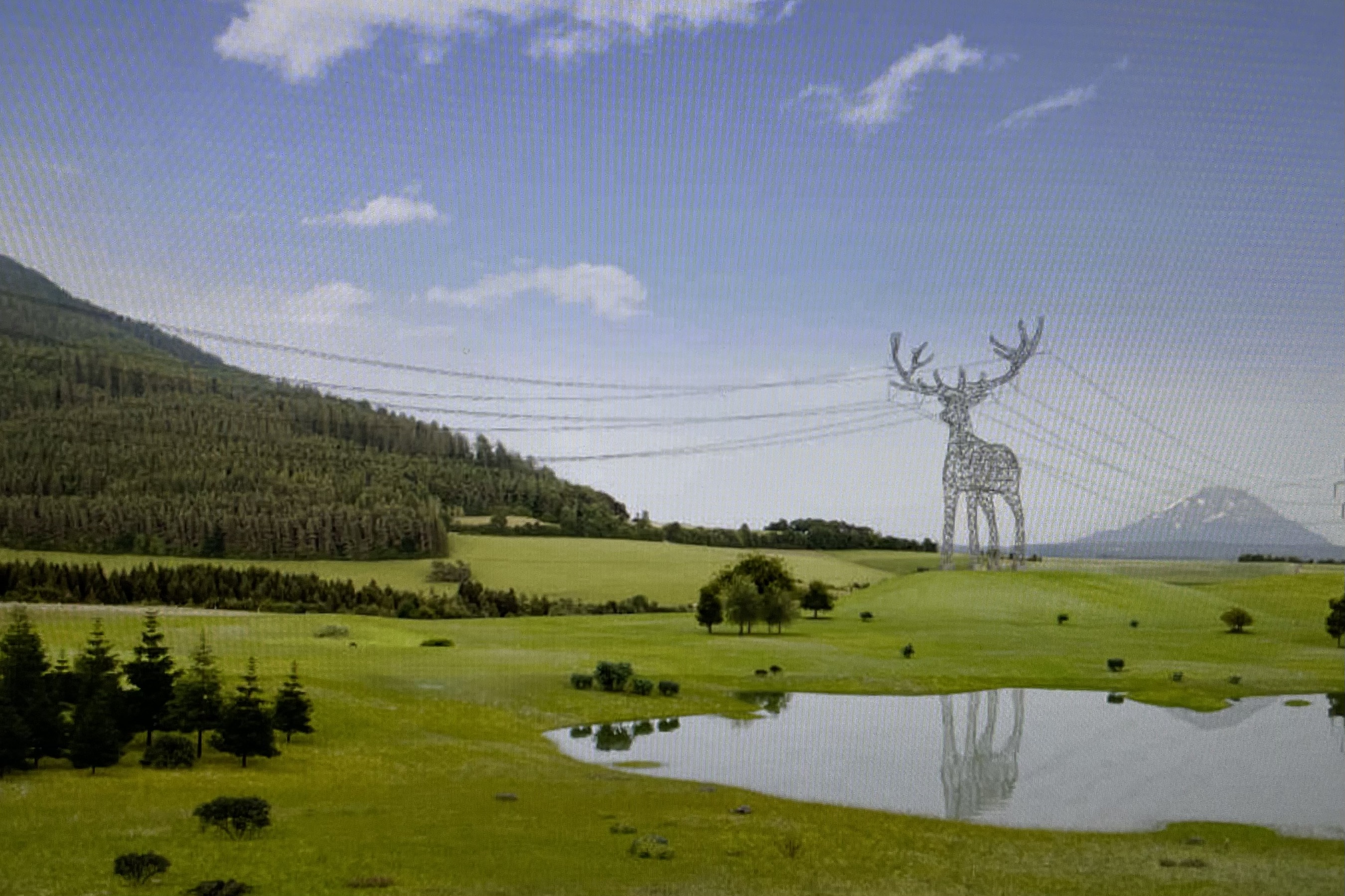
Artful Electricity. “This nature-inspired approach,” says APG, “aims to make electricity infrastructure more relatable and accepted by the public. By transforming functional structures into regional landmarks, the Austrian Power Giants seek to promote sustainable infrastructure, strengthen local identity, and enhance business and tourism potentials across the country.”
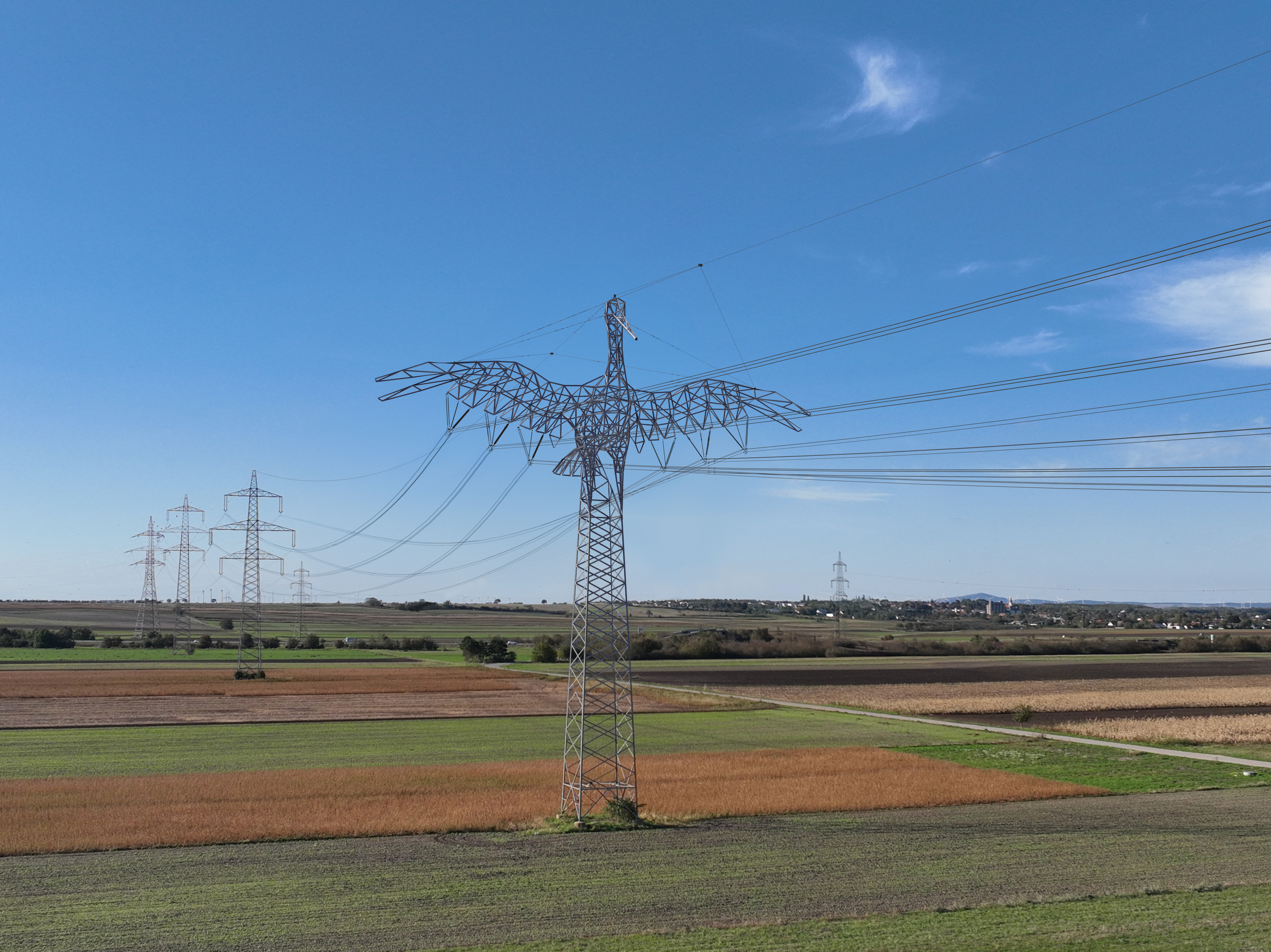
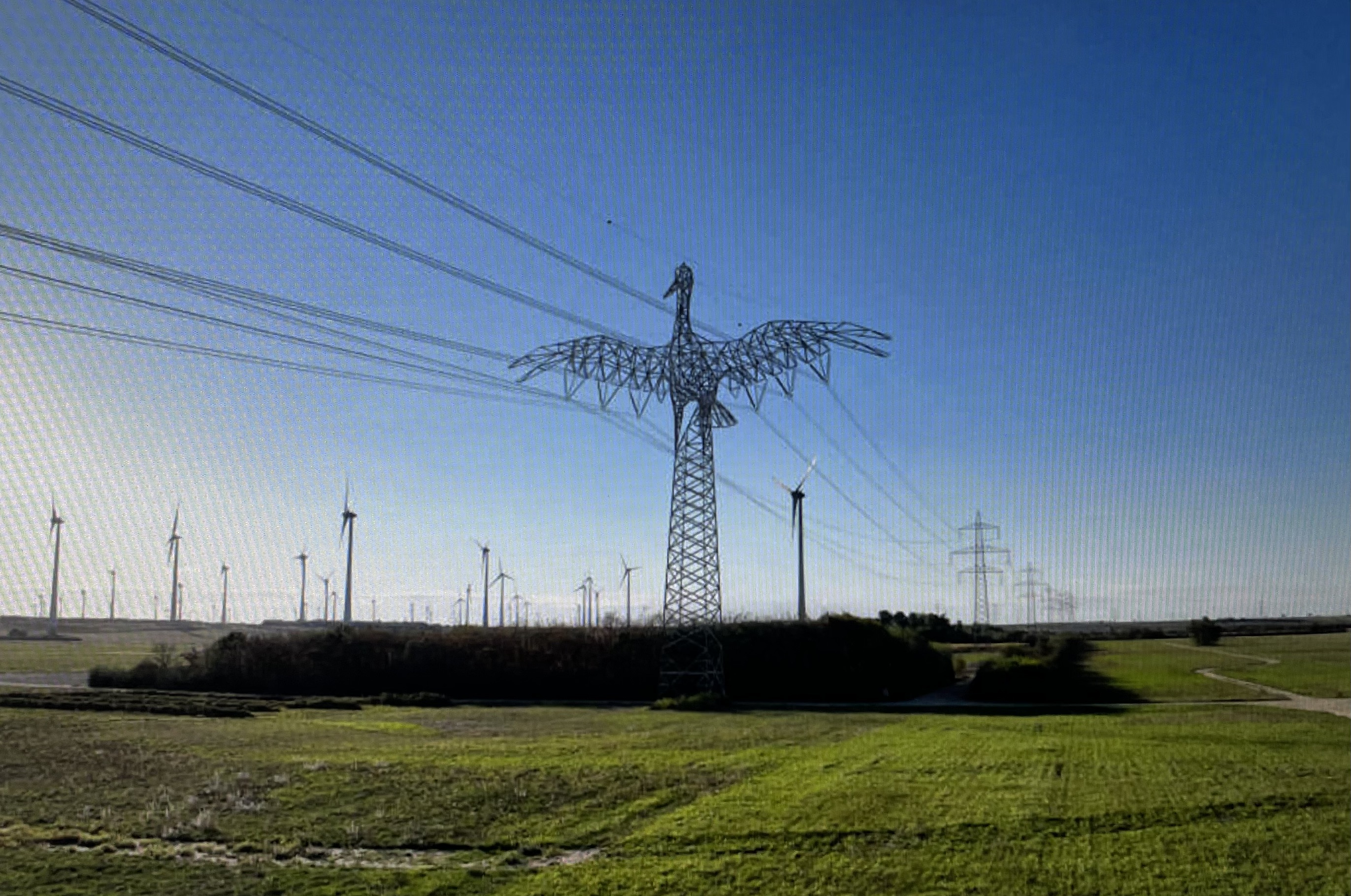
Storks migrate each year into Burgenland, south of Vienna and at the country’s border with Hungary. The agriculture and wind farms are there year around.
An A.I. Test. Austria’s nine states are shown below. Just for fun, I tried Googling “Austrian states’ iconic animals” to see what A.I. would come up with.
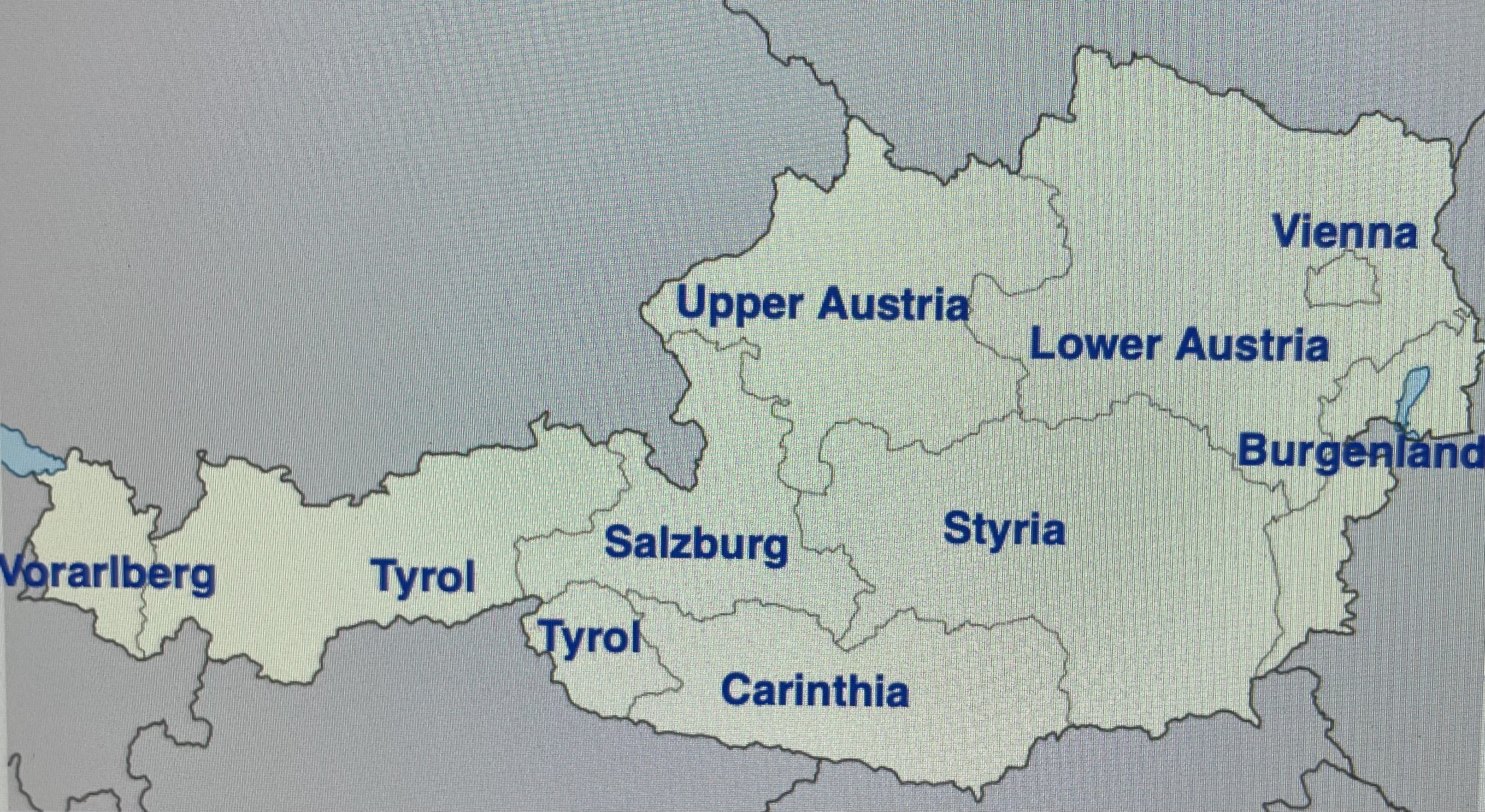
Bingo! Kinda. Though not necessarily traditional nor official, the Google A.I. named the stag and stork, then suggested Upper Austria’s lynx and brown bear, Vienna’s beaver and European pond turtle, Styria’s Hound, Tyrol’s mountain sheep and golden eagle, Carinthia’s Blondvieh cattle and bearded vulture, Salzburg’s ibex and marmot, and Voralberg’s Eurasian lynx (re-introduced to the region).
On the other hand, a slight change in wording gave different results.
Though I didn’t ask, Google A.I. noted as well that Austria’s national animal is the black eagle (appearing on the country’s coat of arms); its national bird, the barn swallow.
Gee, with all my carping about A.I., I’ve finally found an entertaining (albeit not necessarily definitive) use for it.

Nature-inspired Design. The GOODGOODGOOD website quotes a review from Yanko Design: “The real test will be public reception once these go live. Opposition to grid infrastructure is fierce, especially in rural and scenic areas where people (understandably) don’t want their views dominated by industrial metal.”
“Austrian Power Grid,” the website relates, “is betting that regional pride and visual interest can shift that calculus. If a community sees a pylon as a landmark rather than an eyesore, the theory goes, acceptance follows.”
By the way, just in case you have an urge for tripping, the Red Dot Museum in Singapore is displaying miniature models of the Austrian Power Giants through October 2026. ds
© Dennis Simanaitis, SimanaitisSays.com, 2025
 Simanaitis Says
Superb whimsy.
The KC local elite glory in our many fountains, museums, dance troupes, performing arts center and philharmonic, but sadly neglect and pay lip service to our jazz and Hispanic arts/music heritage (brought here en masse, driving cattle, and staying as meat packing plant/farm workers).
They enacted a 2% for the Arts levy on all building projects, used mostly on those ornate fountains, statues of acceptable (often obscure native figures), and ornate, expensive bronze bridge/walkway railings, where steel/concrete would suffice.
The latter two in remote parks are often targeted at night by vagrants with battery chop saws, supplementing their gummint largesse.