
Simanaitis Says
On cars, old, new and future; science & technology; vintage airplanes, computer flight simulation of them; Sherlockiana; our English language; travel; and other stuff
INDEPENDENCE FOR WHOM? PART 2
YESTERDAY, OUR CIVICS LESSON BEGAN with The Atlantic’s “Independence for Whom?” Part 1 and Jefferson’s stirring words “all men are created equal.” Lamentably enough, it concluded with Supreme Court Chief Justice Roger B. Taney infamously inserting the qualifying term “white” men in 1857.

Today in Part 2, Annette Gordon-Reed observes, “The Dred Scott decision ultimately helped tilt an already deeply fractured nation toward all-out war…. After the Civil War concluded, the Fourteenth Amendment was designed to settle the matter.”
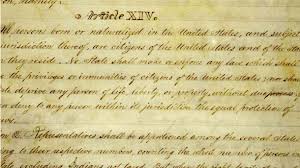
Image from monticello.org.
The Fourteenth Amendment. Gordon-Reed cites, “All people born in the United States—enslaved or free—were citizens entitled to the privileges and immunities of citizenship, the right to due process, and equal protection under the law. The amendment effectively killed the notion that one had to be white to be an American. Or it should have.”
Reconstruction—and Jim Crow. “Once slavery was over,” Gordon-Reed relates, “Black and white citizens could begin the process of becoming Americans together.”
That short-lived process started in earnest during Reconstruction, as abolitionists, Radical Republicans, and the formerly enslaved themselves struggled toward a multiracial society based on the ideals announced in the Declaration.”
However, she continues, “White southerners, unrepentant and unwilling to share power or social position, mounted a second rebellion to attack Reconstruction, and this time the federal government capitulated. With the establishment—and federal endorsement—of Jim Crow, the South once again built an order based on Roger Taney’s logic.”
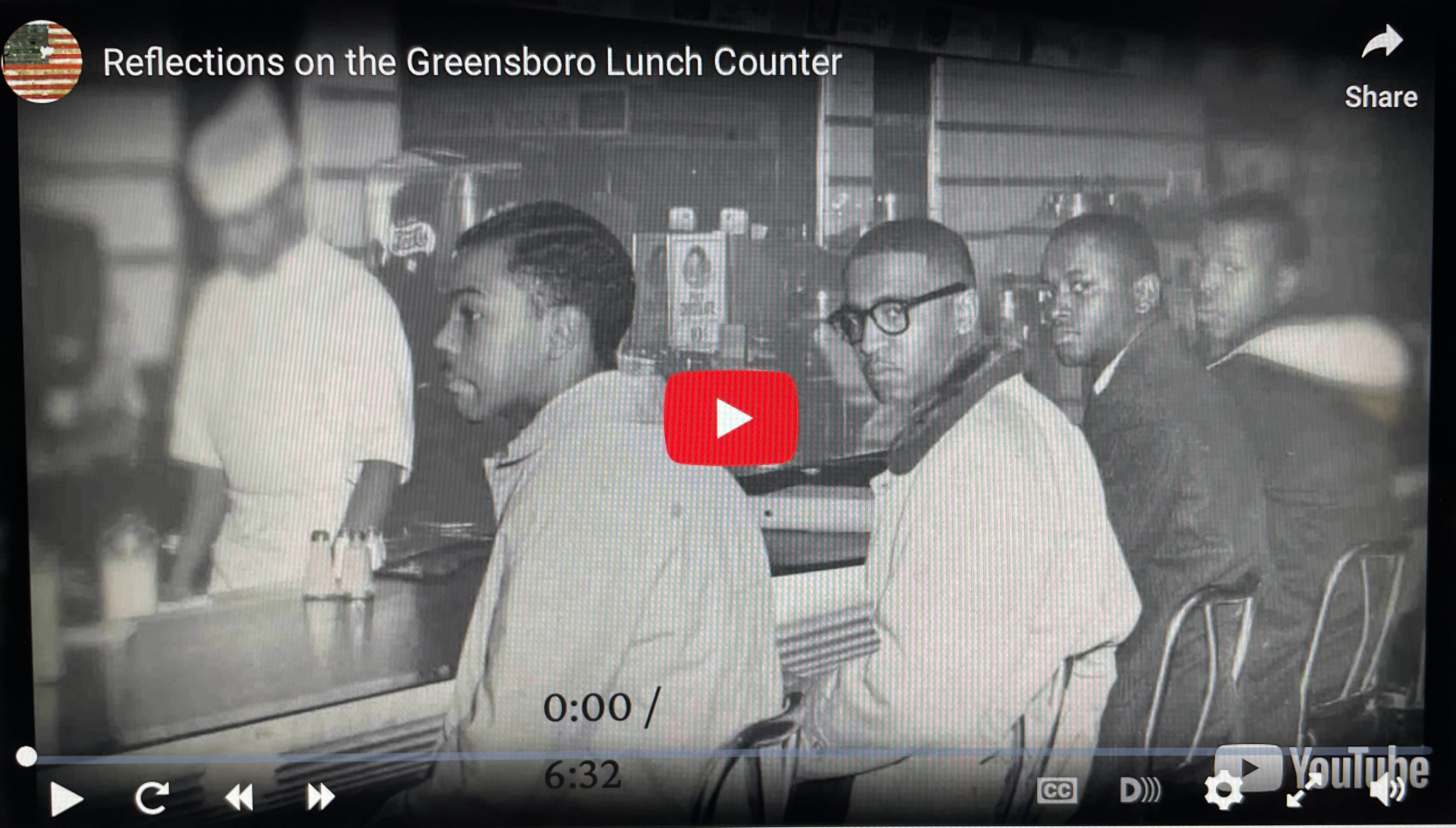
This video may be accessed at YouTube.
20th-Century Efforts. Gordon-Reed observes, “It took a decades-long effort during the 20th century to bring the hope engendered by the Declaration’s ideals back into the discussion of Black America’s fate…. This was the spirit that animated Martin Luther King Jr.’s “I Have a Dream” speech, given at the culmination of the March on Washington in 1963…. When the civil-rights movement finally compelled the federal government to act, the Declaration was the rhetorical dynamo.”
“In a 1965 speech to Congress in favor of the Voting Rights Act,” Gordon-Reed recounts, “President Lyndon B. Johnson referenced that American creed. ‘Those words are a promise,’ he said, ‘to every citizen that he shall share in the dignity of man.’ ”
And Now. “A great deal has happened since those heady days,” Gordon-Reed relates. “Johnson’s speech was not the end of the debate, but rather the beginning of a new chapter. Even as the 1960s civil-rights legislation was being signed into law, a counterrevolution was born, one that we now see in its maturity.”

Alas, today I recognize this discrimination in federal government firing, immigration injustices, gerrymandering of voting, and so many other ways.
Gordon-Reed concludes (with acknowledged pessimism) “We approach the 250th anniversary of the founding of the United States with much less reason to hope that the country’s long-standing racial problems will be mitigated, or that they will not, in fact, ultimately destroy the experiment the Declaration set in motion. As devotees of the Enlightenment and believers in the scientific method know, sometimes experiments succeed, and sometimes they fail.”
Let us hope the Declaration’s experiment succeeds. ds
© Dennis Simanaitis, SimanaitisSays.com, 2025
 Simanaitis Says