
Simanaitis Says
On cars, old, new and future; science & technology; vintage airplanes, computer flight simulation of them; Sherlockiana; our English language; travel; and other stuff
“THE UNFINISHED REVOLUTION”—THE MORAL FOUNDATION
ELAINE PAGELS CONTRIBUTES AN ESSAY “The Moral Foundation of America” to “The Unfinished Revolution,” The Atlantic, November 2025. Think of this as another civics lesson we’ve seemingly forgotten.

Elaine Pagels writes, “The idea that everyone has intrinsic rights to life and liberty was a radical break with millennia of human history. It’s worth preserving.” Following are tidbits gleaned from her essay, together with personal comments here and there. Topics include Hammurabi’s code, Genesis, and Thomas Jefferson’s choice of words in our own Declaration of Independence. Succinctly, consider the moral foundation as something of a work in progress.
Rulers Usta Confer Rights. “For thousands of years,” Pagels recounts, “the view that only rulers conferred rights or privileges on everyone else was taken for granted in traditional societies around the world. In the ancient empires of Babylonia, Egypt, Greece, and Rome, only those whom rulers regarded as their peers had value, or what the Romans called dignitas. Hindu societies enshrined the ruler as one who embodies the divine order of the gods, and established a hierarchical rank for everyone else. The caste system even defined some people as ‘outcaste,’ with no right to move freely and little recourse from lifelong servitude.”
Hammurabi Code. Pagels describes, “The anonymous Babylonian scribes who wrote the legal code of Hammurabi some 4,000 years ago seem to have regarded human value as a quality that the king could grant to certain people and deny to others. This code assigned privileges, and what we call ‘rights,’ according to a strictly hierarchical view of social power.”
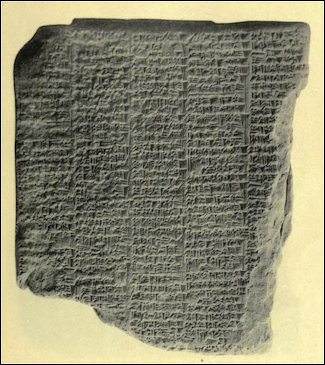
She continues, “The archaeologists who discovered Hammurabi’s code must have been surprised, at first, to see that it offered certain protections from mutilation, torture, and execution. But it became clear that these were dependent on one’s social rank. The king—who authorized the code—assigned punishments based on the social status of the offender and the victim.”
Hardly what you’d call a “bill of rights.”
Whence This Authority? “Ancient kings and emperors,” Pagels notes, “enforced their power through terror and violence. They claimed to derive their own prerogatives from the gods—from Marduk, in Babylonia; Ra, in Egypt; Jupiter, in Rome. Ancient philosophers held similar views. More than 2,000 years ago, when Plato wrote his famous treatise on “The Laws,” he declared that human laws merely articulate the will of the gods, and extend privileges to people like himself, members of the aristocratic class in Athens.”
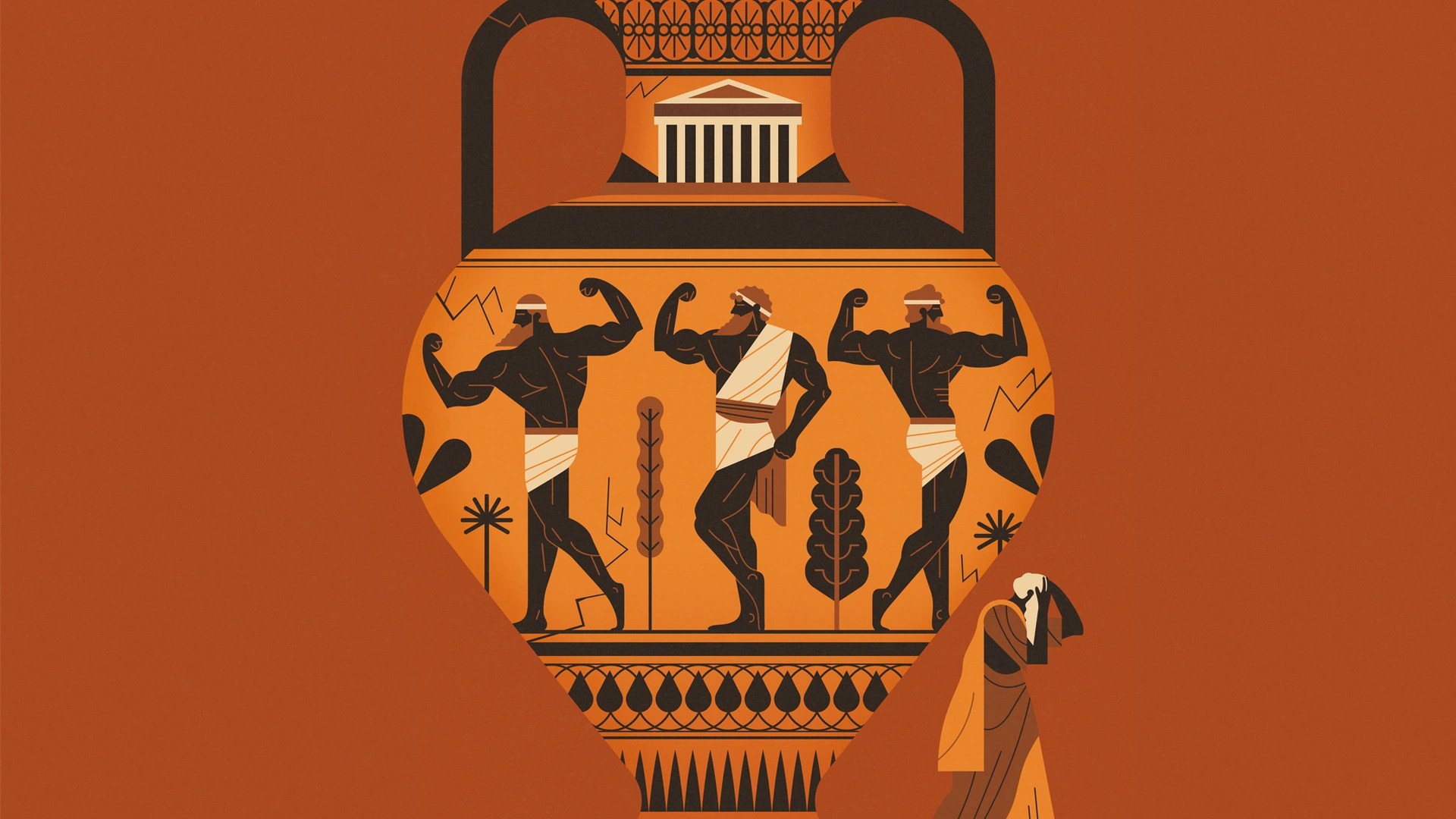
Image by Owen Davey from The Atlantic.
The Word of Genesis. “By suggesting that ultimate value resides in the individual, regardless of their sociopolitical status,” Pagels observes, “the Bible defied some of the world’s most enduring conventions of rank and worth. Genesis declares that adam (Hebrew for ‘man’ or ‘humankind’) was created in the image of God, thus affirming the intrinsic value of all human beings—a fundamental theme for ‘peoples of the book,’ Jews, Christians, and Muslims alike.”
How refreshing it is to read this sans a solely “Christian” focus.
“Those who wrote the Bible,” Pagels writes, “well remembered the oppression that Israel’s people had experienced in Egypt and Babylonia.”
Thomas Jefferson and the Bible. “Jefferson admired the Bible’s ethical principles,” Pagels observes, “but was skeptical of its metaphysics. He famously took a razor to the New Testament, excising the miracles while leaving intact the teachings of Jesus, whom Jefferson venerated as a philosopher and the author of ‘the most sublime and benevolent code of morals which has ever been offered to man.’ ”
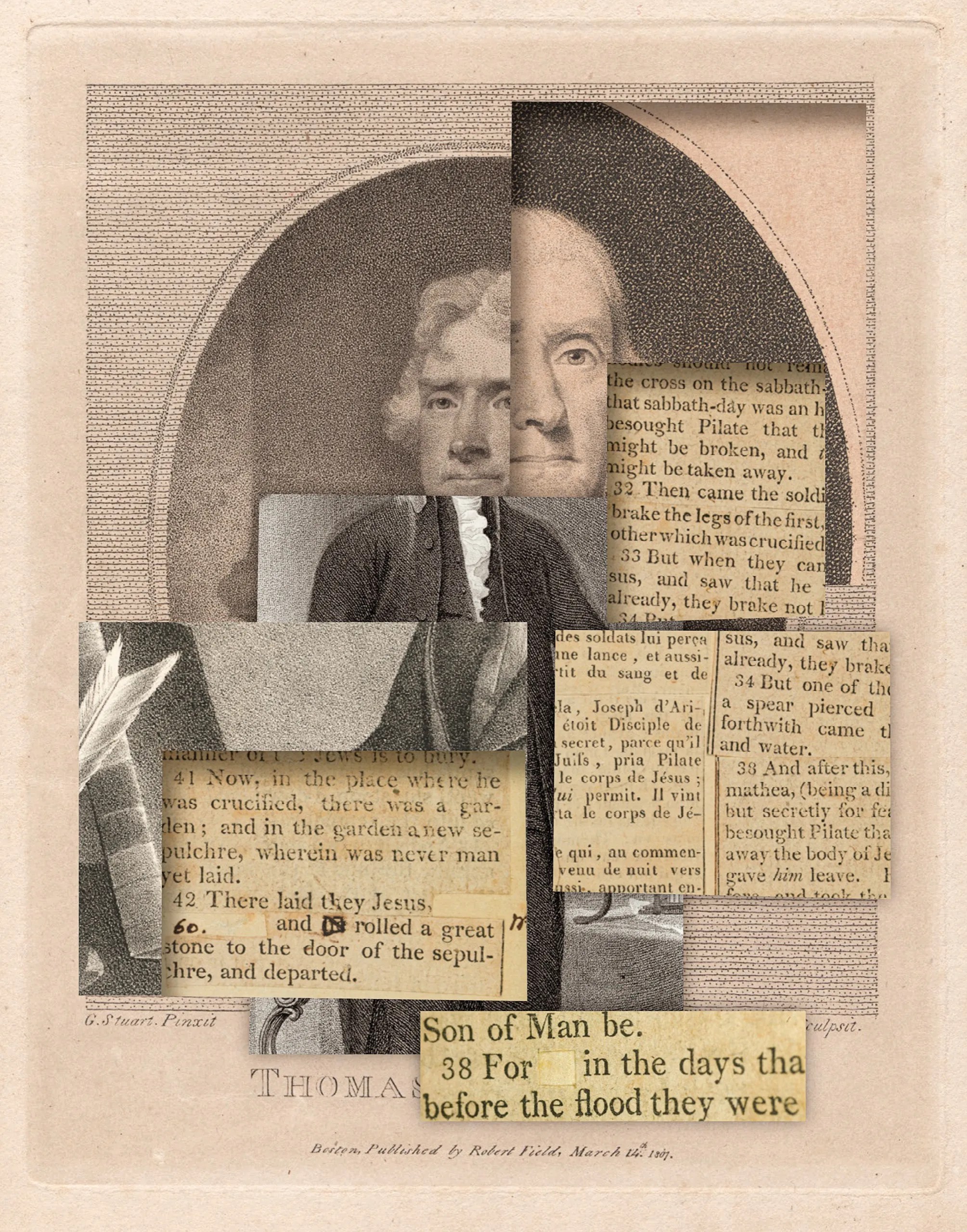
Illustration by John Gall in The New Yorker.
Akin with others of our Founding Fathers, Jefferson leaned toward Deism. See also “What Thomas Jefferson Could Never Understand About Jesus,” by Vinson Cunningham, The New Yorker, December 20, 2020.
Jefferson’s Declaration. “In drafting the Declaration,” Pagels describes, “Jefferson cited the ‘sacred and undeniable’ truth that ‘all men are created equal.’ He also drew on the idea of natural law that ensured human rights—a concept that had been popularized in mid-18th-century Europe with the Enlightenment.”
By Consent, Not Conferred To. “Above all,” Pagels notes, “the Founding Fathers agreed that because these are innate rights, they can only be recognized, and not conferred, by human beings. They went on to state, ‘To secure these rights, Governments are instituted among Men, deriving their just powers from the consent of the governed.’ ”
I’m reminded of “The Big Lift and Trump’s Democracy,” with Gerda’s understanding of the word “democracy.”
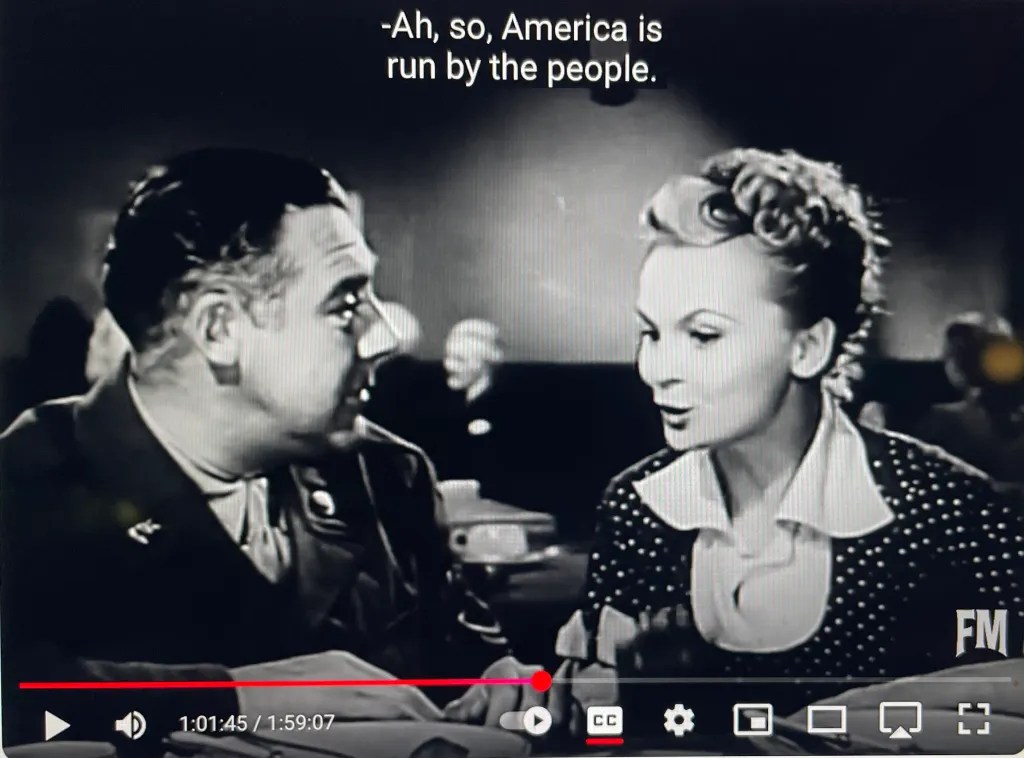
Image from The Big Lift.
The Jeffersonian Quandary. Pagel recounts, “From the fifth to the 18th centuries, Europe’s Catholic and Protestant kings claimed to rule by ‘divine right,’ insisting that the lower status of everyone else, whether aristocrat, merchant, servant, or slave, was simply God’s will. (To this day, the British Crown’s ancient motto proclaims: ‘God and My Right.’)”
“This,” Pagel observes, “was also an ideal that Jefferson himself did not live up to. Glancing out his study window at Monticello, he would have seen people whom he had bought as property working in his fields, people denied rights of any kind.”
This quandary is discussed in the next in our series of The Atlantic’s “Unfinished Revolution,” specifically, “Whose Independence?” ds
© Dennis Simanaitis, SimanaitisSays.com, 2025
 Simanaitis Says
The long historic rooting of class permeates Jefferson’s time and even ours; only our technology has changed. Thanks for this insightful look. To think Jefferson could distill Jesus’s sublime and gentle philosophy while owning and impregnating slaves.
Meanwhile, absolutely. Our founding fathers were not Christians, but philosophically omnivorous theists. See some of the irreligious quotes of Adams, Madison, Franklin, Jefferson, Washington and others. They used “God” as all-encompassing, inclusive, even mystical concept for what might be believed or unknown.
Jefferson and some of the Virginians proclaimed Anglicanism only as this was a prerequisite of land ownership. Because there was no concurrent democracy like our new republic, our founding fathers cribbed from Rome and Athens when crafting our institutions.
Franklin and others took note of the Iroquoian Six Nations Confederacy, the oldest participatory democracy on earth, where squaws had equal vote in all tribal matters, were allowed to inherit property, not considered unclean during their monthly cycle, the land and its bounty blessed and respected, the mentally unbalanced considered blessed by the Great Spirit and woe to any who harmed them. Scalping was started by colonial rulers as bounty, Native Americans doing so in retaliation.
Thanks again for The Big Lift. Living in the nightmare of 2025, it is hard to remember that our nation once showed the world the magnanimity of the Marshall Plan.
Looking forward to part II tomorrow. Thanks again.