
Simanaitis Says
On cars, old, new and future; science & technology; vintage airplanes, computer flight simulation of them; Sherlockiana; our English language; travel; and other stuff
INTERACTIVE MEDIA & GAME DEVELOPMENT—WPI AMONG THE LEADERS
COMPUTATIONAL ADVANCEMENTS—ROBOTICS, EDUCATION, HEALTHCARE, ARTIFICIAL INTELLIGENCE, AND EDUCATION—are a significant driver of modern culture. And Worcester Polytechnic Institute, my undergraduate school, is among those leading the way in Interactive Media & Game Development. Indeed, so are dear friends in Maine as well.
Games development, a WPI press release describes, “is the world’s largest entertainment industry…. And combined, these are fields that generate technological advancements that push all industries forward.”
Gee, Worcester Poly has evolved a lot in the 60 years since math majors there were the outliers in the traditional fields of chemical, civil, electrical, industrial, and mechanical engineering.
Here are tidbits gleaned from the WPI press release (and from my Maine pals).

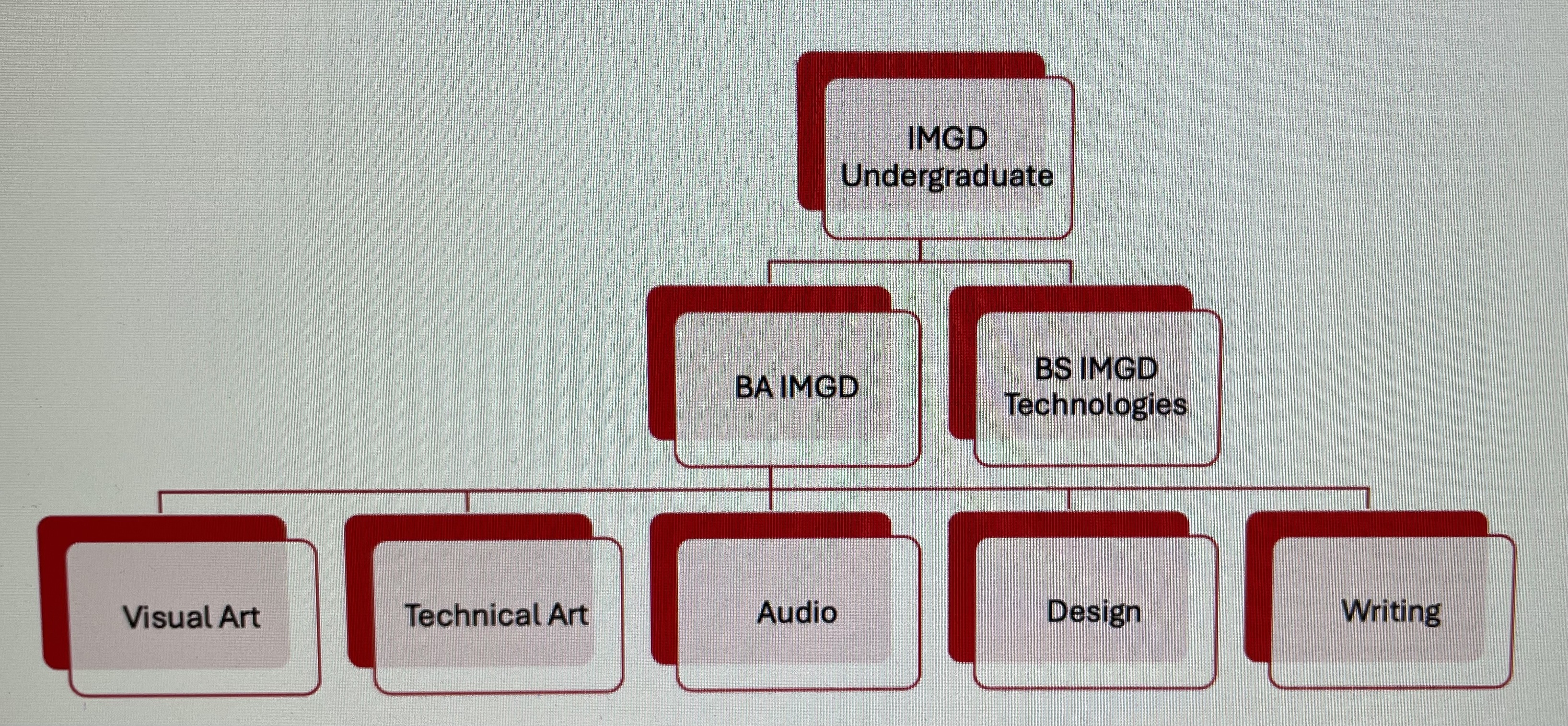
IMGD. “WPI Interactive Media and Game Development (IMGD) is among the oldest games and interactive degree in the nation,” the press release recounts. “Blending the visual and technical arts, programming, storytelling, music, writing, design, user experience, and production management – IMGD offers highly customizable degree programs that both covers the breadth of interactive media and games and empowers students to specialize in their own area of interest.”
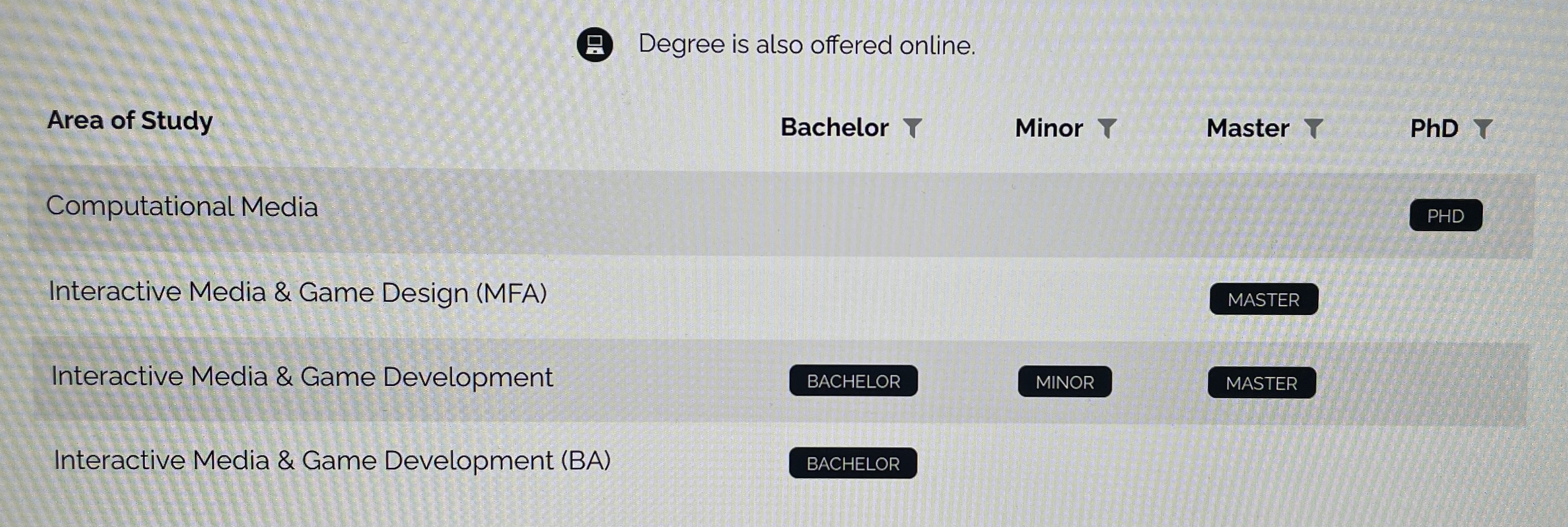
WPI continues, “One of the only academic units in the nation that has all the areas of games and interactive media within a single program, IMGD is a hyper-collaborative program. Through course and project work, IMGD trains students at all levels both in development of specialized skillsets and in how to effectively and respectfully communicate with each other, collaborate, and work toward common design goals that require all those skills to align.”
I’ll grant them that huge split infinitive. WPI was “founded on a peddlar’s dream,” after all, not a grammarian’s.

Methodology. WPI recounts, “Working alongside renowed faculty researchers and industry advisors, students are immersed from day one in a project-based learning curriculum that is co-constructed by students and faculty. IMGD specializes in learning through making and research through design.”
“Students,” WPI observes, “create everything from escape rooms to mobile games, from creative coding languages to 3D character asset libraries, from new techniques for mitigating network latency in games to interactive museum exhibits—and everything in between!”
That is, games development has expanded considerably beyond my favorite, Microsoft Flight Simulator (which traces back to a guy named Bruce Artwick when he was at University of Illinois Urbana-Champaign back in the late 1970s).
Maine Escape Games. As an example these days, Rene Letourneau (a dear friend; Wife Dottie’s sorta surrogate daughter) and her pal/computer guru Alan Baldwin established Maine Escape Games in South Portland, Maine, in July 2015.

It has now grown to 8000 sq. ft. which includes six escape rooms, two control rooms (from which the games are run remotely by game masters) and a workshop area where they design and build every component.
“We’ve built control panels,” Rene tells me, “for each computer that runs one of the rooms, which allows us to make some puzzles easier or harder as the game progresses. This gives us the ability to customize the challenge level to match the skill level of the team. (This is a real differentiation and competitive advantage as it’s quite unique in the escape room world.)”

One of my favorite T-shirts.
Good for Rene and Alan! They’re evidently gaming at the lofty levels of WPI’s IMGD.
Meanwhile, Back At IMGD: “ ‘Memoirscape’ invites players to work at their own pace piecing together subtle clues about what happened during the long-lost summer of 1986 for [a fictitious] Dr. Adler, a professor experimenting with ‘memory technology.’ ”
But borrowing a term from traditional video games, “things get a little ‘glitchy,’ and players may start to notice that summer in Queens might not have been so perfect after all.”

Kathleen Morrissey, producer and director of “Memoirscape.”
WPI recounts, “Kathleen Morrissey, a second-year PhD student who served as producer and director, said some students rip through the game as if it were a traditional escape room situation, solving the puzzle in 20 minutes. Other players linger, and some just want to stay and absorb the details. Still others go through it multiple times, coming back to find out what they might have missed.”
Cozy Games. “The idea of making the game a place where you want to stay is part of an emerging gaming trend Melissa Kagen, assistant professor of teaching in IMGD, refers to as ‘cozy games’ that emphasize safety, abundance, and softness. They’ve been a popular phenomenon in gaming for a decade or two—games like Harvest Moon, Animal Crossing, and Unpacking are a few that have taken off since the start of the COVID-19 pandemic.”
Kinda the opposite of Mortal Kombat, Doom, and Grand Theft Auto. Which is fine with me, thank you.

Indeed, had IMGD existed back in the early 1960s, I might well have included it as a minor to my beloved mathematics. (As it was, I got added enrichment from a Clark University course in Early English Drama.) ds
© Dennis Simanaitis, SimanaitisSays.com, 2025
 Simanaitis Says